REVIEW · FREMANTLE
Fremantle: Convicts, Culture, and Street Art
Book on GetYourGuide →Operated by Two Feet & a Heartbeat · Bookable on GetYourGuide
Convict stories meet street art in Freo. This 2-hour walking tour turns Fremantle’s port area into a walkable timeline, from prisoner escapes to immigrant arrivals. I love that you also stop at big, real landmarks like the Roundhouse and the Whaler’s tunnel, not just plaques, and it keeps a relaxed pace. One heads-up: it’s still a walking tour, so in Apr–Aug you’ll want proper rain gear and comfortable shoes.
I also like the way the guides shape the walk around your interests. In past groups, guides such as Joanie, Vaughan, Winona, and Daniel were praised for answering questions and keeping things friendly, even when the subject matter gets dark.
At $46 per person, you’re paying for a tight route, a professional local host, and a story-first format that makes Fremantle easier to understand on your first visit. If you’re the type who likes culture, street art, and history to be connected instead of filed away, this is a strong bet.
In This Review
- Key highlights at a glance
- Start at Kings Square: where your Fremantle story begins
- Fremantle Port: migrants, whaling, and the gateway stories
- Whaler’s tunnel and the market-side route
- High Street and the Roundhouse: where power showed up in stone
- Street art stops: the modern commentary you can actually see
- Learn faster with an expert local host (and real question time)
- Price and value: what you pay for in a 2-hour walking loop
- Timing, weather, and what to pack (so the walk feels easy)
- Who should book this Fremantle convict, culture, and street art tour
- Should you book?
- FAQ
- Where is the meeting point?
- How long is the tour?
- What is the price?
- Is the tour wheelchair accessible?
- What language is the tour delivered in?
- What’s included in the $46 price?
- Is hotel pickup and drop-off included?
- Should I bring bottled water?
- What should I wear or bring for weather?
- Is there a cancellation option?
- Reserve now and pay later available?
Key highlights at a glance
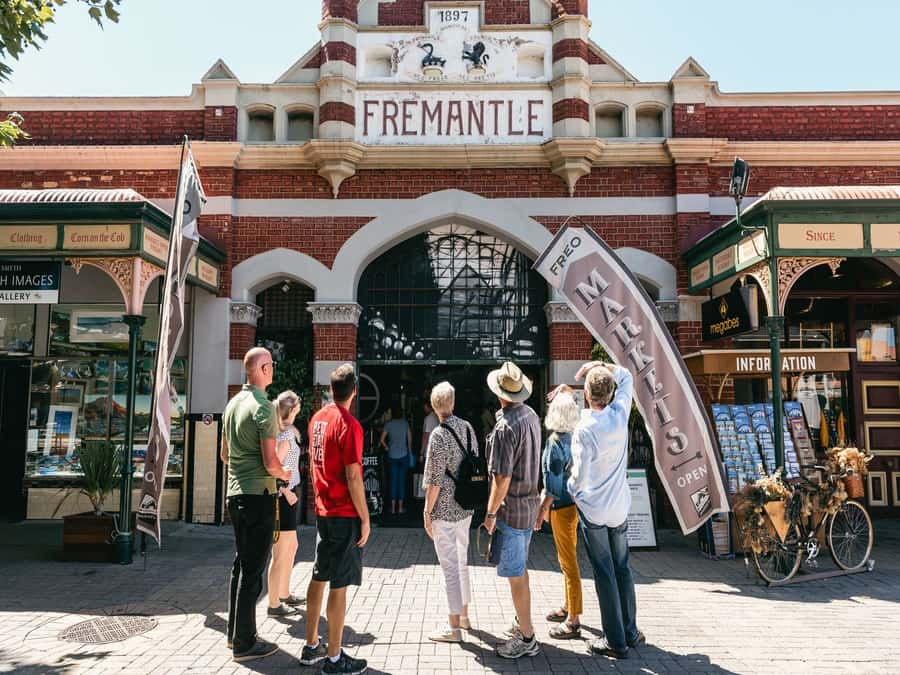
- Convicts meet culture with stories tied to the streets you’re walking
- Whaler’s tunnel and Fremantle Port landmarks keep the tour anchored in place
- Street art commentary links modern Freo to older themes of migration and survival
- A guide-led story route through High Street, Roundhouse area, and West End lanes
- Small-group feel with room for questions rather than a rigid lecture
Start at Kings Square: where your Fremantle story begins
You’ll meet at the Fremantle Visitors Centre in Kings Square (Kings Square Fremantle WA 6160). This is a smart starting point because it gets you into the heart of town fast, before you’ve had time to get turned around.
From there, the tour heads off on a walking route that doesn’t feel like a textbook march. You’re mixing factual details with the kind of anecdote locals actually enjoy sharing, and that style matters in Fremantle because the city is layered. One street can hint at whaling days, then migration waves, then the creative street-art response that came much later.
Also note the practical stuff. Wear comfortable shoes, and dress for the weather. During April to August, expect cold conditions and rain, so plan for damp sidewalks and the need to stay outside for the whole two hours.
You can also read our reviews of more tours and experiences in Fremantle.
Fremantle Port: migrants, whaling, and the gateway stories
One of the best things about this tour is how it frames Fremantle as a gateway. The city’s port history connects to migration right away, so the stories don’t live only in the distant past. You’ll hear how the area functioned as a point of arrival, and you’ll also get maritime context that explains why the port mattered so much.
The tour focuses on maritime past and pioneering characters, with details that help you picture daily life rather than memorizing dates. You’ll also learn about prisoner transport—why so many men were shipped from Great Britain and Ireland, and how that population shaped what became possible in Western Australia.
This is where the tour’s “culture” part starts to feel real. Fremantle wasn’t only about ships and shipping schedules. It was about people pushed into new systems, communities formed under pressure, and the long after-effects still visible in the city’s identity.
If you’re sensitive to heavy topics, just know the guide includes tough elements like convict punishment and the expulsion of Indigenous peoples. The best approach is to treat it like an honest local story: uncomfortable, yes, but also part of understanding the place you’re visiting.
Whaler’s tunnel and the market-side route
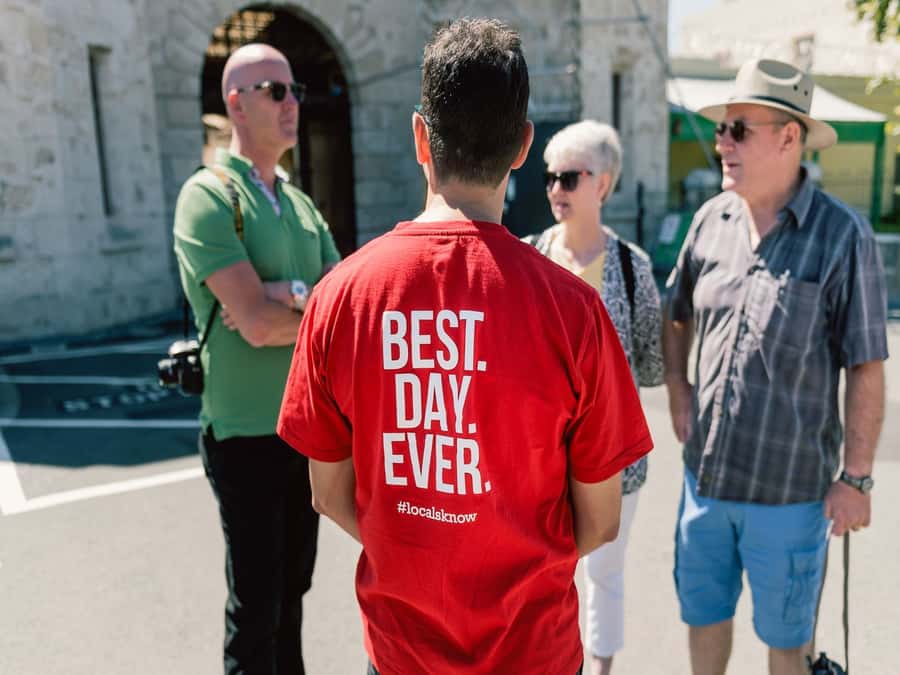
As you continue, you’ll move into the area around the Whaler’s tunnel. This is one of those Fremantle landmarks that works on two levels. First, it’s physical and specific, so you can actually see what you’re hearing about. Second, it anchors the story in a place where whaling-era life isn’t just a concept.
The route also passes through festive streets and market zones, so the experience doesn’t turn into a constant solemn mood. That contrast is useful. History can feel abstract until you’re surrounded by the same kinds of streets where people today come to browse, eat, and meet.
In practice, this stop-and-walk method helps you “read” Freo. You’ll start noticing how corridors, old building frontages, and harbor-adjacent lanes connect back to shipping and movement. Even if you only get a couple dozen minutes on each segment, it’s enough to make the city feel legible.
Practical tip: if it’s raining, the market-side lanes can get slick. Slow down at crosswalks, and keep your camera stowed until you’re at a safe viewing spot.
High Street and the Roundhouse: where power showed up in stone
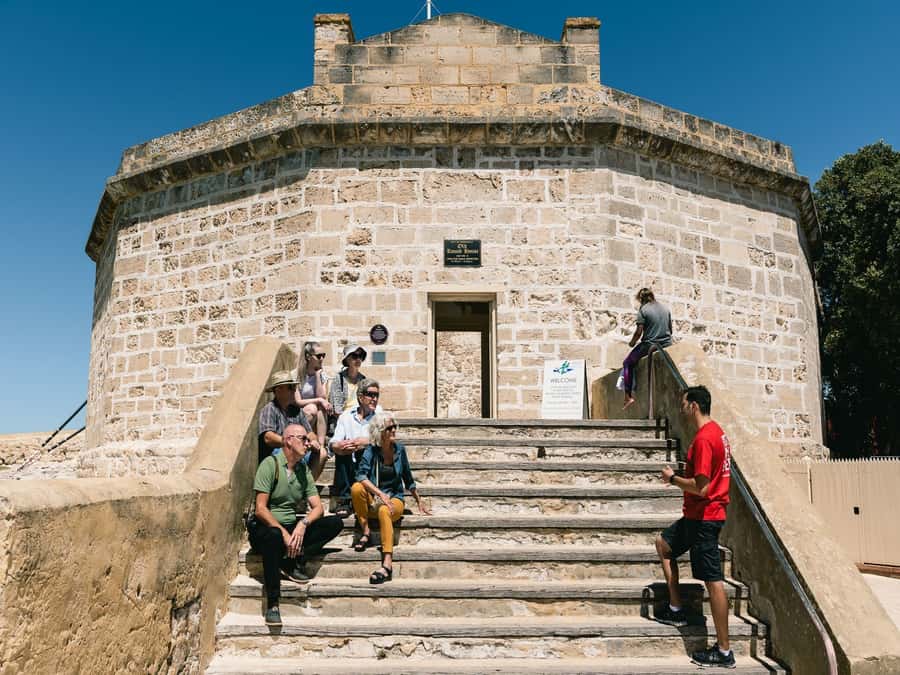
High Street and the Roundhouse area are key parts of the tour because they give you a clear sense of how institutions shaped life. The Roundhouse is one of Fremantle’s most recognizable landmarks, and it’s a strong reminder that the city’s early years included systems built to control people.
You’ll connect those dots through stories about convicts and the way punishment and labor were organized. You’ll also hear how almost 10,000 men were transported, and how they built their own prison—details that make the place feel less like a monument and more like a lived environment.
The guide also ties these sites back to the broader themes the tour keeps returning to: migration, maritime work, and the rough edges of survival in a new settlement. That’s why this stops well for both history fans and casual visitors. You’re not just collecting facts; you’re seeing how the city’s geography fits the story.
One more bonus: the pacing. Multiple guides (including Winona and Vaughan, based on past experiences) have been praised for a relaxed tempo. That matters here because the route is short—about two hours—so the guide’s pacing decides whether it feels rushed or satisfying.
Street art stops: the modern commentary you can actually see
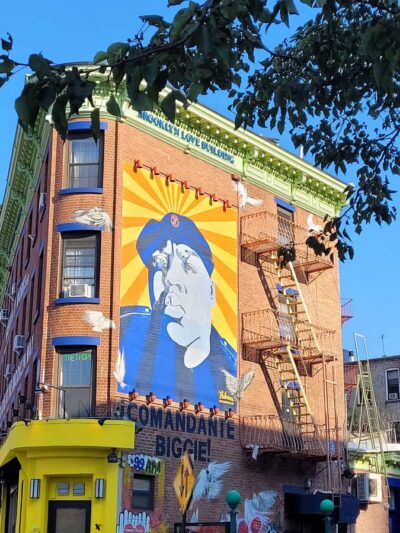
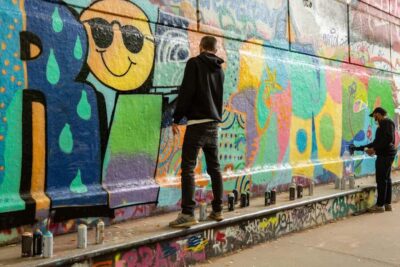
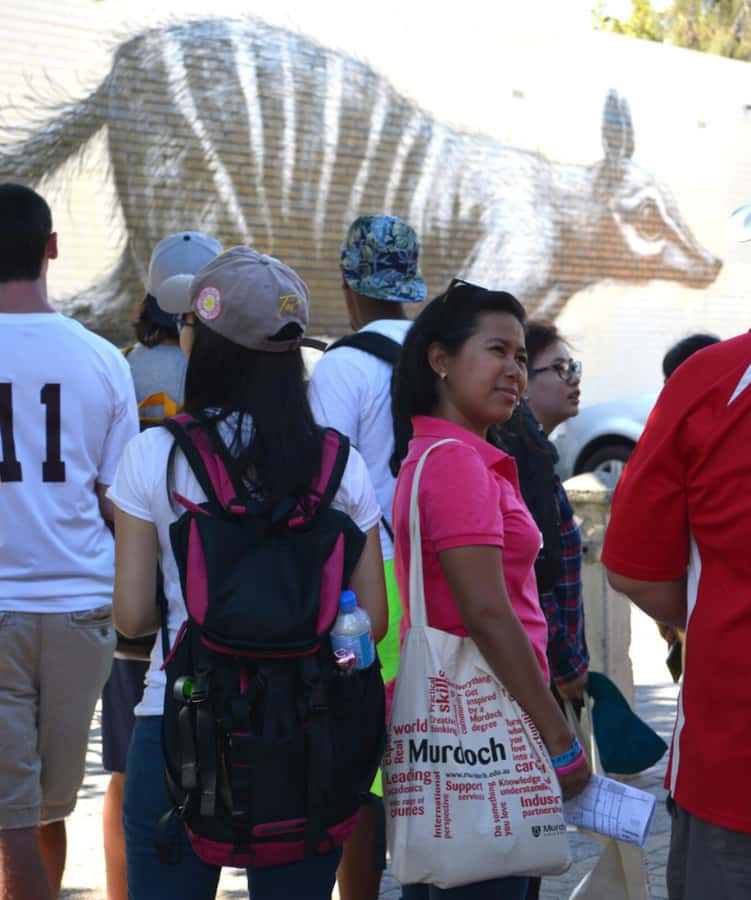
One reason this tour stands out for me is that it treats street art as more than decoration. You’ll spend time where you can see art in context, and you’ll hear how the modern city uses creativity to comment on older themes like migration, hardship, and identity.
In other words, the tour doesn’t separate old and new Freo into different boxes. It shows how today’s walls can carry echoes of yesterday’s stories. That’s one reason the street-art element is such a good match for a walking format: you’re always in the same physical neighborhoods the art belongs to.
If you like taking photos, build in a bit of extra time for the street-art stops so you’re not holding up the group. If you don’t care about photos, still pay attention. The guide’s narration turns what looks like random color into a recognizable pattern.
Learn faster with an expert local host (and real question time)
This is a guide-led walking tour with a professional local host, and the human element shows. Past participants specifically praised hosts such as Winona for adjusting the walk toward what people want to learn, rather than just running a standard script.
That’s a big deal on a short itinerary. When the guide can answer questions and steer slightly, you get more of what you personally came for—whether that’s maritime past, street art, or convict-era stories.
You’ll also get local tips along the way. Some are practical, like where to linger for a coffee after the tour. Others are “how to look at the city” tips, which can be just as useful. In a place like Freo, where neighborhoods change character street by street, those tips help you keep moving on your own afterward.
Price and value: what you pay for in a 2-hour walking loop
At $46 per person for a two-hour guided walk, you’re not paying for transport or a long day. You’re paying for interpretation: the ability to walk the streets and understand why certain places matter.
Here’s how I think about the value:
- You’re getting a tight route that hits high-signal sites (including the Roundhouse area and the Whaler’s tunnel area).
- You get live English narration, which is crucial when you’re dealing with layered local stories.
- You’re paying for local context—especially when the subject matter involves convict history and migration waves that can be hard to piece together alone.
It’s also good value if you’re the type who likes to set a foundation early. After a tour like this, your next museum stop or self-guided walk usually feels more focused, because you already understand the city’s basic story arc.
The only cost you might add is something simple like a drink. Bottled water isn’t included, so bring a bottle if you tend to get thirsty on walks.
Timing, weather, and what to pack (so the walk feels easy)
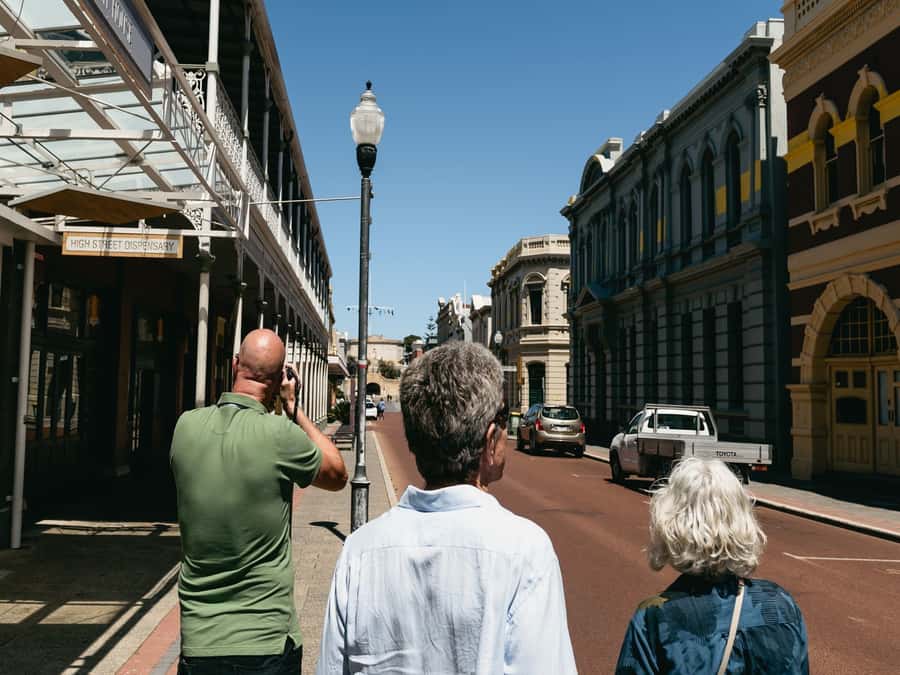
This is a short tour, but it’s still outdoors. You’ll cover a mix of harbor area streets and narrower lanes around West End, so plan for uneven pavement and occasional drizzle.
Wear comfortable shoes. If it’s Apr–Aug, bring a light rain jacket and something that handles cold weather. A coffee stop works well after—especially because the route is relaxed enough that you won’t feel like you raced through everything.
If you’re traveling with mobility needs, this tour is listed as wheelchair accessible. I’d still show up a little early at Kings Square so you can meet the guide, get oriented, and avoid any last-minute stress before you start moving.
Who should book this Fremantle convict, culture, and street art tour
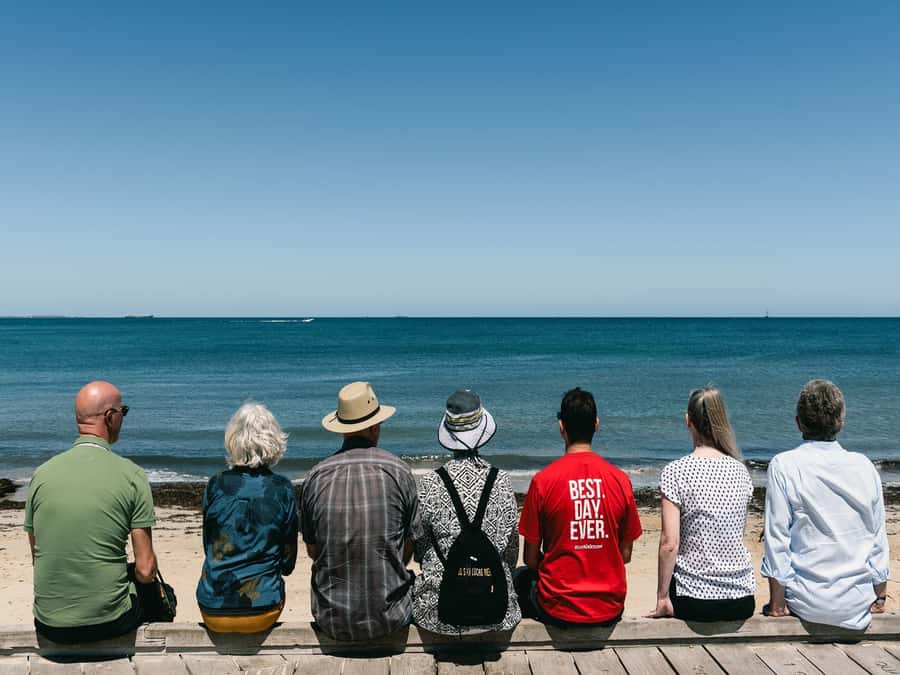
This tour is a good match if:
- You want Fremantle basics fast, with real landmarks tied to real stories.
- You like stories that connect maritime history, migration, and modern culture.
- You prefer a walking format where you can ask questions instead of sitting through a lecture.
It’s also a nice choice for first-timers who want a “map in your head” after only two hours. If you’re staying in central Freo, the walking route also makes it practical, since you’re not depending on extra transport.
If you only want light, family-friendly topics, this may feel heavy at times because convict-era material and Indigenous expulsion are part of the narrative. But if you want a more honest, place-based view of Fremantle, that honesty is exactly what makes it worthwhile.
Should you book?
Yes, you should book if you want a smart introduction to Fremantle that doesn’t treat history like a locked museum case. The mix of maritime past, convict stories, and street art gives you multiple ways to connect with the city, and guides such as Vaughan, Winona, and Daniel have been praised for making the walk feel relaxed, personal, and question-friendly.
Skip it only if you don’t want to hear about difficult parts of the past. Also skip if you’re likely to struggle with outdoor walking in wet weather, because this is a street route where you’ll be outside for the whole two hours.
FAQ
Where is the meeting point?
Meet your guide at the Fremantle Visitors Information Centre at Kings Square Fremantle WA 6160.
How long is the tour?
The duration is 2 hours.
What is the price?
The price is listed as $46 per person.
Is the tour wheelchair accessible?
Yes, the tour is listed as wheelchair accessible.
What language is the tour delivered in?
The live tour guide speaks English.
What’s included in the $46 price?
It includes a 2-hour guided walking tour, a professional local host, local history and fun stories, and local tips.
Is hotel pickup and drop-off included?
Hotel pick-up & drop-off is not included. Group bookings only by request.
Should I bring bottled water?
Bottled water is not included, so you may want to bring your own.
What should I wear or bring for weather?
Wear comfortable shoes and dress appropriate to the weather. During April to August you may expect cold weather and rain, so check the weather report the day before and come prepared.
Is there a cancellation option?
Free cancellation is available up to 24 hours in advance for a full refund.
Reserve now and pay later available?
Yes, you can reserve now & pay later.