REVIEW · TBILISI
Tbilisi: 100+ Graffiti & Murals, Street Art Guided Tour
Book on GetYourGuide →Operated by Chill Easy · Bookable on GetYourGuide
Tbilisi’s walls tell stories. This street art guided tour turns neighborhoods into an open-air gallery, with stops built around specific murals and the people behind them. You’ll walk, photograph, and listen your way through the city’s graphic characters and local context—then fuel up with a Georgian meal.
I especially like the way the tour balances big-name murals with smaller details you’d miss on your own, and how the guides bring the art into focus without making it feel like homework. On recent departures, guides such as Lily and George (also seen as Giorgi/Georgi) were praised for connecting the murals to Tbilisi’s present and Georgian history.
One thing to be careful about: if your booking is adjusted because of headcount changes, your final total may shift. That’s not the tour’s fault, but it’s worth checking your confirmation so you’re not surprised.
In This Review
- Key highlights worth planning around
- Street Art in Tbilisi: Why This Tour Works Better Than Random Wandering
- Price at $30: What You’re Really Buying
- Getting Started: Pickup, Coffee/Tea, and a Route That Doesn’t Waste Your Day
- The Mural Walk Begins: Early Stops in Vake and Park Edges
- Mid-Route Characters and Artists You’ll Want to Remember
- Arts District Focus: More NIKO Pieces and a Workshop Stop
- Fabrika Tbilisi and ART UP: Where Street Art Meets Its Surroundings
- The Pace: How 2–5 Hours Feels in Real Life
- What This Tour Is Best At (and Who Should Skip It)
- Should You Book the Tbilisi 100+ Graffiti & Murals Tour?
- FAQ
- How long is the Tbilisi street art guided tour?
- What does the $30 per person price include?
- What language is the tour guide?
- Is there a meal during the tour?
- What should I bring or wear?
- Are there restrictions on bags or luggage?
Key highlights worth planning around
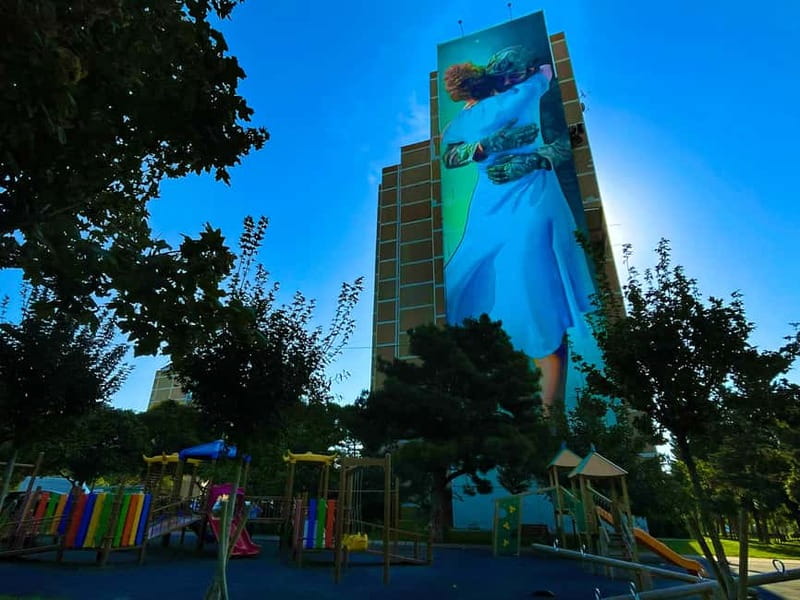
- Hotel pickup and drop-off keeps the day smooth, especially when the route spans multiple neighborhoods
- A specific mural route means you’re not just wandering for street photos
- Coffee/tea plus water helps you stay comfortable during a 2–5 hour walking rhythm
- Parks + arts districts show street art in both quiet and city-center settings
- Lunch at a local eatery gives you a real Georgian break in the middle of the visuals
- Private or small groups (when available) can make the pacing feel less rushed
Street Art in Tbilisi: Why This Tour Works Better Than Random Wandering
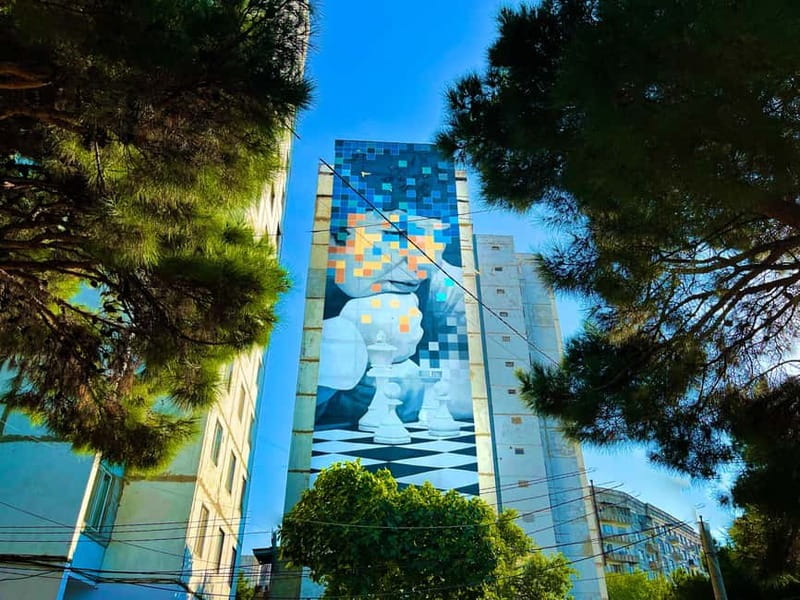
Tbilisi street art has a reputation for being personal—funny when it wants to be, political when it needs to be, and strangely warm even when the themes are heavy. The best part of this tour is that it’s not trying to hit “every wall in Tbilisi.” It’s hitting the walls that make the city’s current identity legible.
You’ll see murals scattered across different vibes: park edges for calmer pauses, theater-and-city-center zones for the busy feel, and arts spaces where street creativity mixes with more formal culture. That mix matters. If you only look at street art in one neighborhood type, you miss how Tbilisi uses public walls as a living conversation.
The guide-driven storytelling is the other big reason this tour clicks. Instead of just naming artists, the tour framework is built around what the artwork is saying and where it fits in Georgia and Tbilisi culture. When Lily or George is at the helm, that connection gets explained in a way that makes the murals feel like context, not trivia.
You can also read our reviews of more tours and experiences in Tbilisi.
Price at $30: What You’re Really Buying
At about $30 per person, you’re paying for three practical things that add up fast in any foreign city: transportation, a guide, and a structured route.
You get:
- Hotel pickup and drop-off
- Transportation during the tour
- A professional guide (English or Russian)
- Coffee/tea and bottled water
- A route that’s scheduled to run 2 to 5 hours depending on start time and pacing
Is $30 “cheap”? Not always. But it’s solid value for a guided, multi-stop morning/afternoon that would be hard to replicate well on your own. Most people who try DIY street art walks end up spending more time figuring out where to go, then less time enjoying what they find.
Getting Started: Pickup, Coffee/Tea, and a Route That Doesn’t Waste Your Day
This tour begins right in Tbilisi with hotel pickup. You’ll wait in the lobby about 5 minutes before the scheduled time, and drivers are set to wait up to 5 minutes after. That’s short, so if you’re the type who needs ten minutes for coffee and shoes, plan ahead.
The first minutes matter. With coffee/tea and water available, you’re not starting your mural marathon dehydrated or caffeinated-adjacent in the wrong direction. And because there’s transportation during the tour, the route can cover more art without turning the day into one long slog.
Also, plan your packing mind-set: no large luggage or bags. You’re moving on foot between stops, so keep things light.
The Mural Walk Begins: Early Stops in Vake and Park Edges
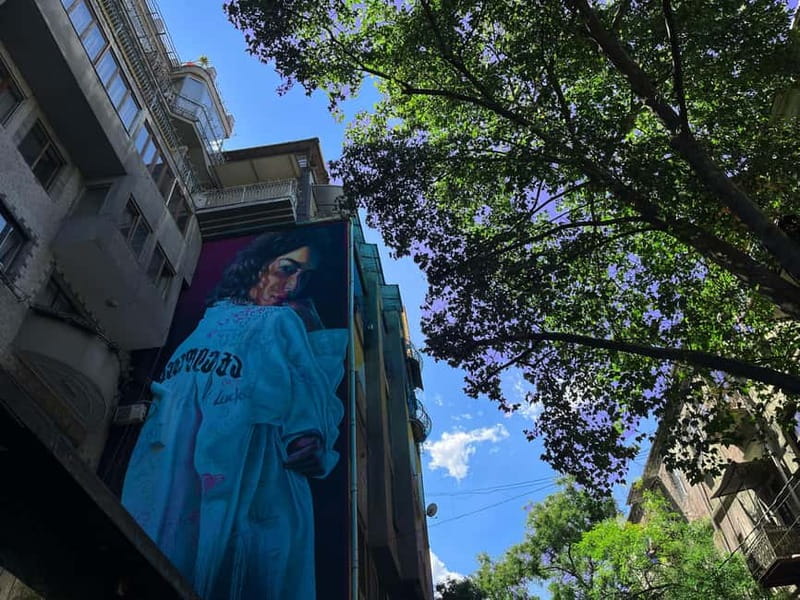
The first stretch sets the tone: lots of photo stops, guided tours, and short free time windows so you can look closely and not just keep moving.
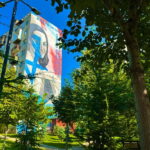
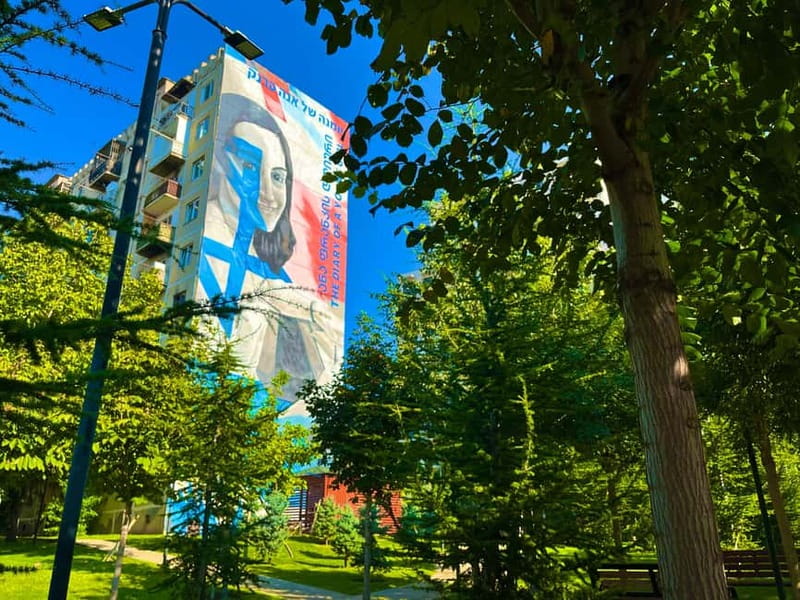
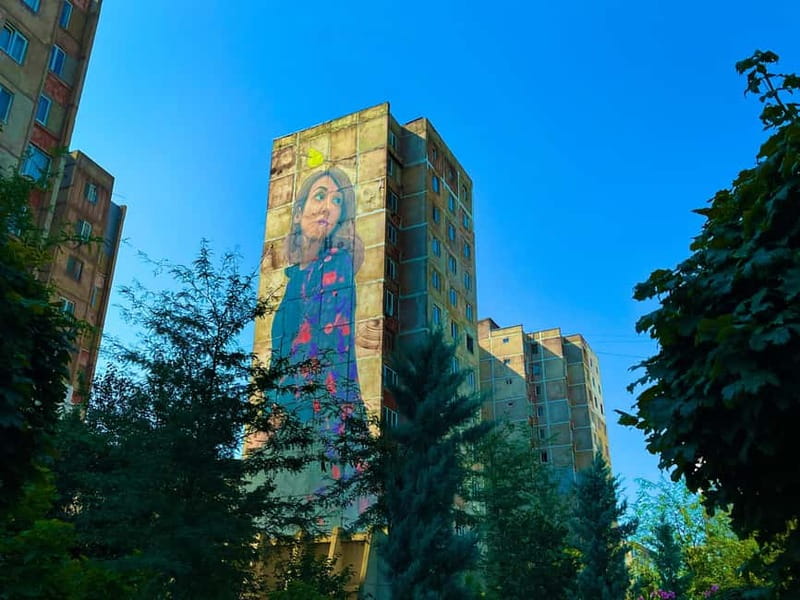
1) A Girl Mural By Sasha Korban
This is a strong opener: you get an instant “read” of the tour’s visual world—character-focused, expressive, and designed for photos. Expect time to take pictures and a guide to explain what’s going on behind the imagery.
2) Vake Park
Parks change how you experience street art. In a park setting, you can step back, watch people around you, and notice how murals and public space share the same human scale.
3) Locked Down Mural by Innerfields
A good mid-entry stop for mood. It’s the kind of wall work that makes you look twice because it feels like it’s talking back to the city.
4) NIKO Street Art: George Gamez – My moon mural
NIKO-branded street art is known for crisp storytelling in public spaces. This stop is likely to feel more stylized, like a mural meant for quick recognition and longer thought.
5) Mural by Nina.k / illustration by Gastronaut / powered by PURI GULIANI
This one highlights collaboration. When you see murals credited to multiple creators, you start understanding street art as teamwork, not just a solo act.
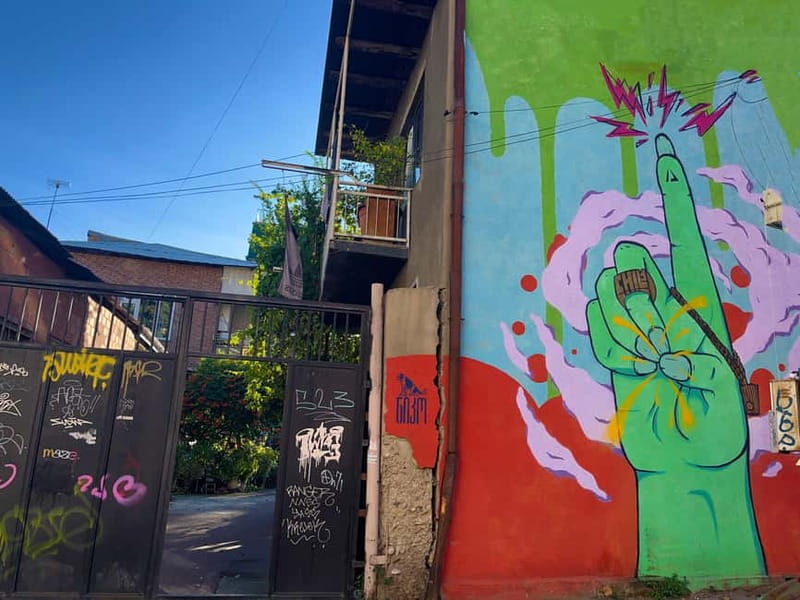
6) Hands Mural by Case_Maclaim
Hands are universal. Even when you don’t know the artist, your brain understands gestures, power, help, and refusal—so the guide’s story becomes the missing key.
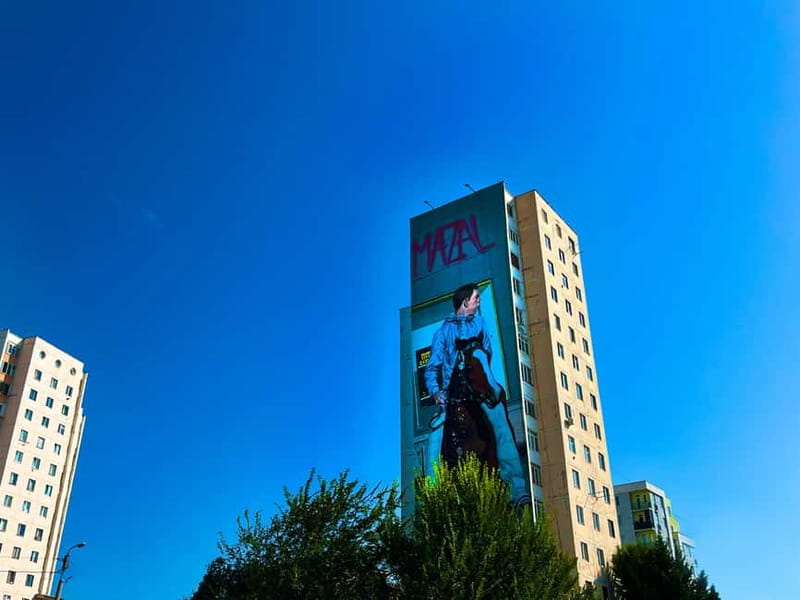
7) Horse Mural by Dante
Animals in street art often symbolize freedom, instinct, or cultural memory. With a guide, you’ll usually get the angle that connects the image to Tbilisi’s scene.
8) Zebras Mural by Snyder
Zebras bring movement and contrast. You’ll likely notice how the mural uses stripes and rhythm—then hear what that visual language means in context.
9) Mziuri Park
Another park moment, with a different energy than Vake. This is where the tour balances art with breath: you can look longer, frame different shots, and reset before the route starts clustering around more artsy districts.
10) Peacemakers Mural by Innerfields
Innerfields shows up again, which is useful because repetition lets you compare styles and themes. This stop should make you think about street art as messaging, not just decoration.
11) Pumpkin Lady Mural by ApheNoah
A fun-toned mural is important in a longer route. When the art turns playful, you stay engaged instead of becoming mural-blind.
12) NIKO Street Art: Tina Chertova – Supporting Girls mural
This is likely to land emotionally. The title alone signals the theme, and the guide will help you see how the visual design supports the message.
13) NIKO Street Art: Dilk & Feros – Nature mural
Nature murals in cities often feel like a “pressure valve.” You’ll get a change of pace while still in the same visual conversation.
14) NIKO Street art: Masholand – escape mural
Escape themes work well in an urban setting. The guide’s explanation is what turns it from a cool picture into something you can interpret.
Mid-Route Characters and Artists You’ll Want to Remember
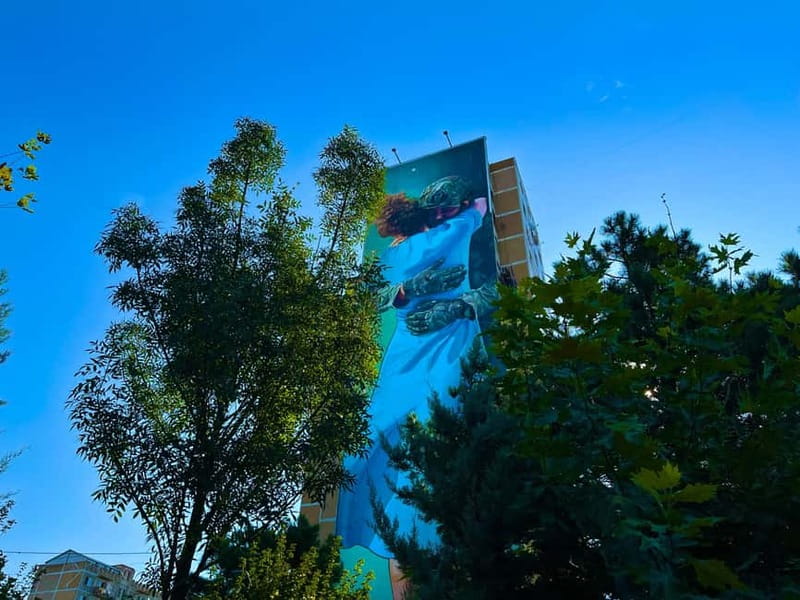
After the park and nature beats, the route shifts into more character-driven pieces. This is where you start collecting mental bookmarks—faces, symbols, and styles you’ll recognize later around town.
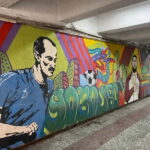
15) A Man with a Mustache Mural by Jokonda
A mustache can make a mural feel instantly human. It’s the kind of artwork where a guide’s story often explains why the character matters to the local scene.
16) Kids TMF – Mural by Musya Qeburia
Kids’ themes can shift street art from political to personal fast. This is the sort of stop that makes the city feel more lived-in.
17) TES club (pass by)
Not every stop is a mural full-on. A pass-by can still be useful if your guide points out how the art environment connects to where people spend time at night or after events.
18) NIKO Street Art: DANTE – Polar Bear mural
Polar bear imagery typically carries a strong emotional contrast—cold vs. safety, distance vs. closeness—so listen for the story behind the metaphor.
19) NIKO Street Art: Musya – the girl mural
Seeing Musya again (and the broader TMF theme) helps you recognize recurring creative voices. That continuity makes the route feel organized rather than random.
20) Mural by Dilk and Feros – Flying Painter inspired by Petre Otskheli
This one pays respect to a predecessor. When street art borrows from earlier cultural figures, you learn how the present scene threads into Georgia’s artistic lineage.
21) Marjanishvili Theater (pass by)
Passing a theater gives you an immediate sense of how public art sits beside formal performance spaces. Even if you don’t stop for a deep visit, it sharpens the cultural map.
22) Jansug Kakhidze Tbilisi Center for Music and Culture (pass by)
Another city-center cue. Street art doesn’t live in a vacuum here; it shares the stage with music and performance.
23) Georgian National Ballet “Sukhishvili” (pass by)
This pass-by helps you understand why street art in Tbilisi can carry tradition alongside modern messaging. You’re seeing the city’s cultural branding in two forms.
24) Vaso Abashidze State New Theatre (pass by)
More theater context—useful because it tells you the city’s creative identity is not one-dimensional.
25) Djansug Kakhidze Park (pass by)
Parks keep showing up as a theme. They act like visual galleries where the city can slow down.
26) Art Palace (pass by)
Even if you only pass by, your guide can connect what an art building represents to what street murals do in public.
Arts District Focus: More NIKO Pieces and a Workshop Stop
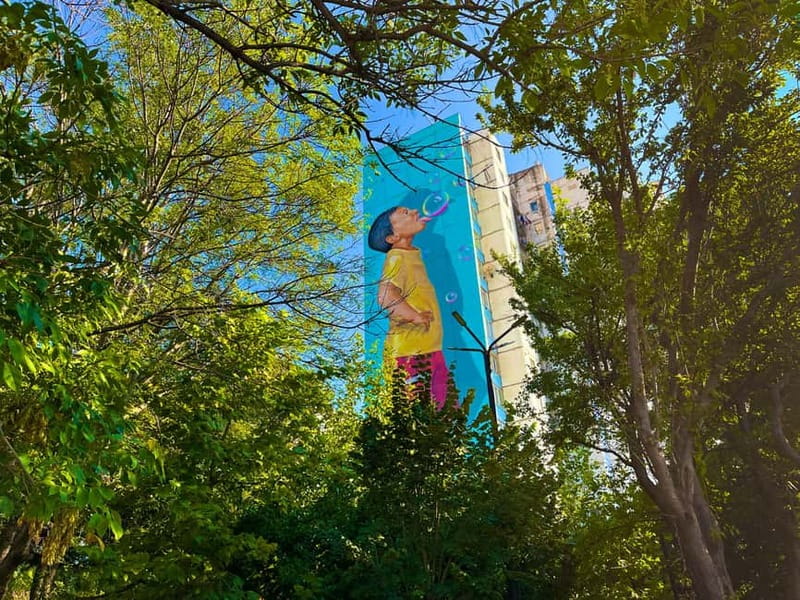
Now the route tightens toward art spaces and recognizable creative names. This is a great stretch if you like understanding the street art ecosystem, not just photographing it.
27) NIKO Street Art: Avtandil Gurgenidze Mural
Expect guided explanation on the figure’s meaning or the mural’s role in the area’s visual identity.
28) NIKO Street Art: Tina Chertova mural
You’ll get a sense of consistency across works by the same artist. If one mural felt emotional earlier, this one can add another layer.
29) NIKO Street Art: KUBA – Squid mural
Squids are rarely random in murals. The guide’s interpretation is usually what makes the creature feel intentional and not just decorative.
30) Musya’s WorkShop
This is a strong value-add because a workshop hints at the process. Even if you don’t stay long, it turns mural viewing into an art-creation mindset.
31) LC Queisser (pass by)
A pass-by stop can help connect street scenes to specific city institutions or landmarks.
32) Dante – Rhino Mural Street-art (pass by)
A rhino is an unmistakable symbol: strength, stubbornness, protection. With context from the guide, it becomes more than a dramatic animal graphic.
33) Tbilisi Music and Drama State Theatre (sightseeing)
Sightseeing here likely means a photo and a bit of context rather than a deep tour. Still, it’s useful for connecting performance culture to street symbolism.
34) Boris Paichadze Dinamo Arena (free time)
A sports landmark gives you a different slice of local life. It also breaks up mural density so your eyes can reset.
Fabrika Tbilisi and ART UP: Where Street Art Meets Its Surroundings
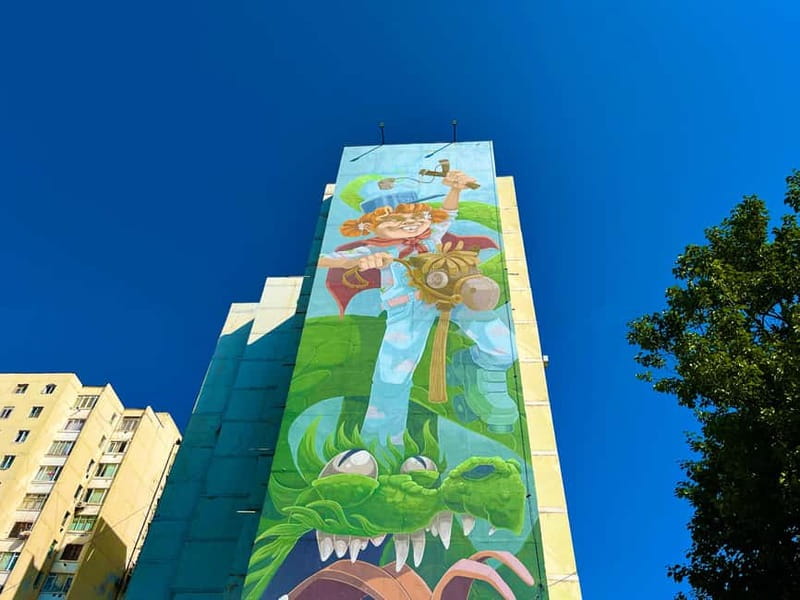
If the earlier stops are about seeing murals, the final stretch is about understanding where street art lives after the wall work is done.
35) Fabrika Tbilisi (photo stop)
This place tends to feel like a creative hub. Even in short time, it helps you see street art as part of a wider arts and maker culture.
36) ART UP – Street Gallery [Fabrika Tbilisi] (pass by with guided context)
This is a nice bridge: you move from outdoor murals into a more gallery-like format. If you enjoy turning photos into longer looking, this part is a strong end note.
37) Return to Tbilisi
By the time you head back, you’ll have enough named murals in your brain to point out styles even later while you’re doing your own wandering.
The Pace: How 2–5 Hours Feels in Real Life
The tour runs 2 to 5 hours. That range matters, because it changes how much you can linger at each mural and how often you rely on quick photo moments.
If you prefer a slower pace, choose the longer window and plan for walking fatigue even with transport. If you want variety without overcommitting, the shorter window can work well—but you’ll likely do more photo stopping and slightly less close reading.
The good news from guide feedback: the pace is planned, and pickup/drop-off tends to run smoothly.
What This Tour Is Best At (and Who Should Skip It)
This tour is ideal if you like:
- Street art with specific creators and stories, not just general “here’s a mural” commentary
- A route across neighborhoods so you see how Tbilisi’s art changes tone from place to place
- Mixing visual sightseeing with a Georgian lunch at a local eatery (the food stop is part of the experience)
It’s less ideal if:
- You want a heavy museum-style interior focus. This is mostly outdoor walls and creative context.
- You hate walking. Even with transport, there’s foot time between murals.
I think it’s a great fit for first-time visitors who want a clean way to learn the city’s art language quickly, and also for graffiti and mural fans who appreciate when a guide explains symbolism and placement.
Should You Book the Tbilisi 100+ Graffiti & Murals Tour?
Yes, I’d book it if your priority is seeing a lot of named murals in one organized arc, guided by people who connect street art to Georgian life. The $30 price makes sense because you’re buying structure: pickup, transport, coffee/tea, a guided route, and a meal break.
I would hesitate only if you’re the kind of traveler who prefers total freedom and no scheduled stops, or if you want long indoor museum time. Otherwise, this is one of the easiest ways to understand why Tbilisi’s walls feel like a public conversation.
FAQ
How long is the Tbilisi street art guided tour?
The tour duration is listed as 2 to 5 hours, depending on availability and start time.
What does the $30 per person price include?
It includes hotel pickup and drop-off, transportation during the tour, a professional English/Russian tour guide, a cup of coffee or tea, and bottled water.
What language is the tour guide?
The tour is available with live guides in English and Russian.
Is there a meal during the tour?
The experience description says you’ll enjoy lunch at a local eatery during the outing.
What should I bring or wear?
Bring comfortable clothes.
Are there restrictions on bags or luggage?
Yes. Luggage or large bags are not allowed.