REVIEW · ATHENS
Private Athens Street Art & Culture Tour
Book on GetYourGuide →Operated by Greeking.me · Bookable on GetYourGuide
Street art in Athens reads like a living city paper. With a street-artist guide (often Eugenia), you’ll see neighborhoods beyond the usual sights and learn how styles like tags, stencils, and paste-ups turn blank walls into social messages.
What I like most: the chance to spot major names such as iNO and Sonke up close, and the way the tour explains what the art is saying, not just how it looks.
One thing to keep in mind: this is a walking tour on city streets, and it isn’t suitable for pregnant women or people with mobility impairments.
In This Review
- Key highlights you’ll actually care about
- Starting at Monastiraki Metro Station: where the street art lesson begins
- Monastiraki to Psyrri: murals, paste-ups, and the art of paying attention
- Metaxourgheio and Gazi: the walk through Athens that keeps changing
- Learning the language of Greek street art: techniques and styles
- How political and social messages show up on Athens walls
- Photo stops and “scenic views” without making the route feel touristy
- Private-group value: up to 4 people, tailored pacing, real conversation
- Price and logistics: when this tour feels like a smart buy
- Who should book this Athens street art tour
- What to bring for a 3-hour street art walk
- Should you book this private Athens Street Art & Culture Tour?
- FAQ
- How long is the private Athens Street Art & Culture Tour?
- Where is the meeting point and where does the tour end?
- How much does the tour cost and how many people are in a group?
- Is the tour offered in English?
- Are food and drinks included?
- Is the tour suitable for everyone, including mobility impairments or pregnancy?
Key highlights you’ll actually care about

- Private, small-group format (up to 4) so your guide can keep the pace and route focused on what you want to see
- Non-touristic neighborhoods including Monastiraki, Psyrri, Metaxourgheio, and Gazi
- Street-artist guidance on technique and terminology: tags, stencils, paste-ups, throw-ups, bombings, and more
- Murals by recognized artists like iNO and Sonke, plus visual references tied to local political moments
- Politics and social commentary built into the walls, not tacked on afterward
Starting at Monastiraki Metro Station: where the street art lesson begins
The tour kicks off outside Monastiraki Metro Station. That matters because you’re starting where people actually move through the city, not where a bus drops you off. Athens street art changes fast, and beginning in a working neighborhood helps you understand the rhythm: new pieces appear, older work fades, and walls become a public sketchbook.
Right away, you’re set up to look differently. The guide (a street artist herself) doesn’t just point at walls; she helps you read them. You’ll learn how artists use everything from lettering style to paint texture to make an idea land quickly. And since the word graffiti traces back to a Greek word, the tour frames modern street writing as something with local roots, not a copied trend.
This is also where you’ll get practical orientation for the rest of the walk. If you’re planning to take photos, this early moment helps you set your eye and not just your camera. The route includes a photo stop and scenic views along the way, so you’re not spending all three hours in side streets with no payoff.
You can also read our reviews of more tours and experiences in Athens.


Monastiraki to Psyrri: murals, paste-ups, and the art of paying attention
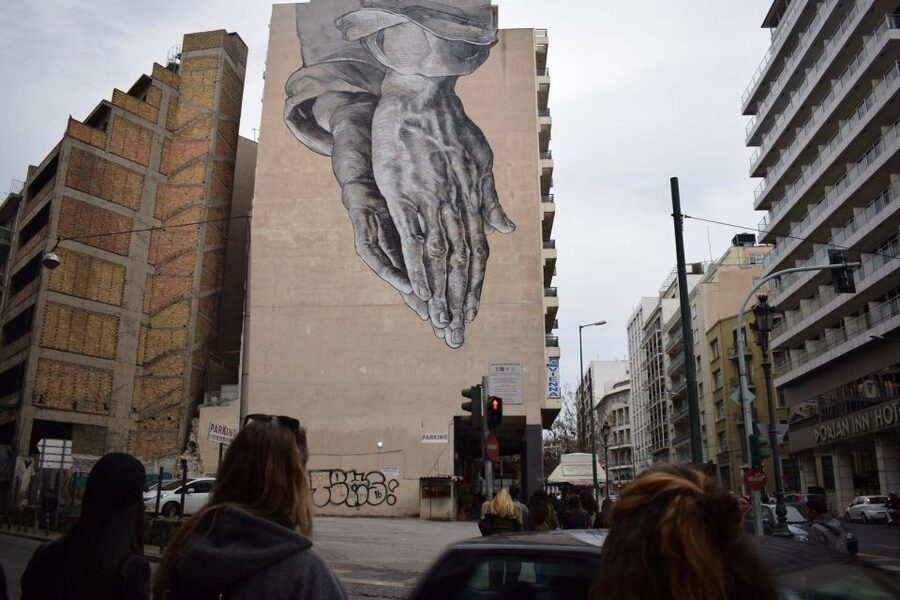
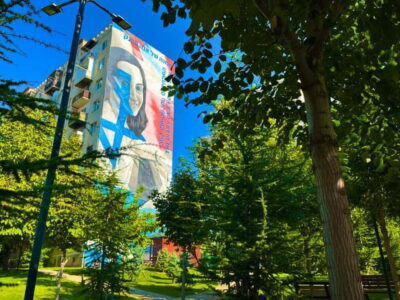
After meeting at Monastiraki, you move through the kind of streets where street art isn’t a rare event. You’re in areas that have grown a reputation for being open-air galleries, where you can see layers of work: fresh pieces beside older tags, big murals beside smaller sticker-like work.
In Psyrri, you’ll often find the art that rewards slow walking. This is where the tour’s guide-led approach really pays off. Athens has so much wall work that doing it alone can turn into a scavenger hunt with no map. With a guide who knows what to look for, you start seeing patterns: how certain artists build recognizable visual signatures, how color choices shift the message, and how technique changes the mood.
You’ll also get the terminology that makes the street art easier to understand. The tour covers styles and forms like:
- stencils (clean shapes and quick reproduction),
- paste-ups (image-and-text work placed like posters),
- throw-ups and bombings (fast, high-impact marks),
- and tags and larger pieces (from signatures to more finished lettering).
That vocabulary matters. Once you know the difference between a tag and a piece, you stop treating everything like decoration. You start seeing intention—how speed, location, and visibility affect what the artist can communicate.
Metaxourgheio and Gazi: the walk through Athens that keeps changing
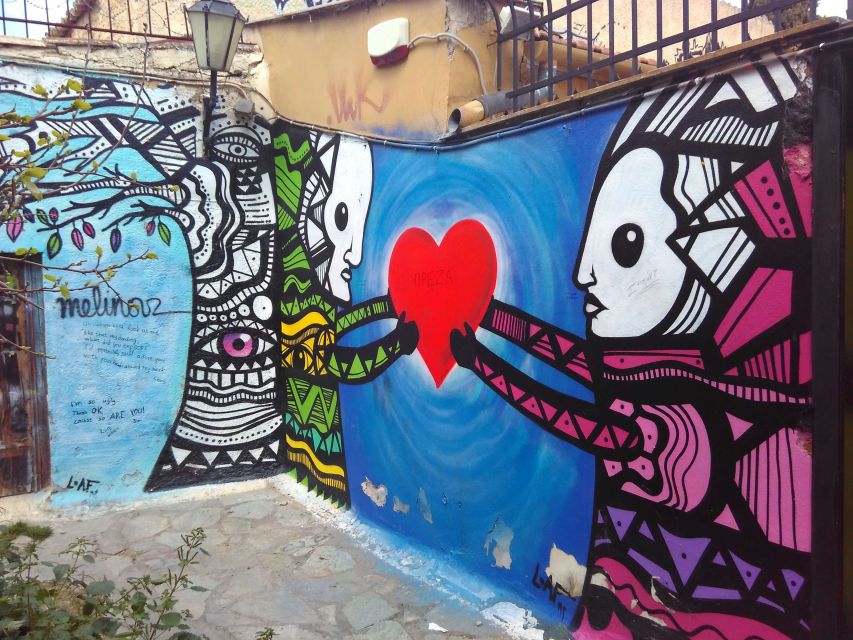
A big reason people love this tour is simple: Athens street art changes rapidly. The walls don’t hold still. That’s why this isn’t framed as a museum visit with fixed highlights. Instead, you’re getting an on-the-ground look at a living scene, where the “collection” keeps refreshing.
On the route you explore neighborhoods including Metaxourgheio and Gazi. These areas help show a spectrum of street art—from bold large works to more experimental forms. You’ll also hear about post-graffiti and guerrilla art, which is a fancy way of saying the city walls host everything from traditional-looking murals to more disruptive, quick-response interventions.
One of the best parts is that the guide talks about why street art has flourished here. Street artists in Athens aren’t just making artwork for artwork’s sake. The walls become a place for public speech—sometimes playful, sometimes confrontational, often political. As you walk, that theme keeps echoing through what you see.
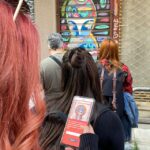
And yes, the route stays practical. You’re not being marched like a herd. The tour is private, so the guide can adjust. If you want more time on a big mural or you’d rather move on quickly when you’re not feeling a style, you can guide the pace in a way that fits you.
Learning the language of Greek street art: techniques and styles
This tour does a rare thing well: it teaches you how to classify what you’re looking at without turning it into a classroom. You’ll pick up the basics of graffiti culture and street-art craft, including how lettering and layout work.
You’ll hear terms tied to the visual details you’ll see on the walls, including:
- stencils
- paste-ups
- throw-ups
- bombings
- tags
- pieces
- murals
- installations
- wild-style graffiti
Once you know these words, you start noticing choices. For example, styles that prioritize speed and repeatability often feel more like signals. Larger murals and installations tend to act like statements—designed to be read, not just noticed. Wild-style graffiti, with its complicated interlocking letter forms, often feels like performance: the artist showing skill while still packing meaning into chaos.
One strong detail: the guide isn’t just talking. She’s explaining the scene using street-artist knowledge. That makes the tour feel grounded. And it helps English speakers too; I’m drawn to tours where the communication is clear, and this one is run in English, with guides who can switch between art talk and plain explanations.
How political and social messages show up on Athens walls
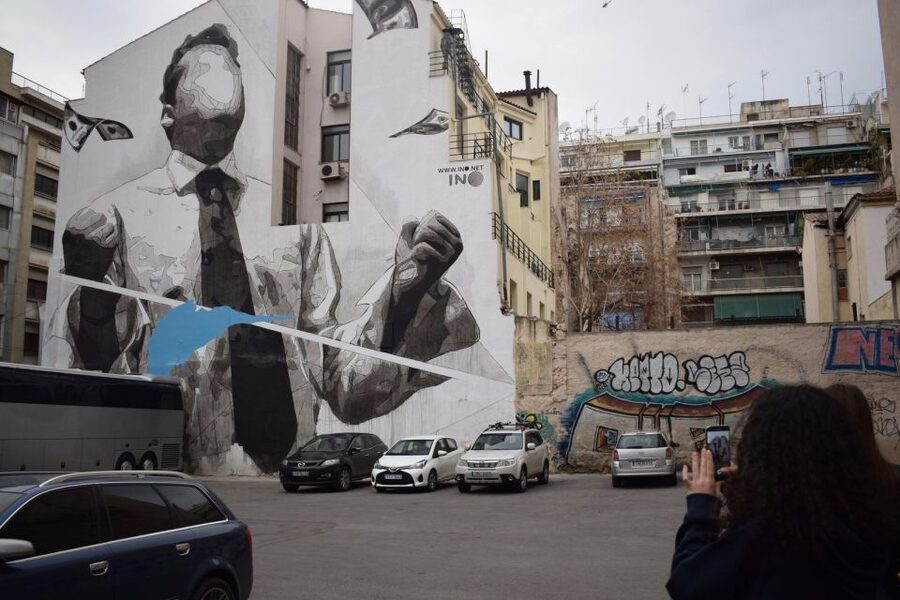
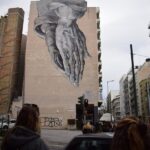
Street art here isn’t just about aesthetics. A core idea of this tour is that the walls carry political and social commentary. You’ll see how artists respond to the real-world mood around them—sometimes through direct symbolism, sometimes through parody, sometimes through character-based imagery.
You also get context for why those messages travel through art formats. A stencil can spread a message faster than paint alone. A tag can act like a signature of presence. A mural can recruit attention from people who might not read news. The street becomes a public bulletin board—one that changes hourly.
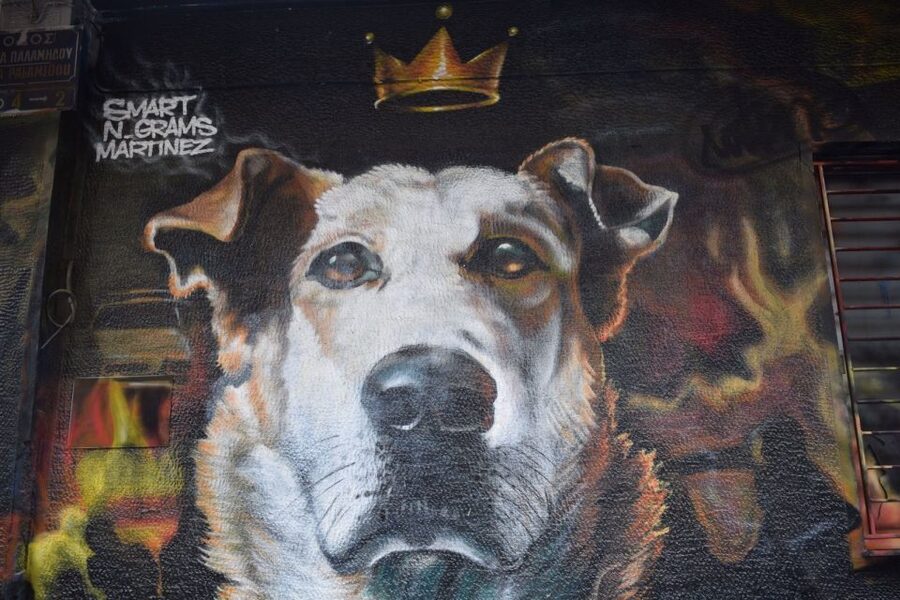
In Athens, that connection to politics feels especially real because the works you’ll see connect to local events and pressures. In one example, a piece connected to anti-austerity protests—featuring a dog character referenced online—shows how specific social moments can become part of the city’s visual memory. You don’t need to know the full background ahead of time. The guide helps you connect the dots as you walk.
What I like is the balance. You’re not hit with a single message and told to agree. Instead, you’re shown how street art can function as a debate: artists using the city to ask questions, push back, or reframe what people think they already know.




Photo stops and “scenic views” without making the route feel touristy
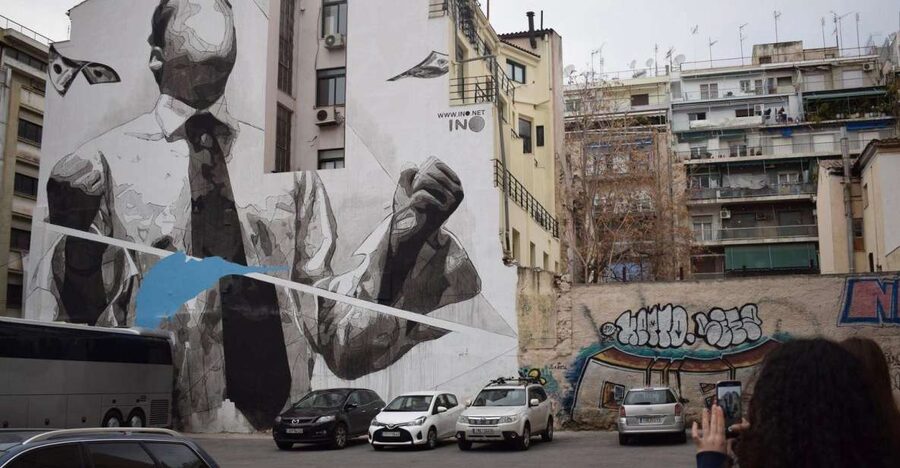
The tour runs about 3 hours, and within that window you get a mix of close-up art viewing and quick breaks for photos and scenic views along the way. That’s important in a city like Athens, where you can easily burn time if your route is only about hunting wall work.
Here, the photo stop is used as part of the learning rhythm. You’re not just taking pictures and moving on. You’re being pointed toward what makes an artwork worth documenting: composition, lettering style, and how the piece fits its exact wall and street context.
Practical note: because the art is often on building sides and small street corners, you’ll likely do a mix of looking up, sidestepping, and turning your head constantly. Bring comfortable shoes, and keep your phone or camera charged enough for the whole walk. If you’re serious about photos, plan for some time spent waiting for the right angle when the street is busy.
Private-group value: up to 4 people, tailored pacing, real conversation
This is a private group experience priced at $259 per group up to 4. That sounds straightforward, but here’s why it can be good value: street art tours can get repetitive fast when you’re just hearing a script for large groups. Private format means the guide can slow down for details you care about and speed up when you’re ready to move.
The guide is also a big part of the value. In past experiences with this tour concept, people have highlighted that the guide is friendly, prepared, and willing to tailor to the group’s wishes. One review specifically called out Eugenia for being terrific, very knowledgeable, and fun to talk with. Another praised how well the guide can adapt and how easy the English is to follow.
Even if you’re coming with kids or teens, the setup can work because you’re not in a lecture hall. You’re walking, seeing, and learning through visuals. One review mentioned that it was enjoyed by teenagers, including a family context with kids aged around 4. That doesn’t mean every child will love graffiti talk, but it does suggest the tone can be engaging rather than stiff.
Price and logistics: when this tour feels like a smart buy
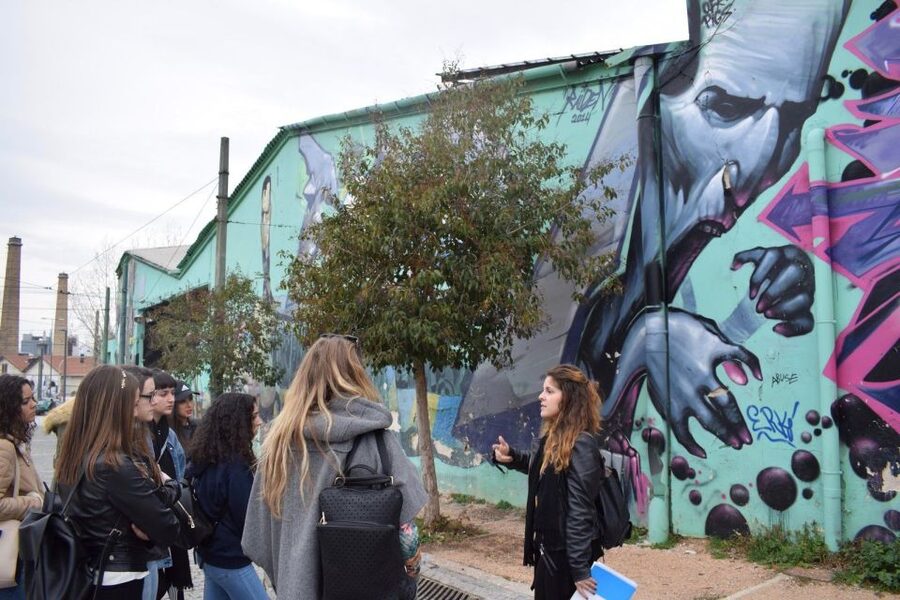
At $259 for up to 4 people, the cost per person depends on how many of you book. If you’re two friends, it’s still a reasonable way to get guided access to the street-art scene without spending your whole afternoon lost. If you’re a family or a small group of four, the math gets better quickly, because you’re splitting the guide time.
You’re paying for three things:
- a guide who knows what to look for and can explain techniques and terminology,
- access to non-touristic neighborhoods, where the best street work often lives away from the big sight hubs,
- and time efficiency, since you’re walking a focused route over about 3 hours rather than wandering.
Also, it’s run in English, so you won’t need to translate on the fly.
One other small confidence booster: the tour offers free cancellation up to 24 hours in advance and reserve now, pay later, so you can plan without locking everything in too early.
Who should book this Athens street art tour
This tour fits best if you want Athens to feel current and human. You’ll enjoy it if:
- you like contemporary art and can appreciate it outdoors,
- you’re curious about how culture and politics show up in everyday places,
- you want a guide to help you identify styles like stencils and paste-ups,
- and you prefer a private, small-group walk rather than a big group march.
It’s less ideal if you need a very low-impact route. The information provided says it isn’t suitable for pregnant women and people with mobility impairments, and that’s a clear signal that the sidewalks and street conditions may be uneven at times.
What to bring for a 3-hour street art walk
Keep it simple and practical. You’re outside, moving between neighborhoods, and watching for art on walls rather than inside. I’d bring:
- comfortable walking shoes,
- a charged phone/camera,
- water (since food and drinks aren’t included),
- and weather protection if Athens is hot or windy.
If you’re planning to shop or eat afterward, consider doing that after the tour. You’ll likely burn most of the 3-hour window looking closely at murals and small details.
Should you book this private Athens Street Art & Culture Tour?
I think it’s worth booking if you want Athens beyond the headline monuments and you enjoy learning how art works in real places. The strongest reason to choose this tour is the combination of street-artist guidance plus a route through Monastiraki, Psyrri, Metaxourgheio, and Gazi, where you can actually see the city’s contemporary language.
If you’re traveling with a small group and you like your experiences guided but not stiff, this hits the sweet spot. Skip it only if walking limits your day or if you’d rather spend time in indoor museums instead.
If street art is even a mild interest for you, you’ll leave with more than photos. You’ll leave with a way to look at Athens that stays useful long after the walk ends.
FAQ
How long is the private Athens Street Art & Culture Tour?
The tour lasts 3 hours.
Where is the meeting point and where does the tour end?
You meet outside Monastiraki metro station. The tour ends at Omonoia Square, Athina 104 31, Greece.
How much does the tour cost and how many people are in a group?
It costs $259 per group and serves up to 4 people.
Is the tour offered in English?
Yes, the live tour guide provides the tour in English.
Are food and drinks included?
No. Food and drinks are not included.
Is the tour suitable for everyone, including mobility impairments or pregnancy?
It is not suitable for pregnant women or people with mobility impairments. It is listed as suitable for all ages otherwise.