REVIEW · ATHENS
Athens: Guided Street Art Walking Tour
Book on GetYourGuide →Operated by Alternative Athens · Bookable on GetYourGuide
Athens talks back in spray paint. This guided street art walk turns walls into a map, with a guide who explains what you’re seeing and why it matters. You get street art detective work and a serious look at Athens beyond the big sights.
I especially liked the way the tour uses real neighborhood context, not just photos of murals. You’ll spend three hours learning how to read the symbols, names, and references hiding in plain sight, including artists such as WD, iNO, and Moralez.
One consideration: it’s a walking tour with no transport included, and it’s not set up for wheelchair users or people with mobility impairments. Bring comfortable shoes, expect uneven city surfaces, and plan to stay on your feet.
In This Review
- Key Points You Should Care About
- A City You Read Like a Wall
- What Street Art Means in Athens (Not Just What It Looks Like)
- The Guide: When the Explainer Is Also an Artist
- Price and Value: Is $57 Worth Three Hours?
- Meeting at the Association of Greek Archaeologists (and Getting There Fast)
- Psyri: The Tour’s First Lesson in Reading the City
- Gazi: Where Contemporary Athens and Street Messaging Collide
- Monastiraki: Styles, Artist Names, and the Stories Between Cracks
- Finish in Psyri: Turn the Walk into an Evening Plan
- Who This Tour Is Best For (and Who Might Skip It)
- What to Bring (So You’re Comfortable for the Full 3 Hours)
- Should You Book This Athens Street Art Walking Tour?
- FAQ
- How long is the Athens Street Art Walking Tour?
- What does the tour cost?
- Where do I meet the guide?
- What neighborhoods does the tour cover?
- What’s included in the price?
- What language is the tour conducted in?
- What should I bring?
- Is it suitable for wheelchair users or people with mobility impairments?
- Is private group available?
Key Points You Should Care About

- A street artist guide who helps you interpret the meanings behind what you see on the street
- Three central neighborhoods that many visitors skip, including Psyri, Gazi, and Monastiraki
- Crisis-era messaging in the artwork, with economic and social themes explained as you walk
- Artist names and styles you can actually identify, like WD, iNO, Moralez, and others
- A 3-hour pace that’s long enough to connect the dots without turning into a marathon
- Well-placed ending in Psyri, so you can keep exploring after the tour winds down
A City You Read Like a Wall
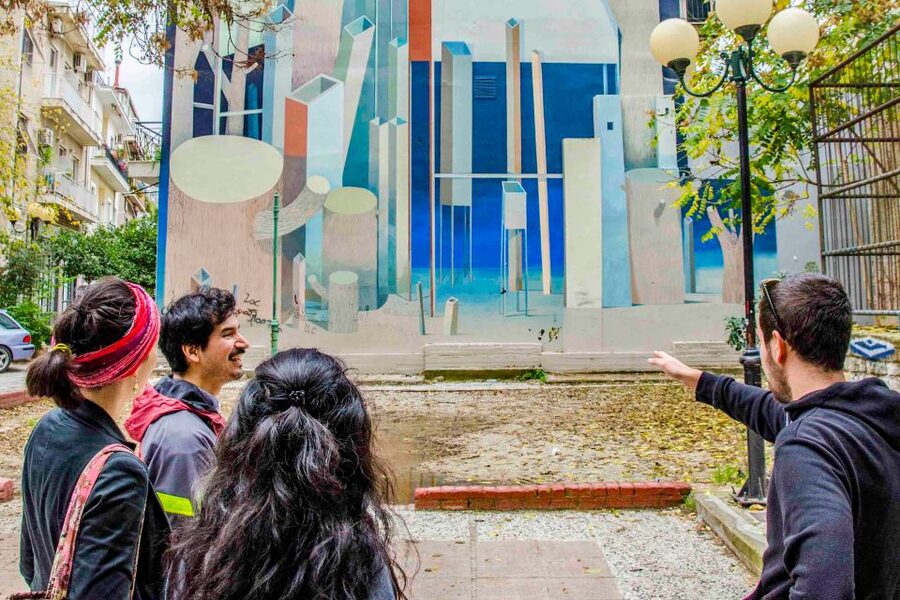
If you’ve only seen Athens from the top down, you’ll feel the difference fast. This tour takes street art seriously—as a way people process life, politics, and frustration in public. You’ll walk through central neighborhoods where the city feels current, not museum-only.
What makes it work is the guide’s framing. Instead of treating graffiti like random decoration, you learn to look for patterns: recurring characters, repeated symbols, and the way different artists use their own visual language. That turns the walk into something you can reuse later, even after you’ve left.
And yes, you’ll still enjoy the artwork on its own terms. But you’ll also understand why some pieces feel loud, urgent, funny, or bitter. Athens doesn’t just show beauty here—it shows debate.
You can also read our reviews of more tours and experiences in Athens.


What Street Art Means in Athens (Not Just What It Looks Like)

Street art in Athens often works like street-level journalism. The tour focuses on deciphering hidden messages—especially those connected to Greece’s economic and social crisis in recent decades. That matters because it changes how you view the imagery. A tag isn’t just a signature; it can be a statement about identity, power, or survival.
You’ll also get a quick way to think about the medium itself. The tour introduces street art’s origins in the Greek capital and points out how styles developed over time. By the time you reach later stops, you’re not staring at walls—you’re reading them.
A huge plus: you don’t have to be an art expert. The guide breaks down what to notice, then points out how that translates into message. If you’ve ever wondered how people “get” graffiti, this is where the light clicks on.
The Guide: When the Explainer Is Also an Artist

This isn’t the usual walking tour where the guide points and moves on. The experience is led by a street artist guide, and the vibe is part teacher, part local interpreter. In past groups, guides have included people like Nikos Rude (often called Nico), along with other artist-guides such as Pavlina, Elisabeth, and Achilles.
Even if you don’t know these names before you arrive, the effect is the same: you’re getting context from someone who understands the craft. That’s why the discussions tend to feel specific. When the guide explains why an artist chose a particular style or character, it lands better than generic symbolism.
Also, the pacing leaves room for questions and reactions. You’re encouraged to share what you think, not just listen. That keeps it lively—especially if you bring teens, who often spot inconsistencies faster than adults do.
Price and Value: Is $57 Worth Three Hours?
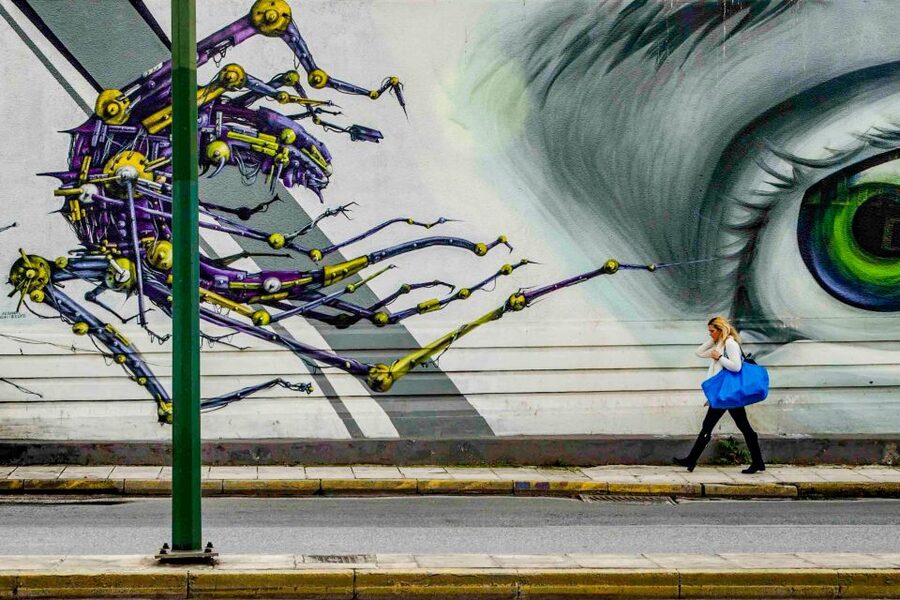
At $57 per person for a 3-hour guided walking tour, the value is less about the distance and more about access. You’re paying for interpretation—an expert guide who can translate street art into language you can understand. Without that, you can still spot graffiti in Athens, but you’re likely to miss the story inside it.
The tour includes the street artist guide and the walking portion. What’s not included is transportation, so you should assume you’ll manage your own metro or walking to the start.
If you like art that has opinions, politics that has texture, and neighborhoods that feel used by real people, this cost makes sense. If you only want high-ticket museums and ancient ruins, the price might feel steep for a wall-focused outing. But if you want Athens’s contemporary pulse, you’re paying for exactly that.
Meeting at the Association of Greek Archaeologists (and Getting There Fast)

Your meeting point is in front of the Association of Greek Archaeologists. Conveniently, you can reach it via public transport: take the green line train to Thissio, or the blue line to Monastiraki Metro Station and then walk along Adrianou Street.
This is practical for two reasons. First, it reduces the stress of trying to find a random alley. Second, it places you right at the edge of central walking routes, so your first steps feel like part of the plan rather than a warm-up hike.
You’ll start with options that include Thiseio (Thēseio), and then the tour moves into the neighborhoods on foot. Build in a little buffer time so you’re not rushing to match the group’s start pace.






Psyri: The Tour’s First Lesson in Reading the City

Psyri is where the walk begins to feel like a conversation. Expect to start noticing how the city uses walls as messaging space—often with references that only connect when you learn the local context. This neighborhood is one of the tour anchors, and it’s a strong first stop because it sets the tone.
Here’s the key: the guide doesn’t only show art. You also learn how to interpret it—what to look for, how to connect style to artist identity, and how themes show up across pieces. The result is that later stops feel easier, because you already know what questions to ask your eyes.
You’ll also get a taste of the contemporary Athens angle: the tour frames the artwork around real social conditions, including the hardship and friction people have dealt with in recent decades. That gives the walk emotional weight without turning it into a lecture.
Gazi: Where Contemporary Athens and Street Messaging Collide

Next comes Gazi, another neighborhood built for layers. This is where you’ll likely start recognizing repeated themes more clearly, especially how the crisis-era stories show up visually. Artists may shift tone piece to piece—some work feels confrontational, others feel ironic, and some lean more into creative play.
You’re not just collecting stops; you’re building a mental timeline. The guide helps you connect what you’re seeing to the evolution of street art in Athens, including how artists develop their own signatures and visual habits.
One nice thing about this segment: it balances interpretation with actual enjoyment. If you’re the type who likes to look closely, you’ll appreciate how the guide points out small details that change the whole meaning. If you prefer the big picture, you’ll still get clear takeaways without needing to memorize names.
Monastiraki: Styles, Artist Names, and the Stories Between Cracks
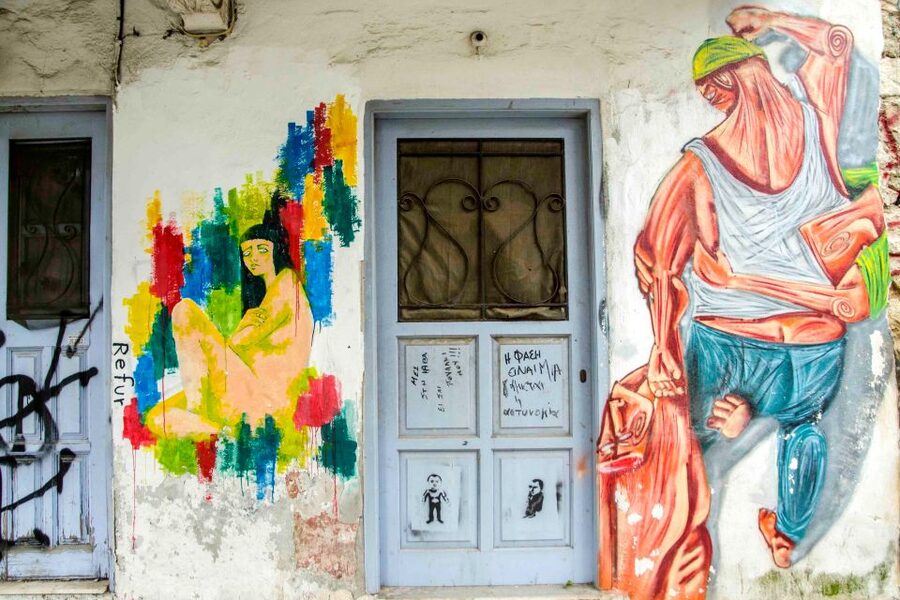
Then you move to Monastiraki, where the street art feels like part of the neighborhood’s fabric rather than a “tour attraction.” This stop is important because it’s a place where you can compare what you saw earlier and notice differences in style and tone.
You’ll get exposed to more artists and more interpretations, including the kind of street-art vocabulary that makes Athens start to make sense. The tour specifically includes learning about artists such as WD, iNO, Moralez, and others. Even if you remember only a couple names, you’ll walk away with a method for reading new pieces on your own.
In this neighborhood, the tour’s focus on decoding messages really takes shape. Economic and social conditions—especially hardship and ongoing tensions—tend to appear as recurring themes. The guide helps you understand how artists express those pressures without using traditional news language.
Drawback to keep in mind: because it’s a walking tour, your energy levels matter. If you rush, you’ll miss details. If you slow down when the guide stops, you’ll get more out of it.
Finish in Psyri: Turn the Walk into an Evening Plan

The tour finishes back in Psyri, which is a smart ending for practical travel reasons. You’re placed close to where you started, but by the time you reach the end, you’ll see the neighborhood differently. You’ll notice street art you might have ignored at the beginning—now that you know what to look for.
This also helps with planning. After three hours, you can comfortably pivot to food or a final wander without having to reorganize your entire route. If you want to keep that street-level Athens feeling going, Psyri is where you can do it.
And you’ll likely leave with opinions. That’s a sign it worked. The guide’s approach encourages reactions, and you’ll probably notice yourself “reading” other walls around you later that day.
Who This Tour Is Best For (and Who Might Skip It)
This walk fits you best if you:
- care about street art as communication, not just decoration
- want an Athens experience that goes beyond ancient sites
- like neighborhoods with contemporary character, not just landmarks
- enjoy learning with a guide who can explain the meaning behind what you see
It’s also a solid pick for families with teens. Several groups noted that younger people enjoyed the pace and context, especially when the guide connects art to politics and everyday life.
You might skip it if:
- you can’t do steady walking for about three hours
- you want a strictly classical Athens itinerary
- you dislike politics showing up in art
What to Bring (So You’re Comfortable for the Full 3 Hours)
Keep it simple. Wear comfortable shoes. That’s the main item the tour asks for, and it’s correct. You’re walking through central neighborhoods on city terrain, and the best experience comes when your feet aren’t distracting you.
Also, if you’re the type who takes photos, bring enough battery. Some pieces are easy to spot from a distance, but the best ones reward close viewing—which you’ll want to remember later.
Should You Book This Athens Street Art Walking Tour?
Yes, if you want Athens with a pulse. This tour gives you street art context tied to real social conditions, and it does it in a way that feels practical on your feet. The guide approach—street artist explanations, artist names like WD, iNO, and Moralez, and a focus on deciphering messages—turns a random graffiti hunt into an Athens lesson you can actually use.
If you only want ancient monuments and you’re not interested in contemporary city culture, you may feel like you paid for walls. But if you’re curious how people express themselves under pressure, and you like discovering neighborhoods you’d miss on your own, this is a strong use of three hours.
In short: book it when you want to get underneath Athens’s surface and learn how the city speaks in public.
FAQ
How long is the Athens Street Art Walking Tour?
The tour lasts 3 hours.
What does the tour cost?
The price is $57 per person.
Where do I meet the guide?
Meet in front of the Association of Greek Archaeologists. You can get there by taking the green line to Thissio, or the blue line to Monastiraki Metro Station and walking along Adrianou Street.
What neighborhoods does the tour cover?
You’ll visit three neighborhoods, including Psyri, Gazi, and Monastiraki, and the tour finishes in Psyri.
What’s included in the price?
Included are the street artist guide and the walking tour.
What language is the tour conducted in?
The tour is offered with a live guide in French and English.
What should I bring?
Bring comfortable shoes.
Is it suitable for wheelchair users or people with mobility impairments?
No. It is not suitable for wheelchair users or people with mobility impairments.
Is private group available?
Yes, a private group is available.