REVIEW · BUENOS AIRES
Private Street Art Tour in Buenos Aires
Book on GetYourGuide →Operated by Guydeez · Bookable on GetYourGuide
Buenos Aires murals are the real guide. This private street art tour turns urban art into a way to understand neighborhoods, from big walls to side-street installations, in just 3 hours. You move at walking pace, with smart help from a guide who can steer the route toward what you care about.
I especially like two things: the guide-driven storytelling and the fact that the tour can be shaped around you. In Palermo, guides like Emiliano bring the murals to life with clear, fluent English, plus plenty of context about Argentine culture beyond art. And when Maria Laura leads, the focus stays on showing the strongest frescos and connecting them to how Argentina has changed over time.
One drawback to consider: if you want a classic sightseeing checklist (big monuments, set stops, zero flex), this walk can feel a bit free-form. Because it’s private and customizable, you’ll get the best experience if you tell your guide your must-sees up front.
In This Review
- Key things to know before you go
- How a Palermo street-art walk reads like a map
- Murals, graffiti, and installations: what to look for
- Your 3-hour walk in Buenos Aires: the rhythm and the stops
- 1) Meet up and set your direction
- 2) First cluster: learn how to read the artwork
- 3) Side streets and alleyways: patterns and layering
- 4) A hop to the next area (by public transport, when needed)
- 5) Wrap-up: connections beyond art
- Price and logistics: is $53 worth it?
- Who this street art tour suits best (and who should think twice)
- Should you book this private street art tour in Buenos Aires?
- FAQ
- How long is the private street art tour?
- Where does the tour take place?
- Is this tour private?
- Can the tour be customized?
- What languages are the live guides?
- Is hotel pickup included?
- Do I need local transportation during the tour?
- Is the tour wheelchair accessible?
- What’s included in the price?
- What is not included?
Key things to know before you go
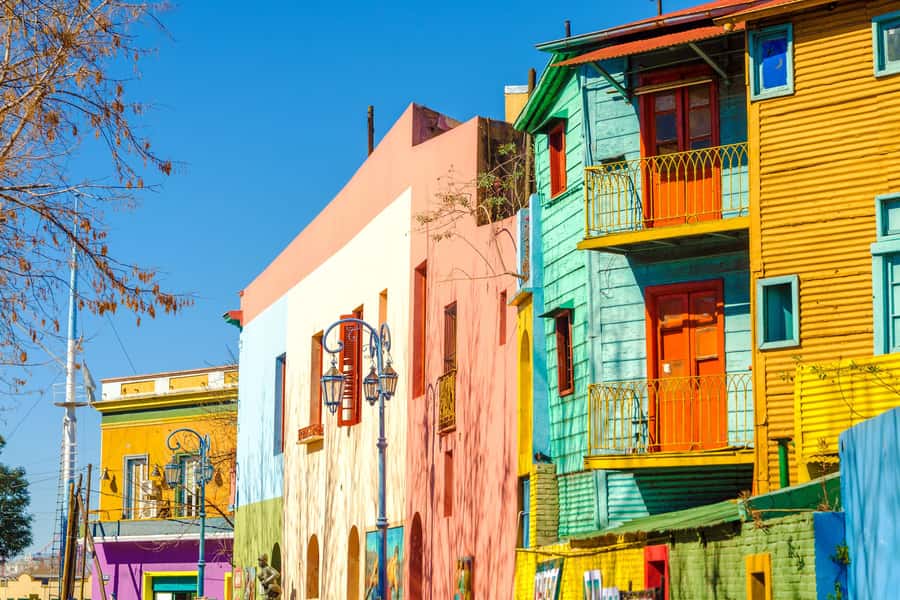
- Palermo is a common focus, and the guides know their way around the mural clusters.
- Private means personal: the route adjusts to your interests instead of forcing one fixed loop.
- Art plus Argentine context: expect conversations that can swing into food, culture, politics, football, and music.
- 3 hours is a tight, good length for street art without wiping you out.
- Walking-led with optional public transport: you get to see details on foot, then hop where needed.
- Multiple languages available: Spanish, English, French, and Italian.
How a Palermo street-art walk reads like a map
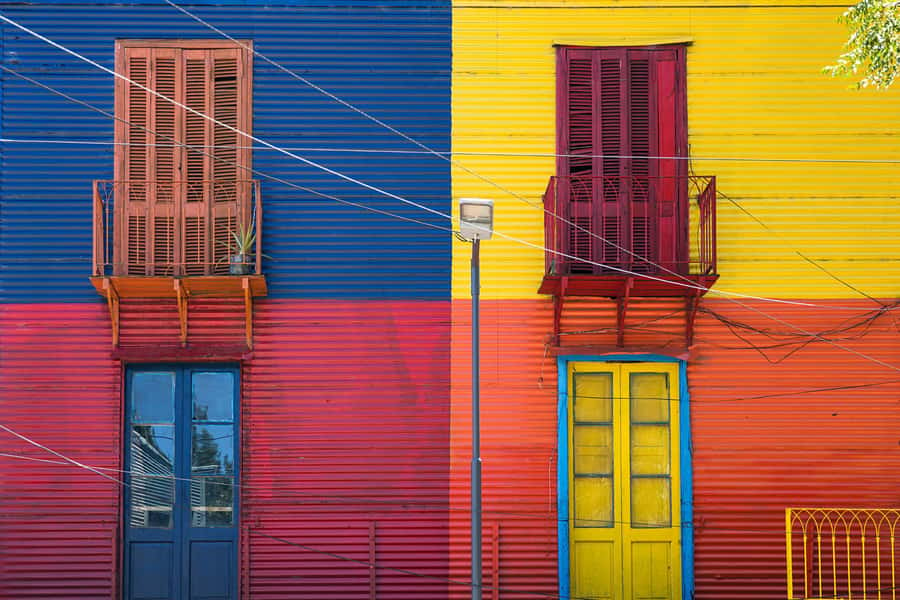
Street art in Buenos Aires isn’t just decoration. It’s a kind of public conversation, using walls, alleys, and corners to talk about identity, change, and what people want to say. That’s why a private walking tour works so well here: you’re not just looking at images. You’re learning how to read them.
The tour’s best advantage is the way your guide can connect what you’re seeing to the neighborhood around it. In Palermo, Emiliano’s style is a great example of what you’re paying for: engaging explanations tied to the murals, delivered in easy-to-follow English, with a friendly tone that keeps things moving. And he doesn’t stop at art—he also shares practical tips and suggestions after the walk, including other sights, tours, and restaurant ideas.
If you’re the type of person who wants to understand a city through everyday details, this is a strong fit. You’ll likely notice more layers than you would on your own—how the art changes from one block to the next, how artists reuse space, and how different styles show up in public.
The flip side: you don’t get a rigid script. That’s good for customization, but it means your experience depends on your communication. If you have a few specific “must-see” goals (for example, specific neighborhoods or a style you want more of), say so early. Otherwise, the guide may choose a path that matches their usual route rather than yours.
You can also read our reviews of more tours and experiences in Buenos Aires.

Murals, graffiti, and installations: what to look for
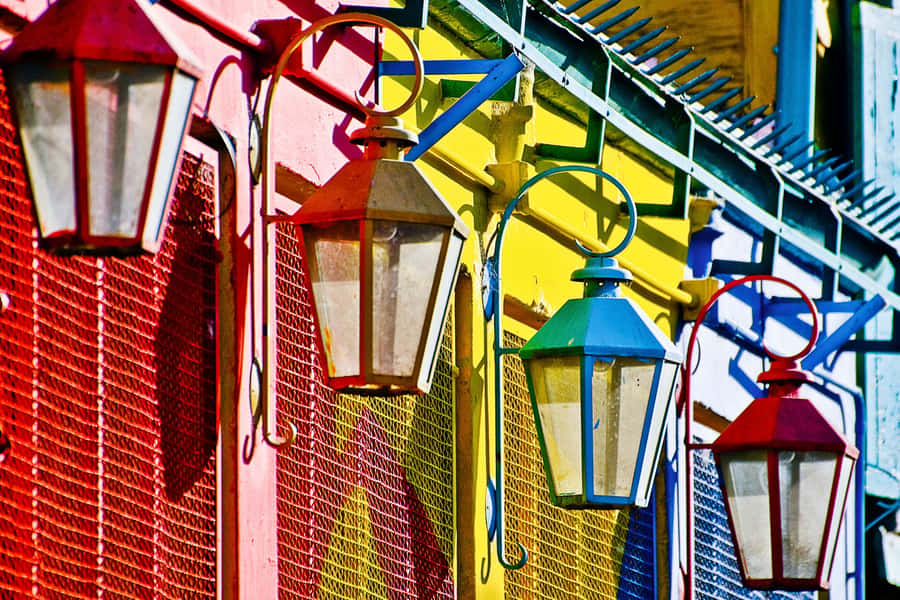
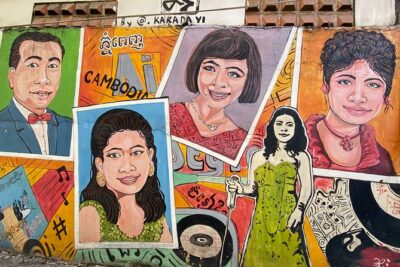
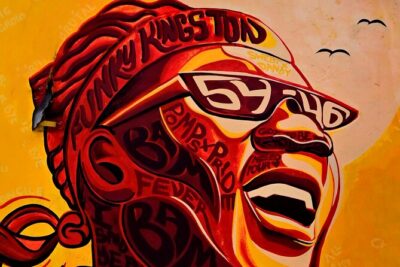
This is a street art walk, so the content stays focused on art you can see directly in the city: murals, graffiti, and street installations across facades, alleyways, and public spaces. You don’t have to be an expert. Your guide’s job is to give you a framework so the art makes sense even if you’re brand-new to Argentine urban art.
Here’s what I’d pay attention to during the tour:
- Scale and placement: a mural high on a façade can feel like a statement; a smaller piece in a side passage can feel more personal.
- Style changes: you’ll often see shifts in color, lettering, realism, or abstraction as you move through different pockets of the neighborhood.
- Layering: street art in Buenos Aires often shows up in layers—works over works, newer messages on top of older ones. That helps you see the neighborhood’s evolution over time.
- The human context: guides like Emiliano tend to connect art to Argentine life, which can mean hearing how politics or culture shows up in visual choices.
- How stories spread: the best street art tours teach you that the city becomes a timeline you can walk through.
One review experience in French described Maria Laura as warm and welcoming, showing some of the best frescos and explaining a lot about Argentine history along the way. That’s a useful reminder of the tour’s core value: you’re not only observing paint and paste. You’re picking up cultural context that helps you understand why these works exist and why they keep changing.
Your 3-hour walk in Buenos Aires: the rhythm and the stops
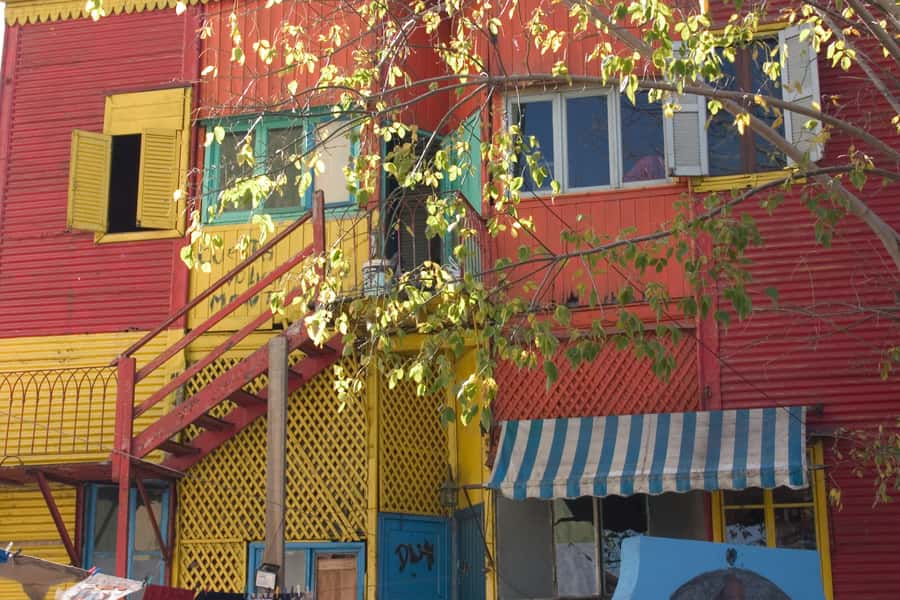
You’re looking at a 3-hour private walking tour, which is a sweet spot: long enough to see multiple clusters of street art, short enough to stay energetic. The general flow is designed around walking first, then using public transport only when it helps you reach the next area without burning time.
Even though the exact streets can vary by your preferences, the structure is usually something like this:
1) Meet up and set your direction
If you’re staying in the city, hotel pickup is available and you’ll meet your guide at your accommodation. This early step matters. A good guide quickly learns what you care about—specific styles, particular neighborhoods, or how much you want the conversation to include politics and culture.
This is also where you can steer your route. If you want more Palermo-focused art, ask for it. If you want more side streets instead of bigger mural walls, ask for that too.
2) First cluster: learn how to read the artwork
Early on, expect stops where the guide explains themes and visual choices. This is often where you get your “decoder ring” for the rest of the tour: what symbols mean, how artists may be responding to the world around them, and how to connect form to message.
If you’re using English or another language, Emiliano’s approach is a good reference point—clear and easy to understand, with enough detail to feel satisfying without turning into a lecture.
3) Side streets and alleyways: patterns and layering
As you go, the tour leans more into the textures of the neighborhood—alleyways and smaller public corners where street art feels more like an ongoing dialogue than a planned display. This is where you may notice layering, reuse of walls, and the contrast between different art styles.
This portion is also where you’ll get the most out of a private format. You can ask questions without holding up anyone else, and your guide can adjust the pace to what you’re noticing.
4) A hop to the next area (by public transport, when needed)
The tour includes walking plus public transport (except if you select one of the options). That usually helps you cover more in 3 hours without turning it into a long slog across the city.
You’ll still get the street-level experience, but this is the moment where you might transition between zones. It also keeps the tour balanced: art stops stay meaningful, and the timing stays realistic.
5) Wrap-up: connections beyond art
Expect a final portion that ties everything together—what you saw, how it fits Buenos Aires as a whole, and where you can go next. In at least one Palermo-led experience, Emiliano gave extra follow-up suggestions for other sights, tours, and restaurants, which is exactly the kind of practical help that turns a great walk into a better whole trip.
If you like planning, ask for a short list of what to do next based on your interests (food vs. culture vs. more street art). It’s often more useful than random browsing.
Price and logistics: is $53 worth it?
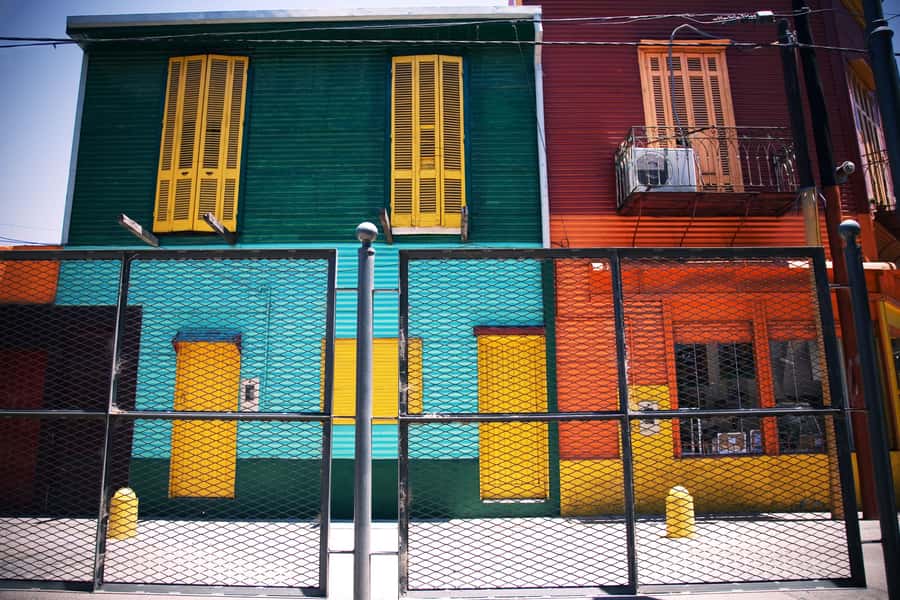
At $53 per person for a private 3-hour street art tour, the real question is value, not just cost. Here’s what justifies the price based on how these tours function:
- Private guide time: you’re paying for a guide who can focus on your pace and your questions.
- Customization: you’re not forced into one fixed itinerary, which matters a lot for street art where the best viewing areas depend on what you want.
- Language options: English, Spanish, French, and Italian are available, so you don’t need to risk miscommunication.
- Efficient coverage: walking first, public transport when needed, all within a tight 3-hour window.
Also, hotel pickup (when you’re in the city) reduces friction. You spend less time figuring out how to meet up and more time actually looking at art.
One more value point: the tour includes support from the team to help book tickets for desired visits. The specific places you’ll add aren’t spelled out here, but the service can reduce planning stress if you want to add something nearby after your walk.
What’s not included is local transportation around the city beyond the walking plus the included public transport segment. So if your plan is to do several far-apart neighborhoods in a single day without thinking, you’ll still need your own transport arrangements.
Who this street art tour suits best (and who should think twice)
This tour is a strong match if you:
- want a street art walk rather than a standard monuments route
- like learning how art connects to culture, politics, and everyday life
- enjoy being able to ask questions and shape the route
- want a guide-led experience in a language you’re comfortable with
It’s also a good option if you’re staying in or near central areas where hotel pickup applies, because it reduces the time you lose to logistics.
It might feel less satisfying if you:
- want a strict checklist of famous stops with no flexibility
- don’t want to talk at all and would rather just wander independently (because the tour value is in interpretation)
- don’t communicate your priorities, since a customizable route can drift toward what your guide thinks is best
That last point matters. One experience reported the tour felt like it didn’t stick to main sightseeing goals. Your way to prevent that: tell your guide what you consider a successful outcome. Even one sentence helps.
Should you book this private street art tour in Buenos Aires?
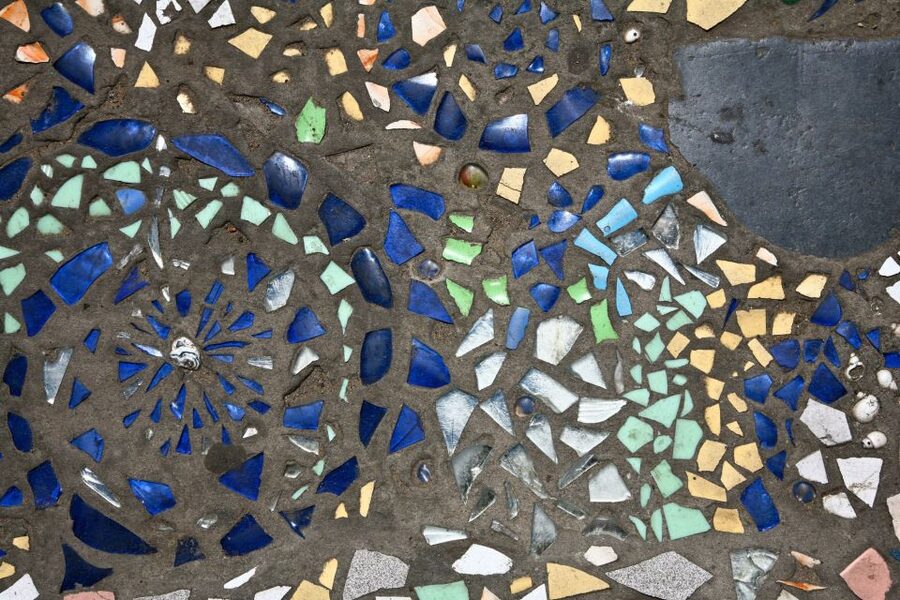
Book it if you want Buenos Aires through its street-level voice and you value a guide who can explain what you’re seeing in a way that feels clear and human. For many people, the biggest win is the combination of street art focus and Argentina context, with guide styles like Emiliano’s Palermo approach standing out for clarity in English and strong engagement.
Skip or rethink if you’re chasing only the biggest, most predictable sights, because this tour is designed around murals, graffiti, and installations—not a landmark marathon. Also, treat it as a partnership: the private format works best when you set expectations early.
If you’re flexible on your route and you want art that tells a story, this is a solid value at $53 for 3 hours with a private guide.
FAQ
How long is the private street art tour?
It lasts 3 hours.
Where does the tour take place?
In Buenos Aires Province, Argentina, with stops across colorful neighborhoods and public spaces.
Is this tour private?
Yes. It’s a private group.
Can the tour be customized?
Yes. The tour is customizable based on your interests.
What languages are the live guides?
Spanish, English, French, and Italian.
Is hotel pickup included?
Hotel pickup is included if your accommodation is located in the city.
Do I need local transportation during the tour?
It’s a walking tour. Walking is included, and public transport is included except if you select one of the options. Local transportation around the city beyond that is not included.
Is the tour wheelchair accessible?
Yes, it’s listed as wheelchair accessible.
What’s included in the price?
A private walking tour, customization, hotel pickup (when applicable), walking and public transport (with the noted exception), and help from the team to book tickets for desired visits.
What is not included?
Local transportation around the city isn’t included beyond the walking and public transport arrangement.