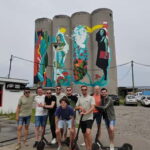
REVIEW · BELGRADE
Private Belgrade Street Art and Adventures Walking Tour
Book on Viator →Operated by Snurk.Travel · Bookable on Viator
Belgrade street art reads like a city diary. In this street art and adventure walking tour, you connect the big murals to the quieter places where Belgrade culture actually happens, from alternative art spaces to tucked-away passages. I love how the guide explains the stories behind what you see, so the walls start making sense fast.
One thing I really like is the mix of alternative culture stops plus specific mural stops and street-level “hangout” venues. A possible drawback: this is not a classic sightseeing loop, so if you only want monuments and views, you might find the focus on art and subcultures a bit niche.
Key things I’d highlight before you go
- Magacin: a long-running alternative cultural centre with an open-calendar vibe.
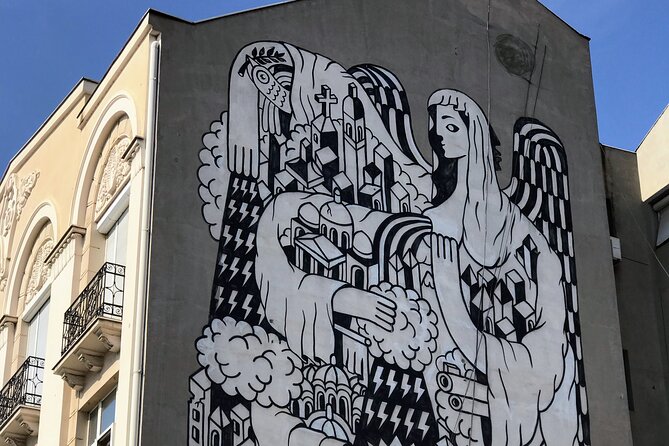
- Guillaume Alby (REMED) on Karađorđeva 31: a mural tied to BELEF festival energy and Belgrade history with sacral art references.
- Belgrade Design District: a 90s abandoned mall now reused by young designers and artists.
- Street Gallery: an outdoor gallery set in a hidden passage, built for critical work by younger creators.
- Cetinjska 15: a former brewery turned into an alternative hub with bars, clubs, galleries, and street art.
- Private group format: you get a guide for your group, with time to ask questions rather than rushing.
In This Review
- Why Belgrade Street Art Feels Like the Real City
- Price and What You Actually Get for $219.94
- Terazije Fountain as Your Starting Anchor
- Stop 1: Magacin and the Alternative Culture Beat
- Stop 2: Karađorđeva 31 and Guillaume Alby (REMED)
- Stop 3: Belgrade Design District Inside a 90s Ghost Mall
- Stop 4: Street Gallery in a Hidden Passage
- Stop 5: Cetinjska 15, the Former Brewery as an Alternative Hub
- The Meaning Behind Squatters, Underground Art, and Abandoned Spaces
- Craft Beer and Handmade Sweets: Plan for Extra Costs
- Who This Tour Suits Best (and Who Might Want a Different Style)
- Should You Book This Belgrade Street Art Tour?
- FAQ
- How long is the Private Belgrade Street Art and Adventures Walking Tour?
- Is this a private tour?
- What is included in the price?
- Are snacks or alcoholic beverages included?
- Is there an admission fee for the stops?
- Where does the tour start and end?
- Can I cancel for free?
Why Belgrade Street Art Feels Like the Real City
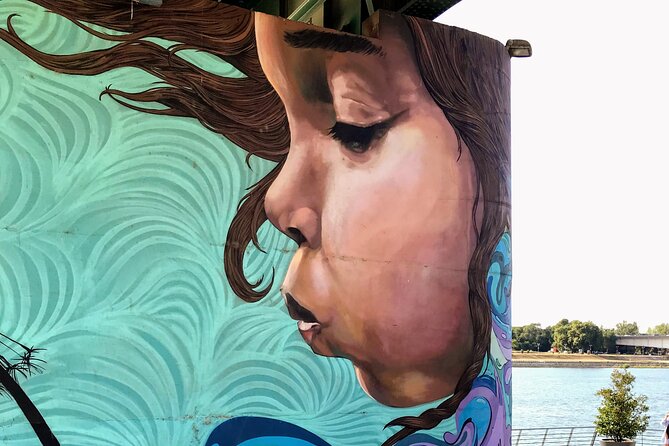
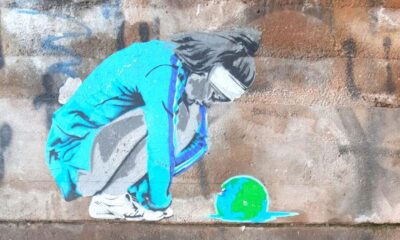
Belgrade can look like it has layers, and street art is one of the easiest ways to spot them. Instead of treating murals like decorations, you’ll treat them like messages in public. That’s the point here: walls become clues to what matters in everyday life, who feels heard, and what people want to argue about.
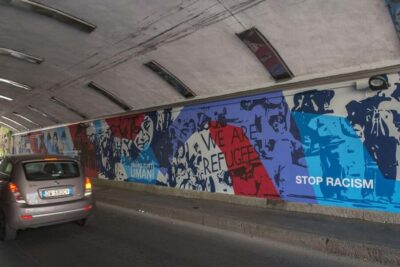
I also like that the tour doesn’t stay on one style of art. You’ll see striking murals from artists around the world, then shift to local creative spaces and street-level venues where art overlaps with social life. You get the sense that Belgrade’s creativity is not locked behind museum doors.
The most practical takeaway is how it changes what you notice on your own after the tour. Once you’ve heard the context for the symbols and locations, the city starts showing meaning on your next walk. Even if you’re only in Belgrade for a short time, this helps you get your bearings faster.
Price and What You Actually Get for $219.94
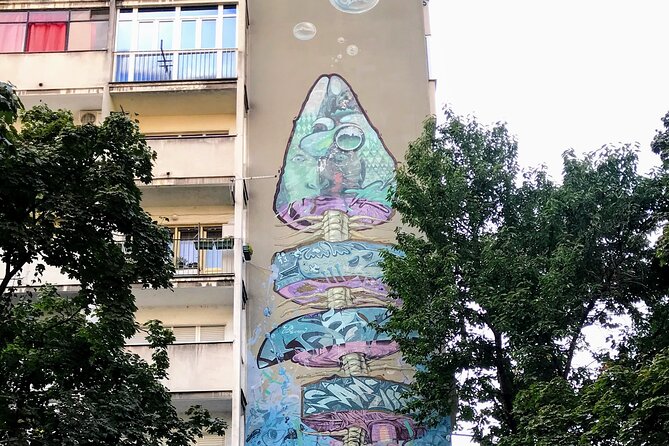
At $219.94 per person for about 3 hours, this isn’t the cheapest way to see Belgrade. But it is built as a focused, guide-led experience with multiple art stops and time at each one. You’re paying for someone to connect murals, locations, and the underground/alternative scene into a story you can follow.
What helps the value is that the tour is private. Only your group participates, so you’re not trapped waiting for strangers to catch up. In a city where the best stuff can be off the main lanes, that matters. You’ll also have a mobile ticket, which keeps the day simple once you’re there.
One more cost reality check: the tour plan includes tasting craft beer and handmade sweets, but snacks and alcoholic beverages are listed as not included. So budget a little extra if you want those tastings during the stops.
You can also read our reviews of more tours and experiences in Belgrade.
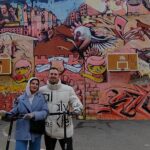
Terazije Fountain as Your Starting Anchor
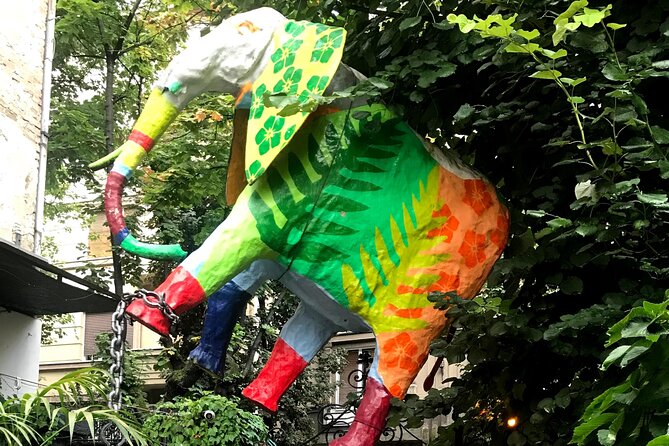
Your meeting point is Terazije Fountain at Terazijska česma (right in central Belgrade). This is handy because it’s easy to orient yourself around the center of town before your walk begins. The tour also ends back at the same meeting point, so you don’t get stuck figuring out transit at the end.
The walk time is roughly 3 hours, with about 30 minutes at each of the five named stops. That pacing is friendly. It gives you time to look at details on the walls, and it gives the guide time to explain without feeling like a sprint.
Also, it’s described as near public transportation. That means if you need to adjust your plans, you’re not far from options—useful in a city where weather can change quickly.
Stop 1: Magacin and the Alternative Culture Beat
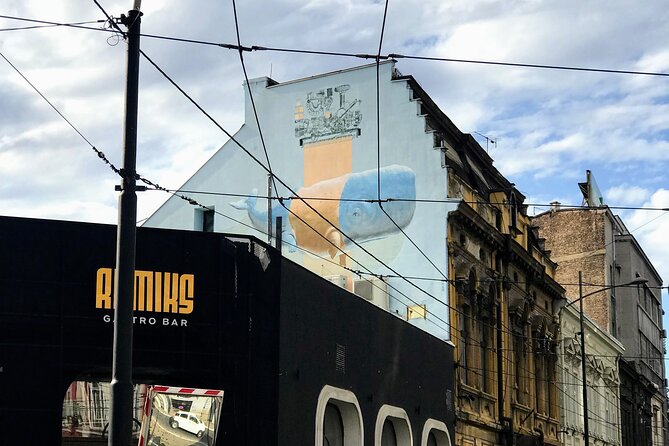
The first stop is Magacin, an alternative cultural centre and street art hotspot. It’s described as one of the oldest in Belgrade, and it uses an open calendar model, which basically means the schedule is community-driven and changes with what’s happening.
At this stop, you’ll get more than a quick photo stop. You’ll learn how spaces like this build culture through events and social activities, not just through exhibitions. It’s one of those places where the street art scene makes sense because you can see the people behind it.
A practical note: since the admission ticket is free at this stop, you don’t have to worry about last-minute entry fees derailing your timing. You can focus on looking, reading, and asking questions while you’re there.
Stop 2: Karađorđeva 31 and Guillaume Alby (REMED)
Next up is Karađorđeva 31, where you’ll see a mural painted in 2008 during the BELEF festival. The artist named here is French creator Guillaume Alby, working under the REMED name. The mural is described as inspired by Belgrade history and sacral art.
What’s valuable about a mural stop like this is the “why” behind the imagery. You’ll hear how festival art, historical themes, and religious/sacral symbolism can show up in modern street art. Instead of looking at a wall as random decoration, you start connecting it to time, place, and cultural reference points.
This is also a good moment to slow down. When the guide talks about sacral art influences, you’ll likely notice more layers in the composition. That’s the kind of detail that makes the rest of the murals easier to interpret.
Stop 3: Belgrade Design District Inside a 90s Ghost Mall
Then comes a very Belgrade kind of transformation: the Belgrade Design District. It’s an abandoned 90s shopping mall, now occupied by young designers and artists. That reuse story is more than interesting—it’s a message about how creativity takes over when traditional systems leave empty space.
You’ll feel the shift between the building’s past and its current function. The walls might look like they’re waiting for something, but the people inside show that the city doesn’t stay frozen. This is one of the clearest examples on the walk of “abandoned” turning into active.
You also get a different kind of art experience here. Instead of only seeing murals on streets, you’ll see how design culture can re-activate a space. It broadens street art from “paint on walls” into a wider creative economy.
Stop 4: Street Gallery in a Hidden Passage
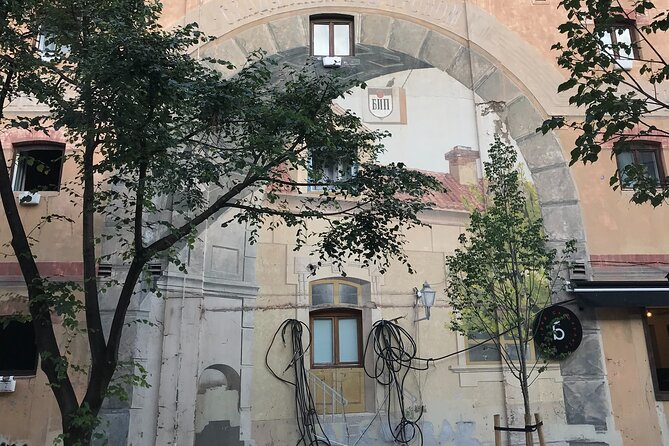
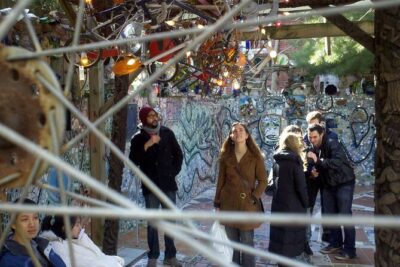
The tour takes you to an outdoor independent art gallery called Street Gallery, located in a hidden passage. This stop focuses on critical works from young artists, which matters because it changes the tone of what street art can be.
Critical doesn’t mean only angry or confrontational. It often means people using public space to comment on politics, power, identity, and what society ignores. A guided stop here helps you notice the difference between surface aesthetics and messaging.
The “hidden passage” aspect is practical too. You’ll learn to look at Belgrade’s smaller in-between spaces as part of the cultural map. After this stop, it’s easier to spot other lesser-known corners on your own, because you’re already training your eye.
Stop 5: Cetinjska 15, the Former Brewery as an Alternative Hub
The final named stop is Cetinjska 15, a former brewery transformed into an alternative hub. Here, the description emphasizes bars, clubs, galleries, and street art—basically, a place where you can’t separate nightlife from creativity.
This stop helps you understand street art as part of a social scene. Walls aren’t just statements; they’re part of the atmosphere where people gather. If you care about how alternative culture lives day-to-day, this is where you get the feel.
You might also notice the contrast between the earlier “gallery” mood and this more hangout-focused vibe. That’s intentional. The tour shows you that street art is not a single category—it connects to art spaces, festivals, design, and nightlife.
The Meaning Behind Squatters, Underground Art, and Abandoned Spaces
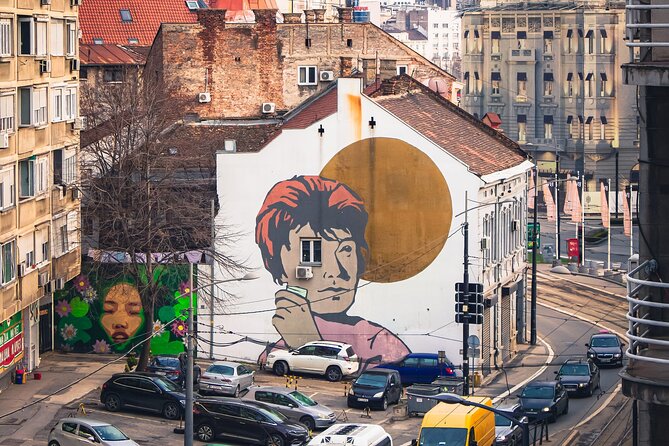
The tour overview mentions squatters and underground art, plus peeks into abandoned, underground, and hidden areas. Even if you only catch moments rather than a long tour of underground rooms, the point comes through: Belgrade’s alternative scene uses space creatively, including spaces that weren’t meant for public art.
This is where the tour earns its “adventures” label. It’s not just walking from one mural to the next. You’re getting a guided interpretation of why alternative communities choose certain spots and how street art fits that logic.
I like how this approach helps you avoid the common mistake of treating street art as just trendy decoration. Here, it’s presented as part of how people negotiate visibility. That lens makes what you see more understandable and less random.
Craft Beer and Handmade Sweets: Plan for Extra Costs
The tour promises a chance to try Belgrade craft beer and handmade sweets. At the same time, snacks and alcoholic beverages are listed as not included, so you should expect to pay for tastings if they happen during the walk.
That’s not a deal-breaker—just manage your budget. If you’re doing the tour mainly for the art and stories, you can treat the food and drink as optional add-ons. If you’re doing it because you like street culture where art and drinks mix, then budget a little extra so you don’t feel rushed.
A smart move: come with a light plan for your day. Since the tour runs about 3 hours and includes stops at cultural venues and nightlife-adjacent places, it’s easier if you’re not already stuffed or drinking heavily before you start.
Who This Tour Suits Best (and Who Might Want a Different Style)
If you love street art, design, and the idea that art is political, you’ll probably enjoy this a lot. It’s also a good match if you want Belgrade context fast, without waiting for museums to explain everything. The guide-led historical background helps you connect murals to the city’s story.
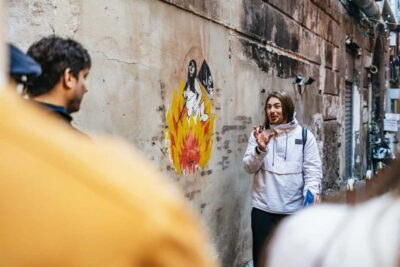
It can also work well for people who feel awkward walking into alternative spaces on their own. A guide gives you a reason to be there, plus a framework for understanding what you’re seeing. That lowers the barrier and makes photos feel meaningful, not just quick.
If you prefer a classic itinerary full of major monuments and large landmarks, this might feel too art-focused. This tour is built around the alternative scene, not a traditional sightseeing checklist.
Should You Book This Belgrade Street Art Tour?
I’d book it if you want Belgrade to feel personal and explained. For me, the biggest strength is the combination of mural stops plus spaces like Magacin and Cetinjska 15, which help you understand the city’s creative ecosystem. At $219.94 per person, it’s pricey, but the private format, guide focus, and structured timing make it feel more like a high-quality guided experience than a casual walk.
I’d hesitate only if you don’t care about street art context and you’re mainly chasing photo landmarks. Otherwise, it’s one of the most direct ways to get the city’s voice in a short time—and after that, Belgrade will look different on every street you pass.
FAQ
How long is the Private Belgrade Street Art and Adventures Walking Tour?
The tour lasts about 3 hours.
Is this a private tour?
Yes. Only your group participates.
What is included in the price?
A guide is included.
Are snacks or alcoholic beverages included?
No. Snacks and alcoholic beverages are not included.
Is there an admission fee for the stops?
Admission tickets are listed as free for the stops mentioned (Magacin, Karađorđeva 31, Belgrade Design District, Street Gallery, and Cetinjska 15).
Where does the tour start and end?
It starts at Terazije Fountain (Terazijska česma, Beograd 11000, Serbia) and ends back at the meeting point.
Can I cancel for free?
Yes. You can cancel for a full refund if you cancel at least 24 hours in advance of the experience start time.