REVIEW · LISBON
Lisbon 3-Hour Street Art Tour
Book on GetYourGuide →Operated by Discover Lisbon · Bookable on GetYourGuide
Lisbon graffiti has a plot and a point. This 3-hour street art walking tour uses murals, tags, and stencils to show how neighborhoods like Mouraria and Graça are changing, with the story guided by Véro.
I love how you get artist context (not just places to snap photos), especially when the guide explains the social or political angles behind each wall. I also like the finish: you end at a mural by national superstar Vhils, which gives the whole walk a strong final image.
This tour is fun, but it’s also a hike. Expect hills and stairs, and skip it if you have mobility needs that make uneven, stepped streets hard.
In This Review
- Key Things You’ll Notice on This Lisbon Street Art Tour
- Why Mouraria and Graça Street Art Feels Personal
- Finding the Meeting Point at Martim Moniz Without Losing the Group
- The 3-Hour Walking Pace: What You Need to Be Ready For
- Mouraria Murals: Stencils, Posters, and Neighborhood Renewal
- Graça Walls: Social Messages and Memorials on Real Streets
- How the Guide Teaches You to Read Street Art
- The Vhils Finish: A Strong Ending Image for Your Walk
- What’s Included (and Why It Matters for Your Value)
- Logistics That Keep the Tour Smooth
- Who Should Book This Lisbon Street Art Tour?
- Should You Book It?
- FAQ
- Where is the meeting point for the Lisbon Street Art Tour?
- How long is the tour, and is it a walking tour?
- What language is the tour guide speaking?
- What does the tour cost?
- What should I bring, and is food included?
- Is the tour suitable for people with mobility impairments?
Key Things You’ll Notice on This Lisbon Street Art Tour
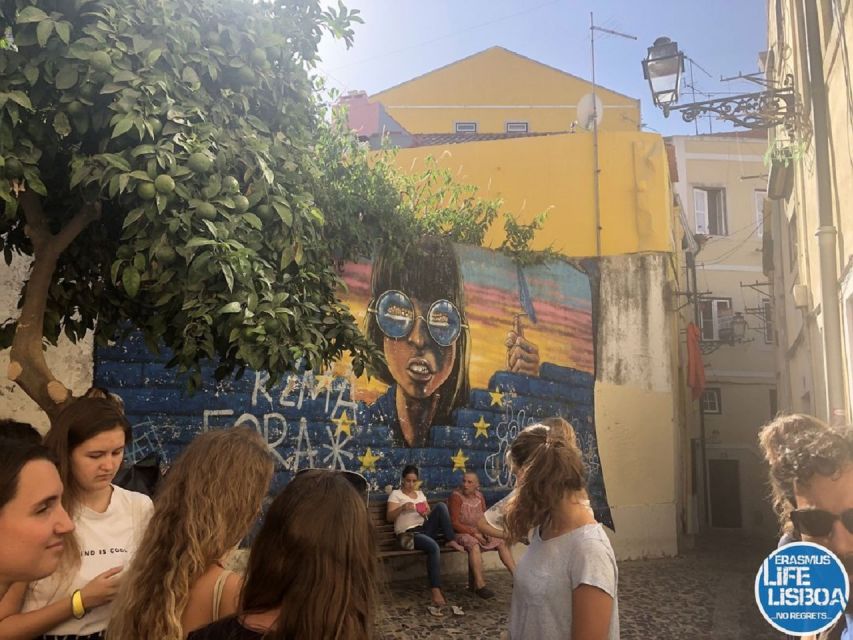
- You start at Martim Moniz in the middle of the square, right by the soldierheads/bullets/helmets monument near Hotel Mundial.
- You’ll see more than murals: tags, posters, and stencils by national and international artists.
- Mouraria and Graça are the focus, two Lisbon areas where street art ties into neighborhood renewal.
- The guide connects art to meaning, including works with social or political messages and some memorial tributes.
- You close at a Vhils mural, a big-name stop that feels like a proper ending, not a random final corner.
Why Mouraria and Graça Street Art Feels Personal
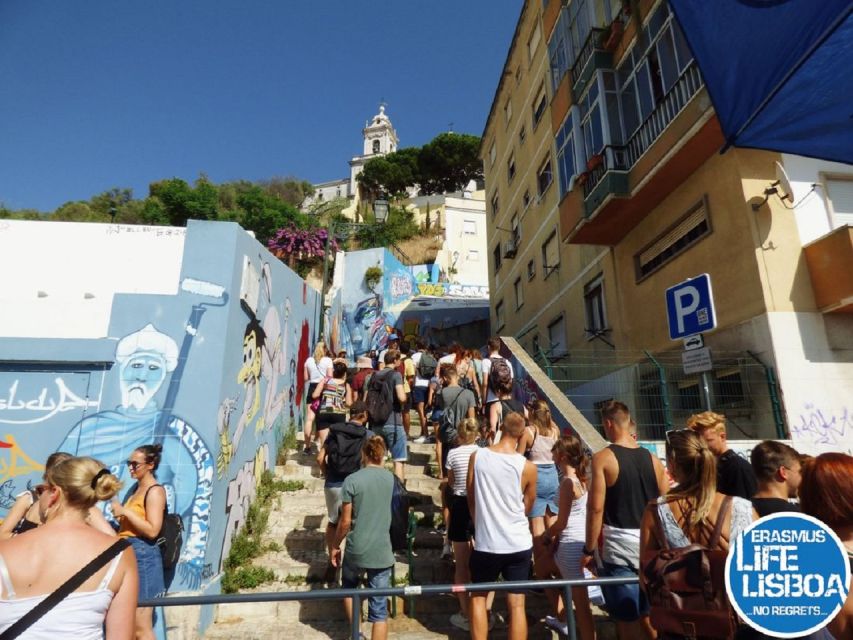
Lisbon’s street art doesn’t sit in a museum box. In Mouraria and Graça, the walls act like a public notice board—creative, political, sometimes tender, often loud, and always tied to where you are.
That’s the big reason this tour works. In three hours, you move through parts of town where you can actually feel the city’s layers, from everyday streets to walls that comment on Portugal’s present and past. And because the guide talks through each piece, you learn to read what you’re seeing instead of just looking at paint.
You can also read our reviews of more tours and experiences in Lisbon.



Finding the Meeting Point at Martim Moniz Without Losing the Group
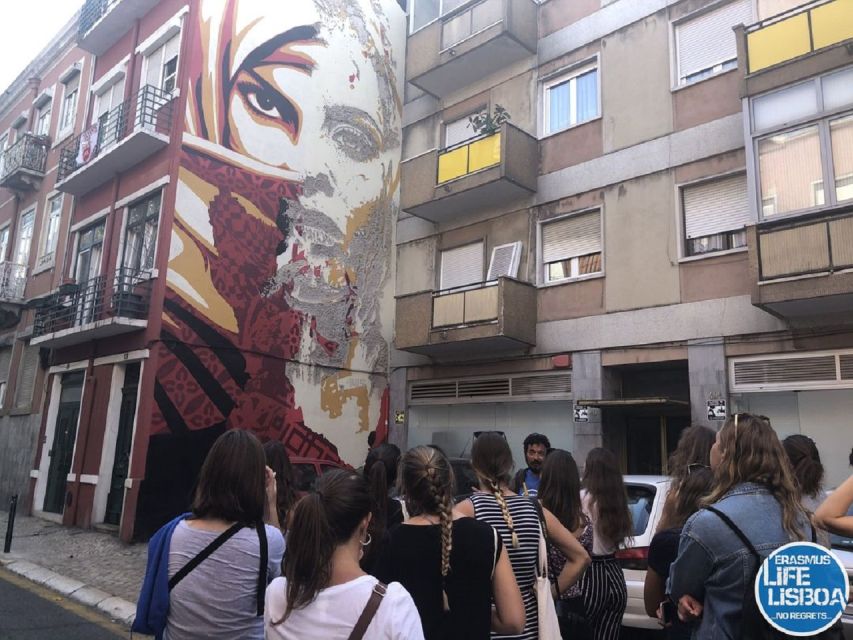
Your walk starts in Martim Moniz square, near the monument with soldierheads/bullets/helmets. It’s close to Hotel Mundial, and the square is tied to the green metro line, so it’s easy to line up on the map once you spot the landmark.
When you arrive, look for the team holding a board that says Lisbon Street art tour. The meeting point is described as being surrounded by water in the square, so don’t just aim for the nearest corner—aim for the monument and the board in the middle of the action.
If you’re the type who likes to arrive early, do it. One small hiccup that can happen is simple wayfinding: people can end up at the wrong spot inside the same square. Give yourself a few extra minutes and you’ll glide through.
The 3-Hour Walking Pace: What You Need to Be Ready For
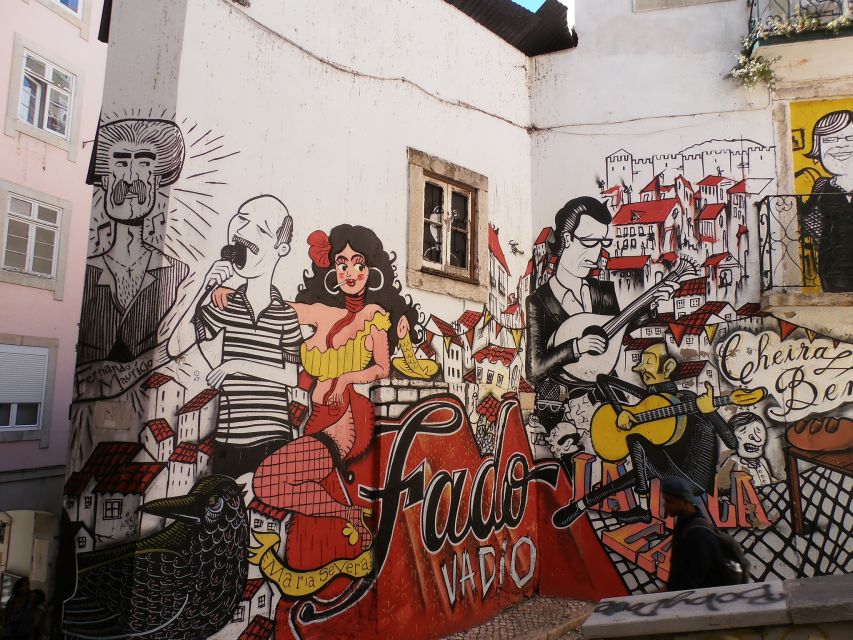
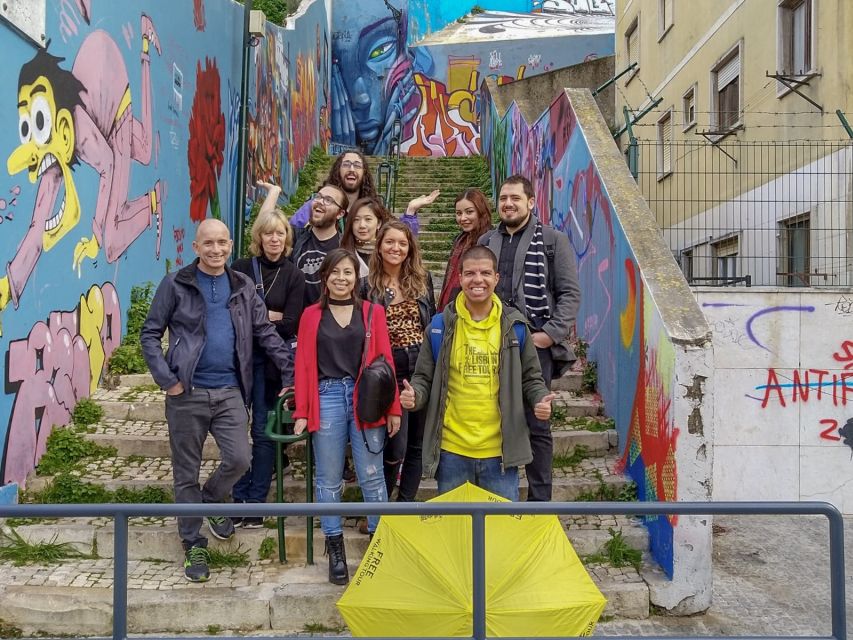
This is a straight-up walking tour. The routes include many hilly paths and stairs, which is part of why the art feels so varied—you’re moving across different streets and viewpoints instead of staying in one flat loop.
So plan for an active three hours. Bring comfortable shoes and water, and keep in mind that Lisbon’s older streets aren’t stroller-friendly in practice. The tour also isn’t suitable for people with mobility impairments, and large bags or luggage aren’t allowed—think light and easy.
If you’re sensitive to weather, plan accordingly too. Lisbon rain can come in fast, and you still keep walking when it does. A light layer can help you stay comfortable even when the sky changes.
Mouraria Murals: Stencils, Posters, and Neighborhood Renewal
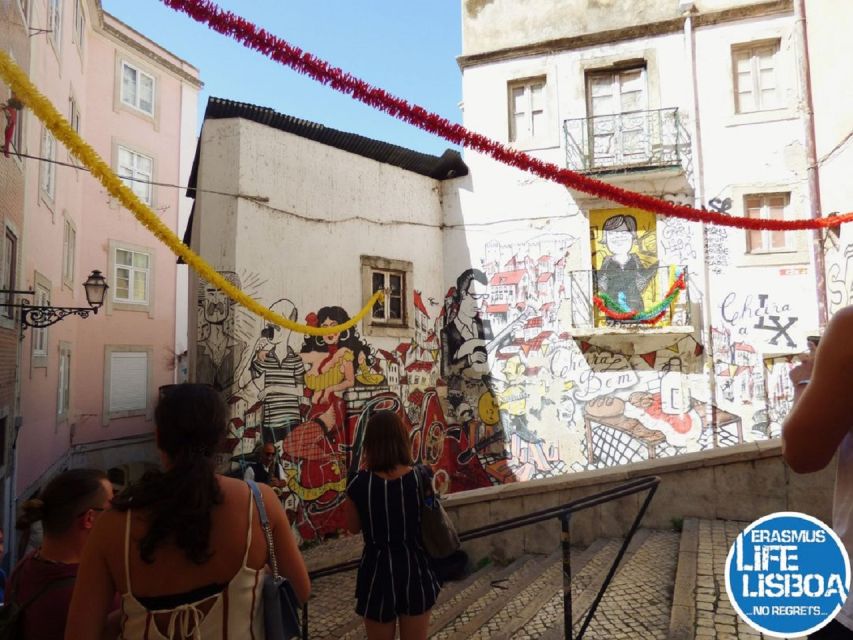
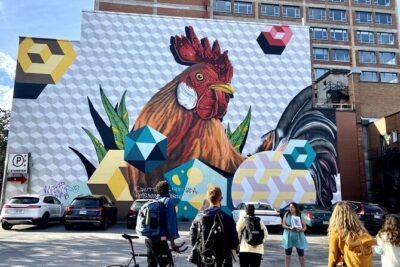
Mouraria is the place where street art can feel like part of the neighborhood story, not an outside spectacle. On this route, you head there to look at a variety of murals and projects that are helping with renovation of the old neighborhoods.
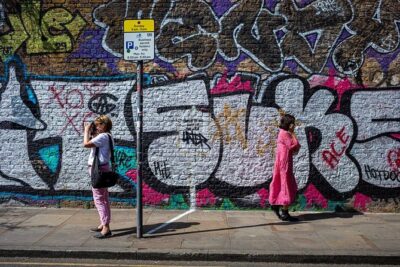
You’ll also spot different styles, including tags, posters, and stencils by both national and international artists. That matters because Lisbon isn’t one uniform street-art “look.” You’ll see how letter styles, sprayed shapes, and graphic layers can communicate in totally different ways—even when they’re all on the same street.
What I like about starting here is momentum. You begin in an area where the art feels connected to place, then the tour builds toward bigger names at the end. It’s a smart pacing trick: you start with local texture and end with a headline mural.
Graça Walls: Social Messages and Memorials on Real Streets
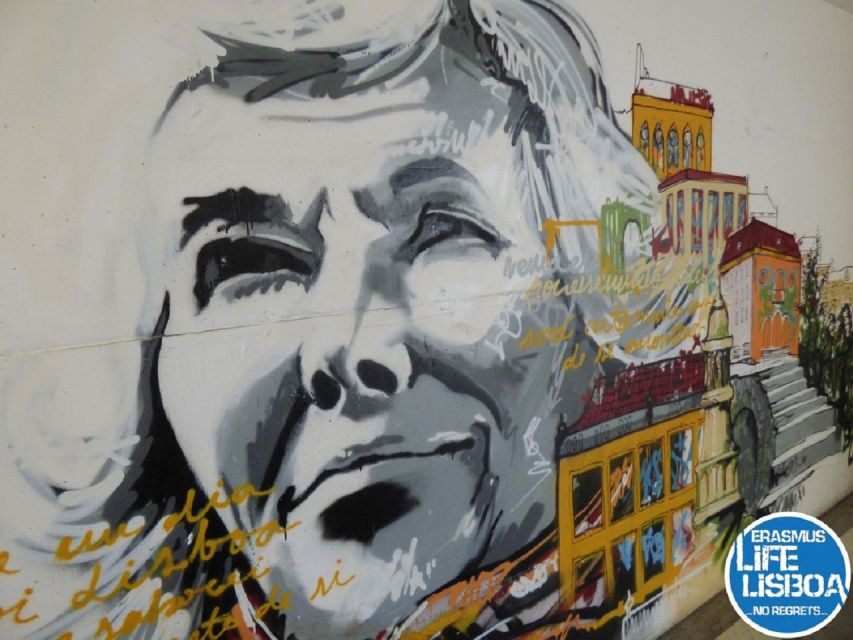
After Mouraria, the tour shifts toward Graça, where you keep finding murals and projects that tell you something about Portugal—often directly. Some works have social or political messages, so you’re not just learning “how it’s painted.” You’re learning why it was painted.
You may also come across pieces that memorialize important Portuguese personalities. That kind of mural hits differently because it’s meant to be seen repeatedly by passersby, not only by people searching for it.
This is where the guide’s narration becomes extra valuable. When someone explains the story behind each work of art, you start noticing details you would otherwise miss: symbols, color choices, and references that are easy to overlook when you’re moving fast.




How the Guide Teaches You to Read Street Art
The tour includes a local expert guide, and that’s the real multiplier. Street art can look chaotic at first glance, but when your guide connects each work to its message and technique, the chaos turns into a language.
You’re not just hearing random facts. The tour is designed around the “story behind the work”—who made it, what they were doing with the medium, and what the piece is saying within Lisbon’s culture.
This is where small moments can matter. A guide who takes time can help you slow down at the right walls, especially for stencils, posters, and memorial-style pieces. You also get historical references, so the street art doesn’t float in isolation. It’s tied back to what’s happening in the city and what Portugal values or argues about.
English is the tour language, which makes it easy to follow the narrative without translating in your head while you’re walking on hills.
The Vhils Finish: A Strong Ending Image for Your Walk
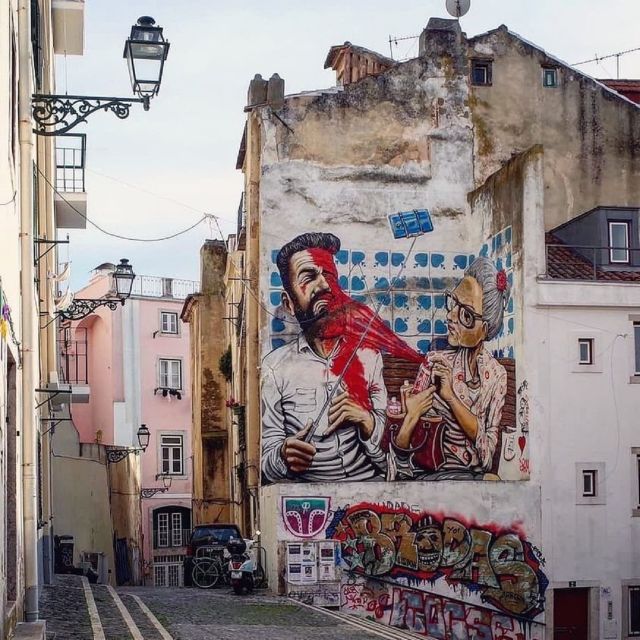
Every walking tour needs a finish that feels intentional. Here, you end at a mural by national superstar Vhils.
That’s a smart choice because Vhils has a recognizable footprint, and ending with a major name gives your brain a “home base” moment. After seeing lots of smaller and mixed-style works along the way, you get one final stop that feels like a headline.
And since you’re not just turning around at the start point, the ending mural also gives you an easy next step: you can continue exploring nearby streets with your eyes now trained on what makes Lisbon street art different.
What’s Included (and Why It Matters for Your Value)

Included in the ticket:
- a local expert guide
- the walking tour
- local art
- historical references
That combination is what keeps the tour from becoming a scavenger hunt. At $33 per person for three hours, you’re paying for guidance plus context. You could spend the same time wandering alone, but you’d likely miss the meanings, the technique hints, and the neighborhood connections that make the art click.
Also, because it’s guided, you’re less likely to walk past pieces that don’t look “important” from a distance. The guide helps you choose what to look at—and how to look.
Food and drinks aren’t included, so plan your timing. If you need a meal after, save it for later rather than trying to work it into the route.
Logistics That Keep the Tour Smooth

A few practical rules make this kind of city walk work:
- wear comfortable shoes
- bring water
- avoid luggage or large bags
- note that non-folding wheelchairs and non-folding strollers aren’t allowed
- prams/strollers are discouraged because of hills and stairs
This isn’t a “sit and learn” style tour. It’s built around movement, so the best strategy is to travel light and wear something you can walk in for three hours.
One more practical note: the tour doesn’t end back at the exact start point. Build your next stop around the finish, not around the assumption that you’ll be dropped off at the same corner.
Who Should Book This Lisbon Street Art Tour?
Book this if you like city walking, want to understand what you see, and enjoy street art with actual context—social messages, Portuguese references, and artist technique.
You’ll also appreciate it if you’re visiting Lisbon for the first time and want a fast way to connect neighborhoods to visuals. Mouraria and Graça give you variety in a short time, and the Vhils ending gives closure.
Skip it if:
- you need accessibility features for steep or stair-heavy routes
- you can’t do a walking pace for three hours
- you don’t want to travel light (since luggage/large bags aren’t allowed)
Should You Book It?
Yes, if you want street art that comes with explanation. The best part of this tour is the way it turns walls into stories, with Véro leading the group and the route focused on Mouraria and Graça. Ending at a Vhils mural also makes the tour feel complete, not stop-and-start.
Book it especially if you’re the type who likes to look twice—once with your eyes, and once with what the guide helps you understand. If you’re comfortable with hills and stairs and can handle a three-hour walk, this is a smart way to spend your Lisbon time at street level.
FAQ
Where is the meeting point for the Lisbon Street Art Tour?
The meeting point is in Martim Moniz square near the statue/monument with soldierheads/bullets/helmets, close to Hotel Mundial and described as surrounded by water. The team will be holding a board that mentions Lisbon Street art tour.
How long is the tour, and is it a walking tour?
It lasts 3 hours and is a walking tour. Expect hilly paths and stairs, since the route covers multiple neighborhoods.
What language is the tour guide speaking?
The live tour guide speaks English.
What does the tour cost?
The price is $33 per person.
What should I bring, and is food included?
Bring comfortable shoes and water. Food and drinks are not included.
Is the tour suitable for people with mobility impairments?
No, it is not suitable for people with mobility impairments. Strollers/prams are also discouraged due to stairs and hilly paths, and luggage or large bags aren’t allowed.