REVIEW · NEW DELHI
Delhi Street Art Tour
Book on Viator →Operated by Reality Tours & Travel Pvt Ltd · Bookable on Viator
Street art in Delhi, with a historical twist. This half-day group tour strings together Khan Market, Lodhi Garden, and the Lodhi Art District so you see polished neighborhood life, 15th-century tombs, and contemporary murals in one clean route. You also get to ride public transportation instead of being stuck in a car all morning, which makes the whole thing feel more local.
I especially like that the stops are paced well for a 3-hour experience: Khan Market gives you a quick sense of modern Delhi, Lodhi Garden slows things down, and Lodhi Colony is where the murals take over. Another big plus is the small group size and the local English-speaking guide, and the tour has been led by guides such as Rajiv, Stanley, Naresh, and Chitty—people who clearly know how to turn visual details into stories you can remember.
One consideration: since it’s built for outdoor walking (and the garden portion matters), you’ll want decent weather. The operator notes the tour depends on good weather, and if it’s canceled you’ll either get a new date or a refund.
In This Review
- Key Things to Know Before You Go
- Khan Market, Lodhi Garden, Lodhi Colony: How This Route Makes Sense
- Meeting Point at Connaught Place and the 3-Hour Time Window
- Stop 1: Khan Market for Quick Neighborhood Orientation
- Stop 2: Lodhi Garden’s Tombs, Mosques, and Bridges
- Stop 3: Lodhi Art District and the Murals You’ll Actually Learn From
- How the Transport Makes the Tour Feel Like Delhi, Not a Scrapbook
- Guides and Group Energy: What Makes It Work
- Value: Why $30.21 Can Feel Like a Good Deal
- What to Pack and How to Prepare for a Morning Walk
- Who This Tour Is Best For (and Who Might Skip It)
- Should You Book This Delhi Street Art Tour?
- FAQ
- How long is the Delhi Street Art Tour?
- Where do I meet the group, and where does it end?
- What time does the tour start?
- Is public transportation included?
- Are admission tickets included for the stops?
- What’s the cancellation policy?
Key Things to Know Before You Go
- Khan Market first, so you get context fast: food, boutiques, and café life right away
- Lodhi Garden in one focused hour: tombs, mosques, and bridges from the Sayyid and Lodhi periods
- Lodhi Art District with mural stories: why specific artists chose certain designs and themes
- Public transport plus short rides: metro, bicycle rickshaw, and foot steps to keep it lively
- Drinks included for a smoother pace: coffee/tea/cold drink plus water/cold drink
- Small group size: capped at a limited number of participants for easier conversation
Khan Market, Lodhi Garden, Lodhi Colony: How This Route Makes Sense
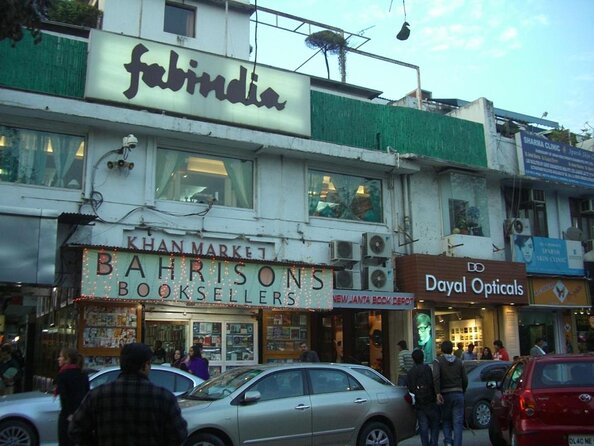
This tour works because it’s built like a day in three moods. You start in Khan Market, which is the kind of place where you can instantly picture how Delhi neighborhoods function on a normal day: people chatting in cafés, browsing shops, and grabbing meals between errands. It’s upscale, yes, but that’s exactly why it’s useful. It gives you a readable “present-day Delhi” baseline before you move into older spaces.
Then you shift to Lodhi Garden, a big green break where the city noise fades and you can actually look at details. The garden is famous for more than just being pretty. It holds tombs, mosques, and bridges tied to the 15th-century Sayyid and Lodhi periods. That means your guide can connect architecture choices and layout to the time period, not just point at monuments.
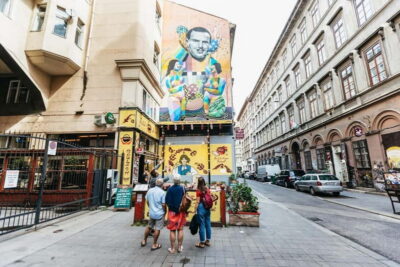
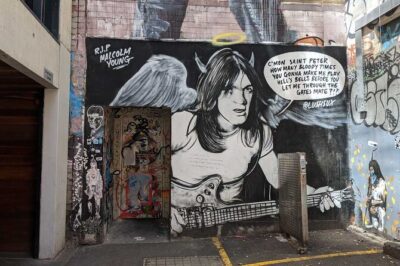
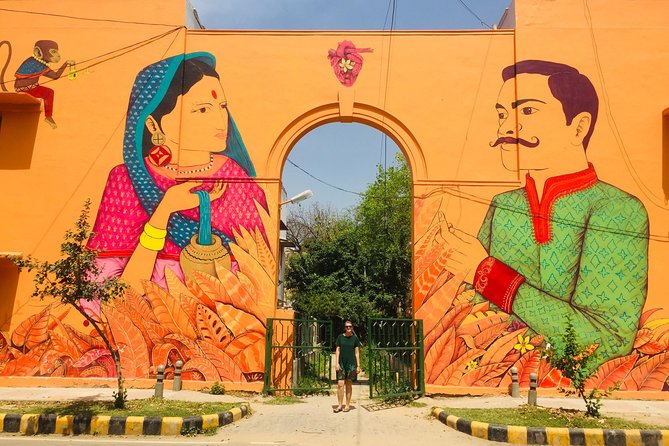
Finally, Lodhi Colony and the Lodhi Art District bring you into the visual conversation that’s happening right now in Delhi—murals painted on walls that feel woven into daily life. Instead of treating street art like a single “photo stop,” the route is designed so you keep walking, noticing, and learning how artists build meaning into public walls.
You can also read our reviews of more tours and experiences in New Delhi.


Meeting Point at Connaught Place and the 3-Hour Time Window
The tour starts at 9:00 am at Inner Circle, Inner Cir, Block B, Connaught Place. You’ll end at Khan Market, Sujan Singh Park North (at Sujan Singh Park). That ending point is practical: you’re dropped off in a place where it’s easy to continue with coffee, shopping, or lunch.
The schedule is about 3 hours total, and each stop has its own time rhythm. Khan Market is around 20 minutes, Lodhi Garden about 1 hour, and the Lodhi Art District part is about 1 hour 30 minutes. That adds up to just enough time to see what matters without turning your morning into a marathon. It also means you’ll want to stay present—if you wander too far in the art district, you can lose the plot.
Group size is kept small. The tour description references a maximum of 25 participants, while the operational details state a maximum of 18. Either way, you’re not dealing with a giant herd, so it’s easier to ask questions and hear what your guide is pointing out.
Stop 1: Khan Market for Quick Neighborhood Orientation
Khan Market is the kind of place where you feel the city’s taste and pace right away. In about 20 minutes, you’re not there to shop for hours. You’re there to get your bearings: restaurants, cafés, and boutiques all mix together so you can understand what “upscale neighborhood life” looks like in Delhi.
This first stop is also useful because it changes how you notice the rest of the tour. Once you’ve seen Khan Market, Lodhi Garden starts to feel like a purposeful contrast—modern consumption and social space versus older design and quiet. And then, when you reach the art district, you can better appreciate how public creativity has found a home in a very lived-in part of town, not a staged tourist zone.
What to watch for here: look at how people move through the area—where they pause, where they line up, and how café life spills onto the street. Your guide can help connect the dots between daily patterns and the neighborhoods you’ll later see in a historical or artistic frame.
Stop 2: Lodhi Garden’s Tombs, Mosques, and Bridges
Lodhi Garden is where the pace slows down on purpose. You get roughly one hour in this large 90-acre park, and the focus is not only greenery. The garden contains tombs, mosques, and bridges built during the 15th-century Sayyid and Lodhi periods. That matters because it turns the visit into more than a walk among trees.
What you should expect from the guided portion is attention to details that casual visitors often miss: layout, stonework, and how Mughal-era design sensibilities show up in what you’re seeing. The tour description also hints that the guide explains nuances of Mughal design, which helps you connect the physical space to the broader timeline of Delhi.
One practical thought: this is an outdoor stop. Comfortable shoes matter. You don’t have to hike, but you will be on your feet for a full hour in a park setting, and you’ll want to be able to move at a relaxed pace without worrying about footing.
Stop 3: Lodhi Art District and the Murals You’ll Actually Learn From
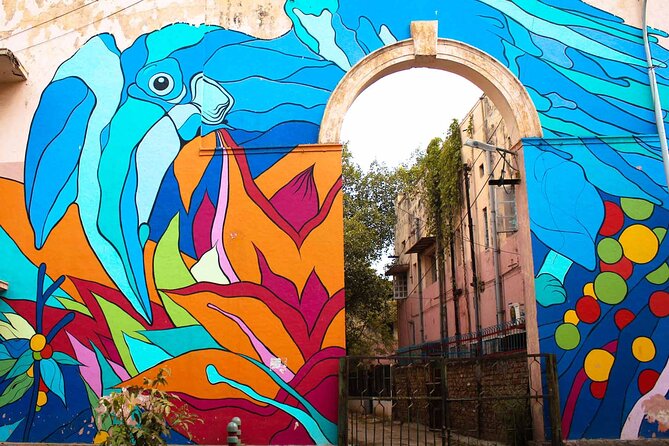
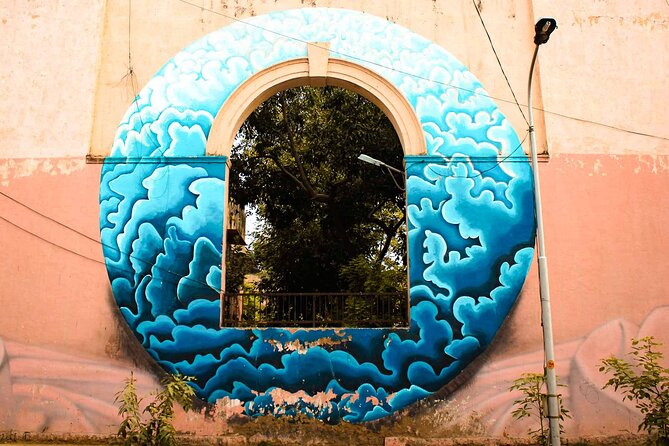
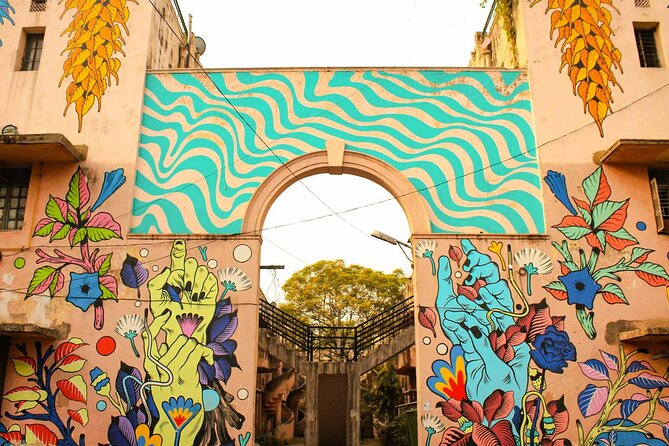
This is the heart of the tour. The Lodhi Art District portion runs about 1 hour 30 minutes, and the focus shifts from monuments to murals and stories. Lodhi Colony is described as the center of street art in Delhi and even India’s first public art district—so you’re going into a place that has grown a reputation, not just a single painted wall.
Here’s what makes this stop more satisfying than a basic mural walk: it’s not just “look at the picture.” The art expert/guide explains who the artists are and why the murals look the way they do. You learn the story behind specific pieces, which changes the way you see them. The same mural can become a message about neighborhood identity, creative identity, or social commentary—depending on what the guide points out.
This part of the tour also tends to move in short hops rather than only long straight walks. Several guides have guided groups using options like metro, bicycle rickshaws, and foot travel, which helps you keep your energy for looking. A short ride between mural clusters can make a big difference when you’re trying to appreciate the work up close.
If you care about street art, this is where you’ll want to slow down and let the details catch up. Spend time on the corners, the layering, and how the mural fits the wall and surrounding streetscape. Your guide’s explanations make it easier to notice those “small” choices that are often the point.
How the Transport Makes the Tour Feel Like Delhi, Not a Scrapbook
Transportation is included, and the tour is built around public transit and short local rides. Depending on the day and route, you might use metro, rickshaw, bicycle rickshaw, or other short-distance options. The intent is simple: avoid isolating the experience behind a private vehicle.
This matters for value and for vibe. A guided street art walk can sometimes become a series of disconnected photos. Here, the transit pieces help you stay aware of the city around you. You see how people commute, how neighborhoods connect, and how daily movement shapes the feel of each stop.
It also helps that the meeting point is near transit. You’re starting in Connaught Place, and you’re ending in Khan Market—both are places where you can keep moving afterward without needing a complicated plan.
Guides and Group Energy: What Makes It Work
The tour is led by local English-speaking guides, and different guides show up in different experiences—Rajiv, Stanley, Naresh, and Chitty are all names linked with very positive guidance. The thread that connects them is communication. They’re described as professional and enthusiastic, but also able to keep the morning calm enough that you don’t feel rushed.
That’s the sweet spot for a street art tour. You want your guide to be energetic, but you also want time to ask questions and actually look. A small group helps, and the structure helps too: short stop at Khan Market, longer attention at Lodhi Garden, then the longer art district session where questions can expand without turning everything chaotic.
If you’re the type who likes to ask how something works—why an artist chose a style, how the neighborhood developed, what you’re seeing in terms of design—this tour format is friendly to that.
Value: Why $30.21 Can Feel Like a Good Deal
At $30.21 per person, this is priced like an efficient group experience, not a private tour. The value comes from what’s included: a local guide, public transport, and drinks (coffee/tea/cold drink and water/cold drink). Add in the fact that admissions at the stops are listed as free, and you’re paying mainly for guidance plus time on a route that could take you longer to piece together yourself.
Could you DIY this for less? Maybe. But DIY usually means you spend extra time figuring out where to go, how to connect neighborhoods quickly, and which mural stories actually matter. This tour gives you an ordered path and a guide who can interpret what you’re seeing while you’re walking.
For many people, the cost-to-time ratio is the winning factor: you get a satisfying mix of modern Delhi, historical architecture, and contemporary art in just a 3-hour block.
What to Pack and How to Prepare for a Morning Walk
This tour is designed to run in a steady pace, but you’re still outside for multiple stops. I’d pack for comfortable walking and sun management. Bring water (even though you’ll have drinks included), wear shoes that handle uneven garden paths, and plan to stay flexible if weather shifts.
If you have questions about what to bring, a good rule is: treat it like a short sightseeing walk day, not a museum marathon. You’ll be able to appreciate more if you can move comfortably between mural clusters and through Lodhi Garden.
Also, if you’re sensitive to heat or glare, the morning start at 9:00 am helps. Still, Delhi sun can get strong, so your best move is to come ready for outdoor time.
Who This Tour Is Best For (and Who Might Skip It)
This tour is a strong fit if you want:
- a street art experience that includes context, not only photos
- a route that mixes neighborhood life, park history, and mural interpretation
- a small-group format with a guide who can answer questions in English
- an easy half-day plan that ends in Khan Market, where you can keep going
You might consider a different kind of tour if you want lots of free time to browse and linger in Khan Market. Khan Market here is more of an orientation stop than a shopping spree. Also, if you dislike outdoor walking or weather uncertainty, the operator notes the experience depends on good weather.
Should You Book This Delhi Street Art Tour?
Book it if you want a guided morning that connects three different sides of Delhi—modern hangouts, 15th-century-era garden monuments, and the mural culture of Lodhi Colony—without wasting your time or energy. The route is short enough to stay focused, and the guide-led mural stories are the difference between a quick photo stop and something you actually remember.
Skip it if you only care about shopping in Khan Market or you’re looking for a long, slow art deepening session. This is a tight, well-structured walk with interpretation, not an all-day wandering experience.
FAQ
How long is the Delhi Street Art Tour?
The tour runs for about 3 hours (approx.).
Where do I meet the group, and where does it end?
You meet at Inner Circle, Inner Cir, Block B, Connaught Place, New Delhi and end at Khan Market (Sujan Singh Park North, Sujan Singh Park).
What time does the tour start?
The start time is 9:00 am.
Is public transportation included?
Yes. Public transport is included, and the tour is designed to travel like a local.
Are admission tickets included for the stops?
Admission tickets are listed as free for the included stops.
What’s the cancellation policy?
Free cancellation is available up to 24 hours in advance for a full refund, and the experience requires good weather. If it’s canceled due to poor weather, you’ll be offered a different date or a full refund.