REVIEW · COPENHAGEN
The Nørrebro Street Art & Food Tour
Book on GetYourGuide →Operated by CphFoodTours · Bookable on GetYourGuide
Street art, food, and public space in one walk. In Nørrebro, I love the way the guide helps you read house walls like they mean something, not just look pretty. I also like the practical rhythm: you get set stops for shawarma or falafel at Kösem and a coffee break from The Coffee Collective.
One thing to think about first: this is mostly an outdoor tour, even in rain or snow. If you have mobility or back issues (or you use crutches), the format may not be a good fit.
In This Review
- Key points before you go
- Why Nørrebro’s street art feels personal, not just decorative
- Getting there: Nørrebros Runddel Station is your anchor
- Jagtvej 69 and Ungdomshuset: where art meets memory
- Bananna Park: street art inside an urban park world
- Superkilen Park by BIG architects: art in public design
- Kösem for shawarma or falafel: the neighborhood taste test
- Coffee Collective reset: a break that keeps the story going
- How the guide turns walls into meaningful talk
- Price and value: what $53 gets you in real terms
- Diet needs and what vegan guests should expect
- Who this Nørrebro street-art and food walk suits best
- Should you book this tour?
- FAQ
- How long is the Nørrebro Street Art & Food Tour?
- What’s included in the price?
- Where do I meet the guide?
- How do I get to the meeting point by public transport?
- Is the tour vegetarian-friendly or suitable for most diets?
- What do vegan guests get instead?
- What should I wear or bring?
- Is the tour offered in English?
- Who shouldn’t book this tour?
Key points before you go
- Jagtvej 69 and Ungdomshuset: see a former site tied to local youth history, not just random murals
- Bananna Park: street art placed into an urban park setting that you can walk around and notice from different angles
- Superkilen Park by BIG architects: a famous public-space project where art and design mix
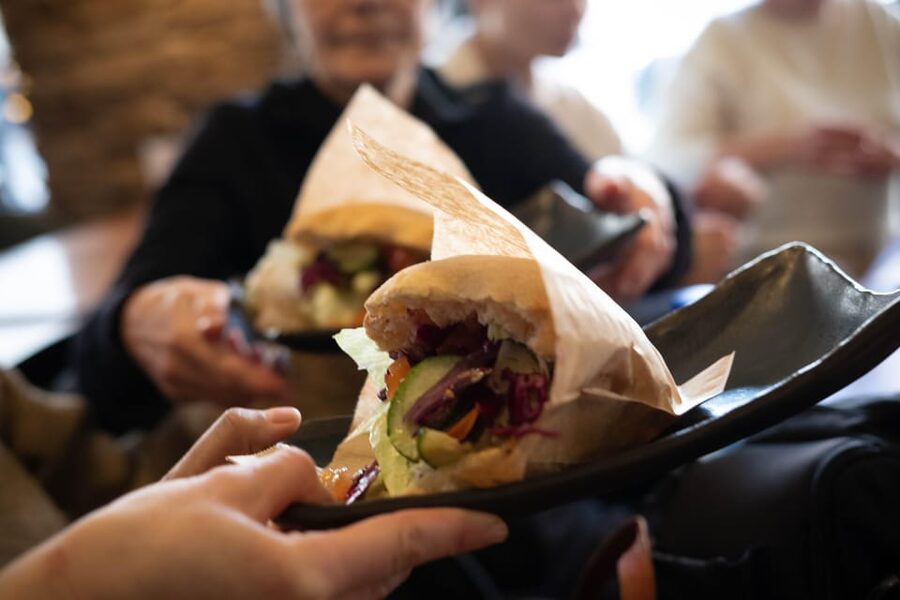
- Kösem for shawarma or falafel: an award-winning local stop that makes the food feel like part of the neighborhood story
- Coffee from The Coffee Collective: a simple, reliable caffeine reset mid-tour
- Vegan workaround at Mokkariet: vegan guests get a raw bite or vegan cake instead of the standard options
Why Nørrebro’s street art feels personal, not just decorative
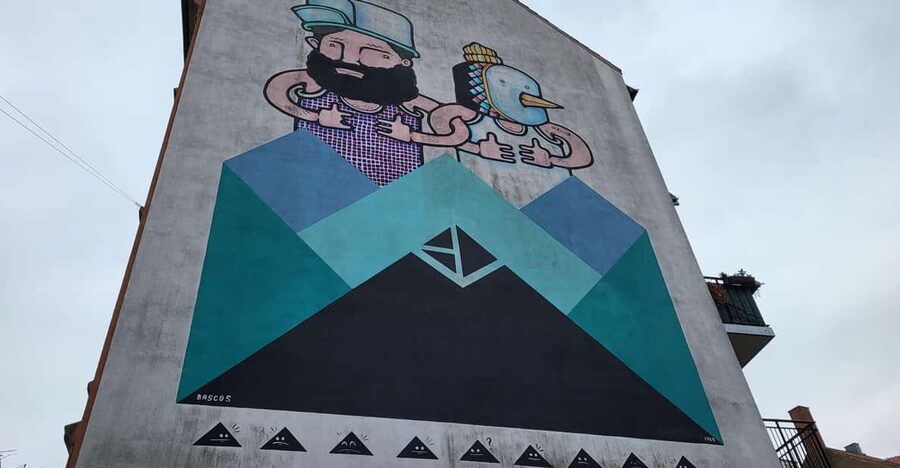
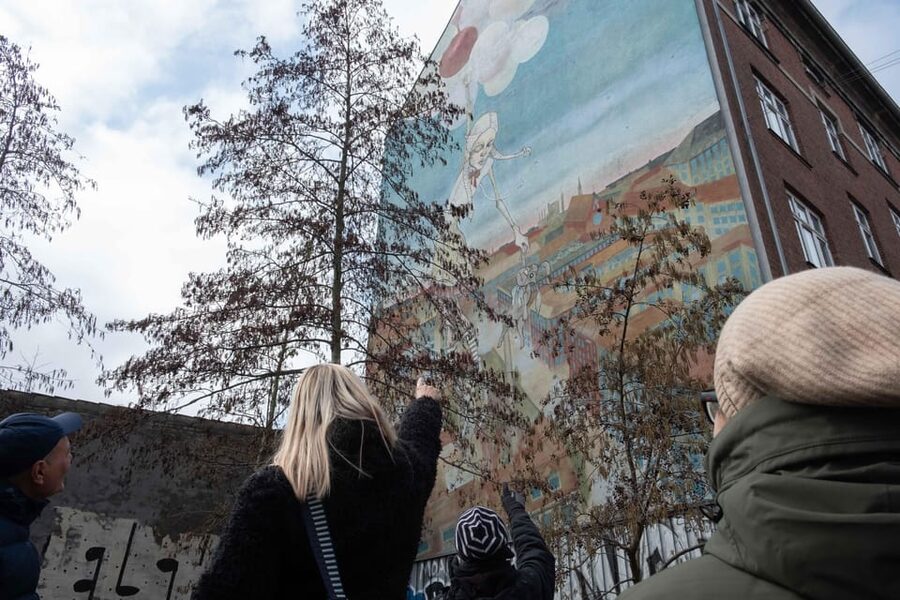
Nørrebro has a reputation for creativity, and this tour leans into the real reason: street art here is woven into everyday life. You’ll walk past buildings that act like open-air posters, but you won’t be left to guess what you’re seeing. The guide encourages you to notice style, placement, and context—so the walls start to feel like a conversation happening right in front of you.
I like that the tour isn’t only about catching photos. You get time for reflection and discussion, and that shifts the whole experience. Instead of rushing from mural to mural, you learn how people talk back to their city—through color, symbols, and sometimes sharp commentary.
The other big reason it works: the food and drink stops aren’t afterthoughts. When you pause for shawarma or falafel at Kösem and then reset with coffee from The Coffee Collective, the tour keeps its pace while still giving you something that tastes local.
You can also read our reviews of more tours and experiences in Copenhagen.


Getting there: Nørrebros Runddel Station is your anchor
You meet at the stairs leading down into Nørrebros Runddel Station. That’s helpful because it keeps the meeting point clear and easy to find, especially if you’re using public transit already.
You have two easy options to reach it:
- Take the Metro M3 to Nørrebros Runddel Station
- Take the bus 5C
The tour ends back at the same meeting point, so you’re not stuck figuring out transit at the end when you’re hungry and your legs are tired.
Practical tip: wear shoes you can walk in for a solid 3 hours. The tour operates primarily outside even during rain or snow, so plan for wet sidewalks and colder air.
Jagtvej 69 and Ungdomshuset: where art meets memory
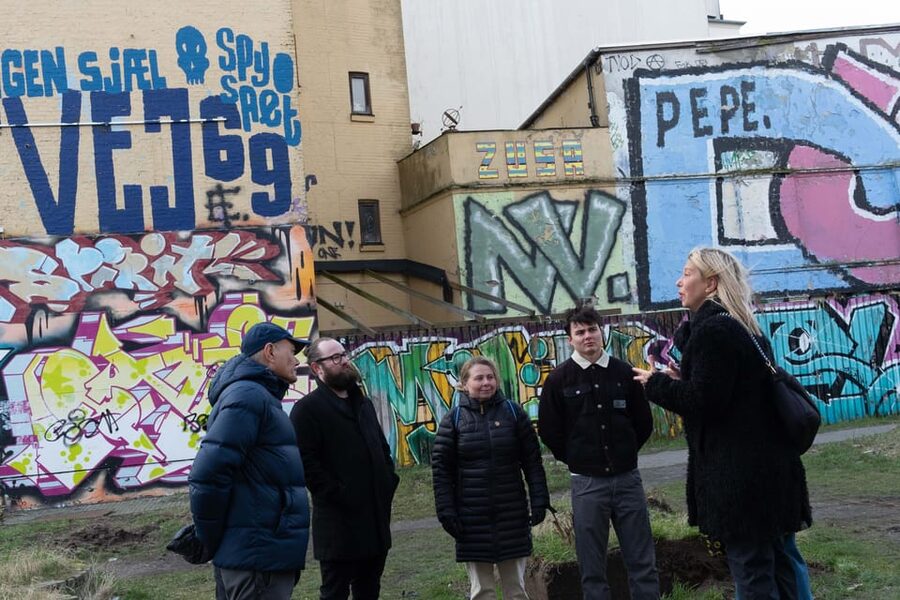
One of the standout stops is Jagtvej 69, the former site of Ungdomshuset. This is the kind of place where street art isn’t just decoration—it’s tied to local identity and community history. You’re seeing a location that has meaning beyond the paint, which gives the murals a sharper edge.
What I like about this stop is how it changes your lens. Before you even move on to the next park, you start thinking about why certain visuals show up in certain neighborhoods. You also get a better sense of how the past lingers in the built environment—through walls, scars, and messages layered over time.
If you prefer tours that stick strictly to art technique, this stop might feel more social than technical. But if you want your street art to make sense in real life, it’s worth the focus.
Bananna Park: street art inside an urban park world
Next up is Bananna Park, an urban park with interesting uses of street art. Parks like this do something museums can’t: they turn viewing into walking. You don’t just stand and look—you move through the space, and the art changes based on where you stand.
This is a great stop for two reasons. First, the art is physically integrated into the environment, so it doesn’t feel detached from the neighborhood. Second, you’ll likely notice how people interact with it—whether they treat it as background scenery or something they pause for.
One consideration: because this is a park setting, the experience depends a bit on weather and lighting. If it’s rainy, plan on slower movement and take your time. If it’s dry, you’ll have more freedom to circle around and look at details from different angles.
Superkilen Park by BIG architects: art in public design
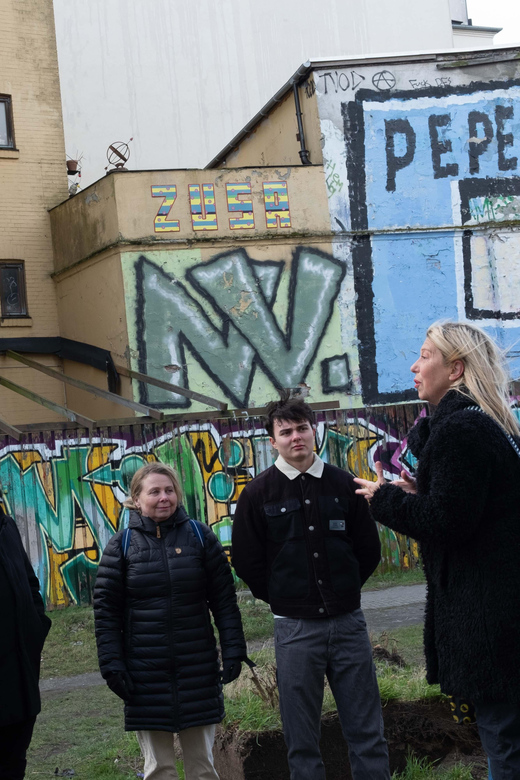
Then the tour heads to Superkilen Park, a popular urban park created by architects from BIG. This stop matters because it reframes street art as part of public-space thinking, not just underground expression.
Superkilen is also a reminder that city design shapes culture. The park format gives the street art a stage—so you can see how murals and installations can work with layout, materials, and flow. It’s the kind of place where the city’s planning decisions quietly influence what feels possible.
I find this stop especially valuable if you’re the type who likes cities that feel intentional. You’ll still get the street-art energy, but you’ll also see the larger idea: design can support creativity, not just contain it.
Kösem for shawarma or falafel: the neighborhood taste test
At Kösem, the tour focuses on food with local credibility. This is the stop tied to an award-winning shawarma championship, and it’s exactly the kind of detail that makes a food tour feel grounded.
You’ll choose between shawarma or falafel. If you eat differently day to day, you’ll still feel covered here because the tour is suitable for all diets except vegan ones in the standard setup.
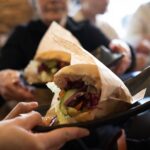
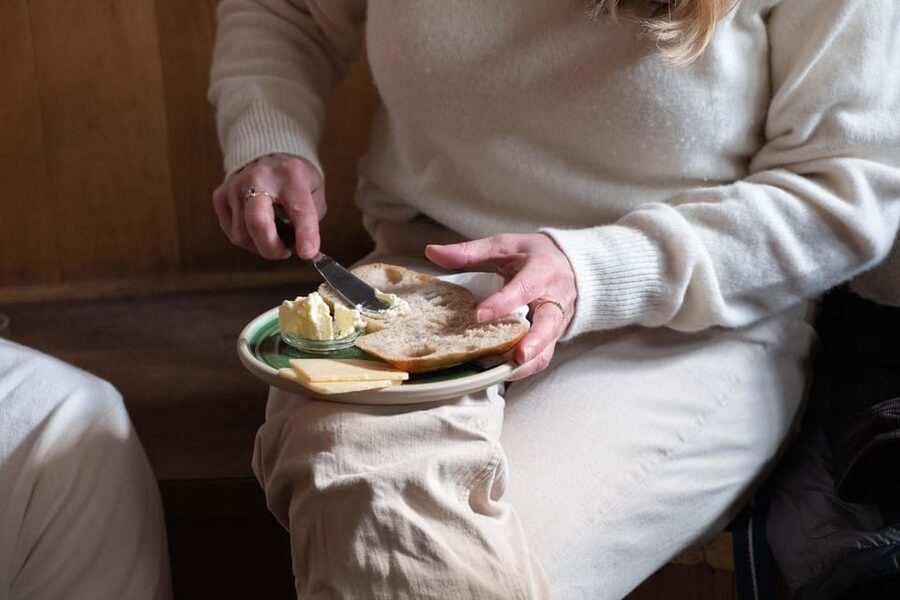
One thing from the experience that really stuck: there’s also a bun with cheese that gets singled out as especially good. If you’re offered it, take it seriously—it’s the kind of simple, satisfying bite that makes you pause and think, yep, this is why the neighborhood matters.
Food note you’ll care about: the tour includes a coffee stop from The Coffee Collective, but it also keeps moving. So you’re eating as you go, not sitting through a long meal.
Coffee Collective reset: a break that keeps the story going
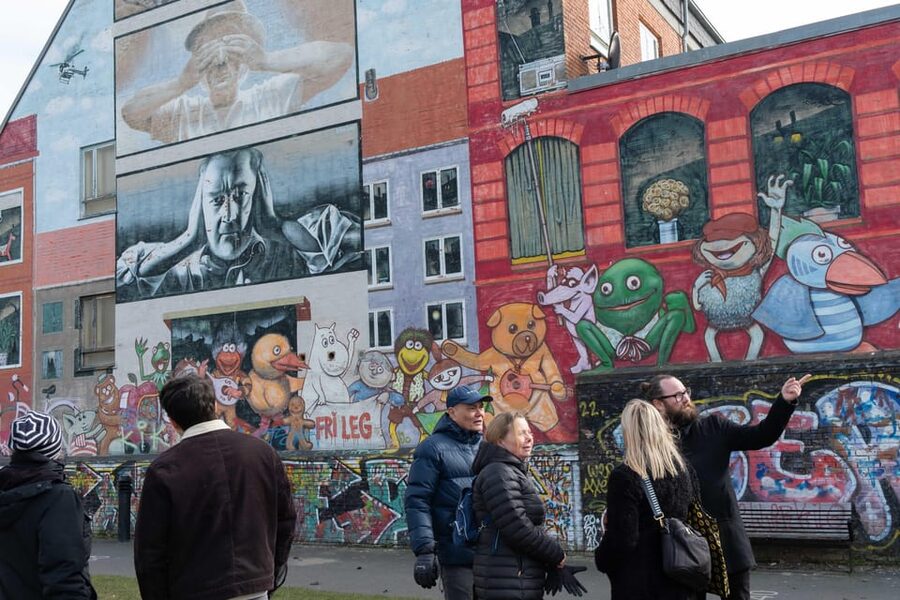
Between street-art stops, you’ll get coffee from The Coffee Collective, a local café chain. This isn’t just about caffeine. It’s a reset point that helps you keep energy for the last stretch of walking.
I like this structure because it prevents the usual food-tour problem: you eat, you rest too long, and then you lose momentum. Here, the coffee feels like a pause in the narrative, so you’re ready to keep noticing details afterward.
If you’re sensitive to heat or cold, this stop also helps you manage weather. Even on days that are fine outside, Copenhagen air can hit differently once you’ve been walking for a while.
How the guide turns walls into meaningful talk
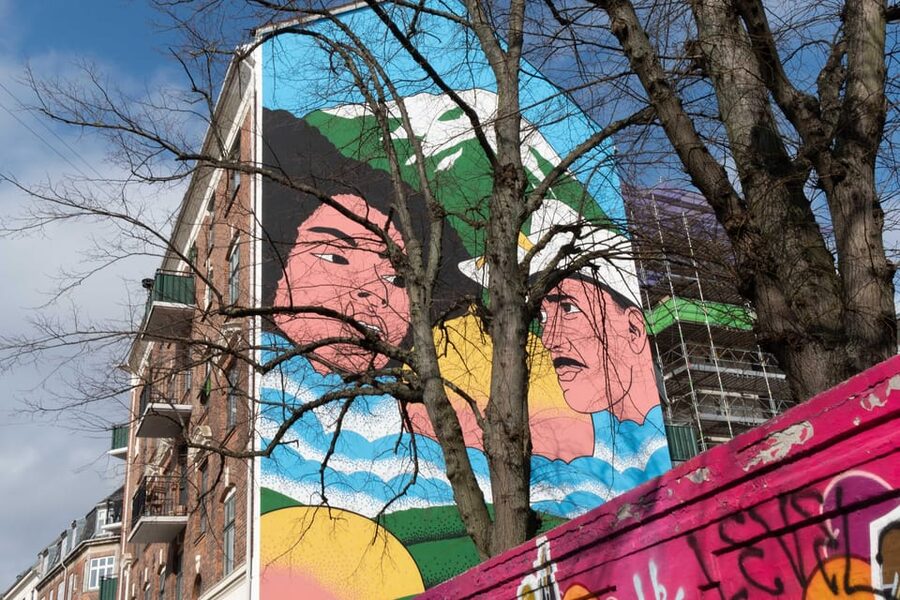
The best part of this tour is the way the guide drives conversation. You’re not just collecting images; you’re learning how to see.
Expect prompts that encourage you to analyze what you’re looking at. Some stops lead into debate, and you get time for reflection and discussion, which makes the whole thing feel more personal. That’s not common on short group walks, and it’s one of the reasons this tour scores well.
Here’s what you can do to get more out of it. Slow down at each stop and ask yourself:
- What might this mural be responding to in the neighborhood?
- Why is this message placed here, on this kind of wall?
- How does the art change when you view it from different angles?
By the time you reach the parks and then the food, you’ll feel your brain switching from tourist mode to local-reader mode.
Price and value: what $53 gets you in real terms
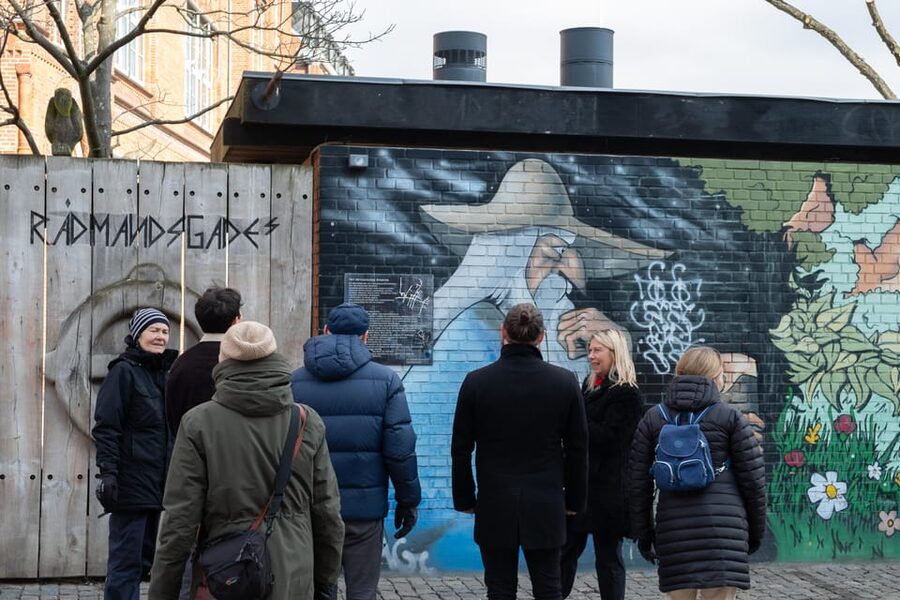
At $53 per person for about 3 hours, this is a mid-range walking tour, and the value depends on what you want most: street-art context or food.
For me, the value case is strong because you’re getting:
- A guided street-art experience across multiple key spots
- Food from an award-winning local eatery (shawarma or falafel)
- Coffee from The Coffee Collective
When a tour includes both food and multiple themed stops, you save decision fatigue. You don’t have to plan where to eat, where to drink, and what to see next. You also avoid the awkward “we found a place but it wasn’t the vibe” problem.
If you’re purely price-driven and only want murals, you could DIY parts of Nørrebro. But if you want a guided thread that connects art to neighborhood life—plus actual local eating—the $53 feels reasonable.
Diet needs and what vegan guests should expect
The tour is suitable for all diets except vegan ones in the standard setup. But vegan guests aren’t left out. Instead, you’ll be offered a raw bite or vegan cake at Mokkariet.
So if vegan food is your priority, plan around that swap. It’s not the same as shawarma or falafel, and that difference matters if you’re expecting a straight substitute.
If you have allergies or strict dietary rules beyond vegan, the safest move is to confirm directly with the operator before you go. The tour data here confirms general diet suitability and the vegan accommodation, but it doesn’t list ingredients.
Who this Nørrebro street-art and food walk suits best
This tour is a good match if you like:
- Street art that comes with context and discussion
- A neighborhood walk that mixes parks, walls, and food
- Short-duration touring (about 3 hours) where you’re active the whole time
It may not suit you if you:
- Use crutches (not allowed)
- Have back problems
- Have mobility impairments, are wheelchair users, or have low fitness
- Are over 287 lbs (130 kg)
- Are over 95 years
Basically: it’s a walking tour with mostly outdoor time. Bring the stamina to enjoy it, not just endure it.
Should you book this tour?
If you want Nørrebro street art explained in a way that actually changes how you see walls—and you want the walk to end with food you’ll remember—this is an easy recommendation. The combo of guided street-art stops (Jagtvej 69, Bananna Park, Superkilen Park) and a real eatery stop at Kösem keeps the experience balanced: art in the morning, flavor in the middle, and a clearer view of the neighborhood by the end.
Book it if you can handle 3 hours of mostly outdoor walking and you’re comfortable with a discussion-based style of touring. Skip it if mobility or back comfort is a concern, or if you rely on crutches.
FAQ
How long is the Nørrebro Street Art & Food Tour?
It takes approximately 3 hours from start to finish.
What’s included in the price?
You get a guided tour of Nørrebro’s street art, shawarma or falafel from Kösem, and coffee from The Coffee Collective.
Where do I meet the guide?
The guide meets you at the stairs leading down into Nørrebros Runddel Station. The tour ends back at the same meeting point.
How do I get to the meeting point by public transport?
You can take the Metro M3 to Nørrebros Runddel Station, or take bus 5C.
Is the tour vegetarian-friendly or suitable for most diets?
Yes, the tour is suitable for all diets except vegan ones.
What do vegan guests get instead?
Vegan guests are offered a raw bite or vegan cake at Mokkariet.
What should I wear or bring?
Wear comfortable walking footwear and dress for the weather. The tour operates primarily outside even during rain or snow.
Is the tour offered in English?
Yes, the tour is guided in English.
Who shouldn’t book this tour?
It’s not suitable for people with mobility impairments, wheelchair users, people with back problems, people with low level of fitness, people over 287 lbs (130 kg), and people over 95 years. Crutches are not allowed.