REVIEW · MILAN
Street Art&Urban Vibes in Milan’s Most Exciting Rising Areas
Book on GetYourGuide →Operated by FollowMi Around · Bookable on GetYourGuide
Milan’s walls tell stories if you know where to look. This street art walk in emerging neighborhoods mixes murals, local streets, and a photo-friendly route with a knowledgeable guide.
What I like most is that you get both art on buildings and the human side of the neighborhood. You also walk with enough structure that you learn what you’re seeing, not just snap pictures.
Two standout parts: first, the guide work. Simon (seen in past bookings) goes the extra mile to point out surprising details, and Marco has also been praised as outstanding at making the route click. Second, the mix of places: open-air artworks plus small, alternative businesses along the way.
One thing to consider: at this price ($94 per person for a 2-hour experience), you’ll want to be excited about art presentation and explanations, not only raw graffiti coverage. A couple of guests felt the wall art didn’t match their expectations for the cost.
In This Review
- Key highlights you’ll actually feel on the walk
- Why Milan’s street art scene rewards a guided route
- Meeting in front of Scaringi pastry shop: the easiest start
- Pasteur and the first walls: start reading the neighborhood
- Via Padova photo stop: where the city feels contemporary
- Via Giovanni Pontano and Viale Monza: spotting the styles and the intent
- mosso, Bici&Radici, and Hug: street art meets everyday culture
- The guided context you’ll carry home
- Price and value: is $94 per person worth it?
- Who this tour suits best
- Practical tips so you enjoy every stop
- Should you book this Milan street art walk?
- FAQ
- How long is the street art tour in Milan?
- Where does the tour start?
- Which languages are available for the guide?
- Is this tour wheelchair accessible?
- Is it a private group?
- What’s included in the price?
- What is not included?
Key highlights you’ll actually feel on the walk
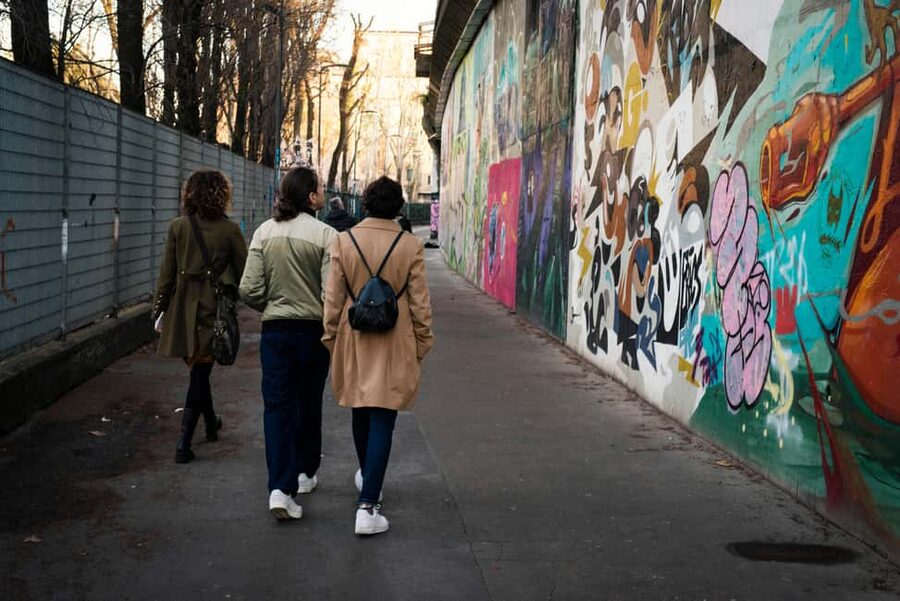
- Local guide-led street art stops that focus on what to look for, where, and why
- A route through Via Padova, Via Giovanni Pontano, and Viale Monza instead of the most obvious sightseeing zones
- Story context on Milanese and Italian street art, including how street art can act as protest
- Photo stops built into the pacing, so you don’t just rush past walls
- Stops at places like mosso, Bici&Radici, and Hug, where street culture meets everyday neighborhood life
Why Milan’s street art scene rewards a guided route
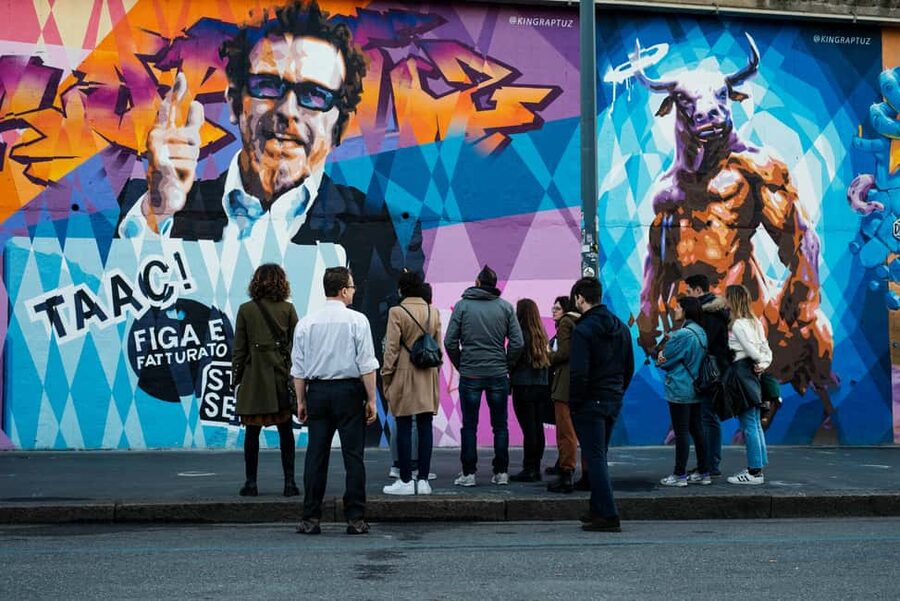
Milan isn’t just statues and design shops. It also has a creative street level where artists turn plain buildings into visible statements. This tour is built for that reality: you walk through districts where the artwork feels part of daily life, not staged for tourists.
You’ll see street art as more than decoration. The framing here includes how it can reflect the attitudes of working-class streets—sometimes using walls as a way to push back, not just to impress. That matters, because when you understand the “why,” the “what” suddenly looks sharper and more personal.
The other big win is that you’re not doing this solo with a map. A skilled local guide keeps the route flowing and helps you connect visual styles to the wider story of Milanese and Italian street art.
You can also read our reviews of more tours and experiences in Milan.
Meeting in front of Scaringi pastry shop: the easiest start
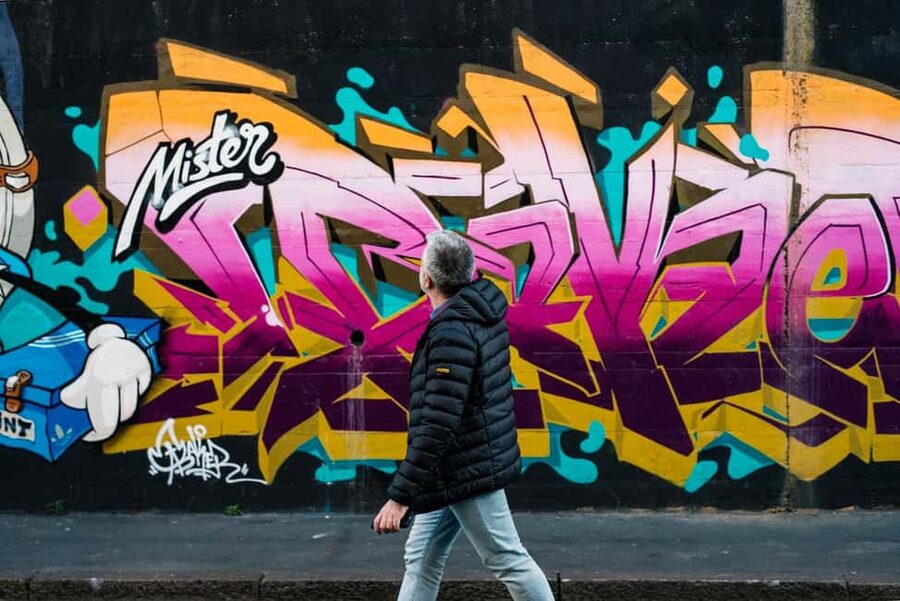
Your meeting point is simple: in front of the Scaringi pastry shop. It’s a convenient way to anchor a neighborhood walk—especially because the route is not about hopping between far-off landmarks.
From there, you’ll move through a set path of street art locations, with planned photo stops and short guided moments. The tour runs about two hours, so think of it as a focused sprint through one creative corridor rather than an all-day wandering session.
One practical note: public transport to get to the meeting point isn’t included, so plan your way to Scaringi on your own. Once you’re there, you’ll be walking inside the experience.
Pasteur and the first walls: start reading the neighborhood
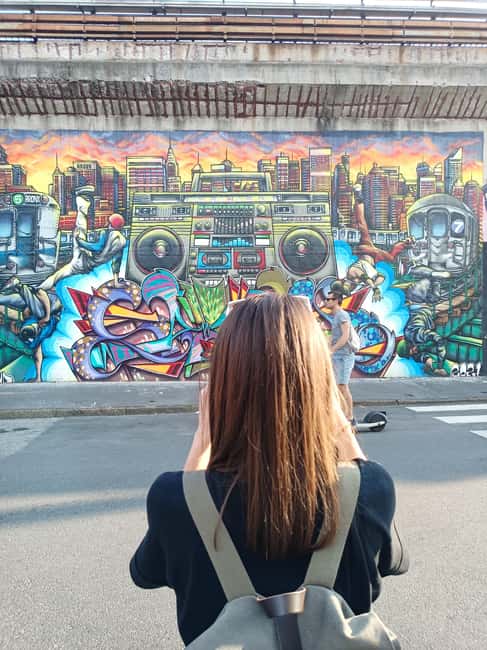
The walk begins and ends back in Pasteur. That loop format is helpful. You get a sense of the area in both directions, and the return trip gives you a chance to catch details you might have missed the first time.
Early on, you’ll likely get the guide’s “how to look” approach—what makes a wall worth your attention and what to notice beyond the obvious colors. In street art, the fun isn’t only the final image. It’s the choices: scale, placement, texture, and how the artwork relates to the building and the street around it.
If you like photography, this first phase also helps you calibrate fast. You’ll be taking quick photo stops rather than setting up long shoots, so learning what angle matters (and what doesn’t) is part of the value.
Via Padova photo stop: where the city feels contemporary
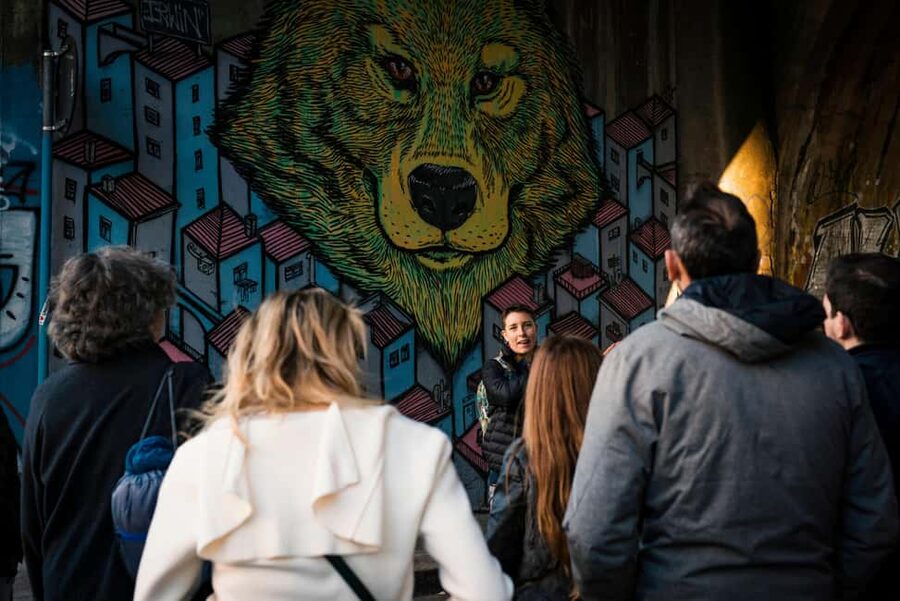
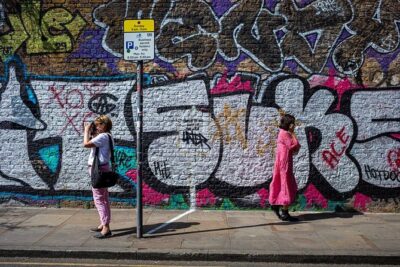
Via Padova is your next stop, with a mix of photo time, a visit, and guided explanation. This is a good moment in the route to see how street art changes from one facade to the next.
What you’ll get here is variety in visual language. Some murals are designed to be seen from a distance; others reward closer attention. With a guide, you don’t have to guess. They’ll point you toward details that are easy to overlook when you’re just walking and snapping.
Drawback to keep in mind: if you’re expecting a nonstop barrage of huge, permission-to-freak-out graffiti pieces, street art routes often include a range of sizes and styles. That can be a mismatch for a few tastes, and some guests noted feeling they wanted more graffiti punch for the price.
Via Giovanni Pontano and Viale Monza: spotting the styles and the intent
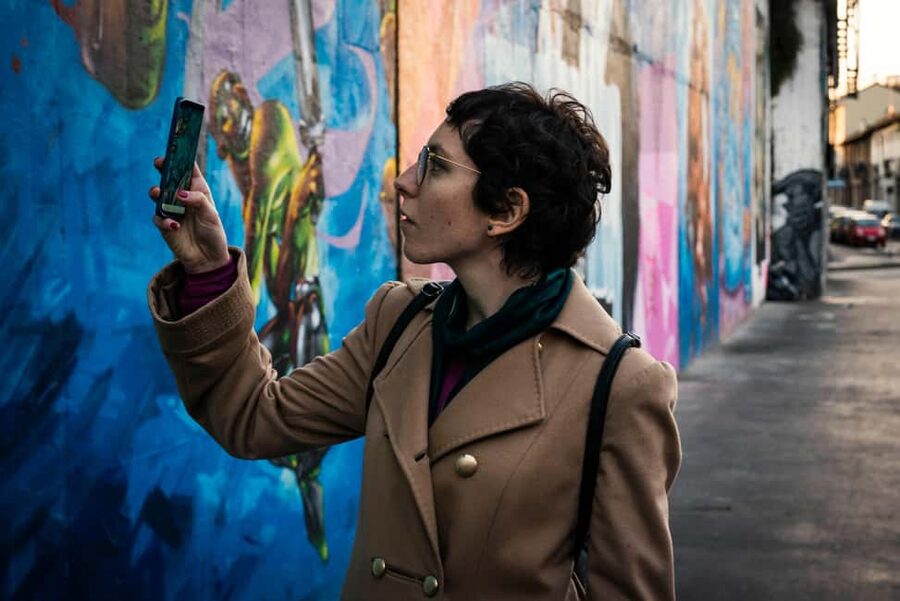
After Via Padova, you continue to Via Giovanni Pontano, again built around photo stops and guided viewing. Then the route moves to Viale Monza, where you get more art and more context.
This part of the walk is where the “history of Milanese and Italian street art” angle becomes more meaningful. Rather than treating murals as random decorations, the tour frames them as part of a tradition—how styles evolve and how artists communicate.
You also get a stronger sense of the neighborhood texture. These are streets where people work, shop, and move through their day. Street art here doesn’t feel like a theme park. It feels like a conversation happening in public.
Photo tip from how this tour is paced: since there are timed photo stops, you’ll benefit from moving a step, shooting quickly, and then letting the guide talk. You’ll leave with a set of better shots because you’re capturing the artwork while you understand what you’re capturing.
mosso, Bici&Radici, and Hug: street art meets everyday culture
Now you get an extra layer that I really like: the walk stops at small and alternative businesses, not only painted walls. The route includes mosso, Bici&Radici, and Hug.
This matters because street art doesn’t live alone. In places like this, creativity shows up in the way people run shops, the kinds of community spaces they support, and the mood of the street. When you step from a wall into a business stop, you start to see the ecosystem: artists, locals, and the businesses that give street culture somewhere to breathe.
Bici&Radici and Hug specifically fit that idea of a neighborhood culture you can’t get from a classic sightseeing itinerary. You’re seeing Milan as a living city with side streets and working corners, not only famous facades.
What to expect with these stops: you’ll have short guided moments and time to look around. It’s not a shopping tour, but it’s a chance to notice how alternative spots keep the city interesting between the big attractions.
The guided context you’ll carry home
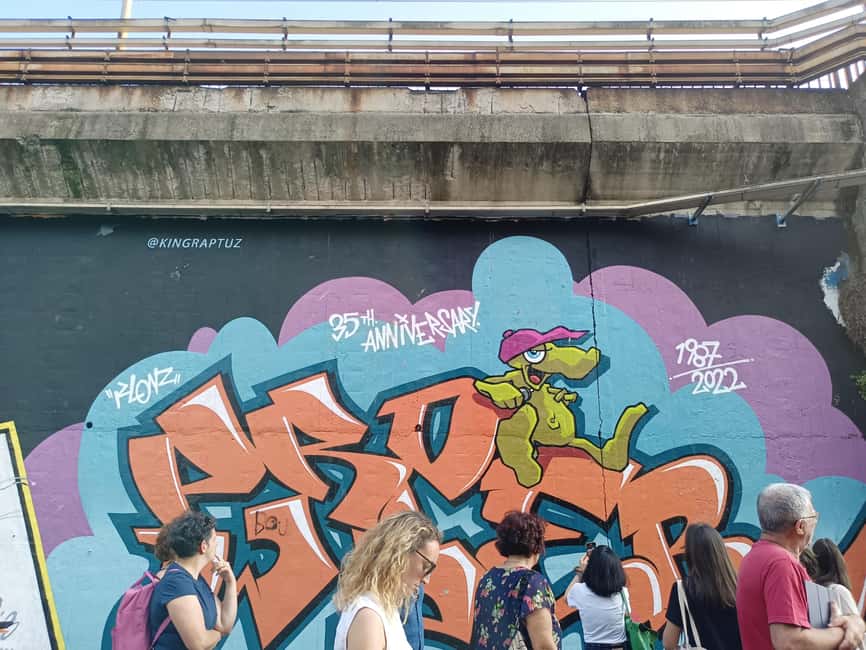
One promise of the tour is that you’ll learn notions about the history of Milanese and Italian street art. In practice, what that means on a walk like this is you’ll start connecting dots.
You’ll learn:
- how street art styles change over time
- how Milanese street art fits into a broader Italian story
- why street art can be protest, not just decoration
That context is what turns your photo set into something you can actually talk about later. Without it, street art can feel like a colorful blur. With it, you remember the details: the wall choice, the message tone, and the relationship between art and neighborhood.
Price and value: is $94 per person worth it?
At $94 per person for about two hours, this isn’t a bargain “walk for the fun of it.” You’re paying for a local expert plus a guided route designed around specific stops.
So the value equation is simple:
- If you love street art and enjoy learning what you’re seeing, you’ll likely feel it’s worth it. Past comments praised the guides for extra effort, clear explanations, and uncovering less obvious corners.
- If you’re coming mainly for a wall-to-wall festival of graffiti, and you’re not interested in background context, you might feel disappointed. Some guests said the street paintings felt underwhelming compared to the price.
My advice: be honest about your goal. This is a guided street art experience with history and photo stops. It’s not only a graffiti hunt.
Who this tour suits best
This works best for you if:
- you want a short, guided walk through Milan’s creative side
- you like street art with explanation, not just visuals
- you enjoy “alternative neighborhood” vibes and small business stops
- you want English or Italian commentary with local guidance
It may be less satisfying if you only want the biggest, most dramatic graffiti scenes and nothing else. Since the tour is curated around variety, the mix can be a feature—or a frustration—depending on your taste.
Also, it’s a good choice for anyone who finds self-guided street art searching slow. With a guide, you get a route and a reason to care about each stop.
Practical tips so you enjoy every stop
The tour is short, so small choices matter.
- Wear comfy shoes. You’ll be walking city streets and stopping often.
- Bring a charged phone/camera. Photo stops are part of the experience.
- Keep your pace. The guided moments are timed, so don’t get stuck trying to take the perfect shot for ten minutes.
- Bring curiosity. If you’re willing to listen while you look, the route lands much better.
Accessibility is handled: the tour is wheelchair accessible. Since it’s also a private group, the pacing is designed around your group rather than a big rush crowd.
Should you book this Milan street art walk?
I’d book it if you want a focused, two-hour street art experience that combines mural viewing, photo stops, and local context. The strongest reason is the guide quality—Simon’s route effort and Marco’s standout guiding style show up in past experiences—and the stops that go beyond walls into small businesses.
I wouldn’t book it if your top priority is maximum volume of graffiti with zero explanation. At $94, you’re paying for guided storytelling as much as you’re paying for street art itself.
If you’re the kind of traveler who likes learning what makes a neighborhood tick, this one is a smart use of time.
FAQ
How long is the street art tour in Milan?
The tour lasts 2 hours.
Where does the tour start?
You meet in front of the Scaringi pastry shop.
Which languages are available for the guide?
The live guide offers English and Italian.
Is this tour wheelchair accessible?
Yes, it is listed as wheelchair accessible.
Is it a private group?
Yes, it’s a private group.
What’s included in the price?
It includes a street art lover local expert (the guided street art experience).
What is not included?
Public transportation to reach the meeting point is not included.