REVIEW · MILAN
Milan: Street Art Tour of Ortica, Milan’s open air museum
Book on GetYourGuide →Operated by Tour in Milan · Bookable on GetYourGuide
Street art turns walls into Milan’s memory. In Ortica, a once-forgotten district, murals have become a live timeline of the city’s people, politics, and pop culture. You’ll walk the neighborhood with a local guide and look closely at what makes Milan’s street art more than decoration.
I especially like the way this tour connects each mural to real stories—from factory workers and activists to jazz legends and feminist icons. I also like the small group size (limited to 8) and the fact that it’s led in English by a live guide, so you can actually ask questions while you’re moving through the streets.
One consideration: if you’re expecting tons of street-art-covered building fronts at every turn, the mix may feel more focused on murals and viewpoints than on an endless parade of house facades.
In This Review
- Key things I’d prioritize before you go
- Ortica’s open-air museum feel: why this Milan walk matters
- What you’ll learn: street art history, techniques, and why the murals land
- Price and what feels like real value at $49 per person
- Meeting at Argonne: easy start, clear logistics, and smart footwear
- Stop-by-stop: how the 2 hours works in real time
- 1) Guided kickoff near Argonne (about 15 minutes)
- 2) Ortica guided walk and mural focus (about 45 minutes)
- 3) Photo stop (about 10 minutes)
- 4) A short free moment in Ortica (about 10 minutes)
- 5) Extra guided segments to connect themes (about 20 minutes, then about 10 minutes)
- 6) Viewpoint photo stop (about 10 minutes)
- The Or.Me. Project: why those murals feel different from typical street art
- Who this tour fits best (and who might want a different style)
- Practical tips to get better photos and better answers
- Should you book this Milan street art tour of Ortica?
Key things I’d prioritize before you go
- Or.Me. Project (Ortica Memoria) murals: over 20 large-scale works that turn local memory into public art
- History of street art in context, not just pictures: origins, techniques, and how graffiti gained recognition
- Backstreets and hidden corners in Ortica, shaped by rail lines, viaducts, and the Lambro River
- A short, efficient 2-hour walk with photo stops built in so you’re not constantly rushing
- Local storytelling with residents involved, so it feels community-made, not tourist-made
- Guides like Lucy or Luca are the kind of hosts you want: professional, enthusiastic, and easy to chat with
Ortica’s open-air museum feel: why this Milan walk matters
Ortica is one of those places that explains something important about cities: what gets painted, celebrated, and repeated says a lot about what a neighborhood thinks it is.
This tour focuses on Ortica, which has earned the reputation of being Milan’s first open-air museum district. The transformation didn’t happen out of nowhere. Ortica used to sit on the edge—historically working-class, shaped (and sometimes isolated) by the neighborhood’s infrastructure: viaducts, railway tracks, and the course of the Lambro River. In other words, it wasn’t designed for glamour. It was designed for function.
Over the last decade, that changed. Street art became a public language that helped reframe the district. Instead of seeing it as an industrial fringe, you start seeing it as a place with identity: people, struggles, and achievements made visible on building walls and surfaces you pass every day.
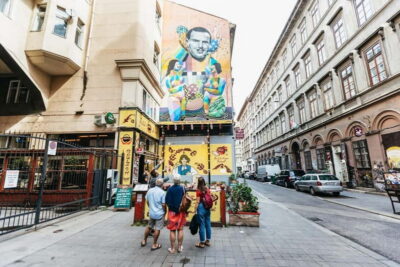
The big anchor for this story is the Or.Me. Project (Ortica Memoria) by the local artist collective OrticaNoodles. The scale matters: more than 20 large murals, not tiny tags. And it’s not presented as random decoration. It’s meant to tell collective memory—who Milan remembers, who it overlooked, and what it hopes for.
If you like art that has a point of view, this is the kind of tour that makes you look longer than usual. You’ll slow down your “photo brain” and switch on your “story brain.”
You can also read our reviews of more tours and experiences in Milan.
What you’ll learn: street art history, techniques, and why the murals land
This isn’t a tour that just says, Nice colors. It aims to help you understand what you’re seeing and why it matters.
You’ll learn about the history and origins of street art and how it moved from underground rebellion to recognized cultural form. That context changes how you interpret the murals. A style that might look spontaneous at first starts to feel intentional—linked to earlier graffiti culture, social movements, and specific artistic choices.
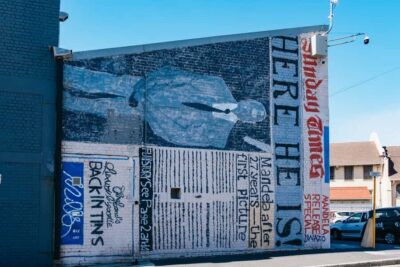
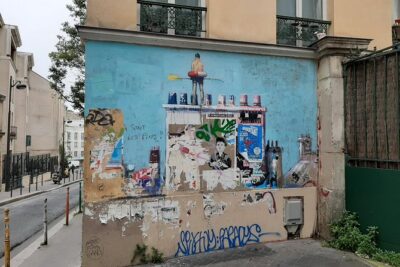
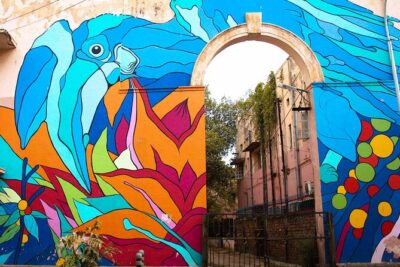
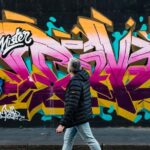
You’ll also get a practical overview of techniques and styles. Street art isn’t one thing. It can be layered typography, painterly murals, symbolic imagery, and visual shorthand that means more than it looks like at a distance. In Ortica, the murals often feel like large public posters, but with the visual punch of street-level art culture—built to be read quickly, then remembered later.
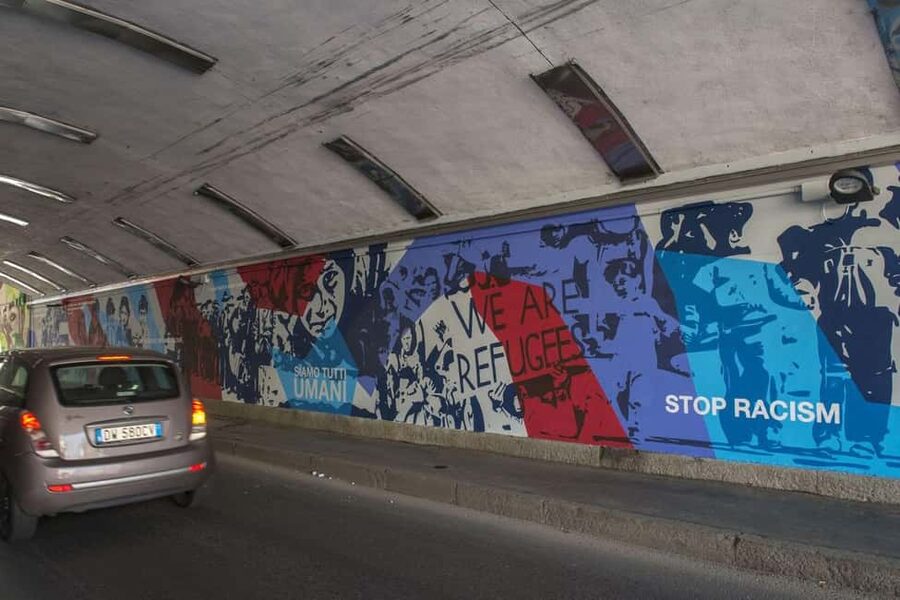
The tour also focuses on stories behind major themes in the artwork. You’ll hear about figures and communities that reflect Milan’s life in multiple decades: anti-fascist partisans, jazz legends, factory workers, musicians, activists, heroes, and feminist icons. Even “forgotten figures” matter here. That’s a big part of the Or.Me. Project concept: memory isn’t only for famous names. It’s also for the people who built the city’s day-to-day life and shaped its values.
One more detail I like: public art as urban change. You’re shown how street art can help redefine neighborhoods, make places feel more alive, and contribute to cultural and urban regeneration. That doesn’t mean every mural automatically fixes a city. But it does mean the artwork can shift attention, pride, and how residents and visitors relate to the street itself.
Price and what feels like real value at $49 per person
At $49 per person for a 2-hour guided walk, the price makes sense if you care about the explanations, not just the visuals. You’re paying for a guide who can connect what you see to the neighborhood’s transformation, plus time spent locating and interpreting significant works.
This is not a long day tour. The goal is efficiency: you get a concentrated walk through Ortica with stops for photos and breaks to look on your own. For me, the best “value test” here is whether the guide’s commentary changes your experience. In this case, the tour is designed to do that, with lessons on street art history, the Or.Me. Project, and the social impact of the murals.
Two practical notes affect value:
- Transportation isn’t included. Plan on getting yourself to the meeting point first.
- Food and drinks aren’t included. If you’re hungry, eat before or after—this is a walking tour, not a meal.
Small group size helps justify the cost too. When the group is limited (to 8), it’s easier for the guide to keep things moving without turning the tour into a loud parade.
Meeting at Argonne: easy start, clear logistics, and smart footwear
You meet outside the metro stop Argonne (Line 4). The guide is there with the agency logo, so you’re not playing guessing games with strangers.
From a practical standpoint, arriving a few minutes early is worth it. You’ll want time to confirm you’re with the right group and get comfortable before walking begins.
Footwear matters. This is a neighborhood walk with street-level surfaces, photo stops, and quick transitions. Bring comfortable shoes. Even if the total walking time doesn’t sound dramatic on paper, the pace stays active.
Weather matters too. The tour can be rescheduled in bad conditions. Check the forecast the same day and dress for walking rather than for waiting.
Also, you’ll be in residential and street-life areas. Photography is encouraged, but the respectful part matters: treat the art and the neighborhood like someone’s home and workplace, not just a backdrop.
Stop-by-stop: how the 2 hours works in real time
Even without getting hung up on exact minute-by-minute details, the tour has a rhythm. It starts with orientation, then shifts into mural discovery, then gives you small windows to pause, photograph, and look again.
1) Guided kickoff near Argonne (about 15 minutes)
Before you get deep into Ortica, you start with a guided introduction. This early part helps you “read” the neighborhood. You’re not dropped into street art blind. You’re given a framework for what you’ll see next—street art as culture, not just graffiti as noise.
This short briefing is also where you’re likely to pick up what to pay attention to during the walk. That makes the longer mural segments far more satisfying.
2) Ortica guided walk and mural focus (about 45 minutes)
This is the main discovery stretch. You go deeper into Ortica’s backstreets, taking in the most meaningful pieces connected to the neighborhood’s transformation.
The guide’s job here is crucial: they help you connect the artwork to Ortica’s memory and to the Or.Me. Project concept. Expect stories tied to Milan’s social life—workers, musicians, activists, and historical figures that reflect how the city has changed.
This is also where you’ll likely hear about the evolution of graffiti and street art in Milan, from underground rebellion to more accepted cultural form. The difference is subtle but powerful: you begin seeing the murals as part of a larger conversation, not isolated art moments.
One upside of this segment is that you’re walking through the neighborhood itself. The murals aren’t placed in a museum-like “do not touch” bubble. You’re experiencing the art in the same streets where people live.
3) Photo stop (about 10 minutes)
This segment exists for a reason: you need time to focus without rushing. Use it to take a few slow photos rather than hundreds of quick ones. If you can, step back and include the surrounding street environment. Street art reads differently when you show how it sits in its actual setting.
4) A short free moment in Ortica (about 10 minutes)
Then you get a small pocket of free time. This is helpful if you want to:
- compare details up close,
- walk a bit toward the mural’s angle,
- or simply reset before the final segments.
It’s also a good time to ask a quick question you didn’t get earlier, if your guide is still nearby.
5) Extra guided segments to connect themes (about 20 minutes, then about 10 minutes)
After the free moment, the tour continues with more guidance. These parts are often where the guide ties multiple murals together into a bigger thread: how public art reshapes neighborhoods, how techniques and styles vary, and how the Or.Me. Project has community impact.
If you’re the kind of person who likes explanations that stitch details into a single story, this is the section where you’ll feel that payoff.
6) Viewpoint photo stop (about 10 minutes)
The tour ends with a viewpoint photo stop. Even if your goal is strictly mural photography, this final pause can be useful. It helps you understand the neighborhood layout and see how these artworks fit into the district rather than floating on blank walls.
It’s also the part where you can catch your breath and make sure you have a good set of photos before heading back out.
The Or.Me. Project: why those murals feel different from typical street art
A lot of street art tours show you impressive works. This one is specifically organized around the Or.Me. Project and OrticaNoodles. That matters because you’re not just hunting the best wall paintings; you’re following a deliberate program.
The project tells collective memory of Milan through vibrant imagery and large-format murals. The themes are human: heroes, workers, musicians, activists, and people who were overlooked. Over 20 large-scale murals are part of a single arc, which means patterns can emerge as you walk: recurring symbols, emotional tones, and visual storytelling that feels consistent in purpose.
Another difference: the murals are described as part of a community storytelling project with residents involved. When locals participate, the street art feels less like an outside takeover and more like a neighborhood using art to talk to itself.
That shifts how you react while you’re standing in front of a mural. Instead of thinking only about color and composition, you naturally start asking:
- Who is being remembered here?
- What social idea is being carried forward?
- How does this change how the street feels day to day?
That’s the kind of mental shift that makes this tour more than a quick photo loop.
Who this tour fits best (and who might want a different style)
This is a great choice if you want a street art experience with context—history, technique, and social meaning—without turning it into a lecture. It suits you if you like:
- walking tours that teach you as you move,
- photography with better framing because you understand the subject,
- art that connects to real places and real community themes.
It may be less perfect if you primarily want a heavy volume of street-art-covered building fronts at every step. The tour is focused on the most creative, evocative, and significant works in Ortica, which includes murals and key photo moments, not a nonstop storefront parade.
Practical tips to get better photos and better answers
A few small things can make your two hours more satisfying:
- Bring a camera mode you can switch fast. You’ll have multiple opportunities, including photo stops and a viewpoint.
- Look for details twice: once from a distance to get the full image, then from closer range to understand the story elements.
- Wear comfortable shoes. Ortica is made for walking, but you’ll still appreciate cushioning.
- If the weather changes, keep flexible expectations. The tour may be rescheduled in bad conditions.
- Respect the neighborhood. Street art may feel public, but it’s still lived-in.
And about guides: this kind of tour lives or dies on the host. You might get a guide like Lucy, described as professional and enthusiastic, or Luca, described as informative and easy to chat with. If you have questions about the stories behind the murals, that friendly Q-and-A energy is where you’ll get extra value.
Should you book this Milan street art tour of Ortica?
If you want a 2-hour Milan experience that’s visual but also meaningful, I’d book this. It’s a strong value when you price in a guided walk through Ortica’s open-air museum identity, plus the explanations behind the Or.Me. Project and what street art means for a neighborhood’s public self-image.
Book it if:
- you’re curious about street art history and techniques,
- you want to see why Ortica is described as an open-air museum district,
- you like walking tours where the guide helps you interpret what you’re seeing.
Consider passing if:
- you mainly want a huge quantity of street-art-covered facades without much commentary,
- or you’re not up for a neighborhood walk on street level surfaces.
Bottom line: if you like stories attached to art, and you want to see Milan from a different angle than the usual sights, Ortica is one of the more rewarding places to spend your time.