REVIEW · ROME
Rome: Ostiense Graffiti and Modern Street Art Walking Tour
Book on GetYourGuide →Operated by Rome - Tour · Bookable on GetYourGuide
Street art in an industrial Rome pocket. On this Ostiense walking tour, I love how the colors and textures start in the Piramide area, then keep building as you head onto Via Ostiense. It’s a neat way to connect modern graffiti culture with the neighborhood’s old “work first” bones.
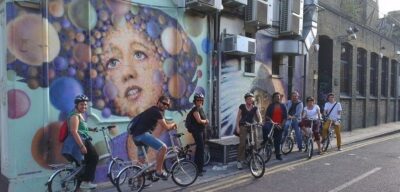
My other favorite part is the small-group feel. You get a live English guide who can actually talk street art, not just point and move, and headsets are available for clearer listening when groups run larger than 10.
One thing to keep in mind: at $94 for a 2-hour walk, you’ll want the pace to match your expectations. If you get a fast-moving guide (or the route feels short), the value can feel thin.
In This Review
- Key takeaways before you go
- Ostiense Street Art Begins at Piramide, Not the Colosseum
- The Pyramid of Cestius: A Strange Opening Act for Modern Walls
- Via Ostiense: Where Graffiti, Stickers, and Wheatpaste Meet
- The 1930s Gasometer: Industrial Rome That Still Guides the Eye
- How to Read Modern Street Art on the Walk
- Semi-Private, 2 Hours: Great for Focus, Short Enough to Feel Rushed
- Price and Value: Is $94 Actually Worth It?
- Who This Tour Fits Best (and Who Might Prefer Something Else)
- Should You Book This Rome Ostiense Graffiti and Modern Street Art Tour?
- FAQ
- How long is the Rome: Ostiense Graffiti and Modern Street Art Walking Tour?
- Where does the tour meet?
- Is it a small group tour?
- Do I get help hearing the guide?
- What should I bring or wear?
- Is the tour wheelchair accessible?
Key takeaways before you go
- Piramide start point with the Pyramid of Cestius nearby sets the tone before you even hit the murals
- Via Ostiense is the main corridor where graffiti, stickers, and wheatpaste posters show up
- Ostiense’s 1930s gasometer connects the modern walls to the district’s industrial past
- Modern street art focus means you’re not stuck on generic photo stops
- Small group limits crowd pressure so you can actually look, not just walk through
Ostiense Street Art Begins at Piramide, Not the Colosseum
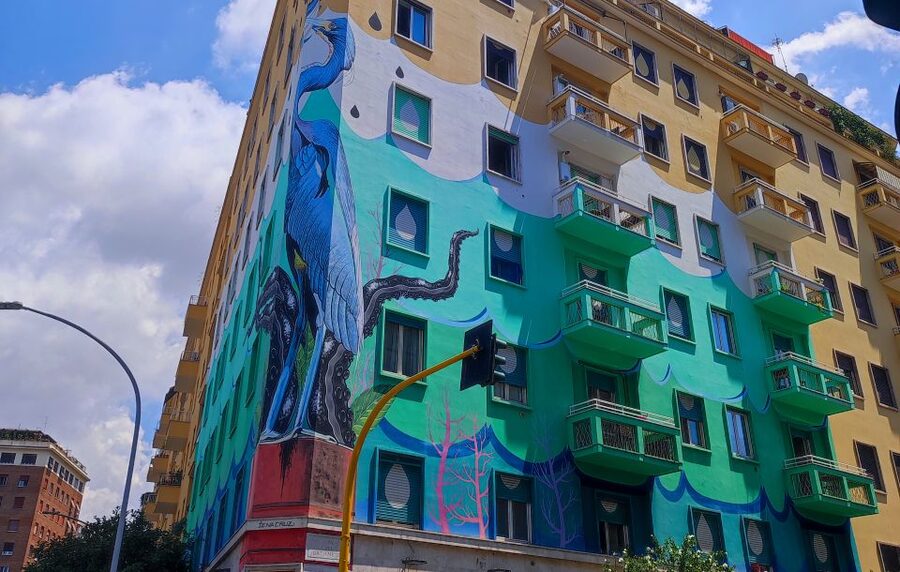
Ostiense sits just outside the classic postcard loop. That’s exactly why this tour works. You’re walking in a part of Rome where older industrial buildings have turned into apartments, bars, and restaurants, while the walls still carry the energy of city life.
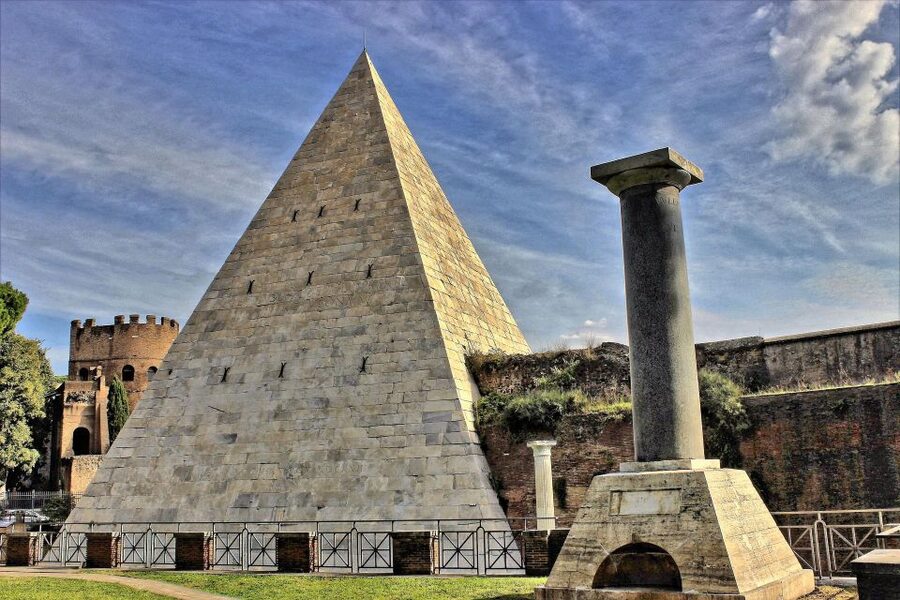
The tour kicks off at the Piramide metro stop area. It’s named after a very specific landmark: the pyramid outside—Roman, Egyptian-style, and hard to ignore. From there, the walk transitions into Via Ostiense, and that’s where the street art starts to feel like it belongs.
This is not a “stand in front of one mural for five minutes” experience. It’s more like a guided stroll where the guide helps you notice what you’d normally pass by: layers, styles, and the way street art reacts to the neighborhood.
You can also read our reviews of more tours and experiences in Rome.


The Pyramid of Cestius: A Strange Opening Act for Modern Walls
Right at the start, you get to see the pyramid associated with Gaius Cestius. This 36-metre-tall funerary monument is covered in white marble and rises as a sharp, memorable silhouette against the Ostiense skyline.
Why it matters for your tour: this isn’t just a random Rome landmark to check off. It gives you a contrast you can feel. You begin with a monument built for permanence, then you move into a district where artists treat surfaces as temporary and changeable.
If you’re the kind of person who likes context, you’ll appreciate how the tour uses the pyramid as a “before” picture. It helps you frame what comes next: the neighborhood’s modern street language, written on walls instead of stone.
Via Ostiense: Where Graffiti, Stickers, and Wheatpaste Meet
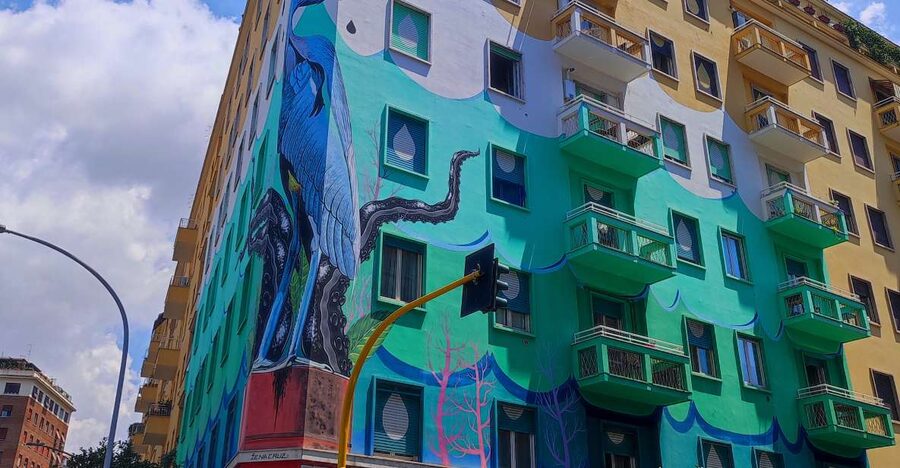
Once you’re oriented, you walk down Via Ostiense. The street has history here too: it was once an ancient route stretching toward the sea, connected to the trading port of Ostia. Even if you’re not into Roman logistics, that background explains the vibe. It’s a corridor built for movement, commerce, and passing through.
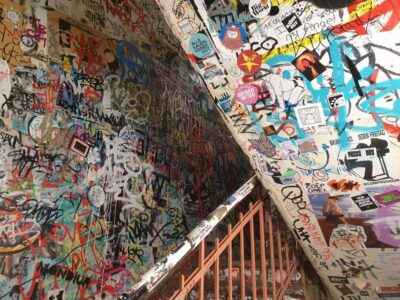
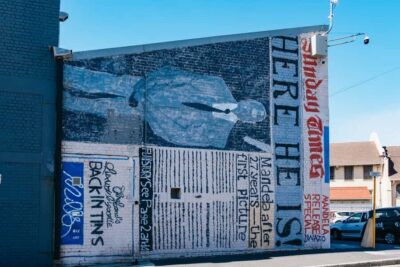
This is also the corridor where modern street art becomes obvious—graffiti tags and larger pieces, plus stickers and wheatpaste posters. You’ll probably notice how the art changes character as you go. Some walls feel like quick declarations; others look like planning and patience.
Here’s the practical part: give your eyes a second before you decide what you’re seeing. Wheatpaste posters often have edges and paper textures that are easy to miss when you’re walking fast. Stickers can overlap like a timeline—one message stuck over another, then weathered.
If you want great photos, bring your patience. Look first, then shoot. If your guide keeps moving, do your best to pause for a breath before you take pictures.
The 1930s Gasometer: Industrial Rome That Still Guides the Eye
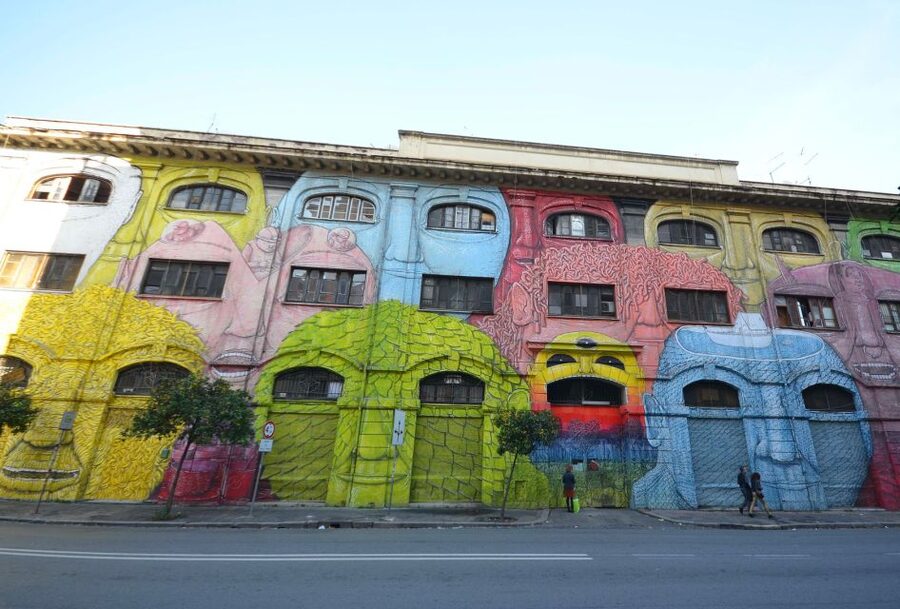
One of Ostiense’s biggest visual cues is the cylindrical gasometer dating from the 1930s. It’s visible from all around town, and it’s a great reminder that this neighborhood has working-class roots.
On a street art tour, you might wonder why a gasometer belongs. The answer is simple: it shapes how you understand the artwork. This is a district where big industrial structures co-exist with everyday life, which means artists often respond to the “real city” environment rather than a clean, curated backdrop.
The gasometer also helps you orient your sense of place. It’s a landmark you can use to reset your bearings mid-walk, especially if you’re mixing this with other Rome sightseeing that day. You’re not just chasing murals; you’re reading a neighborhood.
How to Read Modern Street Art on the Walk
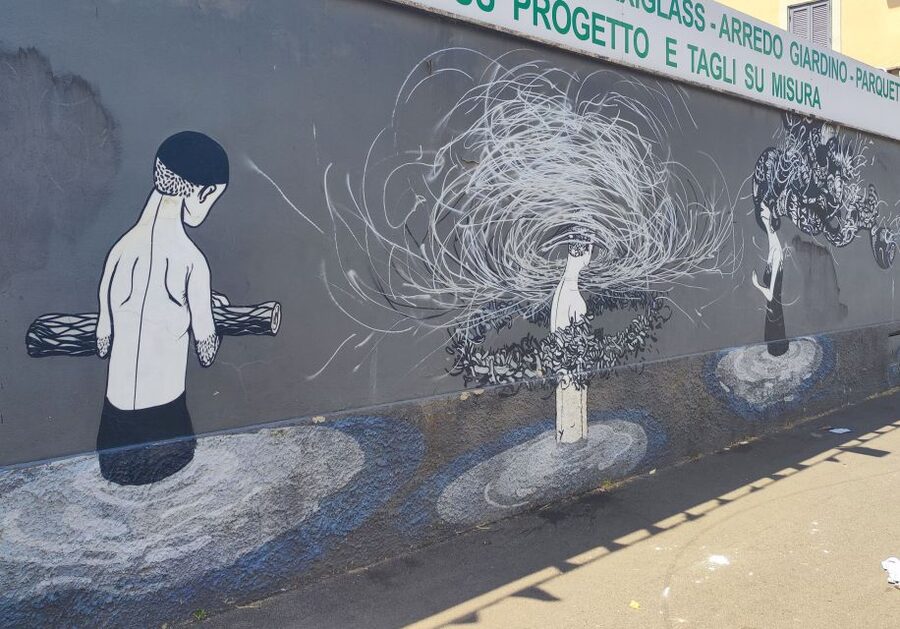
A good street art guide doesn’t just list names. They help you see patterns. In this case, the tour approach focuses on how the artwork functions in the neighborhood, not only how it looks in a photo.
A detail worth paying attention to: Ostiense isn’t one style of wall. You’ll see layers. You’ll see different materials—spray paint for graffiti, paper for wheatpaste, and stickers that act like quick interventions. The mix is part of the story.
Also, listen to the guide’s tone. When the guide’s passion lands (for example, one guide named Juan is noted for bringing real enthusiasm for street art), the walk turns into a conversation. You start asking yourself better questions: Why place a piece here? What’s the relationship to the building texture? How does the art interact with the street’s movement?
If your guide is very fast, that kind of street-art reading can get harder. You’ll still see plenty, but the “why” gets lost when the pace doesn’t let you slow down.


Semi-Private, 2 Hours: Great for Focus, Short Enough to Feel Rushed
The tour runs about 2 hours and is designed as a small-group experience, limited to 10 participants. In practice, that format is meant to reduce crowd noise so you can actually hear the guide and take in the art.
Headsets are included if the group is bigger than 10, which tells you the operator expects occasional headcount creep. Either way, you’ll want to use the headset so you don’t miss the explanation while you’re looking at walls.
Two hours is also the built-in limit of the value proposition. This tour is ideal if you want a concentrated taste of Ostiense street art without committing half a day. It’s less ideal if you’re hoping for a slow, museum-style “linger at every piece” route.
And there’s a real-world consideration: if the walk feels quicker than promised, you lose that all-important slow-looking time. This is where you’ll feel it most, especially if you came specifically for pictures.
Price and Value: Is $94 Actually Worth It?
At $94 per person for a 2-hour guided walk, you’re paying for three things: a guide who can interpret street art, a focused route in the Ostiense area, and the small-group setup.
That price makes sense if:
- you enjoy explanation while you walk (not just the visuals),
- you’re curious about how street art relates to place,
- you prefer a structured route over wandering randomly.
It might not feel worth it if:
- you’re very detail-driven and need lots of time in front of pieces,
- you prefer a slower pace with long pauses for photos,
- you expect a deeper, slower “art talk” at every stop.
My practical advice: treat this as a high-impact introduction to Ostiense, not an all-day deep survey. If that matches your goals, it can be a strong spend.
Who This Tour Fits Best (and Who Might Prefer Something Else)
This is a solid choice for you if you’re excited by modern street art and want to see it in a real neighborhood setting. It’s also a good fit if you like walking tours that connect a landmark (the Pyramid of Cestius) to the local wall culture along Via Ostiense.
You should think twice if you:
- need longer viewing time per artwork,
- hate fast walking,
- plan to travel with large luggage (the tour does not allow luggage or large bags).
It also isn’t suitable for people with mobility impairments or wheelchair users, since it’s a walking experience.
If you’re pairing this with other Rome sights, plan it as a standalone mood shift. Start in the pyramid area, move through the industrial/working-class atmosphere, then let the street art provide your evening’s “pulse.”
Should You Book This Rome Ostiense Graffiti and Modern Street Art Tour?
Book it if you want a guided, small-group way to experience Ostiense street art with real context, starting at the Pyramid of Cestius and moving down Via Ostiense. The route is short enough to stay focused, and the neighborhood setting gives the art more meaning than a random mural chase.
Skip it or choose carefully if your priority is slow, photo-first viewing. At $94, you’ll feel the difference between a tour that encourages stopping versus one that moves quickly. If you’re the “pause and look closely” type, make sure you’re comfortable speaking up for a few extra seconds in front of the best walls.
FAQ
How long is the Rome: Ostiense Graffiti and Modern Street Art Walking Tour?
It lasts about 2 hours.
Where does the tour meet?
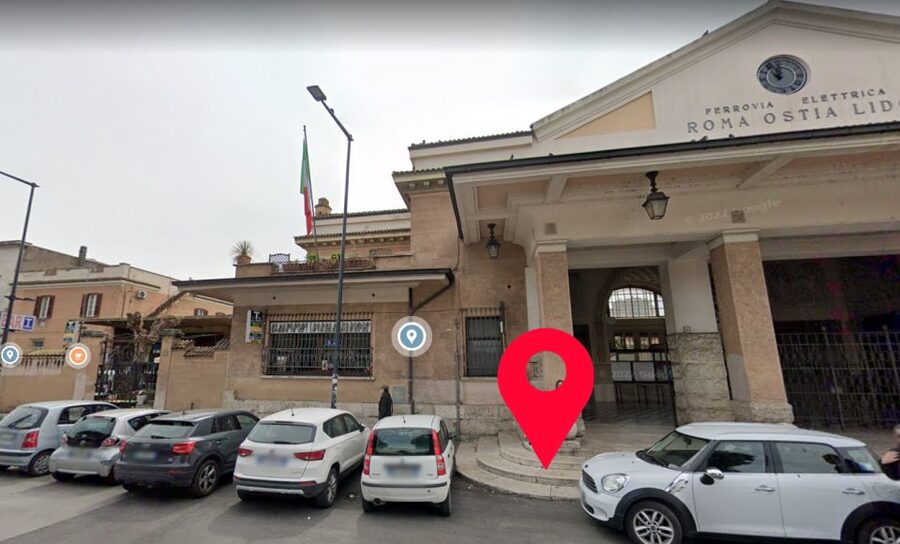
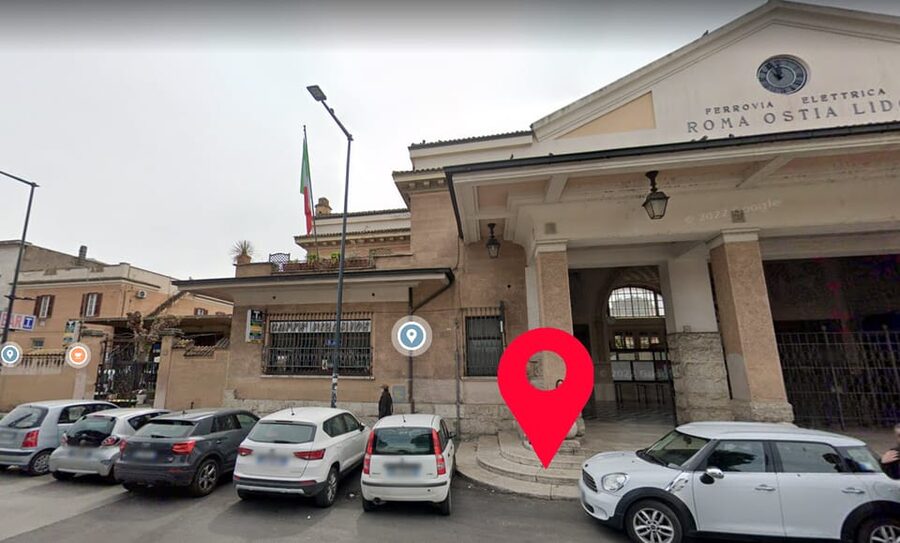
Meet in front of the Roma Ostia Lido Station, outside the area near Piramide (the tour notes a photo reference for the exact spot).
Is it a small group tour?
Yes. It’s limited to 10 participants, and it’s described as a semi-private experience.
Do I get help hearing the guide?
Headsets are included, especially if the group grows beyond 10 people.
What should I bring or wear?
Bring comfortable shoes, since it’s a walking tour. Avoid large bags, because luggage or large bags are not allowed.
Is the tour wheelchair accessible?
No. It’s not suitable for people with mobility impairments or wheelchair users.