REVIEW · NEW YORK CITY
NYC: Brooklyn Graffiti & Street Art Walking Tour in Bushwick
Book on GetYourGuide →Operated by Brooklyn Unplugged Tours · Bookable on GetYourGuide
Bushwick turns walls into street-level stories. On this Brooklyn graffiti & street art walking tour, you’ll learn how murals, tags, wheatpaste, and stencils became today’s neighborhood language. I love the artist-and-style context you get on the ground, and I love the mix of techniques beyond just big murals.
I also like the way the tour’s focused on what you’re looking at right now in Bushwick, not some generic art lecture. One drawback: it’s in Brooklyn, and getting there can eat time—plan for extra subway travel if you’re starting from Midtown or Lower Manhattan.
Guides like Nick (and others such as Derrick, Caty, and Zlada, depending on the day) bring a personal voice to the scene. If you’re the type who likes history that shows up on bricks and fences, this two-hour walk is a strong way to see it.
In This Review
- Key things you’ll notice on this Bushwick street art walk
- Meeting at Wyckoff-Starr Coffee Shop: your clean starting line
- Bushwick Collective: learning the neighborhood’s street art timeline
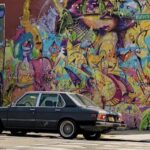
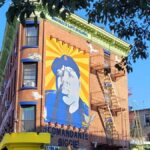
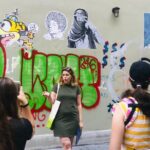
- The walk through Bushwick itself: murals, wheatpaste, tags, stencils
- What the guides actually add (and why it feels different)
- How to get the most from two hours (timing that matters)
- Price and value: why $32 can make sense here
- Best fit: who will enjoy this most
- Practical tips before you go
- Should you book this Brooklyn graffiti & street art tour?
- FAQ
- Where does the tour start?
- How do I get there using public transit?
- How long is the walking tour?
- What kinds of street art will I see?
- What should I bring?
- Is food or drinks included?
- Is the tour only in English?
- Can I cancel and get a refund?
Key things you’ll notice on this Bushwick street art walk
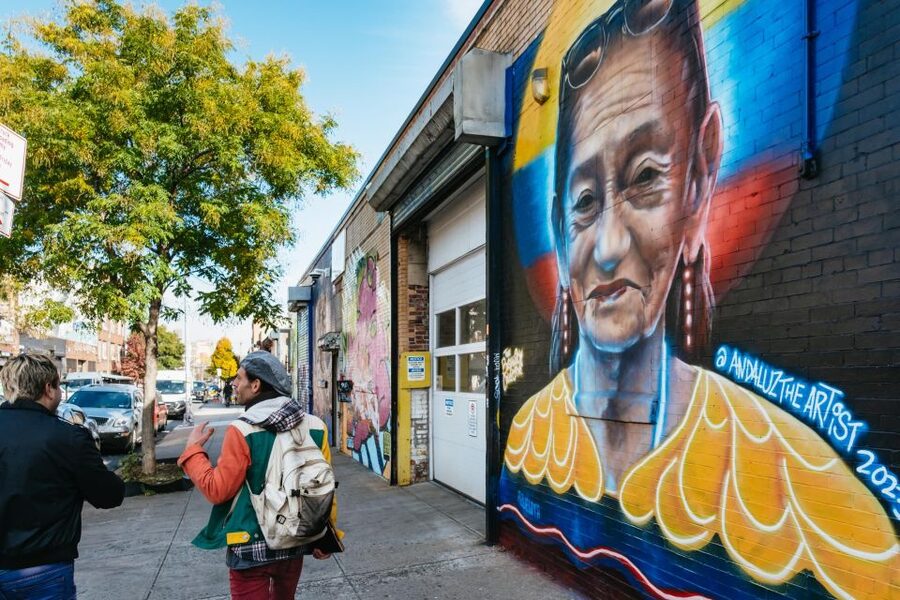
- Wyckoff-Starr Coffee Shop start point makes it easy to regroup and refuel nearby after the walk
- Bushwick Collective stop helps you read the neighborhood’s street art like a timeline
- Stencils + wheatpaste + tags so you can spot different styles fast (and know what they’re doing)
- International artist context explains why the look of Bushwick feels global
- Guide-led artist stories often include real-world details like community, payoff, and recognition
- Bonus moments may happen such as an artist meeting or an artist retrospective depending on the group
Meeting at Wyckoff-Starr Coffee Shop: your clean starting line
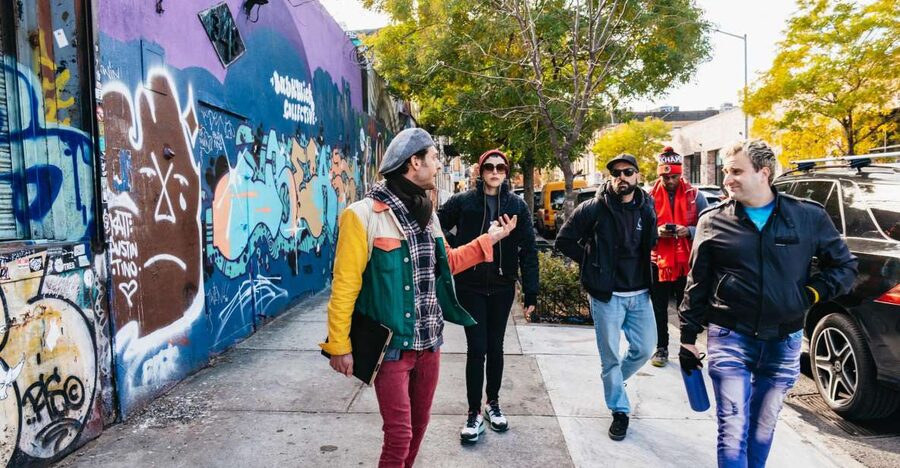
The tour meets in front of Wyckoff Starr Coffee Shop at 30 Wyckoff Avenue, between Troutman and Starr Streets, in Brooklyn. It’s a practical spot: you can use it as a landmark, grab water before you head out, and avoid the classic walking-tour scramble.
Getting there is straightforward if you take the L subway line to Jefferson Street. The ride from 14 Street – Union Square is about 20 minutes, and from Midtown you should expect roughly 10–15 extra minutes for the transfer. If you’re coming from farther downtown, budget more time; the area is worth it, but the travel time can jump to around 30 minutes.
The biggest “logistics” tip I’d give you: wear comfortable shoes and bring a camera—because you’ll want to photograph from close range, not just across the street. Also pack water, even if you’re only out for two hours, since Bushwick neighborhoods are easier to enjoy at walking pace than at sprint pace.
You can also read our reviews of more tours and experiences in New York City.

Bushwick Collective: learning the neighborhood’s street art timeline
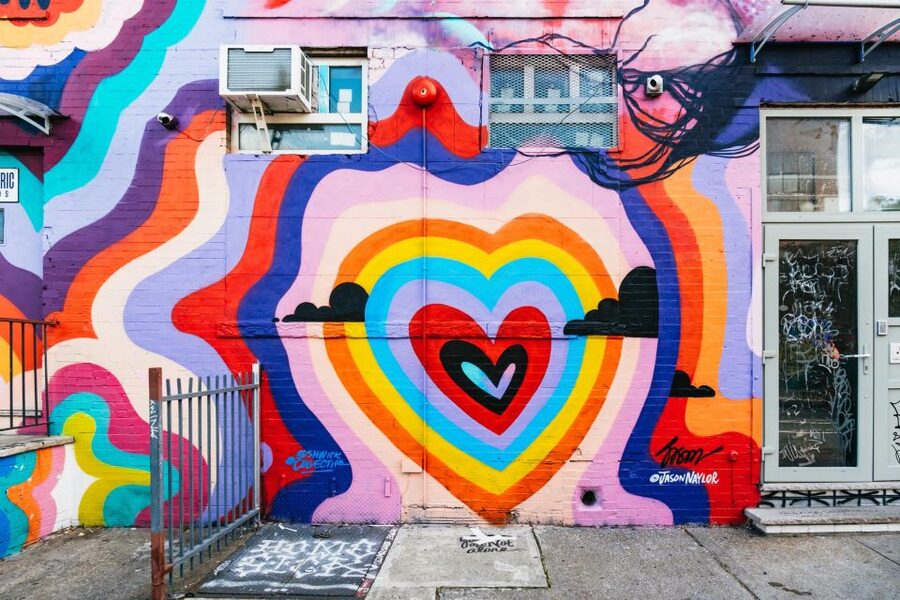
A big part of the value here is that you don’t just see art—you learn how Bushwick street art became what it is. The walk starts by steering you through the Bushwick Collective area, where the guide frames what you’re seeing as part of a longer street-art evolution.
You’ll spend about an hour moving through the blocks and having the guide point out the meaning behind visible style choices. That matters because “graffiti” and “street art” can look similar at first glance, but the intentions often differ. When a guide connects style to scene, you start noticing things like recurring symbols, lettering rhythms, and how artists adapt to the available surfaces.
This is also where the guide’s storytelling tends to shine. Past groups have shared experiences like hearing how community dynamics shape what gets painted—and how people respond to it. It’s not just, who made it, but why that wall, at that time, in that context.
The walk through Bushwick itself: murals, wheatpaste, tags, stencils
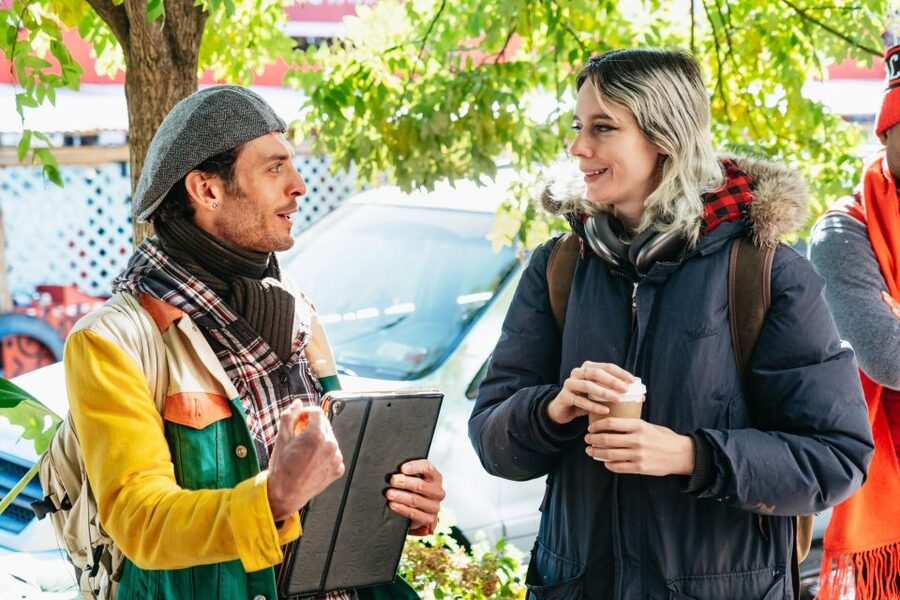
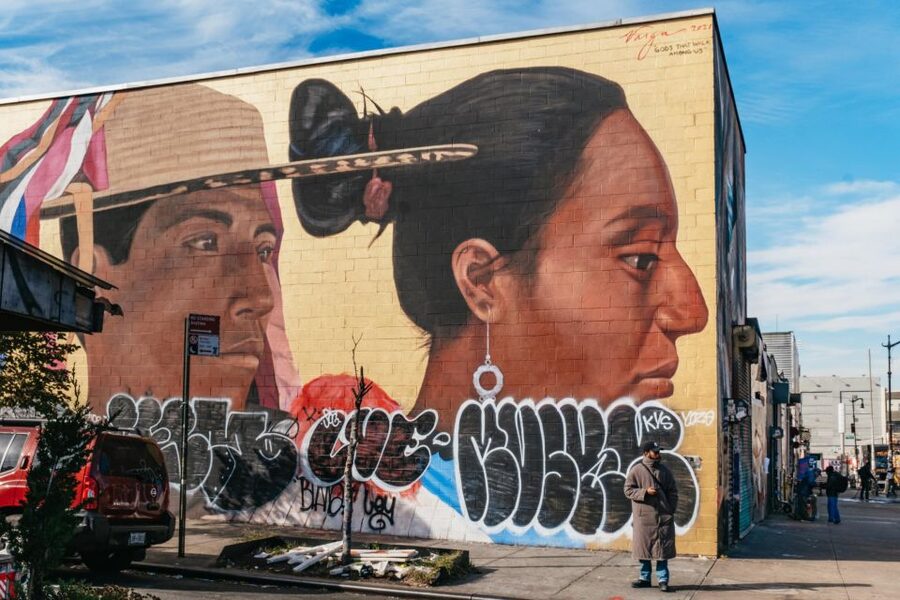
After the Collective stop, you continue for another hour through Bushwick with a strong emphasis on seeing variety. You’re not limited to the biggest murals. You’ll also be trained to notice the smaller stuff that often tells the most interesting story.
Expect to encounter different styles and formats such as:
- Murals (large-scale works, usually the headline)
- Wheatpaste posters (paper layered into street culture)
- Stencils (fast, repeatable, graphic impact)
- Tags (letters and signatures that mark presence)
That variety is the point. In many cities, you can walk past a wall for years and never learn what you’re looking at. Here, the guide helps you separate techniques and see how each one fits a specific kind of street-life communication.
You’ll also learn that Bushwick street art is not one aesthetic. It includes influences that reach beyond the borough. The tour highlights that today’s artists come from places across Europe, South America, and East Asia, and that the neighborhood’s look has been shaped by that mix.
What the guides actually add (and why it feels different)
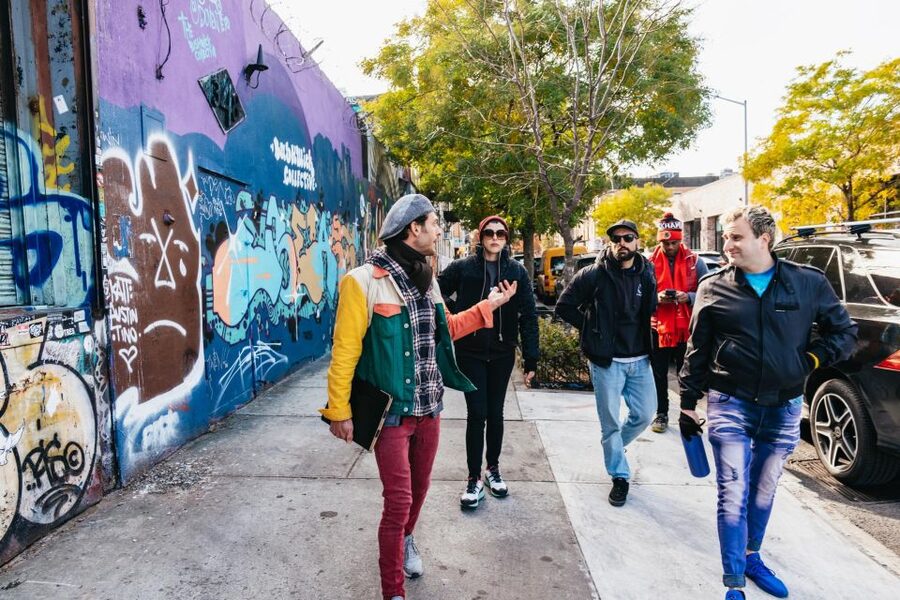
The guide is often the difference between a satisfying walk and a forgettable one. The strongest feedback you’ll see for this tour centers on the guide’s passion and the way they can connect artwork to people and place.
Guides like Nick show up often in past groups, and the common theme is clear: the guide doesn’t only point out where to look. They explain how the scene works. That includes history, local identity, and even the business side of street art—like how much people have been willing to pay for works.
You may also get additional moments that go beyond the street corner narration. Some groups have described meeting an artist on the street and getting access to an artist retrospective. That can’t be guaranteed from the tour information alone, but it’s a real possibility worth being open to.
Also pay attention if the guide brings up topics like community, gentrification, and what changes when a neighborhood becomes famous. That’s not small talk; it’s often the missing layer that helps you understand why certain works show up, why they disappear, and why the arguments around street art can get serious.
How to get the most from two hours (timing that matters)
Two hours goes fast in Bushwick if you’re stopping to read every tag like it’s a museum label. The smart approach is to balance “zoom in” and “zoom out.”
Here’s how you can do that:
- Use your first few minutes to let the guide teach you what to look for.
- Take photos during the explanation windows, not only when you feel ready.
- When the guide points out a technique like stencils or wheatpaste, try to spot examples of that same technique elsewhere on your own.
The tour is on foot, with no transportation included. That’s good news if you want an active, street-level experience. It’s also a reason to plan your day around walking time and subway time. From many starting points in Manhattan, the trip over can take longer than you expect.
If you’re visiting during cold or rain, bring weather-appropriate clothing. Street art doesn’t pause for bad weather, but your comfort level will control how much you enjoy it.

Price and value: why $32 can make sense here
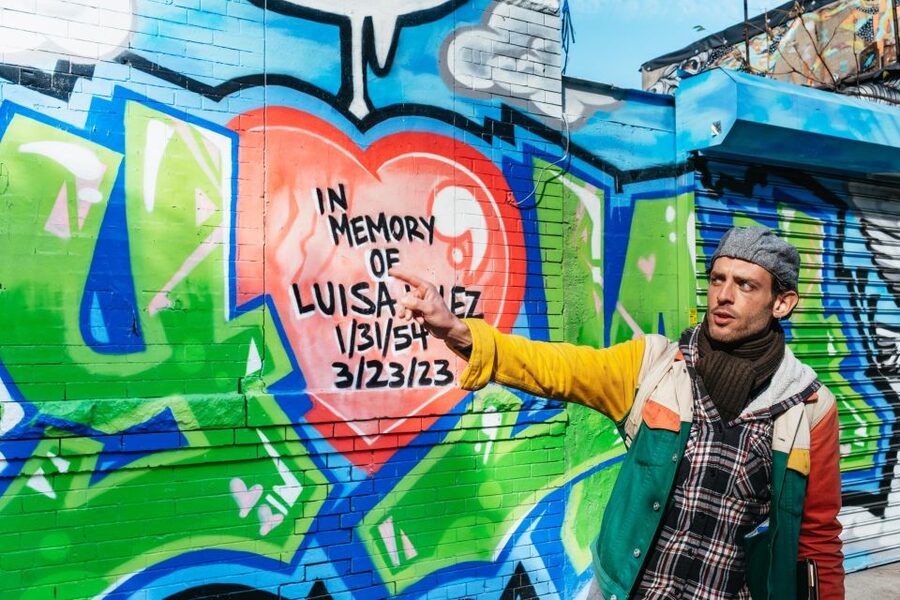
At $32 per person for a two-hour guided walking tour, the math works best if you value context. If you just want to wander and take photos, you can do that on your own. But the price becomes easier to justify when a guide helps you read the street art like a language.
The tour includes a tour guide and the walking tour itself. That’s the core product: someone who can point out top local murals, explain styles, and connect the art to the evolving culture of the area. Since street art changes constantly, having a guide who knows what’s important right now is a real form of value.
Also, the guide-led stories can make your photos more meaningful later. You won’t just have images—you’ll have names of artists, styles you can recognize, and the sense of how the culture shifted over decades. That’s the kind of souvenir that lasts beyond the trip.
Best fit: who will enjoy this most
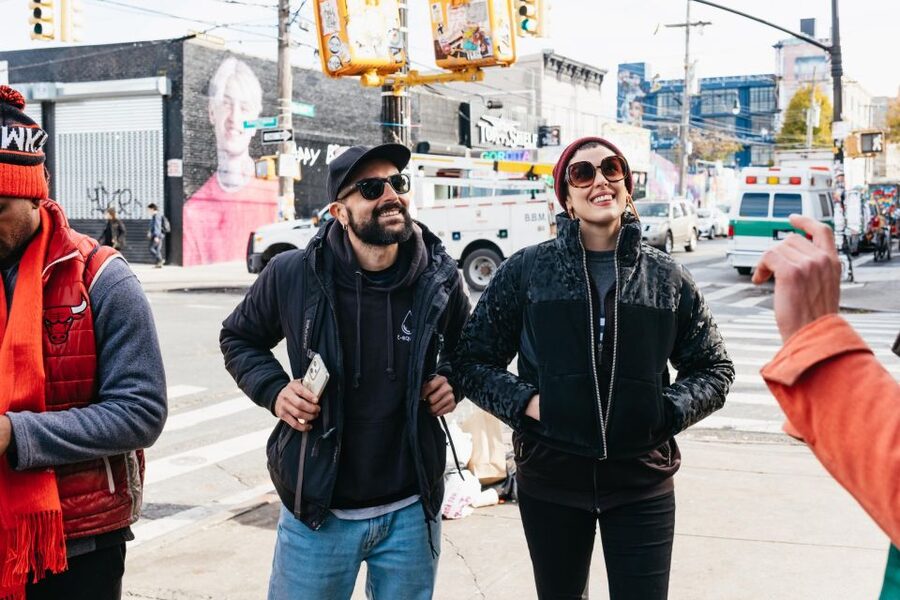
This tour fits you if you like:
- Street-level art more than white-wall museum browsing
- Learning the difference between graffiti techniques (tags, stencils, wheatpaste)
- Urban culture with real-world context, not just aesthetics
- A guided walk where the guide points out what you’d likely miss alone
It’s also a solid pick for a wide age range. Some past groups included a parent and teen, with the teen using the photos later for school work. If you’re traveling as a family, this type of walk can be a good way to turn curiosity into learning without turning the day into a classroom.
If you’re purely here for famous landmarks or you hate walking, this probably won’t be your best use of time. But if you want the Brooklyn that you see on the sidewalks, fences, and brick walls, it fits nicely.
Practical tips before you go
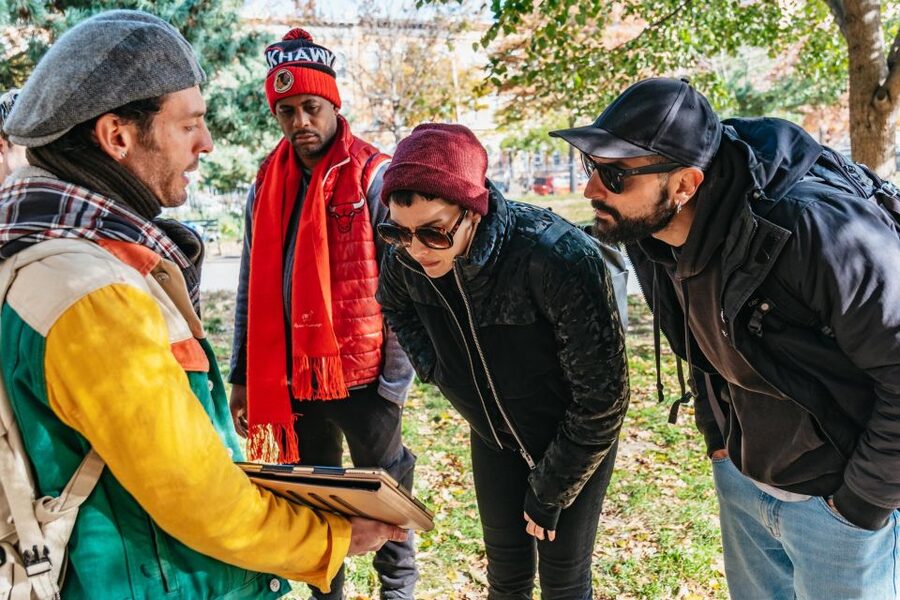
A few small choices will make the day smoother:
- Comfortable shoes are non-negotiable in Brooklyn.
- Bring a camera (or phone with extra storage).
- Water helps, even if you’re not far from stops.
- Wear weather-appropriate clothing so you don’t spend half the tour thinking about being cold or soaked.
One more tip: start thinking about your route the moment you arrive. Since the tour ends back at Wyckoff-Starr Coffee Shop, you can plan a nearby lunch or snack afterward. And if you’re the type who likes to keep exploring, the guide’s neighborhood tips can help you extend your day without guessing.
Should you book this Brooklyn graffiti & street art tour?
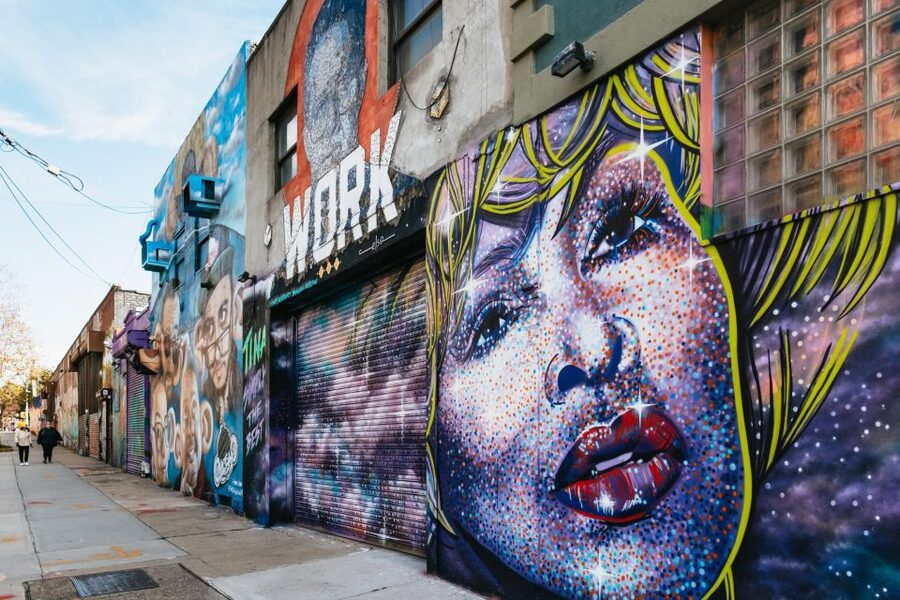
Book it if you want to see Bushwick street art with context—style recognition, artist background, and the cultural shifts that shaped the neighborhood. The two-hour length is long enough to cover real variety (murals plus wheatpaste and stencils), but short enough to stay energized.
Skip it if you’re planning to spend the day only chasing the biggest photos and you don’t care about learning what different techniques mean. You’ll still see a lot on your own, but you won’t get the guide-led reading of the walls.
If you do book, choose it as one of your “core” Bushwick experiences. Arrive rested, wear good shoes, and let the guide teach your eyes how to see. That’s when the $32 turns into a lot more than pretty pictures.
FAQ
Where does the tour start?
It starts in front of the Wyckoff Starr Coffee Shop at 30 Wyckoff Avenue, between Troutman and Starr Streets in Brooklyn.
How do I get there using public transit?
Take the L subway line to Jefferson Street. It’s about a 20-minute ride from 14 Street – Union Square. From Midtown, you’ll likely transfer to the L line at 14th Street.
How long is the walking tour?
The tour is about 2 hours.
What kinds of street art will I see?
You’ll see a mix of murals, wheatpaste posters, tags, and stencils, across Bushwick.
What should I bring?
Bring comfortable shoes, a camera, water, and weather-appropriate clothing.
Is food or drinks included?
No. Food and drink are not included.
Is the tour only in English?
Yes, the live tour guide provides the tour in English.
Can I cancel and get a refund?
The tour offers free cancellation up to 24 hours in advance for a full refund.