REVIEW · MIAMI
Miami: Museum of Graffiti Admission
Book on GetYourGuide →Operated by Museum of Graffiti · Bookable on GetYourGuide
Graffiti with museum context beats guesswork. At Miami’s Museum of Graffiti, you’ll follow how street art grew into American design and culture, guided by an audio-tour narrated by co-founder Ket and sparked by artwork from big names like Kaws and Futura 2000. The museum sits in Wynwood, so the art doesn’t stop at the door.
I love the clear, chronological way the museum explains graffiti’s origins and spread through fashion, advertising, and galleries. I also love seeing how many artists are represented, not just a couple of famous pieces. The possible downside: it’s a compact museum, so at $16 per person it can feel small if you’re expecting an all-day graffiti marathon like Wynwood Walls.
In This Review
- Key things to know before you go
- Graffiti in Wynwood: what this museum is trying to do
- Price and value at $16: what you get for your money
- Indoor exhibitions: your chronological path through graffiti’s rise
- Exterior murals on museum grounds: twelve stops without extra tickets
- Audio tour and Ket narration: the easiest way to make the story click
- On-site guidance: how to get context without slowing everything down
- The fine art gallery and the gift shop you’ll actually want
- Timing your Wynwood day: what to pair with Museum of Graffiti
- Practical do’s and don’ts (so your visit stays smooth)
- Who should book this museum admission?
- Should you book Miami’s Museum of Graffiti Admission?
- FAQ
- How much does admission cost?
- How long is the ticket valid?
- What’s included with admission?
- Is entrance to Wynwood Walls included?
- Is there an audio tour?
- Who narrates the audio tour?
- What parts of the museum can I visit?
- Is the museum wheelchair accessible?
- Are food and drinks allowed?
- Can I cancel for a full refund?
Key things to know before you go
- Ket’s audio-tour narration ties the visuals into a story you can follow at your own pace
- Chronological path explains the movement’s humble beginnings and cultural jump into design and media
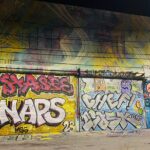
- Twelve exterior murals give you real street scale without needing extra tickets
- Name-brand artist lineup includes Kaws, Futura 2000, Dondi White, Phase 2, and Rammellzee
- You can mix formats with self-guided exploration or artist-led tours
- Gift shop is a major draw with limited-edition items tied to top graffiti artists
Graffiti in Wynwood: what this museum is trying to do
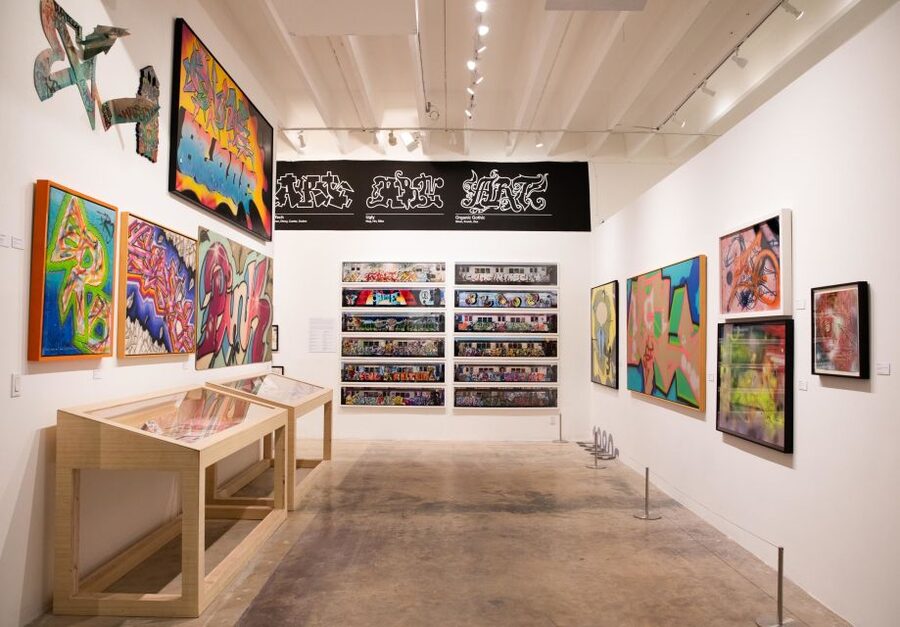
The Museum of Graffiti is built around one idea: graffiti didn’t just happen on random walls. It grew, evolved, and eventually worked its way into the mainstream—design, fashion, advertising, and art galleries.
What makes this museum feel different from a typical “look at murals” stop is the structure. Instead of treating graffiti as a single style, the exhibition frames it as a movement with a timeline. That means you’re not only seeing art—you’re learning how the culture changed as it gained attention.
And because it’s based in Wynwood, your day naturally has two modes: indoors, where the museum explains the story; and outdoors, where the neighborhood itself keeps talking in color.
You can also read our reviews of more tours and experiences in Miami.



Price and value at $16: what you get for your money

At $16 per person, the ticket is reasonably priced if you care about context. You’re paying for admission to all exhibitions, including the indoor exhibition space, exterior murals on-site, and a fine art gallery.
Here’s the value math I’d use in your head: you’re not just buying entry to a room of posters. You’re getting multiple zones of graffiti-related art (indoors plus twelve exterior murals), plus an audio experience that helps you connect pieces to the bigger story.
The trade-off is size. One review note you’ll want to take seriously is that the museum can feel small. If what you want is hours of outdoor graffiti density, you’ll still enjoy this, but you may wish you had paired it with other major street-art stops (especially since Wynwood Walls entrance is not included).
Indoor exhibitions: your chronological path through graffiti’s rise
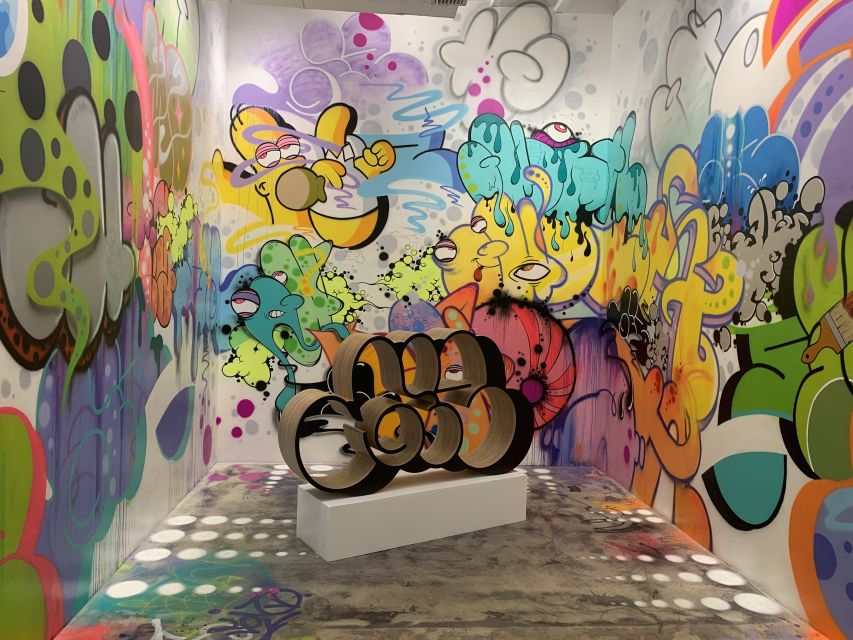
Inside, expect a chronological journey through graffiti in the United States. The museum is designed to show the movement from humble origins to cultural influence—how it went from street writing to something that started showing up in mainstream creative fields.
That timeline approach matters. Without it, graffiti can feel like an endless stream of styles. With it, you start noticing patterns: what changes over time, what stays core, and how the look and messaging travel into different visual worlds like advertising and fashion.
You’ll also see artwork credited to hundreds of artists, which is a key part of the museum’s pitch. This isn’t just a handful of iconic names—it’s a sense of community and variety. Even if you only catch a portion of the indoor displays, the overall effect is a broad survey of the movement.
Exterior murals on museum grounds: twelve stops without extra tickets
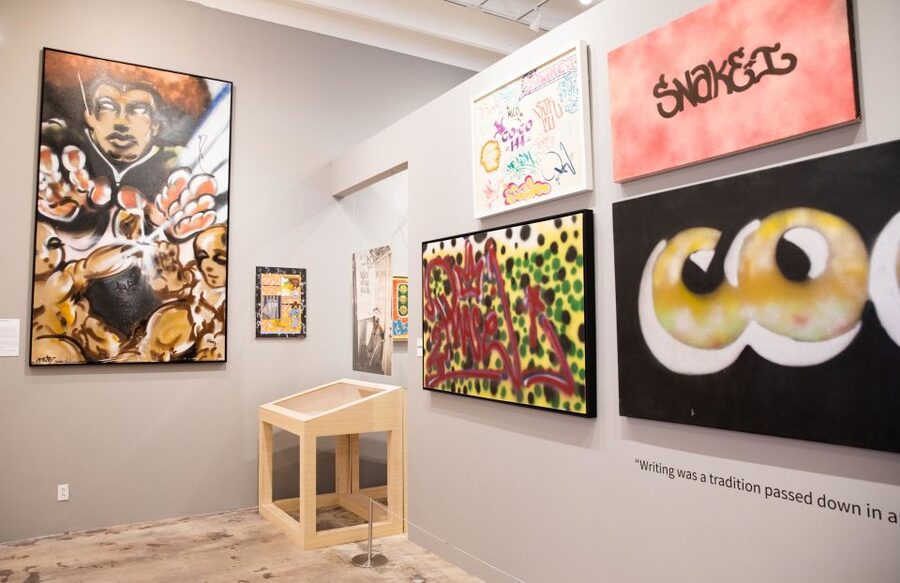
One of the smartest parts of this experience is that it doesn’t end indoors. The museum includes twelve exterior murals, so you can walk the story outward.
That exterior section is useful for two reasons. First, it helps you read the scale of graffiti. Indoor art can be easier to control; outdoor work changes with light, weather, and distance. Second, the outdoor murals let you connect what you learned indoors to what you see in real street conditions.
Also, this is a big practical win: you’re getting outdoor graffiti exposure without having to buy an additional ticket. Just remember that the museum’s grounds murals aren’t the same thing as visiting Wynwood Walls, since entrance to Wynwood Walls is not included.
Audio tour and Ket narration: the easiest way to make the story click
If you want the museum to feel like a guided experience rather than self-guided guesswork, the audio-tour is the tool to use.
The audio is narrated by the museum’s co-founder, Ket. That matters because you’re not hearing generic commentary. You’re getting the movement explained from inside the museum’s mission—why graffiti matters, how it developed, and why it deserves preservation.
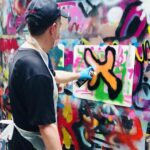
You can also go with an artist-led tour format or choose a self-guided route. The big advantage of having multiple approaches is simple: you can spend more time where you’re curious and less where you’re not.
If you tend to miss context in fast museum visits, I’d plan your day around the audio-tour first. Once you have that narrative, the visuals start linking together.






On-site guidance: how to get context without slowing everything down
There are guides throughout the exhibition, ready to provide context and extra information. This is one of those underrated museum features.
Even if you use the audio-tour, guides help when you hit a piece that makes you think: wait, what am I seeing here? They can also point out themes you might miss if you only rely on your own interpretation.
My advice: use guides like you’d use a good translator. Ask one focused question, get one clean explanation, then move on. That way you keep momentum but still get the deeper meaning.
The fine art gallery and the gift shop you’ll actually want
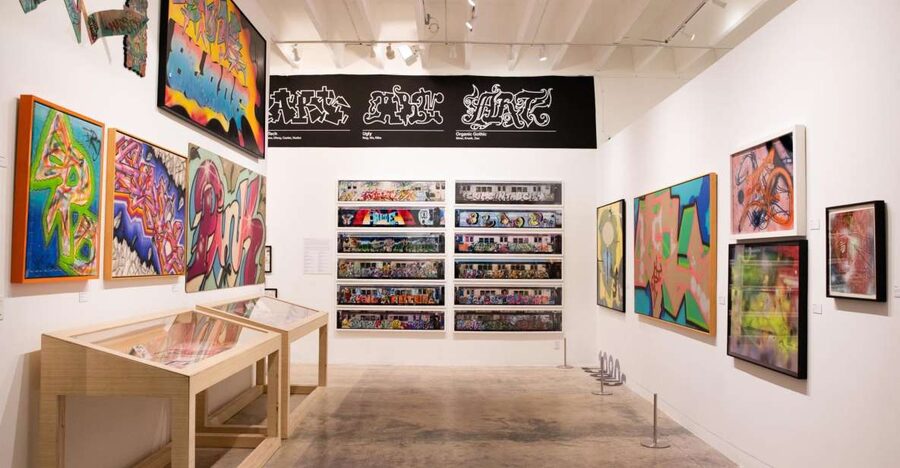
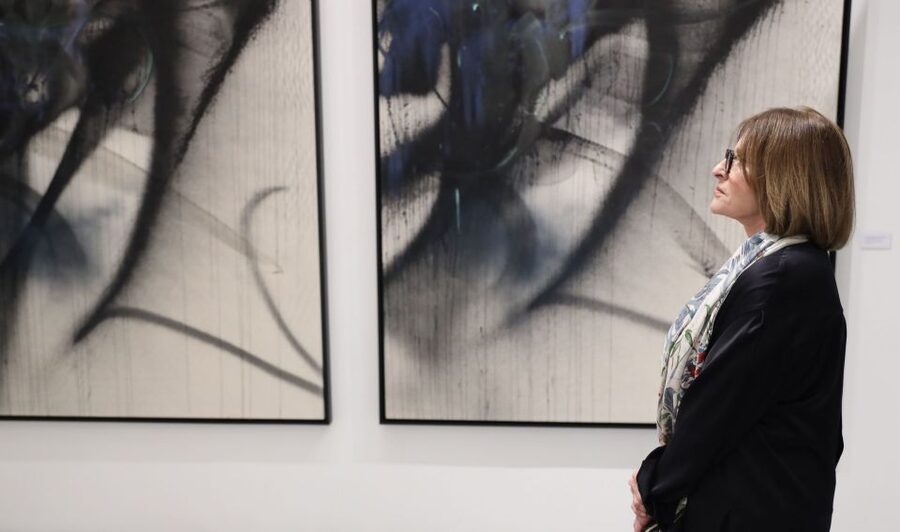
The museum includes a fine art gallery, which gives the experience a second angle. Graffiti is often discussed as street communication, but the fine art space hints at how the movement also lives in gallery culture.
Then there’s the gift shop, described as world-class and stocked with limited-edition merchandise plus exclusive items from major graffiti artists. If you’ve ever left a street-art stop wishing you could take something home that didn’t look like mass-market souvenir stuff, this is where the museum usually satisfies that itch.
One practical note: the shop sounds like it’s part of the appeal, but don’t treat it as a replacement for time in the exhibits. The art education is the core reason to come.
Timing your Wynwood day: what to pair with Museum of Graffiti
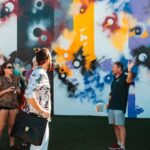
Since the museum is located in Wynwood, your day naturally has built-in scenery. You’ll be surrounded by murals before and after your museum time, and that makes the experience feel like a neighborhood-wide art outing rather than a single indoor appointment.
But do keep this straight: Wynwood Walls entrance is not included. So if outdoor street-art volume is your top goal, you’ll likely want to treat the museum as one stop and plan a separate visit for Wynwood Walls.
A smart pairing strategy is to match your energy:
- If you want story + art context, Museum first, then wander Wynwood afterward.
- If you want pure outdoor wall density, do Wynwood Walls as your anchor and use the museum as the context stop that explains what you’re seeing.
Either way, the museum’s location makes it easy to build a flexible route.
Practical do’s and don’ts (so your visit stays smooth)
There are a few clear rules that help you plan without hassle.
- No food and drinks inside. Plan on snacking outside the museum.
- No pets, though assistance dogs are allowed.
- Plan around the fact that you’re there for art and learning, not a picnic.
Also, the experience includes skip the ticket line, which is useful in Wynwood where you can lose time to crowds outside.
Wheelchair accessibility is supported, so you can plan with confidence that the museum is usable for visitors with mobility needs.
Who should book this museum admission?
This works best if you like graffiti as art, not just as street decoration. You’ll probably enjoy it even more if you care about how graffiti connects to broader American visual culture—design, fashion, advertising, and gallery work.
Book it if:
- You want a chronological explanation, not random mural hopping
- You’re interested in seeing a wide range of artists, including names like Kaws and Futura 2000
- You like having an audio-tour to keep you oriented
You might hesitate if:
- You’re expecting an all-day, massive outdoor-only street-art festival experience
- You mainly want the longest possible walking route, since this museum is relatively compact
Should you book Miami’s Museum of Graffiti Admission?
If you want graffiti with context and you’ll spend time in Wynwood anyway, I think this is an easy yes. The audio-tour narrated by Ket helps turn the art into a story, and the mix of indoor exhibits plus twelve exterior murals makes it feel like more than just a single room.
The only real reason not to book is if you’re chasing sheer volume and can’t tolerate a smaller footprint. In that case, pair your street-art day with something bigger than this museum.
If your goal is to understand why graffiti became part of American culture—and then walk Wynwood with better eyes—this is a strong, fairly priced way to do it.
FAQ
How much does admission cost?
It costs $16 per person.
How long is the ticket valid?
The ticket is valid for 1 day.
What’s included with admission?
Admission includes all exhibitions at the Museum of Graffiti.
Is entrance to Wynwood Walls included?
No. Entrance to the Wynwood Walls is not included.
Is there an audio tour?
Yes. The experience includes an audio-tour.
Who narrates the audio tour?
The audio-tour is narrated by the museum’s co-founder, Ket.
What parts of the museum can I visit?
You can visit the indoor exhibition space, twelve exterior murals, a fine art gallery, and the gift shop.
Is the museum wheelchair accessible?
Yes, it is wheelchair accessible.
Are food and drinks allowed?
No, food and drinks are not allowed.
Can I cancel for a full refund?
Yes. You can cancel up to 24 hours in advance for a full refund.