REVIEW · DENVER
Denver: RiNo Art District Graffiti and Street Art Tour
Book on GetYourGuide →Operated by Denver Graffiti Tour · Bookable on GetYourGuide
Street art in Denver has receipts. This 2-hour RiNo Art District tour feels like an open-air class because you get the techniques, the context, and the real stories behind the walls. I love the in-depth explanations that connect murals and graffiti to what’s happening in the neighborhood. I also like how the guide brings a local lens instead of a generic “look but don’t touch” vibe. One thing to consider: it’s mostly a street-and-alley walk (about 2 miles), and weather can change fast.
I especially enjoyed how personal the tour can get—my guide (Will) wasn’t just sharing facts; he’s also a high school Spanish teacher, so his explanations were clear and easy to follow. You’ll hear a lot of the what, why, and who, plus the behind-the-scenes details that make the art feel alive.
In This Review
- Key things to know before you go
- Starting at the Love This City Mural: where the tour “clicks”
- A 2-hour walking class: techniques, context, and street-art “tea”
- Stop-by-stop around RiNo (plus a Central Market break that actually helps)
- RiNo Art District photo stop(s) and guided walking
- Denver Central Market break (15 minutes)
- Finishing at Denver Central Market
- Reading the politics and social signals on Denver walls
- Local connections and bilingual guiding: how Will makes it click
- Price and value: why $35 can feel like a deal
- Practical planning: shoes, layers, water, and cameras that earn their keep
- After the tour: make RiNo your playground
- Should you book the Denver RiNo Graffiti and Street Art Tour?
- FAQ
- How long is the Denver RiNo Art District Graffiti and Street Art tour?
- How much does the tour cost?
- Where do I meet the guide?
- Is parking available at the meeting point?
- What happens during the break?
- What languages are offered?
- Is the tour wheelchair accessible?
- What should I bring?
- Are food and drinks included?
- Is there free cancellation?
Key things to know before you go
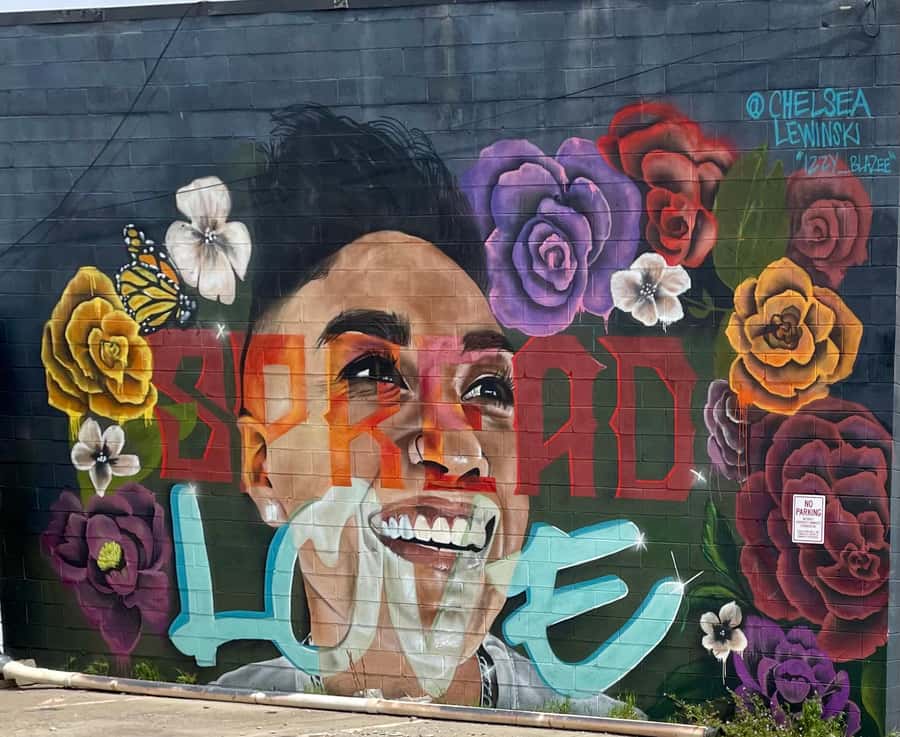
- Start at the Love This City Mural so you get grounded fast and know what to look for first.
- Learn street-art technique and protocol, not just what the pictures show.
- RiNo history, political and social context help you read the walls like a local.
- A short break at Denver Central Market gives you a breather without ending the tour.
- It ends in the middle of RiNo near bars, breweries, galleries, shops, and wineries.
- Bilingual guiding in English and Spanish keeps the experience accessible.
Starting at the Love This City Mural: where the tour “clicks”
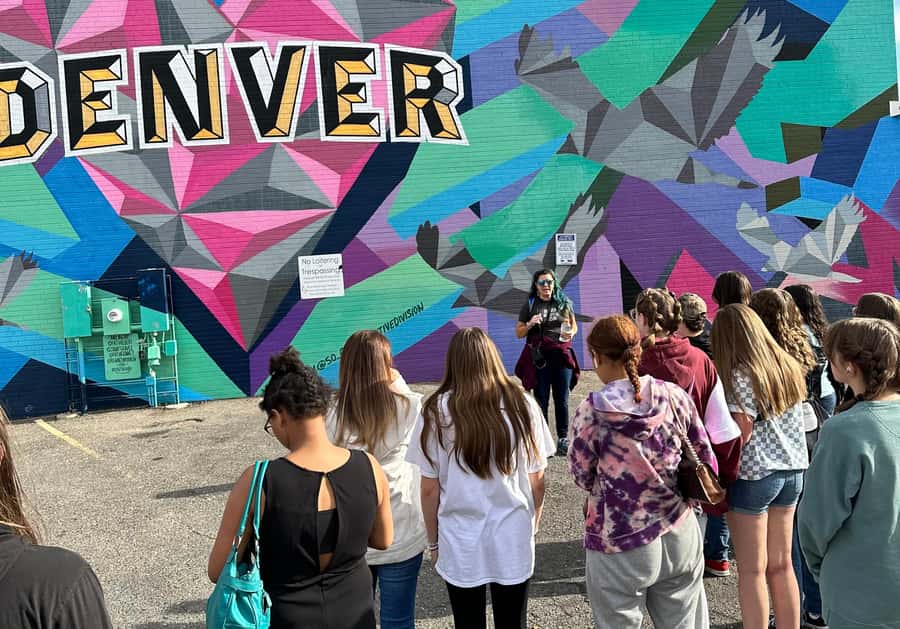
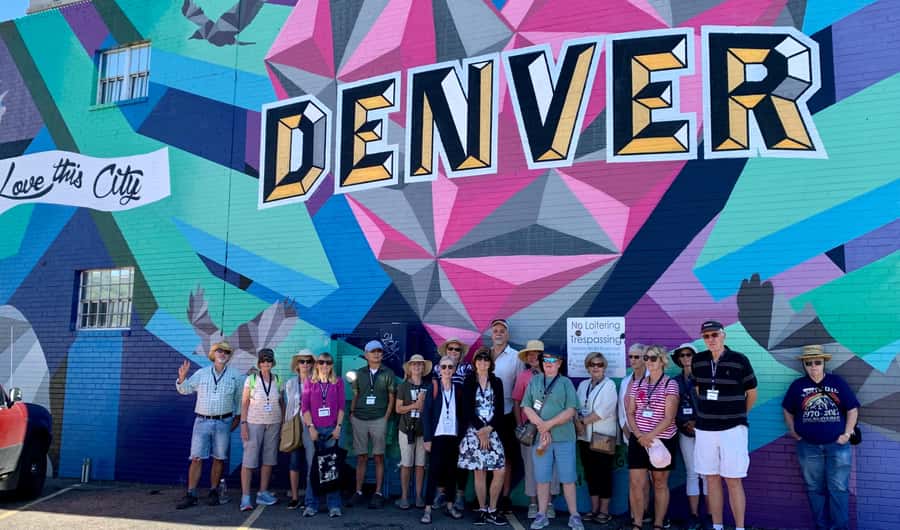
The tour begins at the Love This City Mural, a big Denver sign-style piece that gives you an instant sense of place. The meeting spot is in front of that mural, in a private parking lot area—so don’t park there. It’s one of those small logistics details that can save you an awkward moment.
Look for your guide with a Denver Graffiti Tour t-shirt or a lanyard with a red card. That’s your cue to settle in right away and get moving. I like this start because you’re not waiting around for instructions while everyone wanders off to chase their own photos. The guide sets the tone early: you’re going to be reading walls, not just taking pictures.
This first stretch also matters because street art changes depending on where you are in RiNo. Starting with a clear landmark helps you build a mental map as the tour moves through the neighborhood. And once you understand that street art is communication—style, message, and timing—you start noticing details you’d normally blow past.
You can also read our reviews of more tours and experiences in Denver.
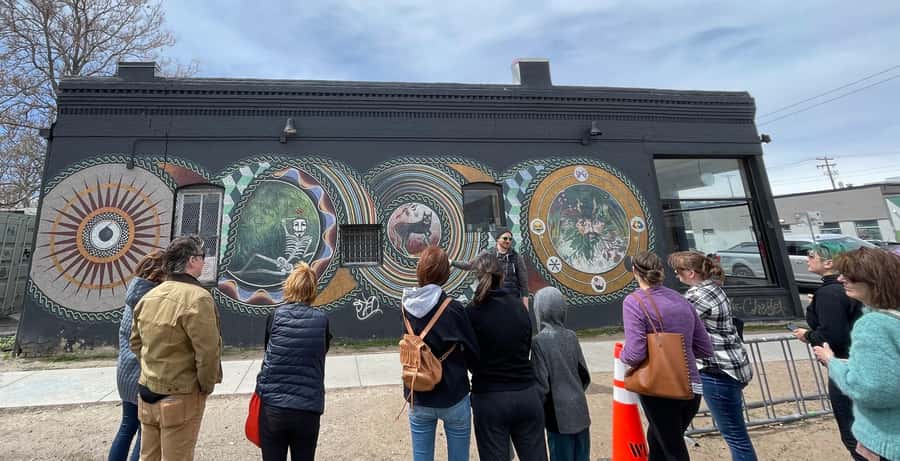
A 2-hour walking class: techniques, context, and street-art “tea”
This isn’t a casual stroll where you hope the murals explain themselves. It’s structured like a street-art lesson, which is exactly what you want if you like seeing the craft behind the mess. You’ll learn street art techniques and the protocols that come with it—how artists work, how messages travel, and why certain choices show up in certain neighborhoods.
The guide also shares stories behind murals, graffiti, and street art. You’ll hear the personal side (what it meant to the artist) and the professional side (how the community responds, how the art fits into the public conversation). The tour’s pitch about the tea is real in practice: the stories make the art feel connected to people, not just walls.
Most importantly, you’ll get historical, political, and social context. This is the difference between admiring art and understanding it. When you know what a piece is reacting to—or what local issues it mirrors—it changes how you look at everything nearby.
The pace is built for learning while walking. You’re out long enough to notice patterns, but the group isn’t stuck circling the same blocks. Still, plan for city sidewalks and occasional alleys, and bring the right basics (more on that soon).
Stop-by-stop around RiNo (plus a Central Market break that actually helps)
Your route is simple on paper and more interesting in motion. You’ll start at the Love This City Mural, then head into RiNo for photo stops and guided viewing.
Here’s what each part of the itinerary tends to do for you:
RiNo Art District photo stop(s) and guided walking
These segments are where the tour becomes an open-air classroom. The guide points out details you might miss on your own—style choices, placement decisions, and how the surrounding neighborhood shapes the work. Photo stops aren’t random; they’re timed for viewpoints where the art reads best, and where you can step back and see more than one element at a time.
Denver Central Market break (15 minutes)
You get a 15-minute break at Denver Central Market. I like that it’s scheduled, not improvised. In a tour that involves lots of close-up looking, a short reset keeps your brain from turning into a blur of spray cans and street details. It’s also a good moment to grab water if you need it, since you’re walking.


Finishing at Denver Central Market
The tour ends at Denver Central Market, right in the heart of RiNo’s activity zone. That’s a smart finish because you don’t have to immediately figure out dinner logistics from scratch. You can stay in the area for restaurants, bars, breweries, shops, and even wineries—whatever matches your day.
One drawback: since it ends in RiNo, your post-tour plan matters. If you’re only “passing through” on foot, it’s worth mapping how you’ll get back to your hotel before the tour starts.
Reading the politics and social signals on Denver walls
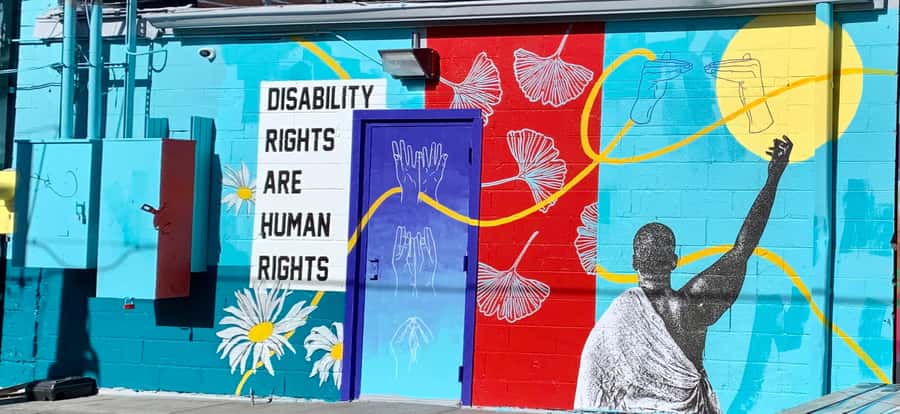
Street art earns its keep when you understand what it’s responding to. This tour focuses on the broader context—historical, political, and social—so you can see why certain murals and graffiti show up where they do.
That context also changes your expectations. If you only treat street art like decoration, you’ll miss the tension and the message. But once you learn how the neighborhood conversation works, the walls start to act like a public bulletin board. You might recognize themes—identity, power, community pressure, local pride—without the guide spoon-feeding it as a single “meaning.”
One of the best parts is how the tour explains why the art exists in Denver right now, not just when it was created. The neighborhood is the point. RiNo isn’t static, and the art reflects that. You’ll leave with a better sense of how murals and graffiti fit into community discussions, and why people argue about them (sometimes literally, in public).
I also like that the guide frames street art as both craft and conversation. That’s why the tour works even if you’re not a graffiti superfan. You’ll still come away with something to say when someone asks what you saw.
Local connections and bilingual guiding: how Will makes it click
What makes the tour feel different is the guide’s relationship to the community. The experience is built around being local, knowing the artists, and understanding the ins and outs of RiNo’s art scene.
When I talk about relationships, I don’t mean vague claims. You’ll get storytelling that sounds like it comes from living near the art—not just studying it online. My guide, Will, stood out because his background as a high school Spanish teacher showed up in how he explained things. He didn’t just point at a wall and move on. He structured the tour so the information made sense as you walked.
Language options matter too. The tour runs in English and Spanish. That’s not just a convenience—it helps people catch details and follow the logic behind the commentary. If you’re bilingual or taking Spanish classes, you’ll likely appreciate the clarity even more.
And yes, you’ll hear about the artists and the art community. That matters because street art is rarely a one-person job in a vacuum. It’s shaped by audience, placement, and the neighborhood’s push-pull energy.
Price and value: why $35 can feel like a deal
At $35 per person for 2 hours, this tour sits in the “worth it if you like understanding what you’re seeing” category. You’re not paying for a long bus ride or entry tickets. You’re paying for interpretation—someone translating the walls into something you can actually use.
That value shows up in three places:
1) You get more than photos. You get context and technique explanations.
2) You learn a way of looking. After the tour, you’ll likely spot details on your own without needing the guide.
3) You’re guided through RiNo in a way that connects art to neighborhood reality.
If your goal is to leave Denver with better stories (not just better pictures), this price makes sense. If you’re allergic to walking and want zero weather exposure, you might question it—because you will be outside.
Also worth noting: the tour ends in a great spot for continuing your day. That makes the $35 go further. You can roll straight into dinner or a drink nearby instead of spending extra time commuting.
Practical planning: shoes, layers, water, and cameras that earn their keep
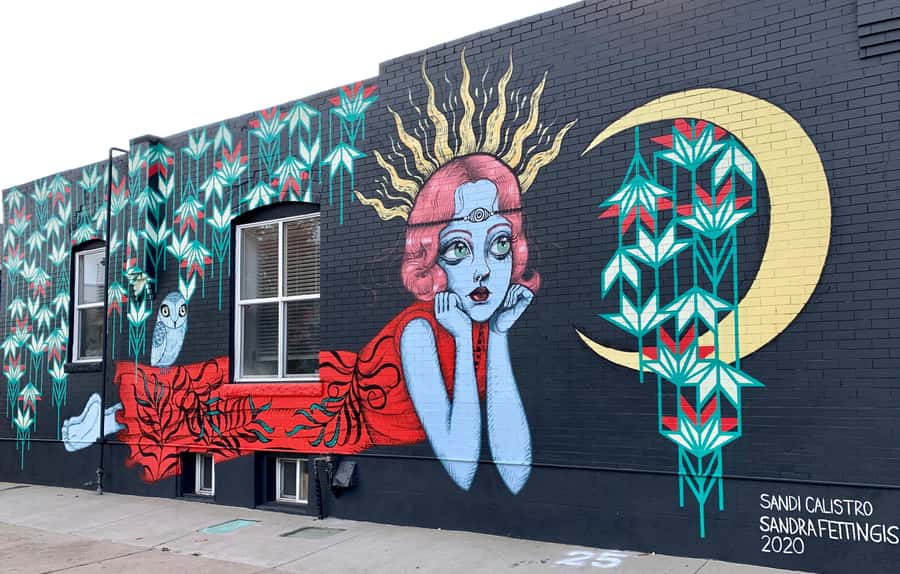
This is a walking tour, so your comfort matters more than you’d think. Wear comfortable shoes. The route goes over city streets and sometimes alleys, and you’re walking about 2 miles during the tour.
Bring a camera if you want photos, but also plan to look with your eyes first. Street art often rewards stepping back and comparing details, not just zooming in. Sunscreen and water are also on the list for a reason. Even if it’s cool when you start, you can warm up during steady walking.
Weather changes are part of Denver life, so bring layers. Umbrellas work as portable shade in summer heat—also handy if you get stuck under sudden rain. If you tend to get cold easily, pack accordingly because the tour’s outdoors the whole time.
On mobility: the tour is wheelchair accessible, and many wheelchair users can navigate the route. Still, it’s also noted as not suitable for people with mobility impairments, and the walk includes streets and sometimes alleys. Your best move is to be honest about your own tolerance for uneven sidewalks and a roughly 2-mile route.
After the tour: make RiNo your playground
One reason I like finishing at Denver Central Market is that it’s a natural “next step” zone. You’re already in RiNo, so you can keep going with restaurants, bars, breweries, galleries, shops, and wineries.
If you want to turn the educational part into a more social outing, there’s also a RiNo Art District Happy Hour Tour option that swaps in a bar stop. And if you want more of the northern side, there’s a North RiNo Art District Graffiti and Street Art Tour variant.
My advice: if you’re planning a full day, block time after the tour for wandering at your pace. You’ll understand the neighborhood much faster once the guide has trained your eye. Then you can look longer at the pieces that genuinely grab you.
Should you book the Denver RiNo Graffiti and Street Art Tour?
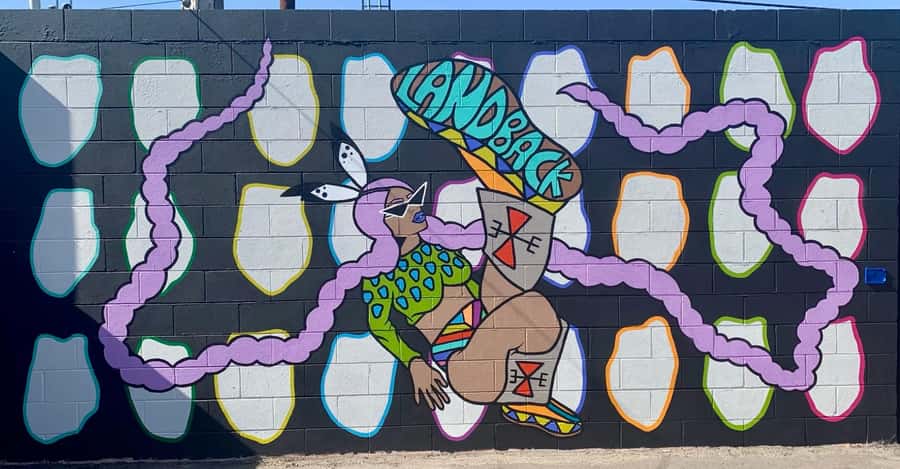
Book it if you want street art with context—technique, community meaning, and the social/political signals that shape what you see in RiNo. It’s a great fit for first-timers who want more than a photo checklist, and for repeat visitors who want a deeper Denver story.
Skip it (or choose a different plan) if you dislike walking, don’t handle weather changes well, or need a route that avoids alleys and uneven street conditions. The tour is short at 2 hours, but it still moves.
If you’re the type who likes learning how a place thinks, RiNo has a lot to teach. This tour is one of the easiest ways to start.
FAQ
How long is the Denver RiNo Art District Graffiti and Street Art tour?
The tour lasts 2 hours.
How much does the tour cost?
The price is $35 per person.
Where do I meet the guide?
Meet in front of the Love This City mural (large DENVER). The guide will have either a Denver Graffiti Tour t-shirt or a lanyard with a red card that says Denver Graffiti Tour.
Is parking available at the meeting point?
The meeting spot is in a private parking lot, so you should not park there.
What happens during the break?
There is a break time at Denver Central Market for 15 minutes.
What languages are offered?
The live tour guide speaks English and Spanish.
Is the tour wheelchair accessible?
The tour is wheelchair accessible, but it’s also noted as not suitable for people with mobility impairments. The route is on city streets and sometimes alleys for about 2 miles, so your own tolerance matters.
What should I bring?
Bring comfortable shoes, a camera, sunscreen, and water.
Are food and drinks included?
Food and drinks are not included. If you want a bar stop, you can book the RiNo Art District Happy Hour Tour.
Is there free cancellation?
Yes. You can cancel up to 24 hours in advance for a full refund.