REVIEW · CAPE TOWN
Cape Town: Street Art Walking Tour in Woodstock
Book on GetYourGuide →Operated by One Day Africa · Bookable on GetYourGuide
Woodstock’s murals have a point. This guided street art walking tour in Cape Town’s Woodstock area pairs big-name international work with local stories, so you see more than pretty walls. It’s a focused 2 hours that helps you understand why this neighborhood paints, protests, and reinvents itself.
I especially love the way the guide connects the art to community life, not just style. I also like the tour’s mix: you’ll spot international street artists as well as newer local pieces carrying cultural or political messages.
One consideration: the artwork can be politically direct, including content that may feel intense if you’re sensitive to Israel/Palestine themes. And yes, it runs rain or shine, so pack accordingly.
In This Review
- Key highlights to look for
- Woodstock and Salt River: why this is Cape Town’s street-art classroom
- Salt Circle Arcade: meeting point, tea moment, and first murals
- Woodstock Exchange and Woodstock Brewery: murals tied to the block
- Salt Orchard Unit B10 and the Old Biscuit Mill: coffee, creativity, and scale
- Salt River Nature Park and the last photo walls near Salt River
- How your guide turns walls into stories (Mandy, Diego, Chandy, Sipho)
- International names and local political messages you should expect
- Rain or shine: practical tips for a 2-hour walking tour
- Price check: is $37 good value for a guided street-art walk?
- Should you book this Woodstock street art tour?
- FAQ
- Where do I meet the guide?
- How long is the tour?
- What does the tour cost?
- What’s included in the tour?
- Is hotel pickup or drop-off included?
- What language is the tour guide?
- What should I bring, and will it run in bad weather?
Key highlights to look for
- Tea and first-stop orientation at Salt Circle Arcade, plus a short workshop moment
- Woodstock Exchange and Woodstock Brewery stops that ground murals in neighborhood context
- Salt Orchard Unit B10 for a coffee break while you learn the meaning behind what you see
- Old Biscuit Mill for more mural scale and street-art storytelling as you walk
- Salt River Nature Park for a change of pace and a wider view of the area
- Guides like Mandy and Diego who explain the stories behind both local and international work
Woodstock and Salt River: why this is Cape Town’s street-art classroom
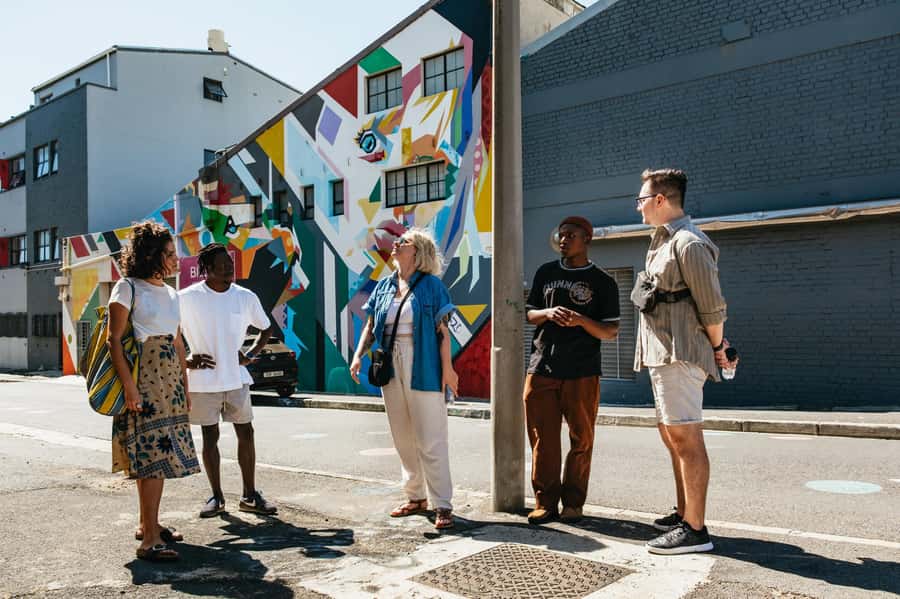
Woodstock isn’t just where you go to take photos. It’s a creative pocket of Cape Town where street art has become a public language—part history lesson, part social commentary, part neighborhood pride. The tour keeps you walking through the streets and the small transitions between places, so the art feels connected to real corners, not just museum walls.
Salt River is close by, and that matters. You get to see how street art flows through adjacent areas, with murals showing up in clusters and changing over time. Your guide ties it together with local context: how the scene grew, how artists communicate with the public, and why communities treat these walls like something worth protecting.
If you’re the kind of traveler who likes art but also wants the “why,” this is the route. You’ll still get to enjoy the visuals, but the real win is understanding the messages and the people behind them.
You can also read our reviews of more tours and experiences in Cape Town.


Salt Circle Arcade: meeting point, tea moment, and first murals
Your tour starts at Shop 5 inside Salt Circle Arcade. This is a good place to begin because it’s already part of Woodstock’s creative ecosystem. After you meet your guide, you’ll get an early photo stop and a quick orientation walk—then a short tea ceremony moment as the group settles in.
One of the smartest things about starting here is pace. In the first stretch, your guide sets up how to read street art: what to look for (symbol choices, recurring themes, and style cues) and how location matters. You also get a short workshop stop (about 10 minutes), which helps explain how street art isn’t just a random act—it’s work with technique, timing, and intent.
Practical note: you’re on your feet quickly. Bring comfortable shoes and keep an eye on footing around entrances and sidewalks—Woodstock is walkable, but it’s still city ground.
Woodstock Exchange and Woodstock Brewery: murals tied to the block

Next up is the Woodstock Exchange. This stop is shorter, but it’s a classic “zoom in” moment: your guide will point out details that you’d likely miss if you were just drifting around. That includes how the art reflects the neighborhood’s attitudes and how communities notice and react to it.
Then you head to Woodstock Brewery, Cape Town. The tour treats each stop like a chapter. At the brewery area, you’re not only admiring murals—you’re learning how street art interacts with public spaces where people gather. It’s the kind of place where you can see how murals become landmarks: even when you’re not sure what a piece means at first glance, your guide gives you a framework to interpret it.
Time at each of these early stops adds up without dragging. You’ll move steadily, and your guide keeps the story flowing so the murals don’t feel like a pile of unrelated images.
Salt Orchard Unit B10 and the Old Biscuit Mill: coffee, creativity, and scale
At Unit B10, Salt Orchard, expect another photo stop plus a coffee moment. This is where the tour’s tone often clicks. You start seeing the street art not as street decoration, but as communication—sometimes playful, sometimes pointed.
Salt Orchard is also a reminder that this scene isn’t sealed off from daily life. Street art sits alongside businesses and makers. That makes the stories feel grounded: artists respond to what’s happening around them, and the neighborhood responds back.
After that, you’ll visit The Old Biscuit Mill. This stop typically brings a stronger sense of scale and composition—murals that feel designed to be seen from different angles. Your guide uses this stretch to connect what you’re seeing to broader themes: how international styles landed here, how local artists build on what came before, and how politics and culture show up in paint.
If you love photography, this is a good part of the walk to slow down for a few extra frames—your guide can help you aim for the details once you know what to look for.
Salt River Nature Park and the last photo walls near Salt River
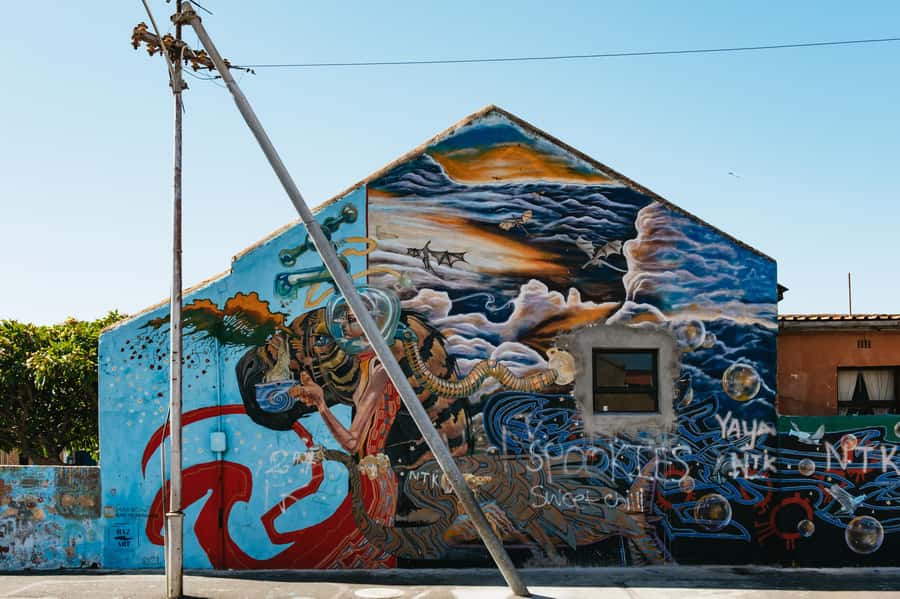
The walk shifts to Salt River Nature Park, with a longer visit (about 20 minutes). Even though it’s still part of the street-art route, this stop gives your brain a reset: you get breathing space after a run of mural-heavy blocks. It’s also a useful contrast moment, because it helps you understand the area as more than just wall-to-wall artwork.
After the park, the tour includes quick photo-and-walk segments around Woodstock and Salt River (short, but they matter). These last minutes help you connect the dots—how the art changes as you move and how neighborhoods feel different even when they’re close together.
Then you head back to Salt Circle Arcade, where you started. It’s a neat finish because you end where the tour began, so you can look back at what you learned and realize how much meaning your guide added.
How your guide turns walls into stories (Mandy, Diego, Chandy, Sipho)
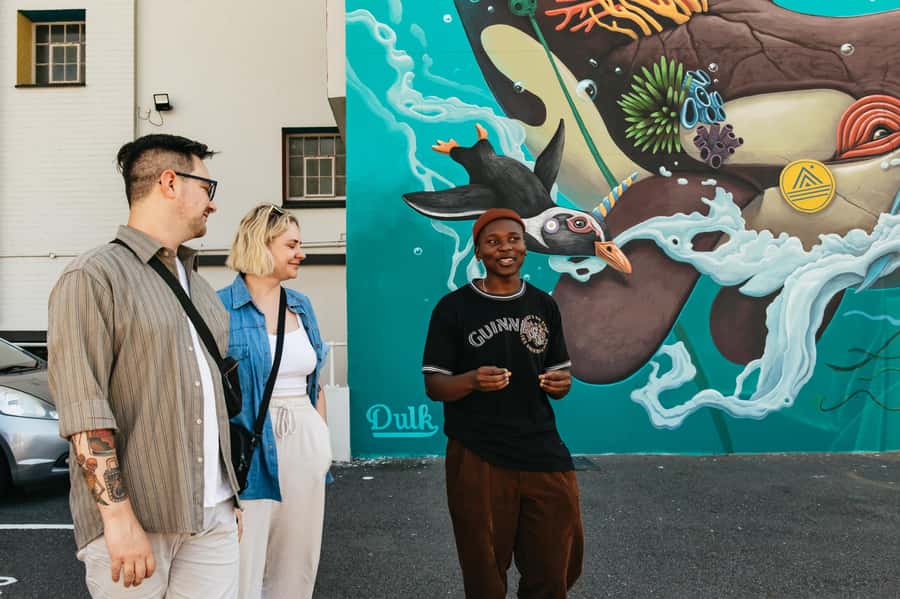
The biggest reason this tour scores so high is the guides. Multiple guides are referenced in bookings, and they all follow the same core approach: they explain the story behind the artwork, not just the visual.
For example, Mandy is described as welcoming and well-researched, with explanations that make two hours feel like it flies by. Diego is praised for mixing street-art background with a broader understanding of Cape Town and the struggles behind the creative rebound. You’ll also hear about Chandy (spelled a couple ways), Sipho, and Terence, with lots of credit for turning murals into teachable moments about culture, history, and politics.
A couple of extra touches show up with certain guides. One guide example includes a spontaneous added visit to an artist studio and a short shared taxi ride—useful if you like your tour to feel human and not rigid.
Even if your guide doesn’t add extras, you should still expect you’ll learn how to read symbols and messages. That’s what makes the street art stick in your memory after you leave.
International names and local political messages you should expect
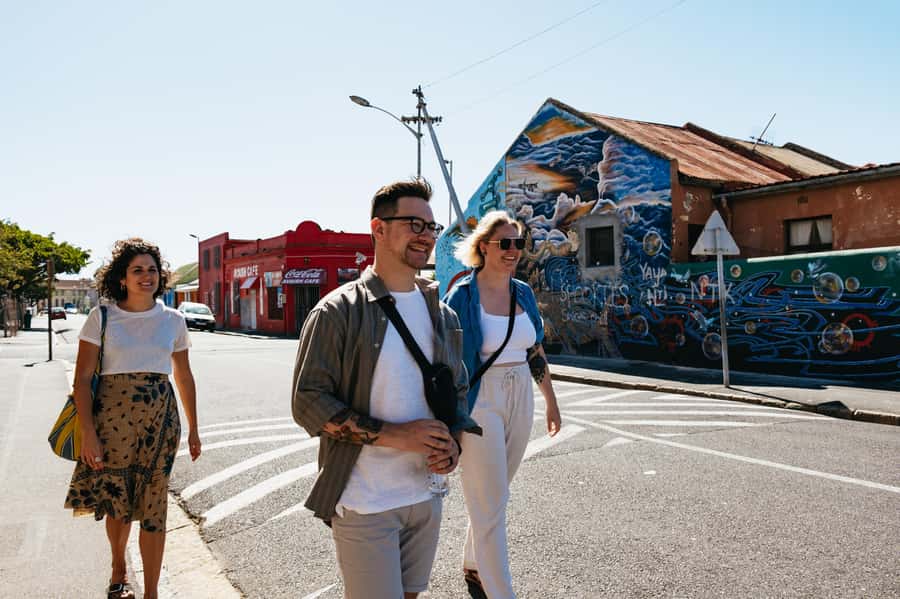
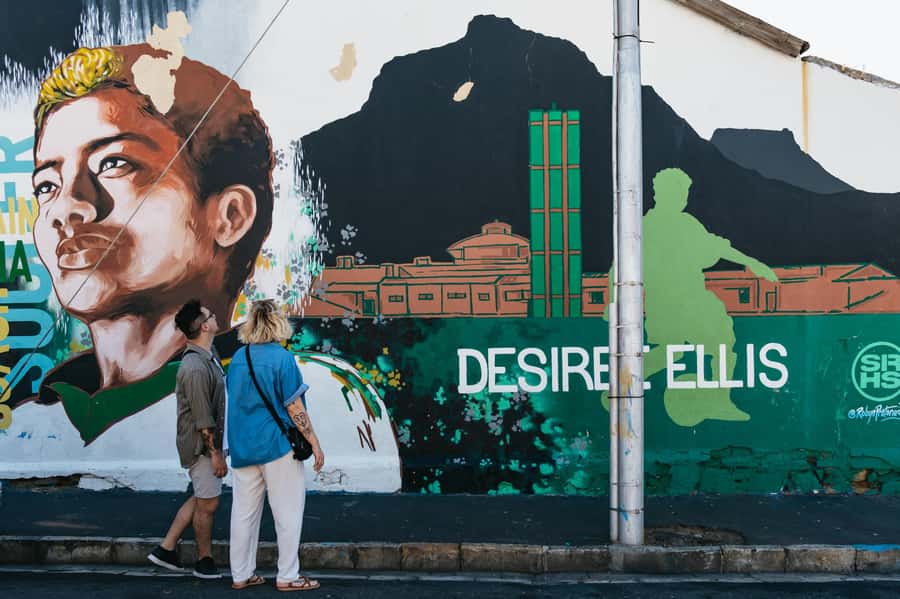
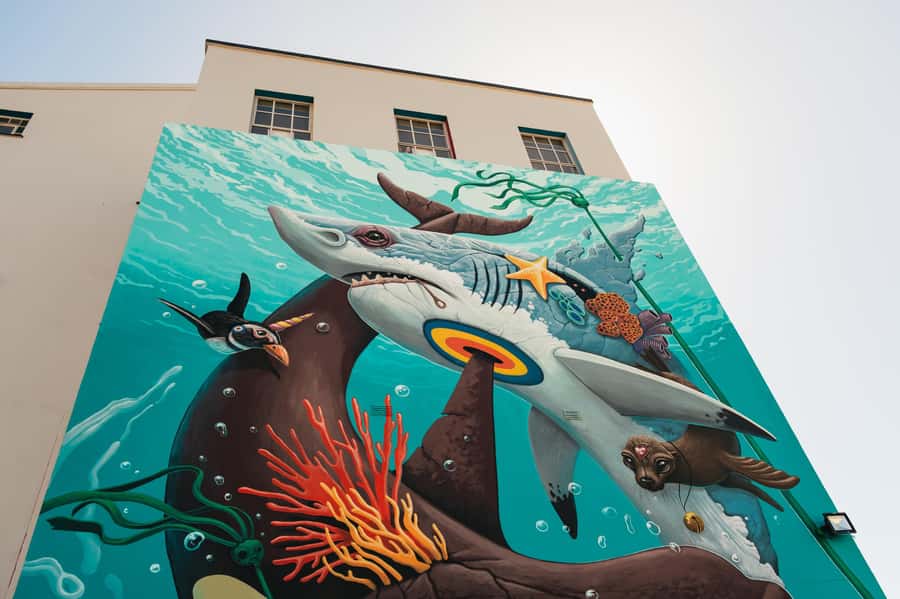
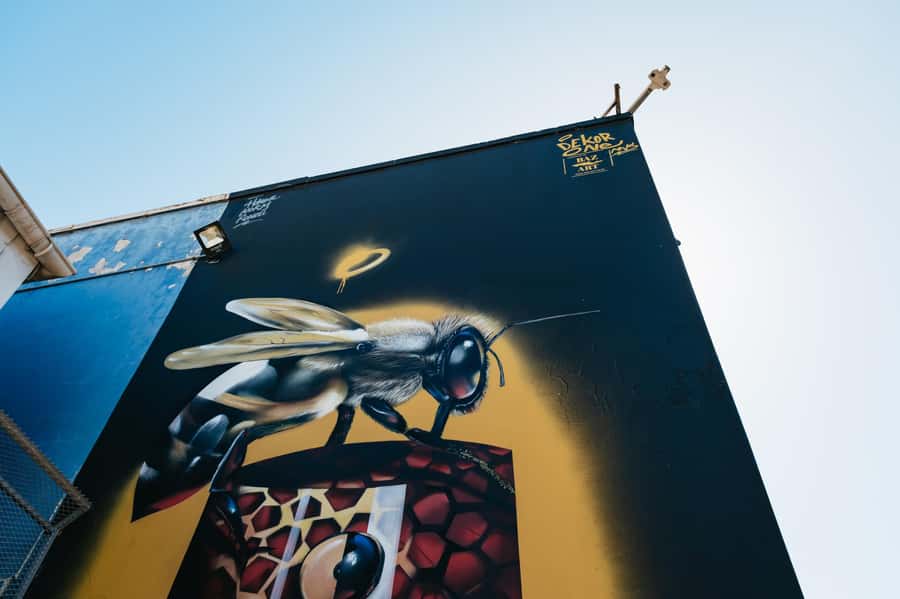
This tour’s value isn’t only that the murals are striking. It’s that the tour helps you separate what’s aesthetic from what’s intentional. You’ll see work from renowned international street artists who have left their mark here, and you’ll also see newer local pieces often carrying a cultural or political message.
That mix matters for two reasons. First, it shows how street art travels—styles and techniques can spread and evolve in new places. Second, it shows why local artists keep using the wall as a platform: street art in Cape Town isn’t just about visibility; it’s about voice.
There is a real consideration here: one booking notes that content in the neighborhood can be offensive or intense for some people, including remarks tied to Palestinian themes. So if you know you’re sensitive to Israel/Palestine politics—or any politically charged content—go in with eyes open. Your guide will explain context, but they won’t sanitize the art.
Rain or shine: practical tips for a 2-hour walking tour
This walk is built for the real world. It runs rain or shine, so plan for wet streets and changing light. Bring sunscreen even if clouds roll in—Cape Town sun can be sneaky. A camera helps, but also bring the ability to pause: part of the point is looking closely at details your guide points out.
You’re also moving between stops on foot. That means the tour needs comfortable shoes, and it helps to dress in layers. If you get overheated or chilled easily, you’ll enjoy the experience more if you can adjust.
The tour is wheelchair accessible, which is a strong plus if you need it. Still, city sidewalks can vary, so it’s smart to set expectations with your guide about pacing and smooth routes.
One more practical tip from the neighborhood vibe: after the walk, plan a meal nearby. A Pot Luck-style brunch stop is mentioned as something to consider right around where the tour ends.
Price check: is $37 good value for a guided street-art walk?
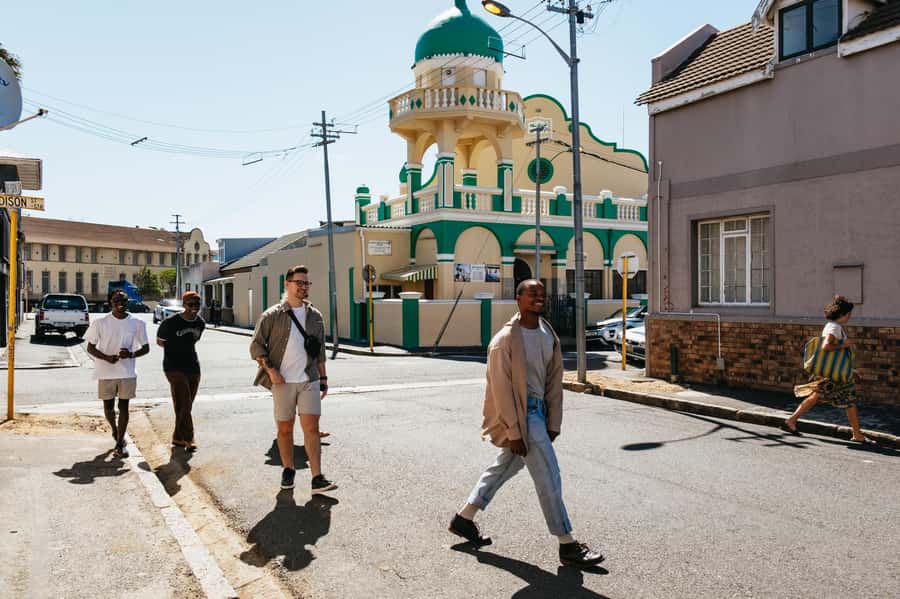
At $37 per person for 2 hours, you’re not paying for transportation or a long day trip. You’re paying for a local guide who can translate street art into meaning and history. That’s what makes this feel worth it.
Here’s what you’re getting for the money: a structured route with multiple mural zones, plus guided explanations that connect the art to Cape Town’s neighborhoods. You’re also getting multiple stops where the art is different in scale and setting—so the tour isn’t one long loop of the same kind of wall.
The ratings back up the value. The tour sits at 4.8 with 293 reviews, and the repeated theme is the guide’s storytelling and context—exactly the kind of “you can’t DIY this” advantage that justifies paying.
If you’re the DIY type, you could wander Woodstock on your own. But if your priority is understanding the symbolism and the cultural and political background, the guided format is the whole point.
Should you book this Woodstock street art tour?
Book it if you want more than street art as decoration. This is a tour for you if you like questions—who made it, why here, and what it’s saying to the neighborhood. The guide-led storytelling is the main draw, and the stop selection (Salt Circle Arcade, Salt Orchard, Old Biscuit Mill, Salt River Nature Park) supports that.
Skip or approach carefully if politically intense themes could ruin your mood. Street art here can be direct, and one booking specifically flags content that may feel offensive depending on your perspective. If that’s not your thing, you might prefer a lighter art walk—or at least go in knowing what you’re stepping into.
My bottom line: for a focused 2-hour Cape Town experience that mixes international mural recognition with local cultural context, this tour is one of the best ways to understand Woodstock without guessing.
FAQ
Where do I meet the guide?
Meet your guide at Shop 5 inside the Salt Circle Arcade.
How long is the tour?
The tour lasts 2 hours.
What does the tour cost?
The price is $37 per person.
What’s included in the tour?
You’ll get a walking tour with a local guide.
Is hotel pickup or drop-off included?
No, hotel pickup and drop-off are not included.
What language is the tour guide?
The live tour guide speaks English.
What should I bring, and will it run in bad weather?
Bring comfortable shoes, a camera, sunscreen, and cash. The tour takes place rain or shine.