REVIEW · MONTMARTRE
Paris: Montmartre Street Art Tour with an Artist
Book on GetYourGuide →Operated by Street Art Tour Paris SASU · Bookable on GetYourGuide
Montmartre has a way of turning corners into art. This tour pairs street art with the neighborhood’s painter-driven past, so you see what’s happening now and why it fits here. I like the expert street-art guide angle and the pay-off of serious views from the hill, but there’s one real catch: it’s outdoors, up and down hills, with stairs and lots of standing.
If you’re the type who walks a neighborhood slowly, you’ll enjoy the focus on backstreets instead of racing from one landmark to the next. Just know it’s not set up for people who need step-free routes, and video recording isn’t allowed.
In This Review
- Key reasons this Montmartre tour works
- Why Montmartre’s street art feels personal
- Meet up in front of Starbucks, then get your shoes right
- What 135 minutes really feels like on the ground
- The hilltop church moment: where art history meets the view
- How you’ll connect famous painters to street art today
- Backstreets off the busiest paths
- Guide quality: what you can expect from the street-art pro
- Outdoor learning in real weather
- Who should book (and who should skip)
- Price and value: what $47 buys you in Montmartre
- Should you book this Montmartre street art tour?
- FAQ
- Where does the tour meet?
- What time should I arrive?
- How long is the Montmartre street art tour?
- What does the tour cost?
- Is the tour conducted in English?
- What’s included in the price?
- Is hotel pickup or drop-off included?
- What should I bring?
- Is video recording allowed?
- Who should not book due to mobility needs?
Key reasons this Montmartre tour works
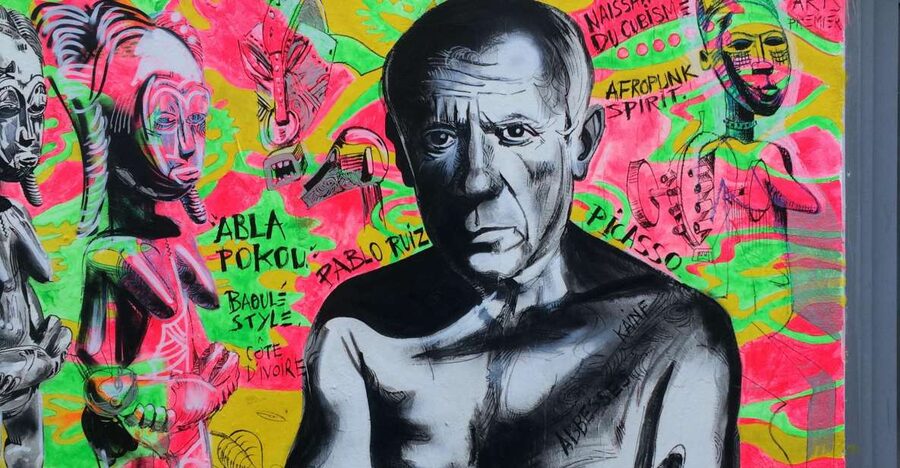
- Street art explained in context: you connect today’s walls with the area’s 19th and 20th century art scene
- Hilltop views: you get the big-picture Paris feeling that Montmartre is famous for
- Experienced English guide: the guide has at least 6 years doing street-art tours
- Backstreet pacing: you spend time in quieter side streets, not only the busiest showpieces
- Small rules that shape the vibe: you’ll keep moving respectfully; no video recording is part of it
Why Montmartre’s street art feels personal
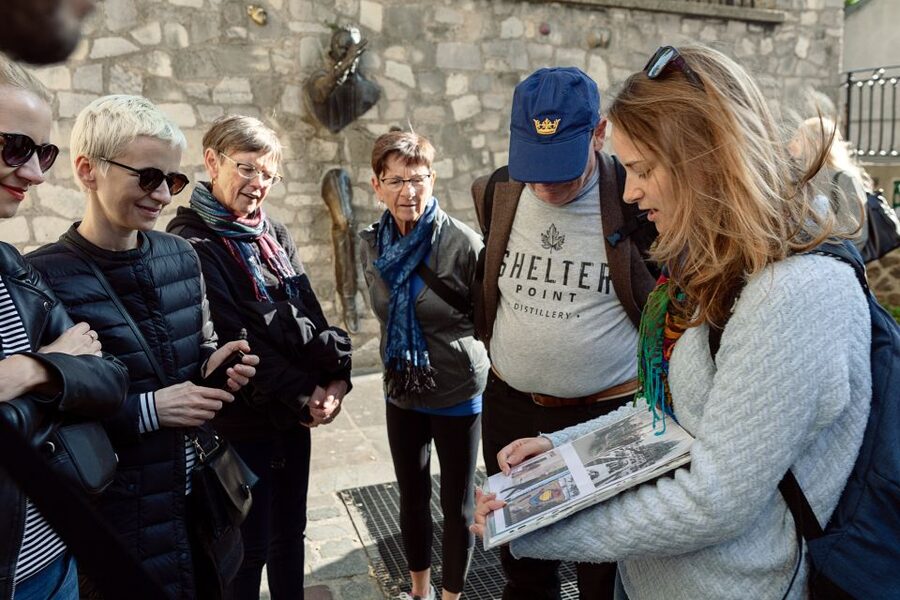
Montmartre isn’t just a place for photos. It’s a magnet for artists because it has always been a stage for creativity—especially since the early 1900s, when it became one of Paris’s top visitor areas. That matters, because street art isn’t floating in space. On this tour, you’re taught to see it as part of a longer story: bold personalities, art movements, and neighborhoods that attract people who want to make work and be noticed.
The guide ties the street-art scene to the bohemian energy of earlier decades, when names like Henri Toulouse-Lautrec, Vincent van Gogh, Pablo Picasso, and Henri Matisse were influencing what people created and how they saw the city. You don’t need to be an art-history student to get the point. The connection is simple: Montmartre repeatedly draws artists, and artists keep leaving marks—sometimes in galleries, sometimes on street walls.
You’ll also get a sense of what makes the area feel unmistakably Parisian. Think narrow lanes, stairways, and that sense that you’re slipping into a lived-in world rather than a theme park. And yes, there are plenty of famous corners here—this tour just helps you understand them better, then points you toward the calmer streets when you can.
Meet up in front of Starbucks, then get your shoes right
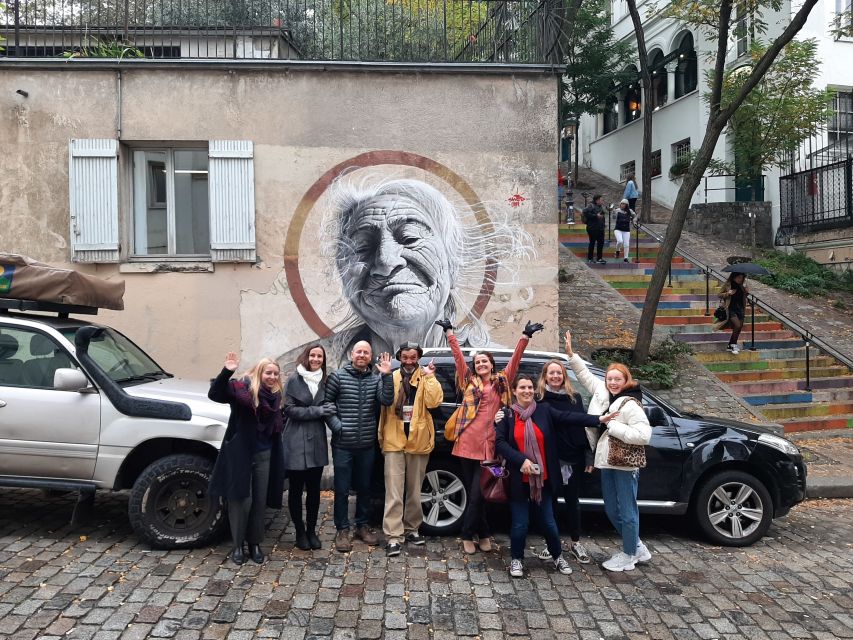
The tour starts at 5 Place Blanche, right in front of Starbucks. It begins on time, and they ask you to arrive at least 5 minutes early for check-in. If you’re late, you can miss the tour without a refund, so treat this as a real appointment, not a casual stroll.
I’m a big fan of tours that tell you exactly what to bring. Here, it’s practical: bring a passport or ID, wear comfortable shoes, and dress for the weather. Because this is fully outdoors and in all conditions, what you wear affects the experience more than usual. If it’s damp, you’ll feel it on those hills and stairs. If it’s sunny, you’ll want layers that handle temperature changes while standing around.
One more heads-up: the walk involves a moderate level of walking, long periods standing, and hills with stairs. If you’re dealing with back issues, or you have mobility challenges, this is likely not the right fit. There’s no gentle workaround described—plan accordingly.
What 135 minutes really feels like on the ground
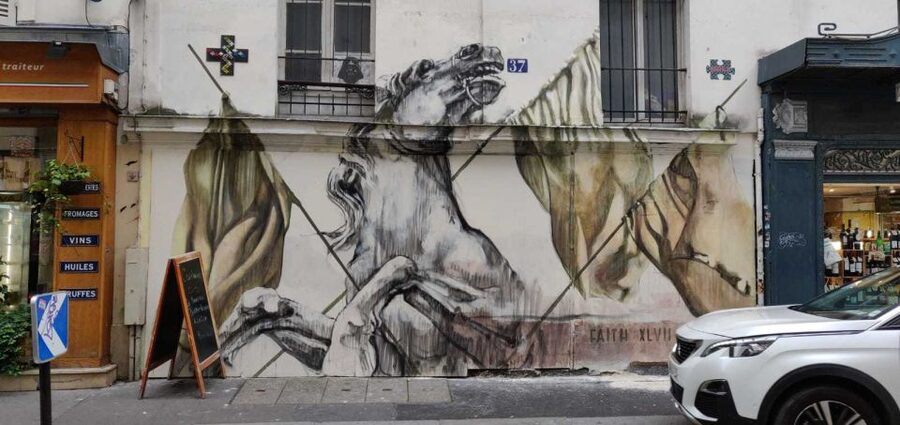
This is a 135-minute live, English-language tour led by a professional guide. That timing usually means one main arc: you start with the big-picture story, you move through the neighborhood to connect art eras, then you shift toward what’s on the walls today.
You can expect a mix of:
- Interpretation: the guide explains how street art became popular and how it fits into Montmartre’s longer art patterns
- Walking-and-standing rhythm: you’ll stop often enough to look closely, then move again through narrow lanes
- Outdoor learning: the whole lesson happens outside, so you’re learning while actually experiencing the place
There’s also a clear rule: no video recording. It’s not a tech tour. The focus is on listening, looking, and absorbing. If you’re tempted to document everything, switch your mindset. Take a few photos if allowed at your discretion, but prioritize the guide’s explanations and what you’re seeing at each stop.
The hilltop church moment: where art history meets the view
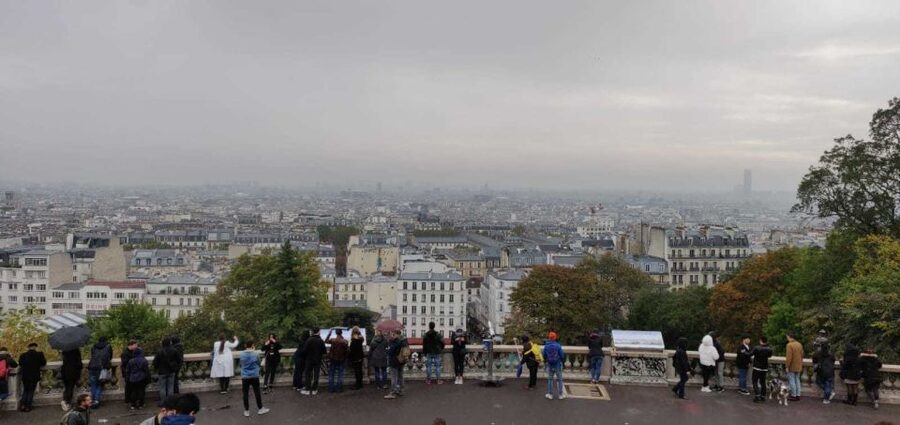
Montmartre’s topography is part of the show. The tour includes time near the beautiful church on top of the hill, and this is where the neighborhood’s scale clicks into place. From up here, you understand why painters and writers were drawn to the district’s dramatic angles and viewpoints.
This is also where the tour’s story gets more specific. The guide connects the bohemian Paris of the 19th and 20th centuries to what you see around you now. The neighborhood’s artistic names aren’t thrown in like a trivia list. They’re used to explain why Montmartre became such an attractor for creative people—and why street art feels like a natural extension of that.
For me, the best part of a hilltop stop is that it changes how you navigate the rest of the walk. When you can see the neighborhood from above, the narrow streets and back alleys make more sense. You stop thinking of street art as random decoration and start seeing it as part of a human network: corners, sightlines, and the urge to leave a message where people will notice.
Practical reality check: this part involves hills and stairs. If your legs or knees are not in great shape, pace yourself and take breaks when you need them.
How you’ll connect famous painters to street art today
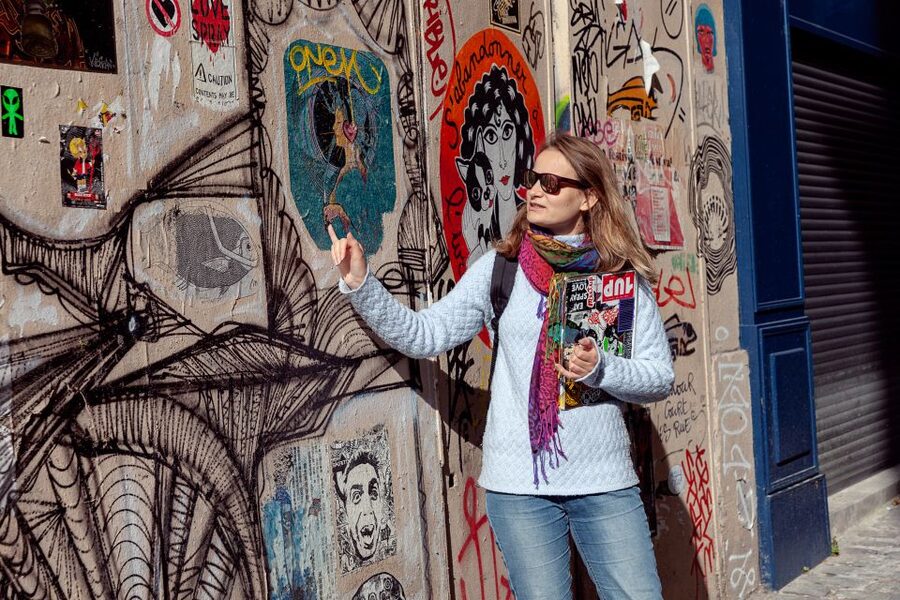
One of the smartest things this tour does is treat street art as a cultural phenomenon rather than a style. You don’t just hear what’s painted. You learn why it’s happening, why it gets attention, and how Montmartre helped set the stage for that kind of creative visibility.
The guide uses the bohemian art era as the bridge. You’ll hear how artists shaped the city’s identity and how Montmartre became a place where creative people could experiment and be seen. Then you shift to the present: exploring backstreets and looking at art being created today.
This is where the “minimum 6 years” experience of the street-art guide matters. Street art is layered—sometimes political, sometimes personal, sometimes purely aesthetic. A good guide helps you read the cues: location, style, and the street-level audience. That’s the difference between spotting a mural and understanding the culture behind it.
I also like that the tour doesn’t force you to crowd around the most famous sites the whole time. The instructions include a promise that you can be surprised by how quiet and colorful Montmartre becomes when you skip the busiest tourist corners. That matters for your enjoyment. Street art can be hard to see when you’re surrounded by noise and constant foot traffic.
Backstreets off the busiest paths
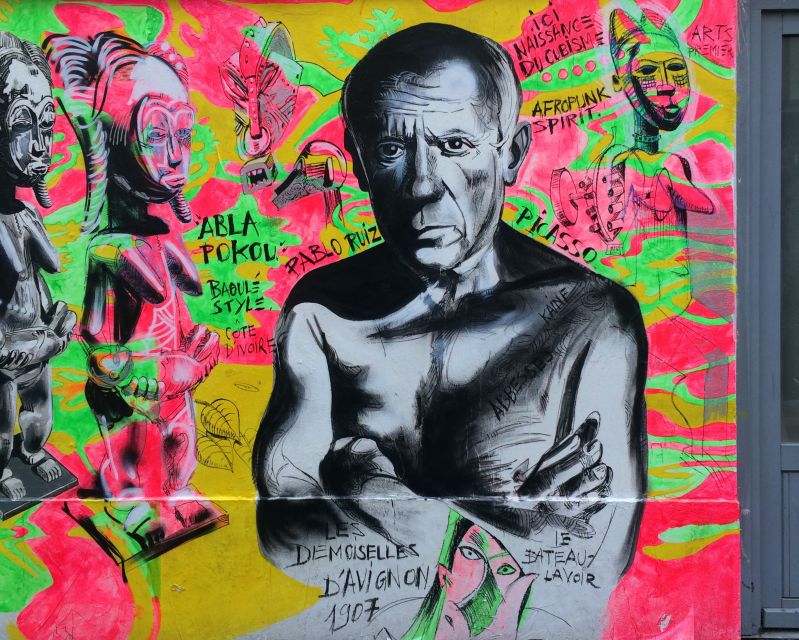
Montmartre can be packed, and the famous spots can feel like a checklist. This tour’s real value is that it guides you into the backstreets, where you get a calmer sense of the neighborhood. The payoff is twofold: better viewing and a more authentic mood.
Here’s what you’re likely to notice in these quieter lanes:
- Walls that feel like part of daily life, not an attraction
- More layers of smaller works, not just big showpieces
- Streets where the art looks more connected to the space around it—stairs, corners, passageways
The guide also helps you recognize why young street artists choose this neighborhood. Montmartre has long had an audience for creativity. When you understand that history, today’s street art feels less like a random trend and more like the same instinct repeating over time.
If you’re hoping for a tour where you can slow down and really look, you’ll like the backstreet emphasis. If you want a nonstop sightseeing highlight reel, this might feel a bit more reflective than you expect. The focus is art understanding, not sprinting between major monuments.
Guide quality: what you can expect from the street-art pro
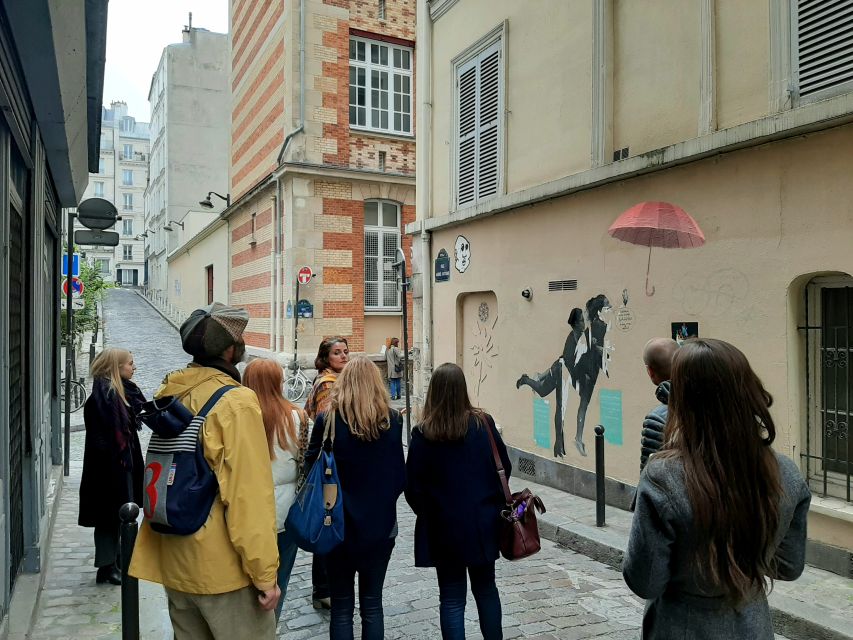
This tour is led by a professional guide with at least 6 years of street-art tour experience, and that shows in how the walk gets structured. You’re not just tagging along while someone points. You’re getting explanations that connect art history to what you see in front of you.
In feedback connected to this tour, guides such as Stefan and Sabrine are described as energetic and full of detail—especially at translating street-art culture into something you can actually grasp on the street. That kind of teaching matters because street art can be intimidating if you think you need formal training.
A good guide also knows when to let you look. The best moments in street-art tours usually happen during quiet pauses, when your brain starts matching what you were told to what’s on the wall. Expect your guide to set you up for those pauses, then help you interpret what you’re seeing.
One more note: it’s an English tour, and the guide is live. If you like asking questions (or just listening as they explain), this format tends to work well.
Outdoor learning in real weather
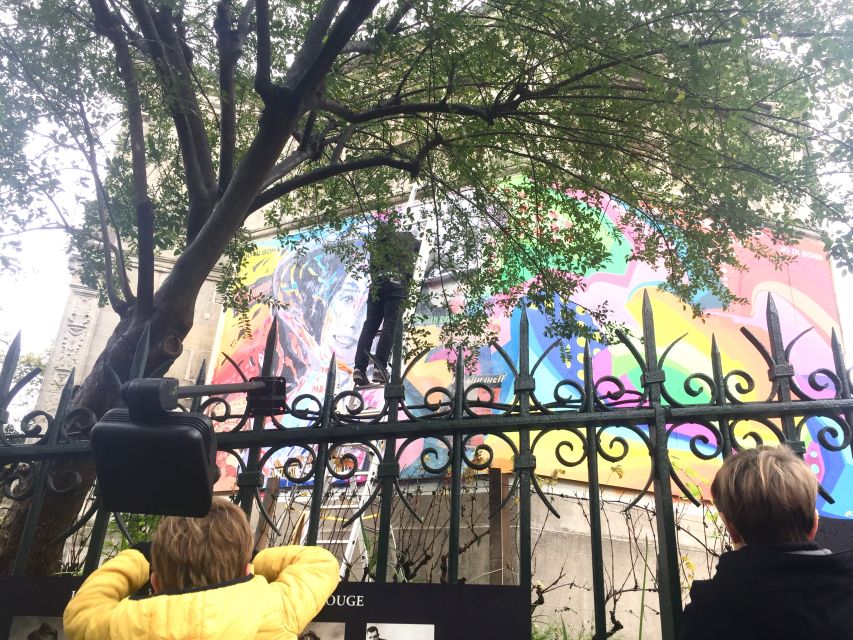
This experience is entirely outdoors and runs in all weather conditions. That’s not a problem if you dress for it. It’s a problem if you show up in shoes that can’t handle cobblestones or hills.
If you’re planning around this tour, think about the basics:
- Comfortable shoes are non-negotiable
- Weather-appropriate clothing will keep the experience enjoyable
- Plan for long standing periods, not just walking
Also remember: there’s moderate walking with hills and stairs. You don’t need to be an athlete, but you do need a body that can handle movement in uneven terrain.
And because there’s a video recording restriction, the tour vibe is more like a guided walk-and-discussion than a content shoot. If you love to learn by watching closely and listening well, that suits you.
Who should book (and who should skip)
This is a great match if you:
- Love art and want street art explained in an actual cultural context
- Prefer walking tours that include listening and interpretation, not only photos
- Want Montmartre’s famous locations, but also want the quieter streets around them
- Are comfortable with hills, stairs, and standing outdoors
It’s not a great match if you:
- Have back problems, mobility impairments, or need a wheelchair-friendly route
- Expect a flat, easy stroll
- Need a lot of seating breaks during the walk
If you fall somewhere in the middle—like you can walk but stairs are a challenge—go in with realistic expectations. The tour is built around that terrain.
Price and value: what $47 buys you in Montmartre
The price is $47 per person for 135 minutes, and that includes a professional guide. You’re paying mostly for two things: time and expertise.
Street art tours are only worth it when the guide can translate what you’re seeing into meaningful context. The tour explicitly positions the guide with years of street-art tour experience, and the lesson connects the neighborhood’s street art to well-known artists and bohemian-era influences. That’s what you’re buying: not just a walk, but an interpretation of why Montmartre became such a creative magnet.
Food and drinks are not included, so factor that in if you’ll be hungry afterward. The duration is long enough that you might want a plan before or after, but the tour itself stays focused on art and walking rather than meals.
If you’re deciding between a generic Montmartre sightseeing walk and a street-art-focused experience, this one is better value for anyone who wants more than landmark chatter. The price lines up with a guided experience that includes meaningful stops, explanations, and hilltop context.
Should you book this Montmartre street art tour?
I’d book it if your travel style includes noticing details and you enjoy learning how a neighborhood’s creative identity grew. It’s especially worth it when you want Montmartre’s story to connect past and present: from the bohemian art era and painters like Toulouse-Lautrec, Van Gogh, Picasso, and Matisse to what’s being made on walls today.
You might want to skip or reconsider if stairs and prolonged standing are tough for you, since the tour is outdoors in all conditions and includes hills and stairs. Also skip it if your main goal is filming or if you’re expecting a purely sightseeing-driven route.
If you do book, show up on time at 5 Place Blanche, wear shoes that can handle rough surfaces, and keep your expectations aligned with the format: listen, look, and walk. When it clicks, you’ll start spotting street art across Paris with a lot more understanding than you had before.
FAQ
Where does the tour meet?
It meets in front of Starbucks at 5 Place Blanche, Paris, France.
What time should I arrive?
Arrive at least 5 minutes early for check-in, because the tour starts on time.
How long is the Montmartre street art tour?
The duration is 135 minutes.
What does the tour cost?
The price is $47 per person.
Is the tour conducted in English?
Yes, the live tour guide language is English.
What’s included in the price?
A professional guide is included.
Is hotel pickup or drop-off included?
No, hotel pickup and drop-off are not included.
What should I bring?
Bring passport or ID, wear comfortable shoes, and dress for the weather.
Is video recording allowed?
No, video recording is not allowed.
Who should not book due to mobility needs?
It is not suitable for people with back problems, mobility impairments, or wheelchair users because of hills, stairs, and long periods standing outdoors.