REVIEW · HONG KONG SAR
Private & Personalized Hong Kong Street Art Tour with a Local
Book on Viator →Operated by City Unscripted · Bookable on Viator
One easy rule in Hong Kong: art isn’t far. This private, personalized street art tour trades generic photo stops for a local-guided route through laneways, murals, and creative districts, with pickup from your chosen starting point. I like the flexible itinerary built around what you care about, and I also like how your guide folds in culture and practical city context as you walk. The main consideration: it’s a walking-focused experience, so if stairs and time on your feet aren’t your thing, plan accordingly.
You’ll cover a lot of visual styles in about 3 hours, from murals tucked behind cafés to landmark painted stairways and larger-scale walls at places like Art Lane. If you want the kind of tour where the guide remembers your interests (not just a script), this format is a strong fit. I’ve seen guides like Donald and Regene set the tone with history, architecture, and everyday Hong Kong life, while also keeping the pace comfortable.
In This Review
- Key Highlights You’ll Actually Feel on This Tour
- A Private Street Art Route That Moves With Your Interests
- Cost and Value: Why $127.34 Can Make Sense
- Pickup, Timing, and the Walk-First Reality
- Stop by Stop: What Each Area Adds to the Story
- 1) Your Personalized Start: Colorful Districts and Hidden Alleys
- 2) Former Industrial to Creative Hub: Warehouses and Studio Life
- 3) Hong Kong Island’s Art Heart: Laneways, Cafés, and Stairs
- 4) Historic Hollywood Road: Big Icons and Local Talent
- 5) Painted Stairs and Meaningful Alleys
- 6) Art Lane Finale: Large-Scale Walls and Local-International Mix
- What the Best Guides Add (Donald and Regene as Examples)
- Photos, Weather, and How to Get the Most Out of 3 Hours
- Who Should Book This Tour
- Should You Book? My Practical Take
- FAQ
- How long is the Hong Kong street art tour?
- Where does the tour start and end?
- Is pickup included?
- Is this a private tour?
- What’s included in the price?
- Do I need to pay for transportation or attractions?
Key Highlights You’ll Actually Feel on This Tour
- Pickup from your chosen location so you can start without hunting for a meeting point
- A pre-tour questionnaire that shapes your route around your interests and must-sees
- Local stories tied to the art, not just descriptions of what’s painted
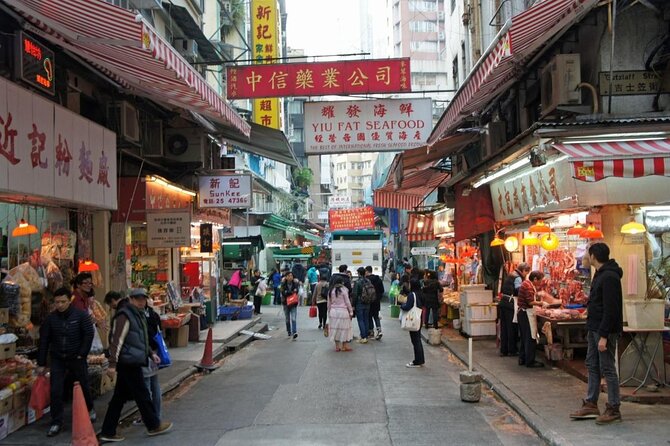
- Stops that mix hidden laneways, iconic stairs, and major mural sites
- Built for your group only, with direct communication for itinerary planning
A Private Street Art Route That Moves With Your Interests
Street art works best when you’re there for the details. On this tour, you’re not just collecting pictures—you’re walking with someone who can explain what you’re seeing and why it shows up in that exact neighborhood.
The “private” part matters more than you might think. You can steer the day toward the things you genuinely want—more history, more architecture, more photography spots, or more of the creative side of local culture. Your guide also uses a short questionnaire before you arrive, then reaches out to tailor the walk to your style, which is a big upgrade from one-size-fits-all group tours.
There’s also a practical upside: pickup options reduce friction. Instead of starting the day by figuring out where everyone meets, you can choose a pickup location, then get pointed in the right direction quickly and keep the day flowing.
You can also read our reviews of more tours and experiences in Hong Kong SAR.

Cost and Value: Why $127.34 Can Make Sense
At about $127.34 per person, this isn’t the cheapest way to see murals. But it’s priced like a guided experience that saves time and reduces guesswork.
You’re paying for:
- A private guide (your group only)
- A route that’s personalized, based on your preferences
- Insider recommendations during the walk (often including places to eat and drink nearby)
- A format built for walking, so you spend energy looking—not managing logistics
The “watch-outs” are also clear in the details. Food, drinks, and attraction tickets aren’t included, and transportation is mainly on foot, with public transport possibly used at an extra cost. If you plan to add metro rides or taxis between far-apart stops, keep that budget flexible.
If you’re traveling with a friend or partner, the private setup tends to feel even better because you can split your attention between conversation and photos without stopping the flow for a larger group.
Pickup, Timing, and the Walk-First Reality
This is a walking experience with flexible start times. That means you can choose a time that fits your energy level and the day’s weather.
Pickup is offered from your choice of location, and the tour starts at the Statue of Sir Thomas Jackson, Des Voeux Rd Central, Central. You’ll end back at the meeting point. That round-trip design is helpful if you’re trying to keep the rest of your schedule clean—especially if you have an evening plan in Central.
Since it’s walking-first, wear shoes you trust. Some stops include stairs (like the iconic steps on Shing Wong Street), and you’ll be moving through laneways and side streets where the surface can change quickly. If you’re sensitive to crowds, it’s still a good idea to be prepared for dense city sidewalks, just with the benefit of a smaller group.
If you need help with directions or want a smoother transfer between distant points, you can discuss using public transport or local taxis, but those costs are not included. It’s best to decide ahead of time whether you’re okay paying a little extra for efficiency.
Stop by Stop: What Each Area Adds to the Story
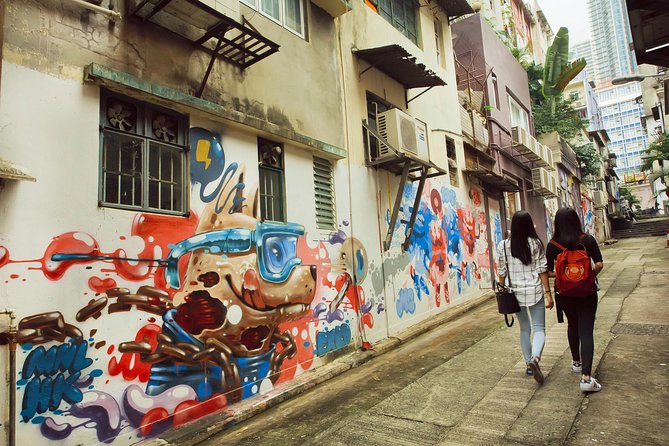
1) Your Personalized Start: Colorful Districts and Hidden Alleys
The tour begins with a fully personalized street art adventure shaped by your interests. From the start, your guide aims to hit lively neighborhoods and “in-between” spaces—think murals, colorful street scenes, and alleys that don’t show up on the fastest walking directions.
This first segment is where you set the tone. If you’re the kind of person who loves technique, you can ask questions about styles and placements. If you want context, your guide can link the art to Hong Kong’s creative culture and how people use public space.
Potential drawback: because the opening is flexible, you might start in one direction that feels less predictable than a fixed itinerary. For many people, that’s a feature, not a bug. Just know your day may feel more like a guided exploration than a checklist.
2) Former Industrial to Creative Hub: Warehouses and Studio Life
Next you’ll explore a former industrial area turned creative hub, where the environment itself helps explain the street art. When warehouses become studios and art spaces, the city’s texture changes—and murals often follow that shift.
This is a strong stop for anyone who wants street art to feel connected to real city life, not just decoration. You’re walking in an area where art culture has a physical home, so it’s easier to see why certain pieces look the way they do and why artists choose these walls.
Potential drawback: depending on the neighborhood, you may see more art in concentrated zones than scattered throughout. That’s great for photography, but you may want to bring your camera and be ready to move with intent when you spot something that fits your eye.
3) Hong Kong Island’s Art Heart: Laneways, Cafés, and Stairs
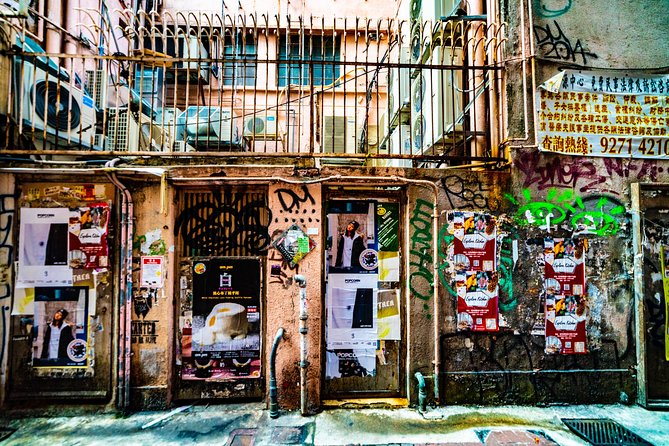
Then you head into the artistic heart of Hong Kong Island, winding through colorful laneways and lively streets. The tour includes murals tucked behind cafés, plus you’ll tackle Shing Wong Street’s iconic stairs, which are a standout for both visuals and the storytelling around them.
This part is where the tour becomes very photo-friendly. Stairs add shape and drama, and laneways create that classic “Hong Kong angle” with walls close to the sidewalk and details right where you’re standing.
One consideration: stairs mean you should plan for comfort. If you don’t enjoy climbing or you’re traveling with mobility limitations, this segment is the hardest part of the route based on the information given.
4) Historic Hollywood Road: Big Icons and Local Talent
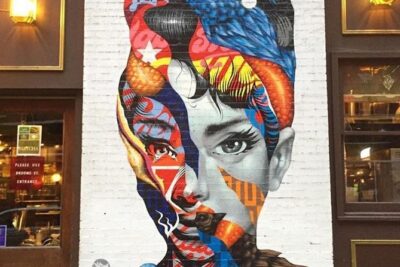
From there, the walk heads along historic Hollywood Road, where you’ll find both iconic work and pieces by local talent that you might miss on your own. One highlighted example is the multicolored woman’s face mural.
Hollywood Road is the kind of place where street art can feel like it belongs to a longer cultural timeline. Having a guide here helps because you’re not just looking at art—you’re also hearing why certain pieces became known and how the area’s identity shapes what artists choose to paint.
Potential drawback: if you’re hoping for a purely street-level crawl with no “main street” feeling, this stop may feel more structured. Still, it’s valuable because it combines recognition with discovery—famous murals plus lesser-known spots nearby.
5) Painted Stairs and Meaningful Alleys
After Hollywood Road, the tour leans into the “walk-and-look” rhythm again with stops centered on vivid painted stairs and the surrounding alleys. Your guide explains the history and inspiration behind each piece, so each photo becomes more than a snapshot.
This segment is especially good if you like understanding the choices behind the artwork—why it’s placed where it is, and how the surrounding streets change how you read it.
Potential drawback: if you’re very time-sensitive, this stop can feel like a “linger” zone. That’s usually a good thing on a street art tour, but if you’re trying to reach another commitment right after, keep buffer time.
6) Art Lane Finale: Large-Scale Walls and Local-International Mix
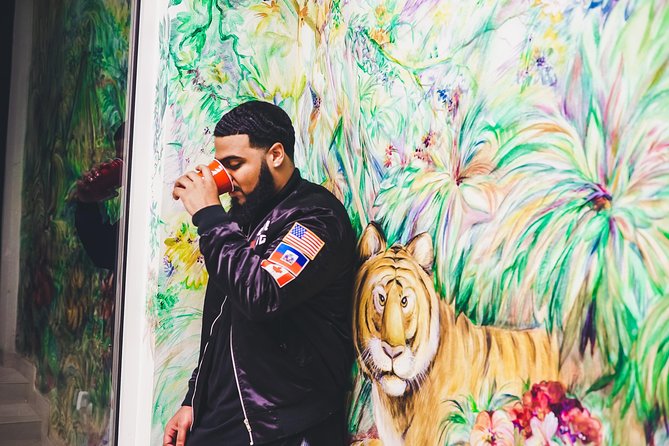
You wrap up at Art Lane, known for large-scale murals and bold facades. This is where you get a more dramatic sense of Hong Kong’s street art scene, and you’ll see how the city’s creative world blends global trends with authentic local expression.
As a closing stop, it works well. Earlier parts of the tour focus on finding and interpreting details. Here, you finish with big walls and bigger visuals—easy to photograph and satisfying to end on.
Potential drawback: if you’re not into large murals, you may prefer earlier segments. Still, it’s a strong finish point because it gives your eyes a “final read” on what you’ve been learning about all day.
What the Best Guides Add (Donald and Regene as Examples)
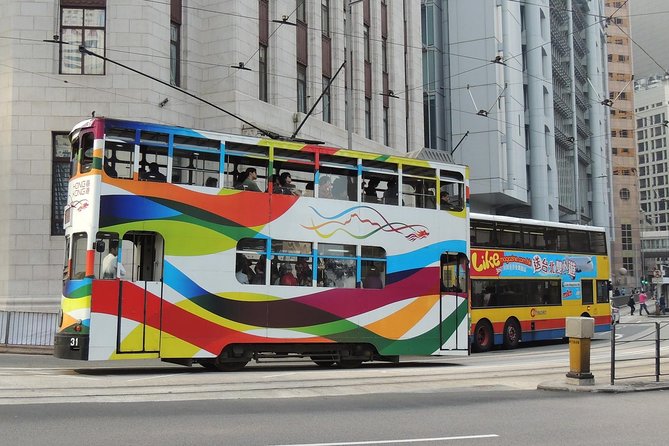
One of the most praised parts of this tour is the guide skill: history, architecture, and daily Hong Kong context mixed into the art walk.
Guides like Donald are highlighted for a good mix of cultural and history info, plus fun city-specific notes that help you understand local idiosyncrasies. He’s also described as adding restaurant and bar recommendations that work for both expats and locals—useful if you want the tour to improve your next few hours, not just your photos.
Regene is noted for being very prepared and highly knowledgeable, and for making the tour feel comfortable without dragging. That matters because a street art tour lives or dies on pacing. Too fast and you miss details. Too slow and you lose momentum. A good guide finds the sweet spot.
Because you’re doing this privately, you can also tell your guide what you want to skip. If you don’t care about a certain angle of history, you can redirect. That’s a real advantage of the personalization built into the experience.
Photos, Weather, and How to Get the Most Out of 3 Hours
This tour is about seeing street art with context, not just speed-scrolling locations. For photos, focus on a simple strategy: capture the whole wall first, then step closer for face-level details, then get one wider “street frame” shot that includes the surrounding neighborhood.
Bring water and plan for weather. The route is walking-heavy, and the street art spots include areas with stairs and tight lanes where getting out of rain or sun isn’t always easy. If you’re sensitive to heat, choose a start time that lets you avoid the hottest window.
Also, since the tour ends at the meeting point, think about what’s next. You’ll likely want a meal or a drink nearby, and the guide’s local recommendations can save you time.
Who Should Book This Tour
This is a good match if:
- You want private, customized attention rather than a group script
- You’re curious about the connection between street art, neighborhoods, and everyday Hong Kong life
- You like photography but also want the stories behind the murals
- You want someone to suggest where to eat or have a drink after the walk
It’s less ideal if:
- You strongly dislike stairs or don’t want a walking-focused plan
- You’re only interested in one single “famous mural” and nothing else
- You’d rather do street art on your own with no guide interpretation
Should You Book? My Practical Take
If you enjoy street art as a window into a city—not just as decoration—this tour is worth your time. The biggest reason is the personalization: the route can fit your interests, and your guide can steer the day toward what you’ll actually care about.
The price isn’t small, but it’s easier to justify when you factor in pickup options, private attention, and the fact that the walk is designed to hit meaningful mural areas like Shing Wong Street and Art Lane. Add in the guides’ strong ability to mix art with city context, and the value gets clearer.
If you’re on the fence, consider this simple check: can you comfortably spend about 3 hours walking and climbing a few steps? If yes, book it and treat it like a guided visual tour with real Hong Kong context.
FAQ
How long is the Hong Kong street art tour?
The tour lasts about 3 hours.
Where does the tour start and end?
It starts at the Statue of Sir Thomas Jackson, Des Voeux Rd Central, Central, Hong Kong, and it ends back at the same meeting point.
Is pickup included?
Yes, pickup is offered from your choice of location.
Is this a private tour?
Yes. It’s a private experience, and only your group participates.
What’s included in the price?
You get a private and personalized walking experience with insider tips from a local guide, flexible start times, a pre-tour questionnaire, and direct communication with your host to plan the itinerary.
Do I need to pay for transportation or attractions?
Transportation isn’t included (it’s primarily walking, and public transport may be used at an additional cost). Food, drinks, and tickets to attractions are also not included.