REVIEW · PORTO
Porto Tour: Street Art & Architecture Experience 3h
Book on GetYourGuide →Operated by Eco Porto Tours · Bookable on GetYourGuide
Street art meets real buildings fast. This 3-hour Porto tour uses a tuk tuk ride plus guided stops to show you how the city’s murals sit next to everything from blue tile facades to clean modern lines. I like two things most: the way you get to neighborhoods like Miguel Bombarda without burning a whole day, and how the guide connects what you see on walls to Porto’s design and identity. One drawback: at just 3 hours, you’ll see a lot, but you won’t get slow, museum-level detail everywhere.
I also like that it’s not only about aesthetics. The tour points you to stories behind major names such as Vhils (carving human faces into walls) and Odeith (3D-style graffiti), plus community projects and messages about identity and change. You’ll still want comfy shoes because some stops include short walks.
If you’re the type who hates being rushed, treat this as a smart “orientation tour” for street art and architecture. Then, if something really grabs you, you can come back later on your own for a longer look.
In This Review
- Key highlights worth your attention
- Why this tuk tuk street art and architecture mix works in Porto
- Starting at the Estatua de Vimara Pérez: setting the tone
- Historic Center to Baixa: blue tiles and modern edges in one route
- Cedofeita and Miguel Bombarda: where murals become local conversation
- Bonfim streets: Porto’s urban change, seen up close
- The artists you’ll hear about: Vhils and Odeith (and why stories matter)
- Guide energy and how to get the most from 3 hours
- What $233 buys you: value of a private tuk tuk Porto tour
- Quick itinerary flow: what happens from start to finish
- Should you book this Porto street art and architecture tour?
- FAQ
- How long is the Porto Street Art & Architecture tour?
- Where does the tour start and end?
- Is the tour private?
- What language options are available for the guide?
- What is included in the price?
- What is not included?
- What areas of Porto do you visit?
- What kind of street art and artists can you expect to see?
- Is it wheelchair accessible?
- Can I cancel and get a refund?
Key highlights worth your attention
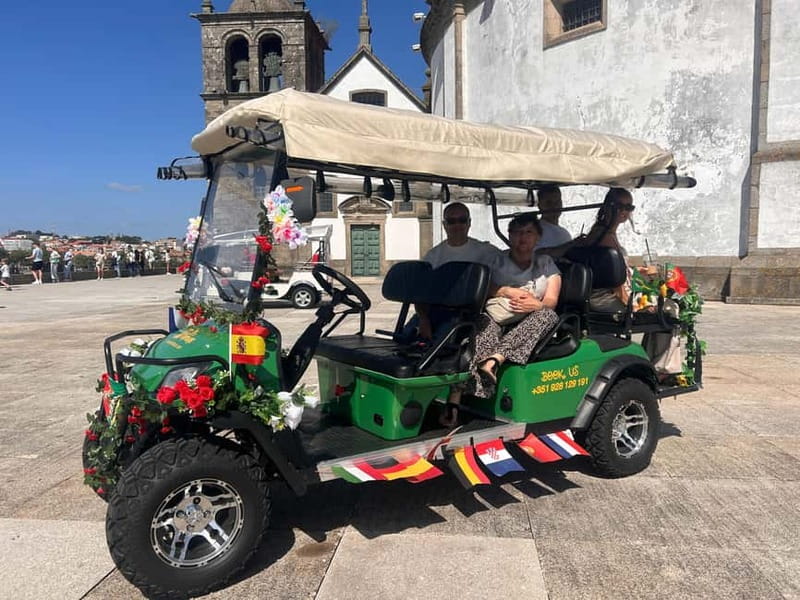
- Tuk tuk transport for neighborhoods like Miguel Bombarda and Cedofeita so the tour stays efficient
- Big mural names on the wall: Vhils and Odeith, with the meaning behind the work
- Architecture contrasts from neoclassical buildings and blue tiles to modern glass-and-stone lines
- Porto’s old-to-new urban shift explained through what’s where, and why it changed
- Private multilingual guide (Portuguese, English, Spanish, French) for questions on the spot
- Short and focused, not a full-day marathon—3 hours is the whole plan
Why this tuk tuk street art and architecture mix works in Porto
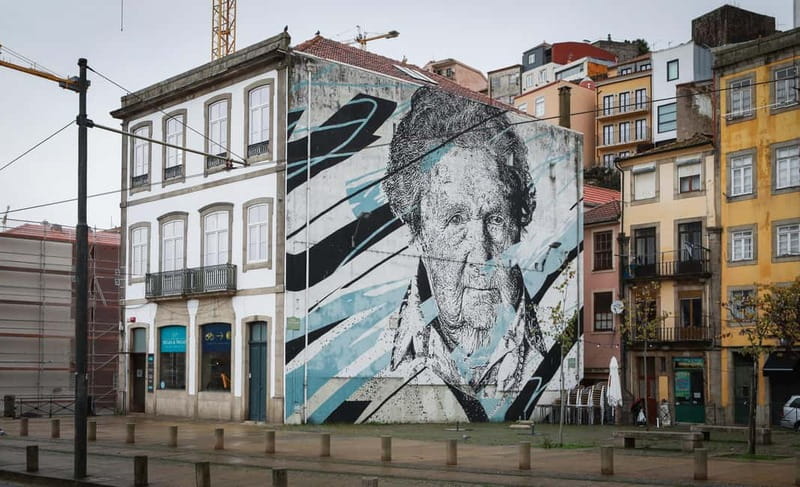
Porto has two faces. One is classic: stone streets, blue tile accents, churches and older facades that look like they’ve been standing forever. The other face is current: bold street art, contemporary design, and neighborhoods that feel like they’re constantly rewriting the rules.
This tour fits that split because it moves you quickly between the “before” and “now.” The tuk tuk matters more than you’d think. You’re not stuck behind slow logistics or spending your limited time in transit. You can focus on what you came for: murals, street interventions, and the architecture sitting right beside them.
Also, the guide keeps it grounded. You’ll hear the stories behind why street art became such a visible movement in Porto, not just which mural is where. That makes your photos more than decorations. They turn into a mini timeline of the city’s identity and upgrades.
You can also read our reviews of more tours and experiences in Porto.


Starting at the Estatua de Vimara Pérez: setting the tone
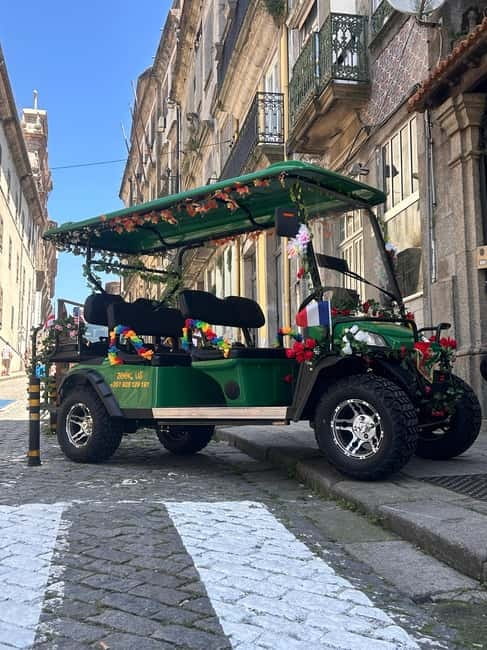
Your tour starts at Estatua de Vimara Pérez. That choice is practical: it gives you a clear jump-off point so you can get oriented quickly. It’s also a good moment to settle in before you start jumping between zones.
From the start, expect the guide to frame the “old meets new” theme. Porto’s Historic Center provides the contrast—blue tiles and neoclassical building shapes—then the tour gradually shifts toward contemporary design you’ll recognize by cleaner lines and modern materials. If you’re the type who likes context before pictures, you’re in the right place.
A small consideration: because it’s a guided ride with multiple stops, you’ll want to be ready to move. If you’re the kind of traveler who likes long photo sessions at every corner, you might feel the pace. The upside is that you’ll see the full arc in 3 hours.
Historic Center to Baixa: blue tiles and modern edges in one route
After you start, the tour focuses on Porto’s Historic Center & urban heritage and how it connects to current design. You’ll get a sense of the city as a patchwork of eras, not a single uniform look.
Here’s what you can look for in this phase:
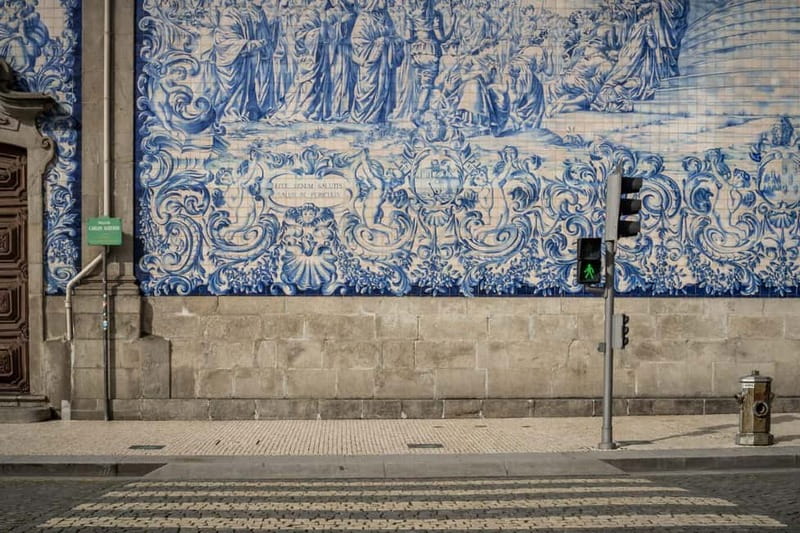
- Blue tile details paired with older stone and traditional facades
- Neoclassical buildings sitting near more modern construction
- A visual shift toward sleek modern elements—where contemporary shapes start showing up beside older textures
The tour specifically mentions the contrast with places like the Fine Arts Faculty and other architectural surprises. That’s key because it changes how you look at the city. Instead of treating “street art area” and “architecture area” like separate worlds, you see them as the same story told with different tools—paint, glass, stone, and form.
Drawback to keep in mind: because this part is about contrast, some of the architecture may feel more like a highlight reel than a deep architectural lesson. If you want detailed architectural history, plan to use this tour for orientation, then read up or return later to the spots that stuck.
Cedofeita and Miguel Bombarda: where murals become local conversation
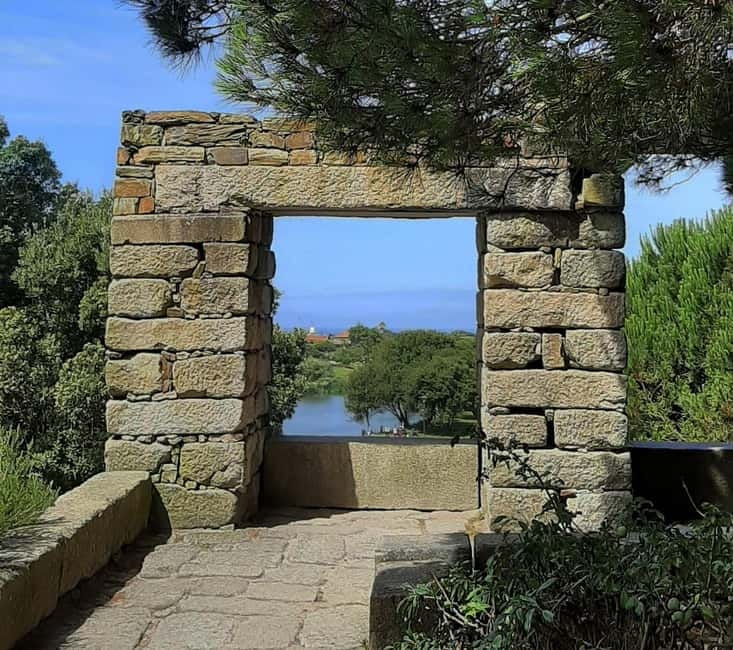
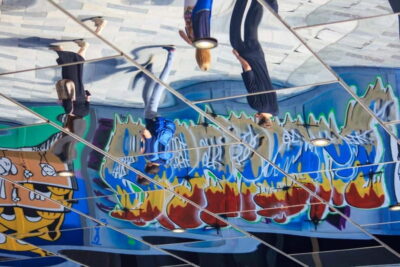
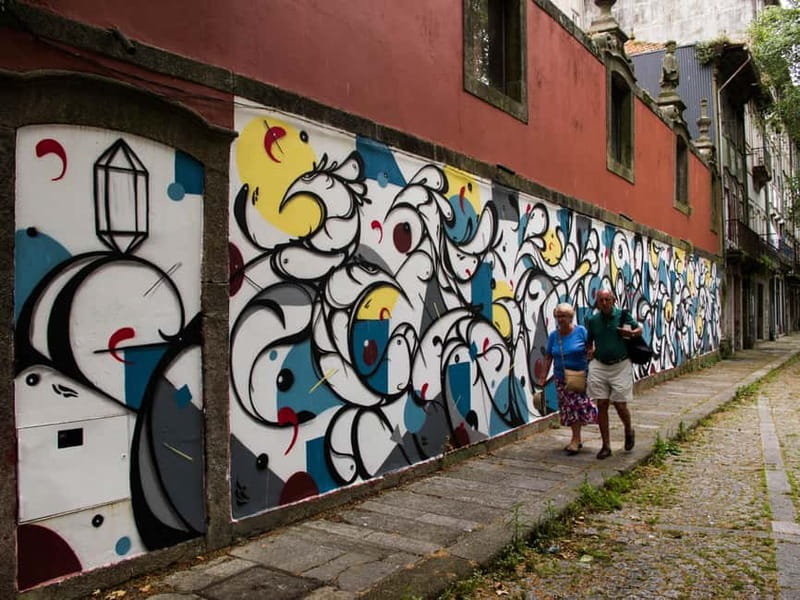
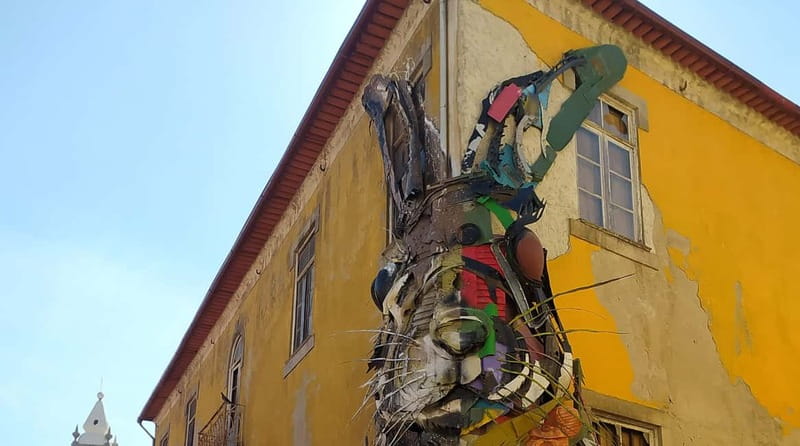
This is the heart of the tour for most people—Cedofeita and Miguel Bombarda. These neighborhoods are presented as places where streets act like outdoor galleries, with murals, street interventions, and graffiti that reflect Porto’s urban culture.
You’re not only meant to see art. You’re meant to understand what kind of art it is and what it’s trying to say:
- Murals tied to ideas of identity, resistance, and change
- Community projects and underground pieces that feel connected to local life
- Larger-scale works by internationally known artists
One of the most useful parts here is how the guide names the artists and then explains their approach. Vhils, for example, is described as carving human faces into walls, which gives you a clear way to interpret the textures and presence of the work. Odeith is linked to 3D graffiti, which helps you notice the illusion and depth effects more than just the color.
In real terms, this stop is great if you like street art but don’t want to guess what you’re looking at. You’ll leave with a mental map: not just the mural location, but the meaning and the message behind it.
Practical tip from the tour’s advice: bring a camera and wear comfortable shoes. Even with the tuk tuk handling the distance, you’ll still do enough walking to make good footwear worth it. Also, bring water; the route covers enough ground that you’ll feel it.
Bonfim streets: Porto’s urban change, seen up close
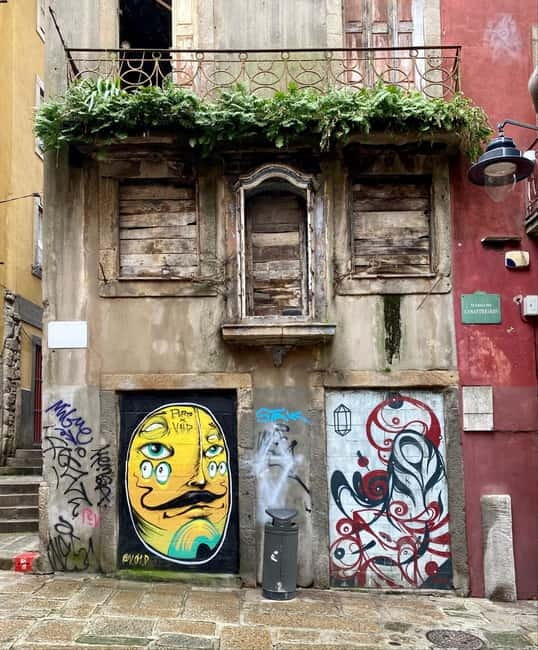
After Cedofeita, the tour moves on to Bonfim. This is where the “urban transformation” theme becomes harder to ignore. The tour is designed to show you Porto evolving—from historic foundations to contemporary design energy.
What I like about framing Bonfim this way is that it doesn’t treat street art as decoration. Instead, it makes it part of a broader shift in how the city looks, how it reinvents public space, and how design and art influence each other.
In this phase, your attention can shift from “which mural is famous” to “what’s the city doing right now.” You’ll likely notice the mix of materials and styles:
- clean modern lines next to older textured stone
- minimal buildings sitting near more ornate, older religious architecture in the wider city context
- the sense that new interventions are constantly added to the existing visual layers
A consideration: if you’re expecting one single “big wow” mural at Bonfim, you may find it’s more about the overall vibe and evolution. That can be a plus. But if you want a perfectly structured checklist of sights, you might prefer a tour with longer stops at fewer locations.
The artists you’ll hear about: Vhils and Odeith (and why stories matter)
Street art can feel random if you only look for style. This tour tries to prevent that by tying visual impact to artist technique and city context.
Here’s what’s explicitly part of the experience:
- Vhils: works described as carving human faces into walls
- Odeith: described as a legend of 3D graffiti
- World-renowned artists plus community-driven projects and messages
The value isn’t only that these names sound famous. It’s that the guide gives you a quick “how to read” toolkit. Once you know what the artist is doing (carving, 3D effects, message-driven work), you’ll notice details you might have missed: the way shadows form, the way a face appears to press out of the wall, or how a piece communicates identity.
Also, you’ll hear urban legends and the evolution of street art in Porto, including how international and local artists connect and how festivals help push the city into the European urban art spotlight. That’s useful because it explains why the murals feel alive and ongoing, not like a one-time “street art moment.”
Guide energy and how to get the most from 3 hours
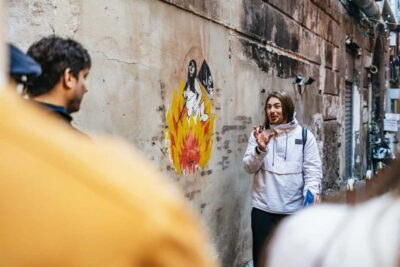
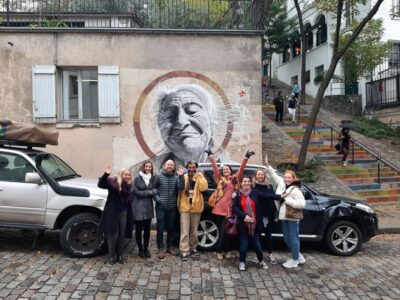
This tour is private, so your guide isn’t stuck answering one question from a crowd. The reviews highlight a few guide personalities—Filipe, Gonzo/Gonzalo, and Duarte—and the common thread is clear: they’re responsive, enthusiastic, and good at keeping pace with the questions you ask.
What that means for you:
- If you love to ask why a mural exists, you’ll get answers
- If you want extra background on Porto’s history and street art culture, you can request it
- If your group changes its interest mid-route, you may find the guide adapts
One helpful note from a review: Duarte was great, but the guide list of sights could be more structured. You can fix that on your side. When the tour starts, ask the guide for a quick outline of the main stops you’ll hit and which neighborhood to focus on if you want the best photos.
With a 3-hour format, your biggest success factor is simple: be ready. Decide what matters most to you before you go. Is it the murals and stories, or is it the architecture contrasts? Either way, you’ll get both, but your priorities shape how much you notice.
What $233 buys you: value of a private tuk tuk Porto tour
Price is $233 per group up to 3 for a 3-hour experience. For solo travelers, that can feel steep compared to joining a bigger group. For a pair, it can start to look more reasonable, and for a group of three, it becomes one of those “smart spend” choices.
Here’s what’s included that supports the value:
- Hotel pickup and drop-off
- Transportation (the tuk tuk is the big part of that)
- Private multilingual guide (Portuguese, English, Spanish, French)
- The experience itself across key neighborhoods
What you should factor in when judging value:
- You’re paying for time saved. In Porto, getting between neighborhoods without losing your day matters.
- You’re paying for context. The guide connects street art to Porto’s architecture and urban change, so you get more than pretty walls.
- It’s private. That means the guide can answer your questions directly instead of staying in a scripted mode.
Not included: museum tickets and anything beyond the street art/architecture route. If you’re also planning major museum visits, you’ll still have to budget separately.
Quick itinerary flow: what happens from start to finish
Here’s the practical flow you can expect, based on how the tour is described:
- Start at Estatua de Vimara Pérez, then begin the guided route
- Move through the Historic Center & urban heritage area, with emphasis on blue tiles and older forms
- Head into Baixa, Cedofeita, and Miguel Bombarda as the creative core of the walk-and-ride mix
- Look for works linked to artists like Vhils and Odeith, plus community pieces and messages
- Continue onward toward Bonfim
- Return to Estatua de Vimara Pérez at the end
The big picture: it’s built to show you Porto as a city in motion—historic surfaces, modern construction, and street art all coexisting on the same streets.
Should you book this Porto street art and architecture tour?
Book it if you want a fast, visual way to understand Porto’s identity. This is especially good for:
- people who like street art but want the story behind it
- architecture lovers who also care about how modern design lives in real neighborhoods
- short-stay visitors who need a “get your bearings fast” plan
- groups of up to three who want privacy and a direct Q&A with the guide
Skip it or adjust expectations if you’re looking for a slow, museum-style deep study. The trade-off for the efficient tuk tuk route is that you’ll cover more territory than you’ll linger.
If you’re deciding today, my take is simple: for 3 hours, this is one of the better ways to see Porto as a living, evolving city—not just a collection of postcards.
FAQ
How long is the Porto Street Art & Architecture tour?
The tour lasts 3 hours.
Where does the tour start and end?
It starts and ends at Estatua de Vimara Pérez.
Is the tour private?
Yes. It’s described as a private group experience for up to 3 people.
What language options are available for the guide?
The guide can operate in Portuguese, English, Spanish, and French.
What is included in the price?
Included are hotel pickup and drop-off, transportation, and a private multilingual guide.
What is not included?
The tour does not include tickets for other activities, such as museum tickets.
What areas of Porto do you visit?
The tour route includes areas like the Historic Center, Baixa, Cedofeita, Miguel Bombarda, and Bonfim.
What kind of street art and artists can you expect to see?
The experience highlights works linked to Vhils and Odeith, along with community projects and street interventions.
Is it wheelchair accessible?
Yes, it’s listed as wheelchair accessible.
Can I cancel and get a refund?
Yes. It offers free cancellation up to 24 hours in advance for a full refund.