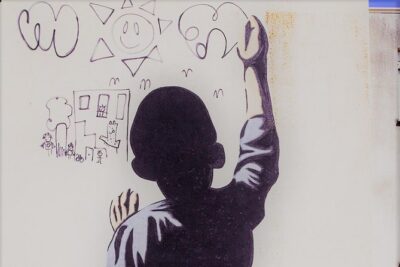
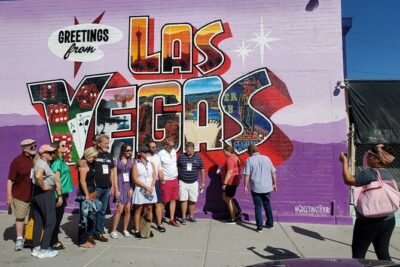
One of Eureka’s best streetscape stories is painted on walls. This 90-minute Old Town tour pairs public art with real local history, tracing gold rush and logging-era clues along the Humboldt Bay waterfront.
I like the way it’s led by a guide who helps you spot murals you’d normally miss, then ties each piece to the place around it. I also love the small-group size, so the route stays calm and you can ask questions instead of just following the crowd.
My only caution: it still involves about 2.5 miles of walking on sidewalks, so wear shoes you can handle, and bring water since snacks aren’t included.
In This Review
- Key things to know before you go
- Bayfront views and the Mendenhall Studios start
- Opera Alley murals: how the guide helps you see more
- The Humboldt Bayfront segment and why it’s more than scenery
- Chinatown stop: stories you probably won’t find by yourself
- Wiyot history woven through mural viewing
- Carson Mansion and Pink Lady: quick stops, big visual payoff
- Ending at the living art wall and the harbor
- Walking distance and practical pacing (what to wear and bring)
- Price and value: why $99 can make sense here
- Who this tour is best for
- A quick reality check on timing and weather
- Should you book the Old Town Eureka street art tour?
- FAQ
- How long is the Old Town Eureka Street Art and History tour?
- Where does the tour start and end?
- What should I bring?
- Is the tour mostly walking?
- How many people are in the group?
- What sights and areas does the tour cover?
- Is the price refundable if weather is bad?
- Is public transportation nearby?
Key things to know before you go
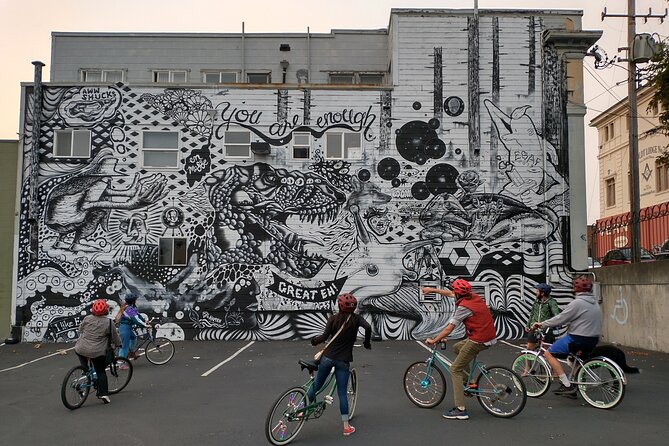
- Small groups (max 12): easier pace, more time at mural stops, and better chances to ask questions.
- A mix of bayfront sightseeing and street art: you get views and context, not just photos of walls.
- Start at Mendenhall Studios: the tour begins at an artist space with history before you hit the main mural streets.
- Gold, logging, and Wiyot history built into the route: the murals are treated like cultural record pages, not decoration.
- Carson Mansion and Pink Lady Victorian stops: quick looks at two of Eureka’s most recognizable mansions.
- Ends back by the bay with the living art wall: you finish where the scenery is best for lingering.
Bayfront views and the Mendenhall Studios start
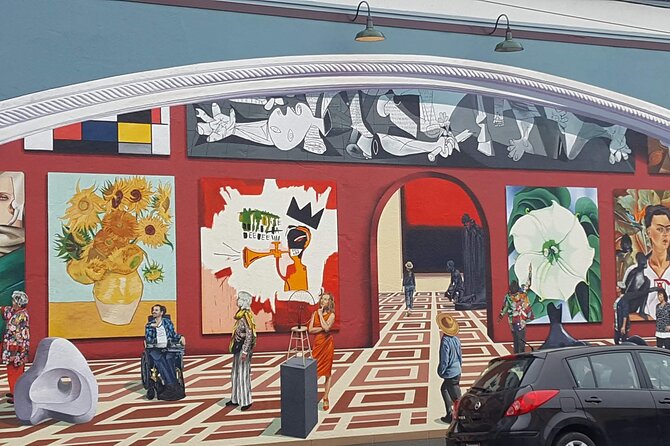
You start in historic Old Town Eureka at 215 2nd St. The first stretch is about getting your bearings fast. Humboldt Bay is right there, and early on you get that water-and-marina sense of place that makes Eureka feel like a working harbor town, not a postcard.
The tour begins at Mendenhall Studios, an artist space with history. I like this opening because it sets the tone: you are not just looking at art, you’re seeing how people here live with creativity. It also helps you understand the timing of public art in a small city. You’ll spend the rest of the tour noticing more than color. You’ll start looking for references, messages, and the local reasons the work exists.
Even if you come for the street art, this first stop is a good reminder that Eureka’s art scene doesn’t float above town life. It grows out of it.
Opera Alley murals: how the guide helps you see more
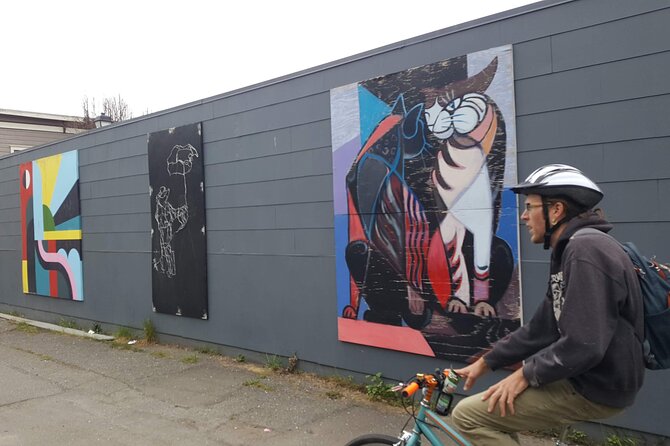
After Mendenhall Studios, the route moves along Old Main Street, often called Opera Alley. This is where the tour earns its reputation. Eureka has a lot of street art pieces—over 100 in town overall—and this area gives you a concentrated hit of murals that you can actually walk from.
A big reason this tour works is how the guide frames what you’re seeing. Instead of treating each mural like a random find, you get the story behind public art in Old Town—how it connects to the city’s identity, the economic waves that shaped the waterfront, and the people who have called this region home.
If you love street art, you’ll appreciate the pace. You get enough time at each section to actually read the details and notice style changes across different artists and eras. If you do not love street art, you’ll still get a lot out of this stretch because the explanations keep you grounded in why these walls matter here.
And yes, your camera will work overtime. I find that having a route like this turns a casual walk into a real art-hunt. It’s also a shortcut: you’re not relying on luck or maps that don’t show you what matters most.
The Humboldt Bayfront segment and why it’s more than scenery
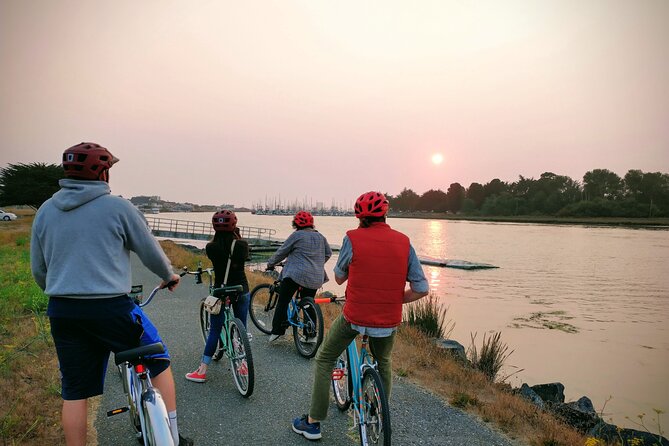
One part of the experience focuses on the bayfront. The route includes cycling along the Old Town Bayfront for the first half, which means you trade some sidewalk time for quick, scenic movement. The payoff is the view: islands out on the water, marina activity, and the waterfront angles that help you understand the town’s layout.
This matters because Eureka’s history is tied to water access. When you see the waterfront as part of the walking-to-mural story, the rest of the tour makes more sense. Gold and logging weren’t abstract themes; they were part of how supplies moved, people gathered, and neighborhoods formed.
So even if you’re mostly in it for murals, use this bayfront stretch to connect the dots. You’ll come back to the art stops with a clearer sense of the world that created them.
Chinatown stop: stories you probably won’t find by yourself
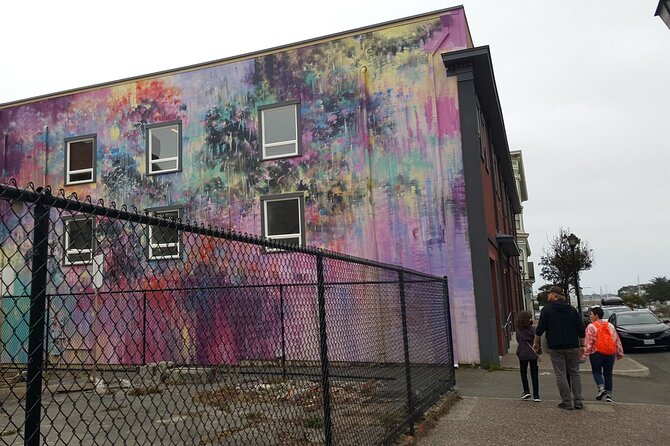
Next you’ll head to Historic Chinatown. This portion focuses on the people and culture that were once banned in the county. I appreciate that the tour doesn’t dodge the hard parts. Street art can look playful at a distance, but when you connect it to community suppression and survival, it takes on a different weight.
This is also where the guide’s role really shows. You’ll walk through a small area and get context that would be tough to piece together on your own during a quick self-guided stop. The point is not to overwhelm you with history facts; it’s to give you the “why” behind the murals and the neighborhood’s identity.
Expect the route to feel thoughtful here. Take it slow, because this stop is about understanding, not speeding to the next photo.
Wiyot history woven through mural viewing
As you keep moving through Old Town, the guide ties in Wiyot history alongside the gold and logging-era stories. I like that this isn’t treated like a side note. The tour uses the art as a way to connect present-day public expression with longer local timelines.
Practically, this means your mural viewing changes. You start looking for symbols, themes, and the kinds of messages artists choose when they’re working in public. You’re also more likely to notice how different parts of the town reflect different layers of identity.
If you want a tour that stays respectful and grounded, this history integration helps. You’ll leave with more than a list of mural locations—you’ll have a mental map of how the area tells its story.
Carson Mansion and Pink Lady: quick stops, big visual payoff
After Old Town murals and Chinatown, you reach Carson Mansion and the Pink Lady. These are two of Eureka’s most famous Victorian buildings, and the tour stops briefly in front of them to describe the logging and gold mining era that shaped Eureka.
Even with a short stop, the mansions do their job. You get the scale of the architecture and the unmistakable Victorian presence that makes downtown Eureka feel like a real historic district, not just a few old facades.
This is a good moment to reset before you end near the bay. If you’ve been walking and looking at art for an hour, the mansions give you a different visual rhythm—big shapes, ornate details, and that classic Eureka look.
Ending at the living art wall and the harbor
To finish, the tour comes back toward the bay with stops that include the living art wall and the harbor. This ending matters because it puts the art back in context with the scenery that shaped the town.
A living art wall also changes how you experience public art. It signals that the work isn’t frozen behind glass. In places like this, street art is part of the city’s ongoing conversation—new work can replace old, and the wall becomes a kind of public bulletin board for creativity.
From there, you head back to where you started. I like ending near the bay because it gives you an easy way to extend your evening on your own—sit, watch boats, and turn your favorite mural shots into a little personal slideshow.
Walking distance and practical pacing (what to wear and bring)
The route is designed to fit into about 1 hour 30 minutes (approx.), but your time on the ground still adds up. Plan for about 2.5 miles of walking on sidewalks.
What I suggest:
- Wear comfortable shoes with grip. Sidewalks here are normal town surfaces, but you’ll be doing real time on foot.
- Bring your own water and snacks. The tour does not include snacks.
- If it’s foggy or windy, dress in layers. Humboldt Bay weather can change fast.
Group size stays small (up to 12), so you won’t feel stuck in a long line, but you still want to be comfortable moving.
Price and value: why $99 can make sense here
At $99 per person, this is not a cheap “just show up and stroll” tour. But when you look at what’s included, it starts to feel fair.
You’re paying for:
- a guided route that helps you locate and interpret murals you’d likely miss on your own
- focused stops across Old Town, including Chinatown, the mansions, and bayfront scenery
- all fees and taxes included in the price
- a small group, which usually means more attention at key spots
If you were self-guiding, you could absolutely walk around Old Town Eureka and find murals. But you would probably spend more time figuring out where the best work is, and you’d miss the connections the guide makes between art, economic history, and community identity. For most people, that’s the value you’re buying: time saved and meaning added.
Who this tour is best for
This is a strong fit if you:
- want street art with context, not just pictures
- like heritage details tied to a real neighborhood (not a museum script)
- enjoy walking tours where the guide’s explanations shape your experience
It may be less ideal if you:
- have limited ability for a 2.5-mile sidewalk walk
- expect a purely passive experience (you’ll be moving the whole time)
- want snacks provided for you (plan to bring them)
If you’re traveling with kids, this can work well too. In past experiences of this kind, families often appreciate the stop-and-look pacing and the guide-friendly attitude that makes photos easy. Just keep shoe comfort in mind.
A quick reality check on timing and weather
The tour runs on about 90 minutes, and it depends on good weather. If weather isn’t good, you’ll be offered a different date or a full refund. So check conditions before heading over—Old Town Eureka is pretty, but bay weather can get chilly.
Also, confirmation happens at booking time, and you’ll use a mobile ticket on the day.
Should you book the Old Town Eureka street art tour?
If you’re visiting Eureka and want the fastest way to get your bearings in Old Town, I’d book this. It combines bayfront views, Victorian landmarks, and mural viewing with explanations that make the street art feel connected to the town instead of random.
I would especially choose it if you care about learning what you’re seeing—gold and logging-era references, plus Wiyot history and the Chinatown story—because that’s where the tour adds real value. And with a maximum group size of 12, you get a tour that stays human-scaled.
Skip it only if your walking stamina is limited or you want a strictly self-paced art stroll. In that case, you might prefer building your own route and taking your time.
FAQ
How long is the Old Town Eureka Street Art and History tour?
It runs about 1 hour 30 minutes (approx.).
Where does the tour start and end?
It starts at 215 2nd St, Eureka, CA 95501 and ends back at the same meeting point.
What should I bring?
Bring your own water and snacks. The tour does not include snacks.
Is the tour mostly walking?
You’ll do walking on sidewalks for about 2.5 miles. The route also includes a bayfront cycling segment for the first half.
How many people are in the group?
The tour has a maximum of 12 travelers, so it stays small-group sized.
What sights and areas does the tour cover?
You’ll see the Mendenhall Studios start, murals in Old Town Eureka / Opera Alley, a stop in Historic Chinatown, front views of Carson Mansion and the Pink Lady, and end near the bay at the living art wall and harbor.
Is the price refundable if weather is bad?
The experience requires good weather. If it’s canceled due to poor weather, you’ll be offered a different date or a full refund.
Is public transportation nearby?
Yes, it’s listed as near public transportation.