REVIEW · MELBOURNE
Melbourne Street Art Quest: Self-Guided Urban Story Game
Book on Viator →Operated by Questo · Bookable on Viator
Street art can feel random. This turns it into a game. You use your phone to answer clue questions, solve small challenges, and piece together the story behind some of Melbourne’s most famous walls and laneways. It’s a fun way to wander without a map or a guide, while still hitting big art stops along the way.
I really like two things here. First, the hunt format makes you look up and slow down, instead of just walking past graffiti. Second, you get 15 puzzle challenges with a storyline woven through Melbourne’s street-art scene, so the walk feels like a sequence rather than aimless wandering.
One drawback to consider: the experience depends on clues matching what you see in front of you. A couple of comments call out issues like answers not matching the clue, plus some people finding it hard to keep up—so go in with patience and a calm pace.
In This Review
- Key points before you go
- Why a street-art quest works so well in Melbourne
- Price and time: is $7.28 good value?
- Route reality: starting at Hosier Lane and ending in Fitzroy
- How the Questo app quest plays on your phone
- Stop 1: AC/DC Lane and the Cherry Bar music clue
- Stop 2: Meyers Place, formerly Nicholas Lane
- Stop 3: Parliament Gardens and Coles Fountain’s steel geometry
- Stop 4: The Collingwood Keith Haring mural that survived
- Stop 5: RONE’s Never Enough and Wonderlust text
- Pacing tips, especially if puzzles feel tricky
- Who this street-art quest is best for
- Should you book the Melbourne Street Art Quest?
- FAQ
- How long is the Melbourne Street Art Quest?
- How much does it cost?
- Where do I start and where does it end?
- Do I need a map, GPS, or a guide?
- How do I access the quest on my phone?
- How many puzzle challenges are included?
- Can I pause and resume?
- Is there a physical tour guide?
- Is this a private experience?
- What is the cancellation policy for a full refund?
Key points before you go
- Phone-first scavenger hunt with clue questions and challenge prompts, no guide required
- 15 puzzle challenges tied to street art and a storyline
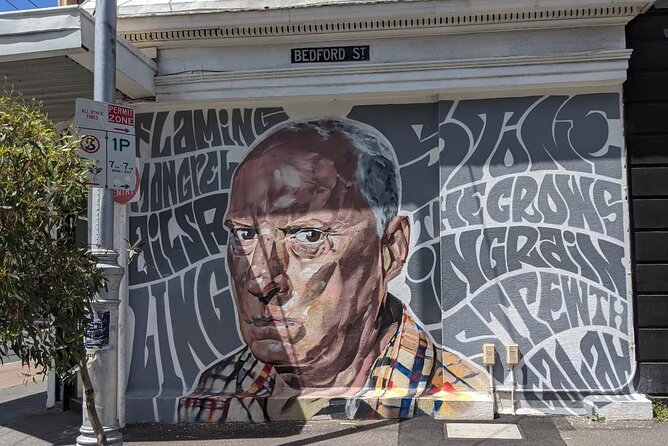
- Targets major Melbourne art spots like AC/DC Lane, Meyers Place, and Parliament Gardens
- Self-paced pacing means you can pause and resume when you want
- Works well as a low-cost plan if you like solving, noticing details, and walking streets
Why a street-art quest works so well in Melbourne
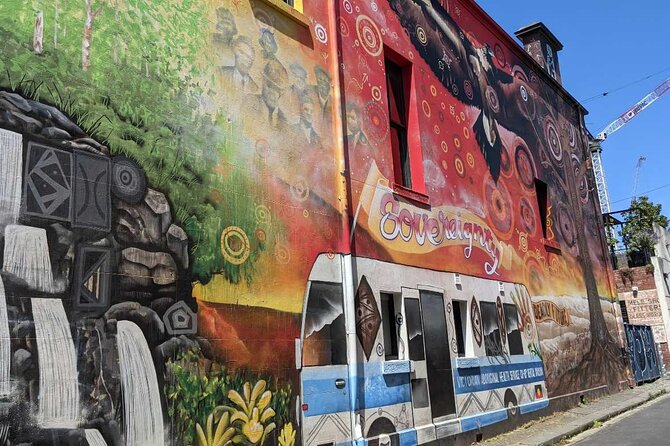
Melbourne is one of Australia’s great cities for street art, especially around laneways. But street art can be hit-or-miss if you’re relying on luck, or if you only stop at the most obvious walls. This type of self-guided quest fixes that problem.
Instead of just spotting images, you’re hunting for answers. That means you’re paying attention to text, placement, and small visual cues. You also tend to explore backstreets you might otherwise skip. In other words, you get the thrill of discovery plus just enough structure to keep you moving.
And because it’s built for your phone, you’re not stuck syncing with a group. If you want a slower look at Coles Fountain’s geometry, you can take it. If you’re moving fast on a sunny day, you can keep momentum.
You can also read our reviews of more tours and experiences in Melbourne.

Price and time: is $7.28 good value?
At $7.28 per person for about 1 hour 15 minutes, the value is mostly about behavior change. You’re paying for an activity that turns passive street art viewing into an interactive walk. For that price, you’re not paying for premium transport or a full guided lecture. You’re paying for guidance in the form of puzzles and step-by-step prompts.
A couple practical notes on value:
- You get mobile access (so no waiting for pickup or coordinating with a person).
- You can pause and resume, which helps if you get interrupted by coffee lines, people traffic, or you just want more time with one mural.
The quest also shows up as popular enough that people book ahead (on average, about 18 days in advance). If you’re doing it during a busy week, it’s smart to lock it in early.
Route reality: starting at Hosier Lane and ending in Fitzroy
Your start point is 3 Hosier Ln, Melbourne VIC 3000, a neighborhood that already sets the mood for street art hunting. From there, the quest guides you step by step via the Questo app to the destination area near the Ceramic seats, with the posted end address at 275 State Route 45, Fitzroy VIC 3065.
What I like about this setup is that you’re not guessing where the walk should go. You still get freedom, but you’re given a line to follow. For readers who hate losing time, that’s a big deal.
One small caution: since you’re navigating on your phone, you’ll want a working data connection or whatever your app setup requires. If you’re the type who forgets to save an offline map, bring a little extra preparedness.
How the Questo app quest plays on your phone
This is a self-guided experience with a mobile access code. After booking, you receive what you need to unlock the quest on your device. During the experience, you’ll get prompts that ask you to look closely and respond with answers—either solving something or guessing based on what you see.
You also don’t need a map, GPS, or guide walking with you. The point is simple: follow the on-screen instructions and let the clues pull you from one place to the next.
The flexibility matters. The experience is designed so you can pause and resume anytime. That’s helpful in Melbourne, where it’s easy to stop for a snack, duck into a laneway, or get sidetracked by another mural you noticed along the way.
Stop 1: AC/DC Lane and the Cherry Bar music clue
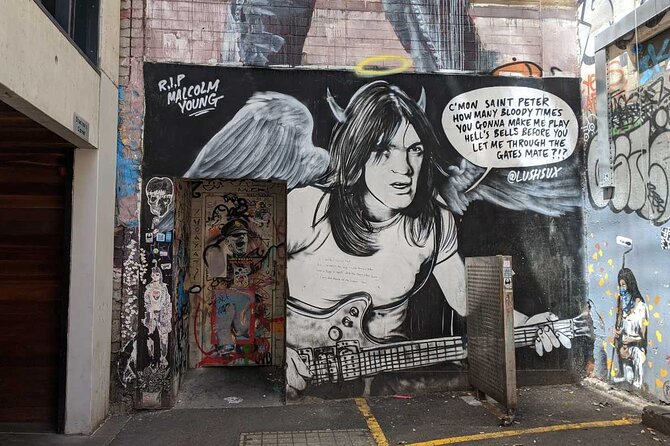
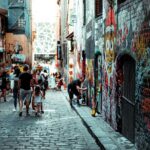
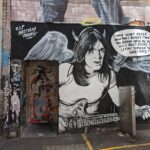
Your first named art stop is AC/DC Lane, dominated by music-themed artwork. The lane was named for the band in 2004, and it’s also home to the iconic venue Cherry Bar. It’s the kind of place where the street art already feels like part of the city’s music identity, not just random paint.
For the quest, expect a challenge that pushes you to scan around the walls to find a specific answer. These puzzles work best when you do a quick first glance to understand what’s in front of you, then a slower look for text, symbols, or details the clue might be pointing at.
Why this stop is worth your attention even beyond the game: music laneways like this are the easiest way to get into Melbourne street art fast. You’re not spending the whole time searching for clues in places you’ve never seen. You start with something iconic and easy to orient yourself.
Stop 2: Meyers Place, formerly Nicholas Lane
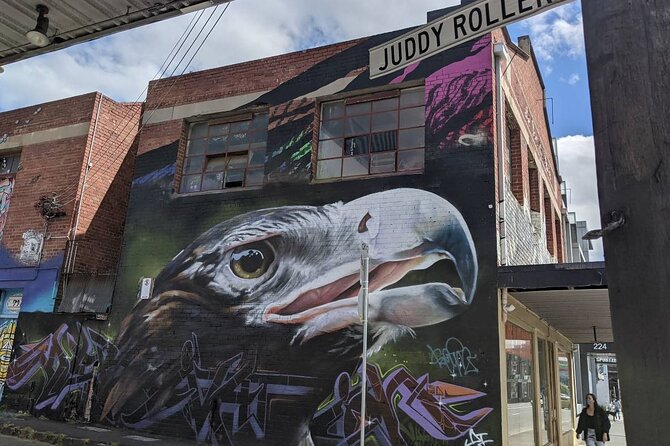
Next is Meyers Place, which originally was known as Nicholas Lane. It links Little Collins and Bourke and is part of the city’s makeover energy through the Green Your Laneways campaign, which it was selected as a pilot project for.
This stop adds a different flavor to the hunt. If you’re used to thinking of street art as only about bold characters and big imagery, the campaign context is a reminder that laneways can be redesigned and maintained without killing the creative spirit.
In quest terms, you’ll be looking around for an answer tied to the laneway’s artwork and details. These puzzles often reward people who don’t just stare at one wall. You’ll likely need to check multiple angles or sections of a lane to match what the clue is asking.
Stop 3: Parliament Gardens and Coles Fountain’s steel geometry
Then you move to Parliament Gardens, where Coles Fountain is the standout. The fountain uses stainless-steel tubing to form a geometrical frame roughly three metres high, with water cascading into the space below.
Even though this is an art-and-landmark moment rather than pure graffiti, it fits the quest theme: you’re training your eyes to notice structure. Street art is often about bold composition. Coles Fountain is composition in metal and water. It’s a nice mid-quest reset from narrow laneway walls.
For the game, there’s a clue tied to this stop. Because the fountain has strong lines and a clear shape, it’s a place where clues can point you toward the right feature without requiring heavy detective work.
If you’re someone who likes your street art with a side of public artwork and architecture, you’ll probably enjoy this detour. It makes the overall walk feel like a guided story through the city’s creative spaces, not a straight line from mural to mural.
Stop 4: The Collingwood Keith Haring mural that survived
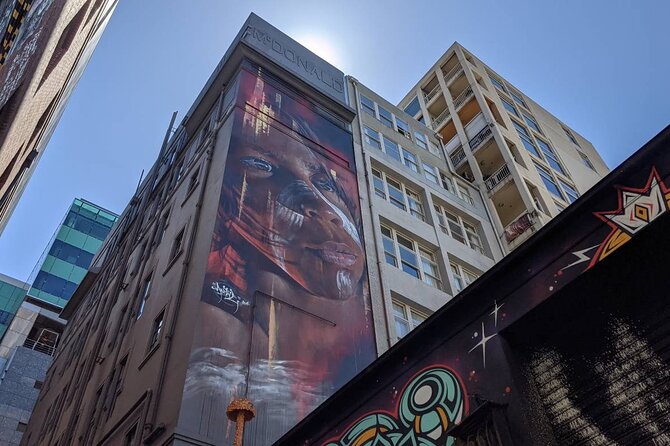
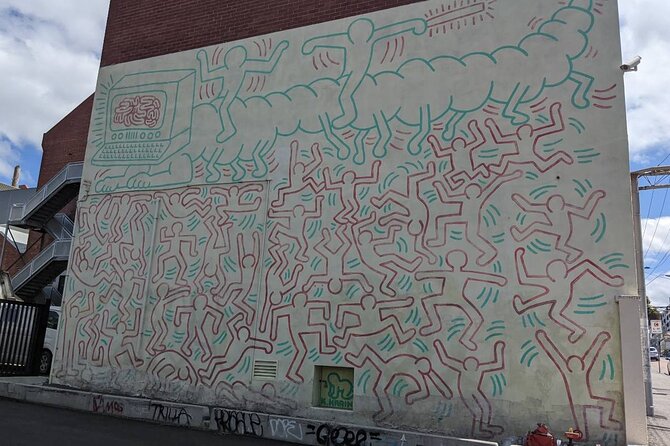
The quest highlights a specific mural tied to Keith Haring in Collingwood. This matters because it’s framed as rare survival: it’s one of only 31 known Keith Haring murals across the world that are still known to have survived, and one of only three that hasn’t been significantly over-painted.
That’s a big deal for anyone who cares about street art history and preservation. Street art lives under constant pressure—weather, repainting, and redevelopment. When an artist’s work remains recognizable, you get a more complete sense of what the work was meant to be when it appeared.
For your quest challenge here, you’ll be scanning to answer a clue tied to what you see in the mural or its surrounding context. Because the mural is described as relatively protected from over-painting, it’s likely easier to match visual details to a clue than if the artwork were blurred or heavily altered.
Why I’d prioritize this stop: even if you’re not a Keith Haring superfan, the survival story adds meaning. You’re not just completing puzzles—you’re standing in front of something uncommon for street art.
Stop 5: RONE’s Never Enough and Wonderlust text
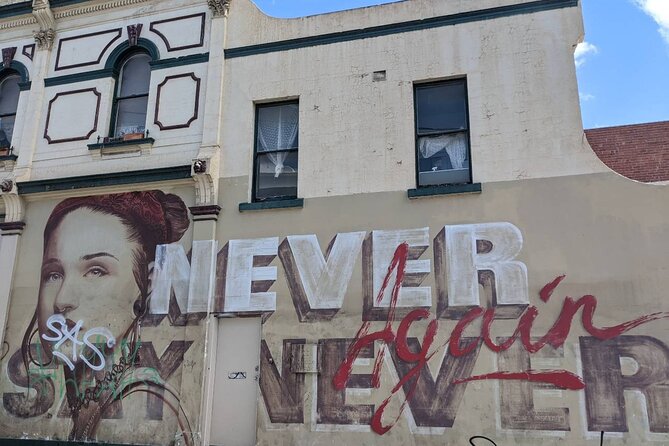
Another named artwork in the quest is a mural by RONE titled Never Enough. The piece includes one of his signature portrait styles combined with text painted by Wonderlust.
This is where the quest idea shines, because murals like this give you multiple things to pay attention to: the portrait, the style, and the writing. If the clue expects you to find a specific element, you’ll likely need to read carefully rather than only look for a symbol or color.
Why this stop feels satisfying: it’s a collaboration of sorts within the artwork—an artist’s visual language plus lettering by someone else. That layering is very Melbourne. The city is full of street art where different styles share the same wall.
Pacing tips, especially if puzzles feel tricky
A couple comments mention difficulty staying on track and one instance where a clue-answer mismatch seemed to occur. You can’t control whether a puzzle is perfectly configured, but you can control how you approach it.
Here are practical ways to keep things smooth:
- Slow down for each answer step. Don’t rush past the details that the clue is likely pointing at.
- Do a quick scan first, then re-check the exact spot you think the clue refers to.
- If something feels off (for example, an answer doesn’t match what the clue suggests), pause and double-check within the app.
There’s also a direct contact point included in the experience support response: if you hit a problem, email [email protected]. That’s useful because it gives you a way to report issues rather than just giving up.
Finally, if you tend to get frustrated with phone-based games, treat this as a walk first. The puzzles are short, and you can reset your focus whenever you need.
Who this street-art quest is best for
This experience fits best if you like:
- Street art on foot, not just photos
- light problem-solving and scavenger-hunt energy
- exploring laneways at your own speed
It’s also a good pick for people who want structure without a strict schedule. You get prompts, but you’re not stuck with a walking group tempo.
If you dislike phone navigation or you don’t enjoy answering questions while walking, you might find it slow or irritating. And if you want deep guided explanations for every stop, remember: there’s no physical tour guide included.
Should you book the Melbourne Street Art Quest?
Yes, I’d book it if you want an affordable, phone-based way to see major street-art stops while staying in control of your pace. The biggest strength is how the game makes you really notice what’s on the walls, especially at memorable places like AC/DC Lane, the Keith Haring mural in Collingwood, and RONE’s Never Enough.
I’d be a bit cautious if you’re the type who hates mismatched clues or you need things to be perfectly smooth. The reported issues around clue consistency and keeping up suggest you should go in with patience—and a backup plan to contact support if you hit a snag.
Best case: you finish feeling like you learned how to look at Melbourne streets like a local. Worst case: you still get a solid walking route through some of the city’s most recognizable creative spots, and you can try again later with calmer expectations.
FAQ
How long is the Melbourne Street Art Quest?
It’s listed as about 1 hour 15 minutes.
How much does it cost?
The price is $7.28 per person.
Where do I start and where does it end?
You start at 3 Hosier Ln, Melbourne VIC 3000 and the experience ends at 275 State Route 45, Fitzroy VIC 3065.
Do I need a map, GPS, or a guide?
No. The experience is designed so you can follow clues without a map, GPS, or guide.
How do I access the quest on my phone?
You get a mobile access code to unlock and follow the quest using the Questo app.
How many puzzle challenges are included?
There are 15 street-art-inspired puzzle challenges.
Can I pause and resume?
Yes. The experience is flexible, and you can pause and resume anytime.
Is there a physical tour guide?
No physical tour guide is included. It’s self-guided.
Is this a private experience?
Yes. It’s described as a private activity, with only your group participating.
What is the cancellation policy for a full refund?
You can cancel for a full refund up to 24 hours in advance of the experience start time.