REVIEW · LYON
Lyon: Street Art in the Croix Rousse district
Book on GetYourGuide →Operated by Lilo Médiation · Bookable on GetYourGuide
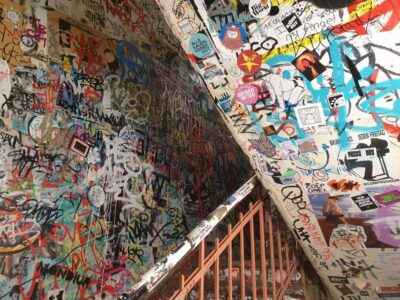
Street art has a way of grabbing you. This Lyon walk in Croix-Rousse turns walls into a lesson you can actually follow, with a guide who explains the why behind the art. I like the small group feel and the way the tour connects history plus techniques to what you’re seeing. One thing to consider: if you’re expecting wall-to-wall major murals at every turn, you may want a bit more big-fresco coverage than this route offers.
You’ll cover the slopes and the neighborhood streets at a calm pace, with an interactive guide who keeps you looking instead of just listening. It’s also dog-friendly (on a leash), and the route can be adapted for people with disabilities at no extra cost—so long as you plan ahead with the provider.
In This Review
- Key things to know before you go
- Croix-Rousse street art: why this 90 minutes works
- Price and value: $23 for a guide-led walk that actually teaches
- Where it starts at Place de la Croix-Rousse (and how to not waste time)
- The Croix-Rousse streets and slopes: what you’ll notice as you walk
- Street art history you can actually use on the sidewalk
- Techniques, styles, and how the guide teaches you to look
- The guide experience: passion, communication, and a few smart bonuses
- Dogs on a leash: a practical plus for animal lovers
- End at Pass. Mermet: what you do next after the walk
- Accessibility and different learning needs (without extra cost if planned)
- Who should book this Croix-Rousse street art tour
- Practical rules that affect your day
- Should you book it? My decision guide
- FAQ
- What’s the duration of the Lyon street art tour in Croix-Rousse?
- Where does the tour start and where does it end?
- How much does it cost?
- What language is the tour conducted in?
- Are dogs allowed?
- Is the tour suitable for children?
- What should I bring and what can’t I bring?
Key things to know before you go
- Small-group format that keeps the pace human and questions welcome
- Qualified, French-speaking guide who makes street art history feel clear
- Interactive street art approach, not a lecture from the sidewalk
- Croix-Rousse setting with the right mix of urban art and neighborhood context
- Dogs allowed on a leash, if you follow civility rules
- Adaptable route for disabilities, arranged in advance with the guide
Croix-Rousse street art: why this 90 minutes works
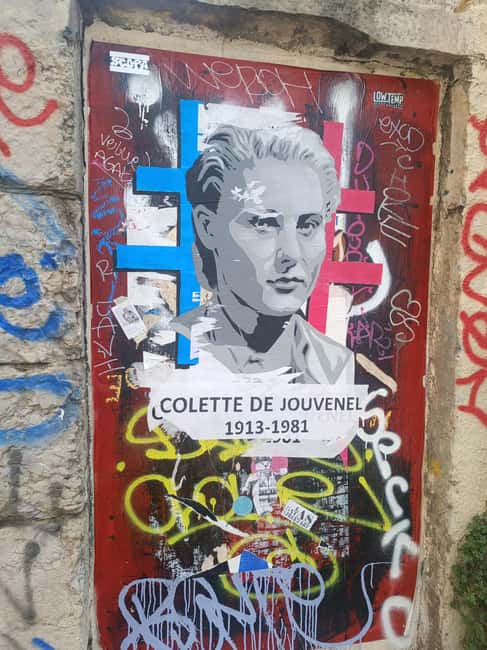
Lyon’s Croix-Rousse feels like the city’s art homework. You don’t just pass by colorful pieces—you learn how street art evolved, why artists choose certain spots, and how the work functions as both decoration and message.
What makes this tour especially good is the balance. The guide doesn’t treat street art like a random wall collage. You get a framework: the story, the techniques behind the look, and how to read what you’re seeing as you walk the slopes. That means when you leave, you’re not stuck with vague impressions like nice colors; you have a way to notice details.
And it’s practical for visitors. The tour is designed for both Lyonnais and day-trippers, so you’ll get neighborhood context without feeling talked down to. If you want, you can even ask for a short summary of Lyon and Croix-Rousse history during the same outing.
You can also read our reviews of more tours and experiences in Lyon.

Price and value: $23 for a guide-led walk that actually teaches
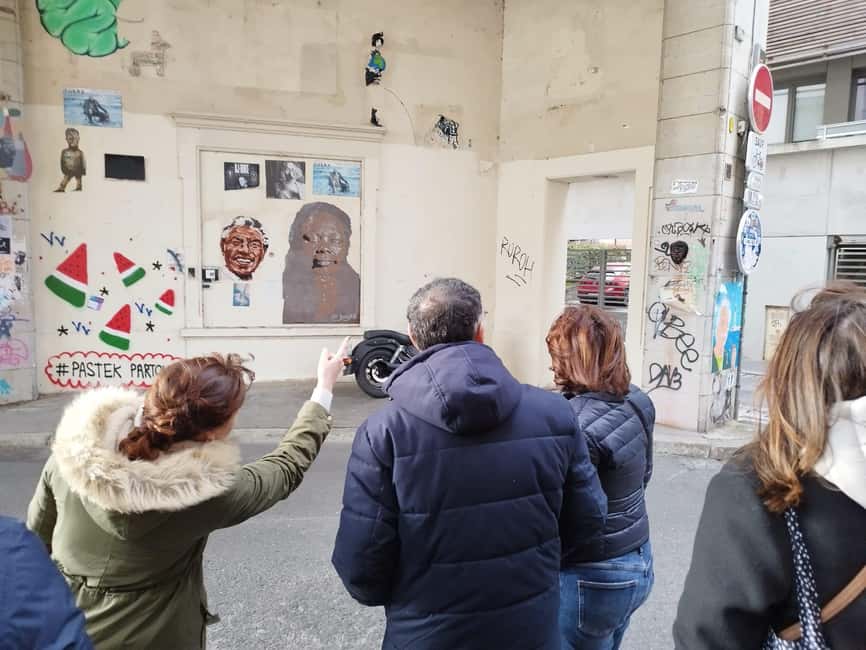
At about $23 per person for a 90-minute guided experience, you’re not paying for a van, a ticketed museum, or a long day. You’re paying for something more useful on a first visit: a local guide who helps you see the neighborhood.
The value comes from three places:
- A qualified guide who explains the subject clearly enough that it sticks.
- Small-group time, so you can ask follow-ups instead of tuning out.
- Street art context, which you’ll miss if you wander on your own and just snap photos.
I also like that the tour includes city-discovery tips and good addresses. That’s not fluff. It can shape what you do next—where you eat, where you walk, and how you spend the rest of your day.
If you’re the type who enjoys “show me what to look for,” this price feels fair.
Where it starts at Place de la Croix-Rousse (and how to not waste time)
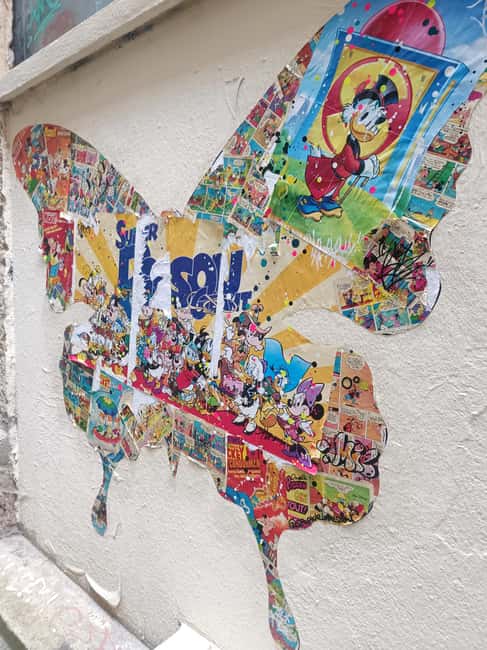
Meeting at Place de la Croix-Rousse, near the metro station, is one of those details that saves you stress. Show up about 15 minutes early and you’ll have time to find the meeting spot, settle into the group, and get oriented before the guide starts.
Wear comfortable shoes. Croix-Rousse has slopes, and you’ll be on your feet for most of the 90 minutes. Bring water, too—street art makes time pass, but walking still adds up.
Once you’re gathered, the guide launches you straight into the theme. No awkward waiting. No long preamble. You’re quickly looking at walls and learning to connect what you see to the larger picture.
The Croix-Rousse streets and slopes: what you’ll notice as you walk
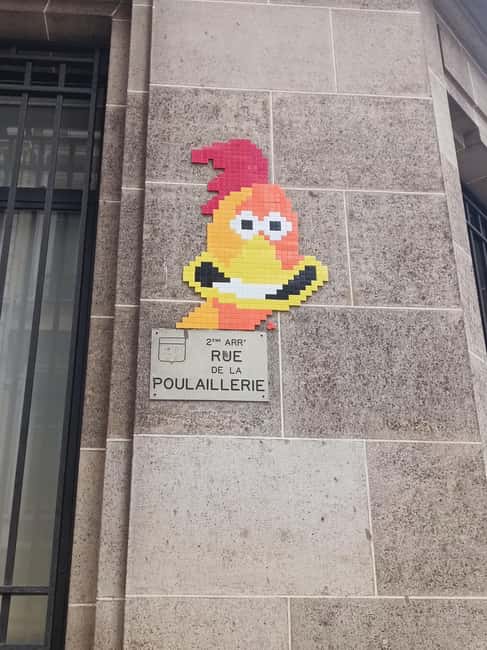
The tour focuses on the Croix-Rousse district, including the slopes, with a guided stroll that highlights multiple kinds of urban art. That matters because street art isn’t one single style. You’ll be taught to pay attention to the differences—how works are made, how they’re placed, and how they communicate.
As you walk, the guide’s job is to keep your eyes moving. You’ll learn to read the surface like a clue: location, style choices, and how the piece relates to its setting. It’s the opposite of sightseeing where you just try to remember “that looked cool.”
A practical note: the tour is maintained in bad weather unless there’s an orange storm alert or red alert. So you’ll want a light plan for drizzle and wind—something you can wear without turning the whole experience into an uncomfortable battle.
Street art history you can actually use on the sidewalk
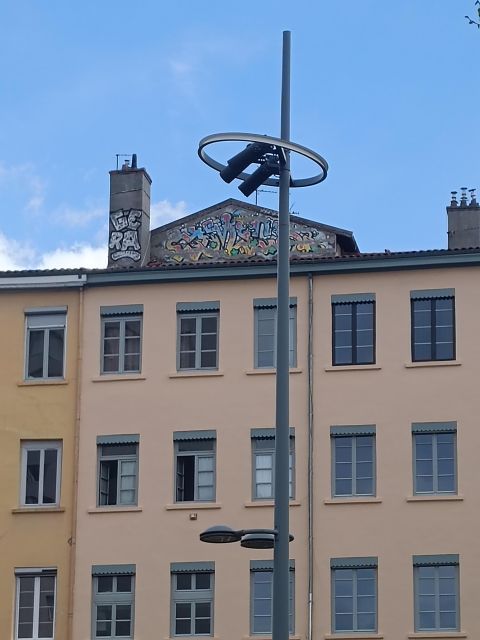
The best street art explanations don’t stay abstract. Here, the history is tied to what you’re seeing in real space—on real walls, in a real neighborhood. The guide covers street art’s background and its techniques, so you start to understand why certain looks became common and how styles shifted over time.
Why this is useful: it turns random visuals into a story you can follow. If you’ve ever stood in front of a wall thinking, I like it, but I don’t know what I’m looking at, you’ll like this structure. It gives you a vocabulary—even if you’re not an art-world person.
One review I took seriously is that the guide is good at presenting a subject that can be complex. That lines up with what you’ll want from a street art tour: clarity. If the guide can explain the bigger ideas and still point to details on the wall, the whole walk feels worth the time.
Techniques, styles, and how the guide teaches you to look
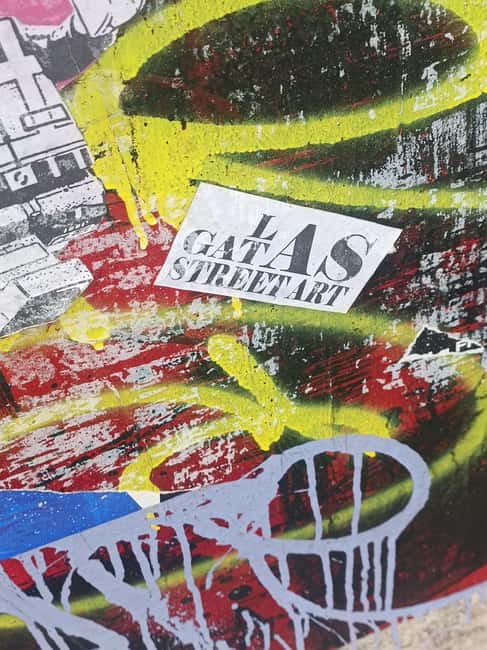
Even if you’re not naming art terms, you’ll pick up how street artists think. The tour is explicitly about street art techniques and history, and the guide uses the neighborhood itself as your lesson plan.
Expect explanations that help you notice things such as:
- how artists build visual impact in a small space
- how style and lettering (and other design choices) affect readability
- how different forms of urban art show up in different settings
You won’t feel like you’re studying. You’ll feel like you’re being trained to observe. That’s why people rate this tour highly for being fun and interactive.
The guide experience: passion, communication, and a few smart bonuses
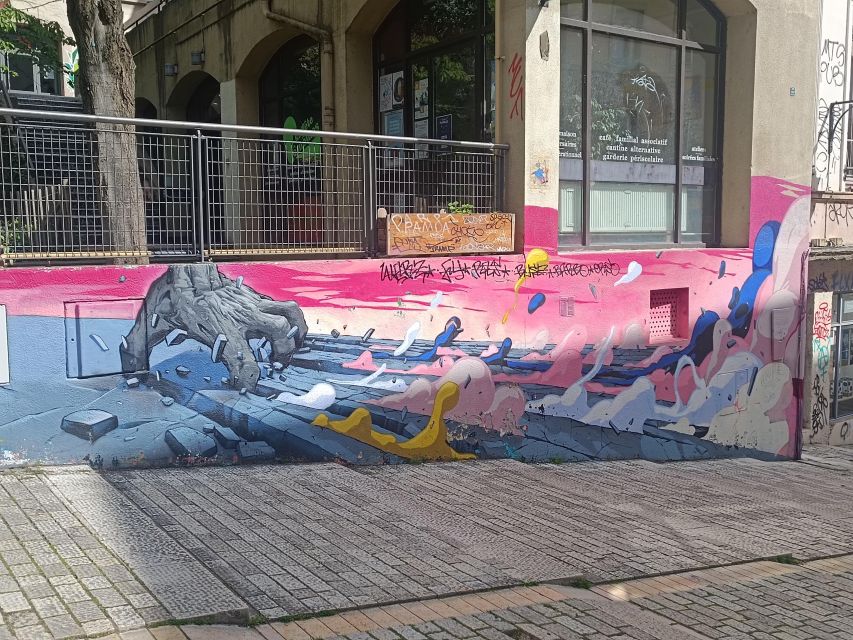
A lot of street art tours can drift into vague “cool wall” territory. This one doesn’t. The guide is clearly passionate and communicates that passion in a way that’s easy to follow.
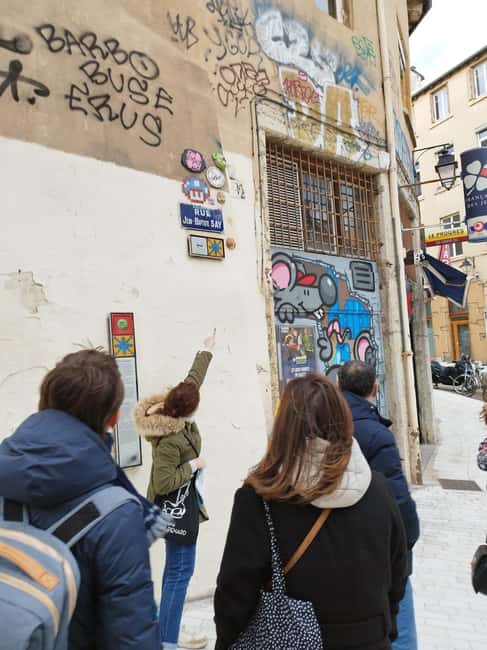
In several experiences, I saw the same theme: the guide explains history and street art in a clear, precise way. The guide’s role is not just to point and name—it’s to connect. One name that came up is Tess, and the consistent praise is about her ability to communicate her passion while making a tricky subject feel understandable.
There’s also mention of bonus moments near the end. You won’t know the exact content from the overview alone, but the fact that there’s an extra payoff matters. It turns the walk from a straight line into something with a closing moment that feels like, okay, now I get it.
And because the course is modular and adaptable, you’re more likely to get a flow that matches the group you’re in—especially helpful if you ask for a combined Lyon/Croix-Rousse summary while you walk.
Dogs on a leash: a practical plus for animal lovers
If you’re traveling with a dog, it’s hard to find neighborhood experiences that don’t turn into an either/or situation. This tour allows dogs as long as they’re on a leash and you respect civility rules.
That doesn’t just help dog owners. It also usually changes the vibe in a good way. The group stays focused on the walk and on looking, not on wrestling with logistics that make everyone tense.
If your dog is sensitive to crowds, I’d still go in realistic about it: you’ll be in a street setting with other people and urban energy.
End at Pass. Mermet: what you do next after the walk
You finish around Pass. Mermet, 69001 Lyon. The ending point is useful because it gives you an exit route into the rest of your day instead of trapping you back at the first square.
When I plan follow-up time after an urban art walk, I like to do something low-pressure right away: a slow wander, a café break, or a museum visit nearby. You’ll already have the neighborhood’s “reading mode” switched on, so even if you only walk a block or two on your own, you’ll notice more.
The included tips for discovering Lyon and picking good addresses can help here. If you ask the guide one or two practical questions at the end—what area to explore next, what to try for food—you’ll likely leave with a plan that fits your pace.
Accessibility and different learning needs (without extra cost if planned)
One of the more thoughtful aspects of this experience is how it handles accessibility. People with physical, mental, or cognitive disabilities are invited to contact the guide in advance so tools and a route can be planned at no additional cost.
That matters because “accessible” shouldn’t mean an awkward scramble on the day. If you have needs around pacing, step-free movement, sensory factors, or communication style, reaching out early is the move. You can also request adaptations—like adding a quick history summary—so the tour matches how you want to learn.
If you’re considering this tour and accessibility is part of your planning, I’d treat early contact as part of booking, not as an afterthought.
Who should book this Croix-Rousse street art tour
This is a great fit if:
- you want urban art with context, not just photo stops
- you enjoy walking tours that explain what you’re seeing
- you want a small-group experience with room for questions
- you’re comfortable walking on slopes and being outside for about 90 minutes
- you’re traveling with a dog and want a welcome rather than a workaround
It may be less ideal if:
- you’re expecting lots of famous, massive mural coverage at every step
- you want a video-heavy, self-paced experience (video recording isn’t allowed)
- you’re bringing kids under 6 (the tour isn’t suitable for them)
Practical rules that affect your day
A few on-the-ground rules matter for what you can bring and what you’ll be doing:
- No video recording and no audio recording
- No smoking, food, or alcohol/drugs
- No weapons or sharp objects
- The tour continues in regular bad weather unless there’s an orange storm alert or red alert
This is mainly about keeping the tour safe and respectful in public spaces. Plan to enjoy the walk with your senses first, phone second.
Should you book it? My decision guide
Book this tour if you want Lyon street art in a way that feels guided, organized, and readable. The strongest reason is the combination of clear street art explanations + a neighborhood setting that matches the theme. If you learn best by seeing and asking questions while you walk, you’ll get more than you would from a standalone stroll.
I’d also book it if you care about the guide quality. Praise for communication and clarity shows up repeatedly, and that’s what makes a “street art” tour work—because without good explanations, you end up with pretty pictures and no understanding.
Skip it (or adjust expectations) only if you’re hunting for maximum mural density. One critique points out that the route could include more large mural pieces alongside street art in a strict sense. If that’s your top priority, you might want to supplement with your own independent photo walk afterward.
FAQ
What’s the duration of the Lyon street art tour in Croix-Rousse?
The tour lasts about 90 minutes (1.5 hours).
Where does the tour start and where does it end?
It starts at Place de la Croix-Rousse near the metro station and ends at Pass. Mermet, 69001 Lyon.
How much does it cost?
The price is listed as $23 per person.
What language is the tour conducted in?
The tour is guided in French.
Are dogs allowed?
Yes, dogs are allowed if they are kept on a leash and you follow civility rules.
Is the tour suitable for children?
No. It is not suitable for children under 6 years old.
What should I bring and what can’t I bring?
Bring comfortable shoes and water. Video recording and audio recording are not allowed, and the tour also prohibits smoking, food, alcohol and drugs, and weapons or sharp objects.