REVIEW · STRASBOURG
Strasbourg : Private Street Art Tour
Book on GetYourGuide →Operated by Guydeez Travel SL · Bookable on GetYourGuide
Street art starts at the station. This private, 2-hour walk through Strasbourg’s Quartier Gare is a smart way to see what local and international artists are doing right where people actually live. I love the private setup (just your group) and I love how much the guide’s explanations add to what you’re looking at on the walls.
You also get more than photos. Expect stops along key streets around the Gare area, plus local recommendations for bars, restaurants, and clubs so your time in Strasbourg feels planned, not random. The one thing to keep in mind: it’s a walking tour with no included drinks or food, so bring water and a light snack if you’re heading out afterward.
In This Review
- Key reasons this tour works well
- Strasbourg street art, the practical way: why Quartier Gare
- Meeting at 7 Rue des Frères: how the 2-hour plan plays out
- Strasbourg Station as a launch pad, then Rue du Faubourg-National
- Quartier de la Gare: the heart of the street art scene
- Rue du Maire Kuss and Rue d’Austerlitz: where the route keeps telling stories
- The guide experience: what good storytelling changes
- Price and value: is $80 per person worth it?
- Who this Strasbourg street art tour fits best
- Quick practical tips before you go
- Should you book the Strasbourg Private Street Art Tour?
- FAQ
- Where does the street art tour start and end?
- How long is the Strasbourg private street art tour?
- Is this tour truly private?
- What languages are available for the live guide?
- Is the tour wheelchair accessible?
- Can I pay later and cancel if my plans change?
Key reasons this tour works well
- Private and customizable so you can steer the walk toward what you care about most
- Quartier Gare street art hub near Strasbourg Station, with works ranging from graffiti to mosaics and fresco-style murals
- Guide-led street-side context that turns random wall art into something you can actually interpret
- Practical local tips on where to eat and go out nearby
- Multi-language guide options in English, French, Italian, or Spanish
- A route built for short time: about 2 hours from the station area and back again
Strasbourg street art, the practical way: why Quartier Gare
If you want street art in Strasbourg, you don’t need to hunt for it across the whole city. The best move is to start where the action clusters: the Gare area, known for its street art scene and artist activity around Quartier Gare.
What I like about this neighborhood approach is that you can see how street art fits into daily life. You’re not just looking at walls from a distance. You’re walking the streets people move through—past facades that range from clean and ordinary to covered in large-scale pieces.
Another reason this works: Strasbourg and local authorities have accepted graffiti and street art as part of the city’s cultural fabric. That means the art you see often feels less like vandalism and more like creative expression that the community tolerates and, in some cases, actively values.
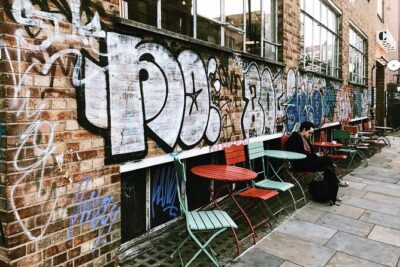
And you’re not limited to one style. The route is designed so you encounter different types of work—colorful graffiti, intricate mosaic elements, and larger fresco-style murals. The guide helps you notice the differences instead of treating it all as one big “street art wall.”
Meeting at 7 Rue des Frères: how the 2-hour plan plays out
The tour starts at 7 Rue des Frères, then you move into the station area for the first guided moments. The timing is tight in a good way: you get a focused walk that’s long enough to learn how to look, but short enough to still enjoy the rest of your Strasbourg day or evening.
This is also a private group experience, which matters more than it sounds. In a small private setup, you can ask questions as you go—about techniques, artist choices, or why certain walls get specific styles. You’re not waiting for the group to catch up, and your route can be adjusted to match your interests.
You should expect a mix of walking and transit. The tour includes walking and public transport depending on the option you choose, so you’re not stuck doing only one type of movement. One practical note: because drink and food aren’t included, think about your timing. If you’re touring during a meal window, grab a quick bite before you start—or plan something after.
Strasbourg Station as a launch pad, then Rue du Faubourg-National
Your first major stop is Strasbourg Station. I treat stations like travel “control towers.” They’re where you can orient yourself fast, spot neighborhood flow, and understand the city’s movement patterns. In this tour, the station area also sets the tone: it’s a gateway zone where local culture meets visitors and commuters, which is a great backdrop for street art.
From there, you head along Rue du Faubourg-National for another guided segment. This is the kind of street where street art can feel like commentary—because it sits along a route people actually walk, take transit through, or pass every day. That changes how the art lands. You start noticing not only the images but also where they’re placed and how they relate to movement in the street.
At this stage, your guide’s job becomes obvious: helping you see technique and intention. You’re likely to hear how artists build scenes, use color and scale, and choose styles that fit the urban setting. You’ll get more from looking with context than with raw curiosity alone.
Quartier de la Gare: the heart of the street art scene
The core of the experience is the time in Quartier de la Gare. This is where the neighborhood earns its reputation as a street art hub, with works that represent both the region and outside influences.
One thing I love here is the balance between local and international marks. The art often includes references to the region—how artists represent place, identity, and local storytelling. At the same time, international artists have left their own signature on Strasbourg, which helps you see how the city fits into a wider street art world.
You’ll also notice the range of mediums and styles. Some works lean heavy on colorful graffiti, while others bring in mosaic-like detail or mural-scale pieces that read almost like frescoes. The guide helps you slow down enough to see those differences. Without that, it’s easy to skim street art as just decoration.
And because this area has lots of nearby spots—bars, restaurants, and clubs—you’re not just ending with art. You’re ending with options. That matters if you want your day to feel intentional. The tour doesn’t just point at walls; it helps you plan the next hours.
Rue du Maire Kuss and Rue d’Austerlitz: where the route keeps telling stories
After Quartier Gare, the tour continues along more streets that keep your attention on what changes block to block. The route includes Rue du Maire Kuss and Rue d’Austerlitz, with guided stops that help you connect the art to the area’s vibe.
I like these kinds of follow-on streets because they prevent “street art tunnel vision.” You start to see patterns: where artists cluster certain styles, how the scale shifts from one building to the next, and how the work interacts with the street’s daily rhythms.
Even though the tour is short, these extra streets do something valuable: they expand your street art map beyond a single highlight zone. That way, when you look up at a wall later on your own, you’re more likely to understand what you’re seeing. You also get more chances for your guide to point out technique—color choices, composition, and how an artist might use the space available.
There’s also a practical upside. These streets are part of the area you’ll likely explore on your own after the tour. So you’re basically getting an orienting walk: art first, navigation next.
The guide experience: what good storytelling changes
Here’s the truth about street art tours: the art is visual, but the meaning is often hidden in context. This is where the guide earns their fee.
On this walk, the guide is consistently presented as strong on explanation—real background, plus the ability to answer questions without brushing you off. That kind of guide matters because it changes how you look. You stop asking only what a piece looks like, and you start asking what it’s doing there, how it’s made, and what it might be communicating.
You also get the human side. The guide is friendly and helps the tour feel easy, not stiff. You’re walking as a small group, so conversation is part of the experience, not something you squeeze in at the end.
And then there are the local recommendations. This isn’t just a “here’s where to take a photo” tour. You’ll also leave with advice on where to go for a drink, dinner, or an evening out—right around the area you’ve just walked. That’s genuinely useful, because it helps you avoid the common mistake of eating where you can see a sign, not where locals actually hang out.
One extra included benefit: the team can help you book tickets for visits you want during your stay. The tour itself includes the walking and guided segments, but this kind of help can save time when you’re trying to stitch together the rest of your itinerary.
Price and value: is $80 per person worth it?
At $80 per person for a roughly 2-hour private tour, you’re paying for three main things: guide attention, time saved, and customization.
First, it’s private. If you’ve ever done group tours and felt like you couldn’t ask questions or spent half the walk trying to get back to the main flow, you’ll understand the value of “just your group.” Private also tends to make the experience feel more personal, especially for street art, where you’ll likely want to talk about specific pieces.
Second, you’re paying for direction in a neighborhood that can look like a lot from a distance. The guide is what turns that into a guided route with explanations you can remember.
Third, you can customize. That means you’re not locked into a rigid script. If you have a specific street art style you’re chasing, or if you want to make space for the main sights you care about in Strasbourg, you can discuss that with your guide during the tour.
The one value check I’d suggest: be honest about what you want. If you mostly want a photo walk and you’re happy reading wall art on your own, you might feel this is pricier than you need. But if you want context, stories, and a route that makes sense, it’s a fair use of money for a short visit.
Who this Strasbourg street art tour fits best
This tour is a strong match if you:
- Want a first look at Strasbourg street art without spending hours researching where to go
- Enjoy walking city streets and seeing how art connects to everyday life
- Like having a local guide who can explain what you’re seeing and then point you to food and nightlife options
- Prefer private time so you can ask questions and adjust the pace
It’s not the best choice if you’re expecting a long museum-style experience or a tour with lots of included meals. This is street-focused and walk-focused. Bring your energy, bring water, and plan your food around it.
Quick practical tips before you go
- Wear shoes you don’t mind walking in for the full 2 hours.
- Bring water, since drinks aren’t included.
- Think of 2 or 3 questions you’d actually ask a guide. That helps you get more out of the explanations.
- If you’re picky about where you spend time, decide what you want most: specific street art styles, quick scenic stops, or extra Q&A.
Should you book the Strasbourg Private Street Art Tour?
Yes—if you want a smart, guided street art introduction to Strasbourg’s Gare area and you like learning how to read what you’re seeing. The private format, the ability to customize, and the guide’s strong explanations make this more than a casual wall-hunt.
If you’re on a tight budget or you already know exactly which streets you want to photograph, you may find a self-guided walk does enough. But for most people, especially first-timers, this is a practical way to get oriented, see a lot in two hours, and leave with local recommendations that actually help.
FAQ
Where does the street art tour start and end?
The tour starts at 7 Rue des Frères and returns there at the end.
How long is the Strasbourg private street art tour?
It lasts 2 hours.
Is this tour truly private?
Yes. It’s described as private and exclusive, with no one else in your group.
What languages are available for the live guide?
The guide is available in English, French, Italian, and Spanish.
Is the tour wheelchair accessible?
Yes, it is wheelchair accessible.
Can I pay later and cancel if my plans change?
You can reserve now and pay later, and you can cancel up to 24 hours in advance for a full refund.