REVIEW · BRUSSELS
Brussels through its comics murals
Book on Viator →Operated by brusselscomicstour · Bookable on Viator
Brussels has a comic story you can walk. This tour guides you through Brussels’ center to spot comic murals and learn how Belgium became the cradle of the 9th Art, bande dessinée. I love the way Cédric tells the stories behind the art, and how he connects panels and characters to the real streets you’re standing on.
My favorite part is that it’s not just photos on a wall. You get the context (artists, references, and how the city shaped comic culture) while also noticing squares, buildings, and street art along the route. One drawback to consider: you won’t see every mural in Brussels, since the walk covers only a curated selection.
In This Review
- Key things to know before you go
- Why Brussels turned its walls into bande dessinée
- Price and what $32.02 buys you (and why it’s fair)
- Where you start: Hilton Brussels Grand Place and an easy start
- The route in plain terms: one stop, many mural moments
- How the guide reads murals like comic panels
- What makes the murals worth your time
- Weather, pace, and group size you can actually enjoy
- Language rules: English first, French when needed
- Who this tour is best for
- How to decide what day to book
- Should you book Brussels through its comics murals?
- FAQ
- FAQ
- How long is the Brussels comics murals tour?
- What is the price per person?
- Is the ticket digital?
- Where do we meet and where does the tour end?
- What languages is the tour offered in?
- What happens if the weather is bad?
Key things to know before you go
- Small group size (max 10) keeps the pace friendly and questions from getting lost
- English-only touring (French only when the group is French-speaking) keeps explanations clear
- Mobile ticket means you can travel light and just show your phone at the start
- A guided route through the center makes you notice more than just murals
- Smartphone and reference comic books help you understand what you’re seeing
Why Brussels turned its walls into bande dessinée
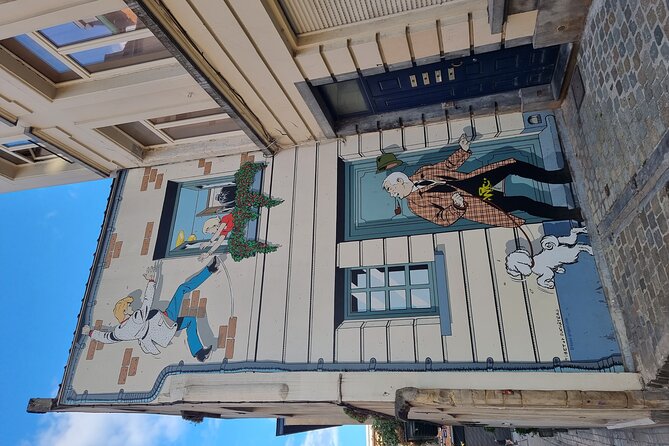
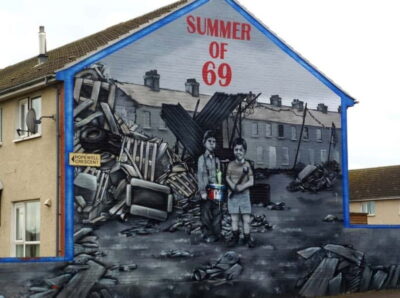
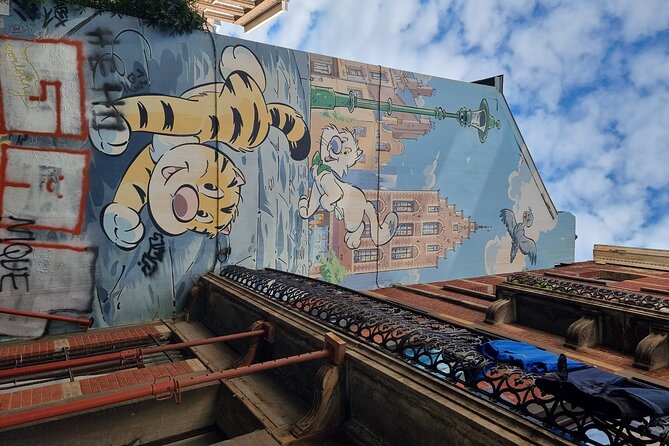
Belgium is famous for waffles, beer, and chocolate, yes. But it’s also where comics really took root, in a big way. The tour’s core idea is simple: Brussels didn’t stop at printing albums and hosting creators. Starting in the 90s, murals appeared across the city as a public love letter to the 9th Art (bande dessinée).
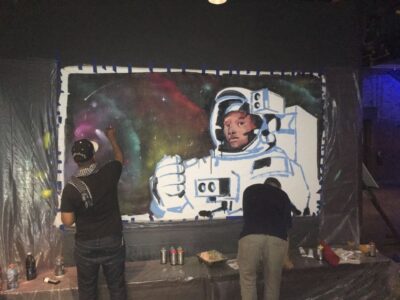
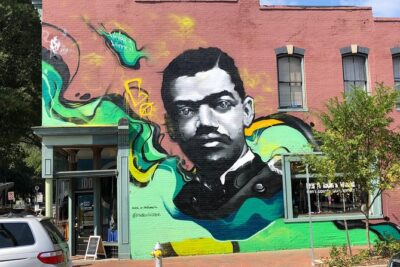
You’ll be walking through central Brussels to find a set of those murals and paintings. The number you’ll hear on the tour is big enough to feel special: there are around 73 murals painted since the 90s. Even if you only catch part of them, the city starts to feel like a gallery that moved outdoors.
This is one of those experiences where the format matters. Street art can look cool, but without context you miss why it’s there. Here, you’re taught how to read the mural like a comic panel: what to notice, what references might be hiding, and how comic culture fits into Belgian life.
And because you’re in the city center on foot, you also pick up the “real Brussels” layer—architecture, street details, and public spaces you might otherwise pass without thinking twice.
You can also read our reviews of more tours and experiences in Brussels.
Price and what $32.02 buys you (and why it’s fair)
At $32.02 per person, this is priced like a solid guided walking tour. You’re not paying for a museum ticket or a big-ticket attraction. You’re paying for interpretation: a guide who knows the comics world well enough to explain what’s on the wall, and a route that helps you find the right places in the right order.
The duration—about 2 to 2.5 hours—is long enough to feel like a real outing, not a quick stop-and-go. It’s also short enough that you can still plan the rest of your day around it. If your schedule is tight, this is a useful way to learn something distinctly Belgian without losing half a day.
Value also comes from the group setup. The tour caps at 10 people, which usually means you won’t be stuck behind others every time the group slows down to look at a mural. In practice, that makes the experience more readable and more conversational.
Where you start: Hilton Brussels Grand Place and an easy start
The meeting point is Hilton Brussels Grand Place, Carr de l’Europe 3, 1000 Bruxelles. It’s right in the center, and that matters. If you’re visiting for the first time, starting near Grand Place keeps navigation simple and makes it easier to connect this walk with your other plans later.
The tour ends near Quai aux Briques, 1000 Bruxelles, but the endpoint is flexible. That’s a subtle detail, yet it affects how you plan your timing. If you walk faster, or if the guide spends extra time on a mural you’re especially curious about, your finish point can shift.
The ticket format is also practical: it uses a mobile ticket, so you don’t need to hunt for paper confirmations.
The route in plain terms: one stop, many mural moments
The schedule lists one main stop—Brussels—but the “real” itinerary is really a loop through central neighborhoods where the guide chooses certain murals to highlight. You start with a framing introduction: the guide explains Belgium’s comic connection and how the mural program turned artists and characters into city landmarks.
From there, you move from mural to mural at a comfortable walking pace. Each pause is purposeful. You’ll get explanations tied directly to what’s painted: which comic references are being used, what the mural is trying to say, and why that corner of Brussels fits the story.
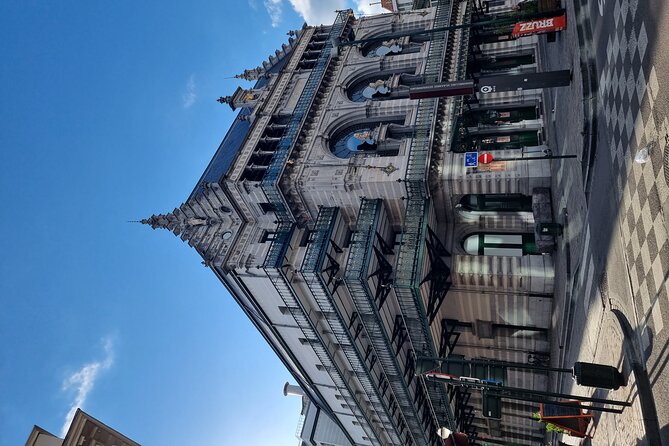
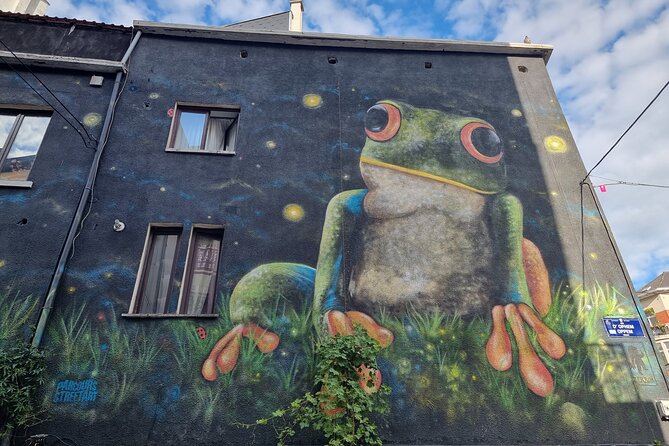
The tour also builds in other city visuals. As you walk, you’ll notice buildings and squares that sit alongside the murals. Street art shows up too. The guide is there to connect those details to the bigger theme—how Brussels became a stage for bande dessinée.
A key point to manage expectations: the route is curated. There are murals all over, but you’re only seeing selected ones. That’s not a failure of coverage; it’s part of why the guide can explain things in depth and keep the walk moving.
How the guide reads murals like comic panels
The best part of the experience is the way the guide teaches you to look.
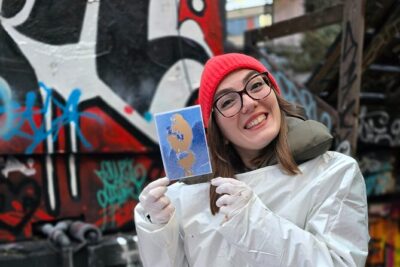
Cédric is named as the main guide, and his approach shows up again and again in the feedback: he’s enthusiastic, he knows the art world behind the murals, and he tells stories in a way that makes Brussels feel connected to comics instead of randomly decorated.
A few practical things you can expect during the walk:
- Context before the explanation ends. You’re not just told what’s on the wall. You get the why behind it.
- References you can check. There’s mention of a smartphone and also a “magic backpack” with comic books used as reference when discussing what you’re seeing.
- Questions welcome. The tour is designed so you can ask curious questions as you go, without the guide shutting down or rushing.
One more reason this works well: he adjusts the pace. Even if it runs close to the upper end of the time window, the goal is that you’re comfortable while you look, listen, and keep walking.
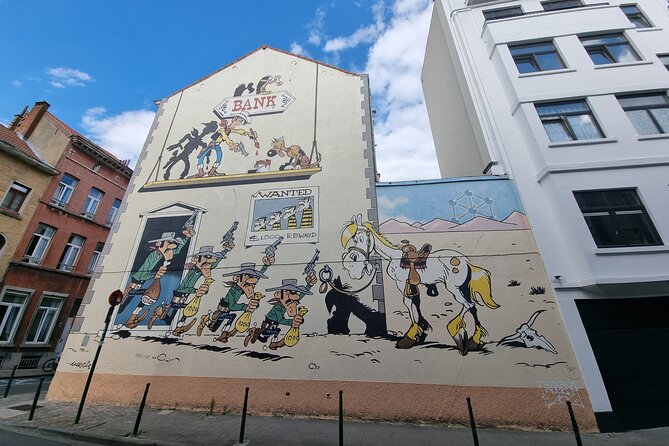
This is the kind of guiding that helps you even if you’re not a hardcore comic collector. If you know Tintin, The Smurfs, Lucky Luke, Asterix, or you just recognize a few titles, the tour helps you connect names to place.
What makes the murals worth your time
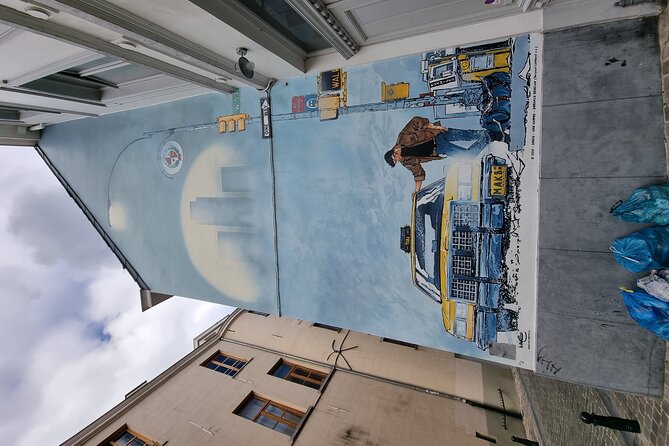
It’s easy to see a mural and think it’s just decoration. Here, the murals function like clues.
Because Belgium is so strongly linked to bande dessinée, the murals act as a “public comic library.” They’re placed in a way that turns everyday walking routes into discovery paths. Instead of waiting to read an album, you see how characters, styles, and comic storytelling show up in real urban art.
You’ll also get a better sense of how comic culture shaped Belgian public life. Some explanations go beyond the mural itself and widen to include Brussels’ history and how comic creators influenced attitudes about how comics are presented. That matters because comics in Belgium aren’t treated like a niche. They’re part of the cultural conversation.
And when the guide points out buildings, squares, and street art near the murals, the city starts to feel like one big storyboard.
Weather, pace, and group size you can actually enjoy
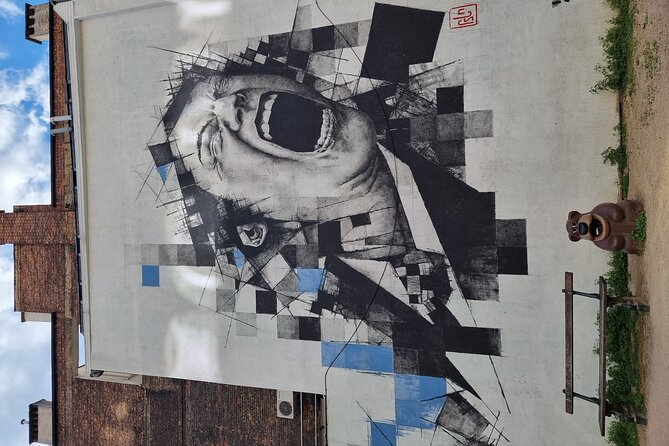
This is a walking tour, so weather matters. The experience requires good weather, and the plan is set up around being outside for long enough to make the murals feel meaningful.
If it’s raining, you might still start, but the tour depends on conditions. The helpful part is that the experience is structured around the idea that you’ll be outdoors to look closely. So dress for wet or cool weather if your dates are unpredictable.
Group size is capped at 10 travelers, and that’s a real quality factor here. In bigger crowds, murals turn into quick glances. In a small group, the guide can slow down where you need time and answer questions instead of sprinting to stay on schedule.
Even the feedback about rainy starts highlights the same theme: the guide keeps the tone upbeat and the walk moving at a pace that doesn’t feel like a chore.
Language rules: English first, French when needed
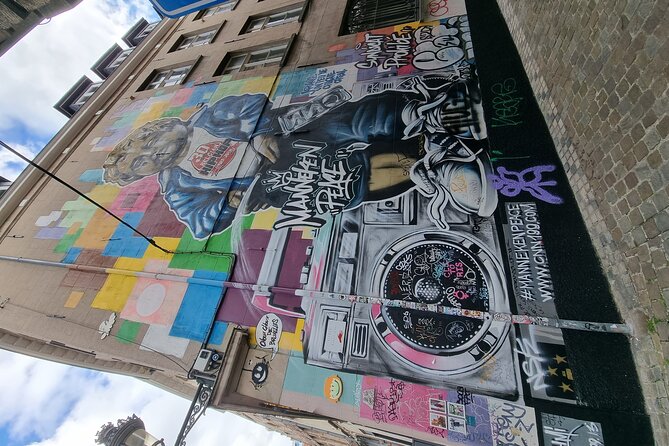
If you’re planning around language, read this part carefully.
The tour is offered only in English, and it can also be offered in French when the clients are French-speaking. It’s not a bilingual setup. That’s intentional, because mixing languages mid-walk can make explanations feel rushed or confusing—and it can also slow the group down.
So if you want a smooth experience with fewer pauses for translation, plan for the language that matches your group’s needs.
Who this tour is best for
This tour is a strong fit if you fall into any of these categories:
- You love comics and want the stories behind what you see
- You want a different way to understand Brussels beyond the main monuments
- You like street art but also like explanations, not just pictures
- You’re visiting with kids who enjoy comics (there’s feedback that children around ages 9 and 11 enjoyed it)
It also works well for long-time visitors to Brussels. Even people who have been visiting for decades picked up new details from the murals and the way Brussels connects to bande dessinée culture. That tells me the guide isn’t repeating generic facts. He’s pointing out things and connections you might miss without a comics lens.
How to decide what day to book
I’d book this when you have enough energy to walk and look closely. The tour is about the experience of spotting murals, listening to context, and taking in the city center. If you schedule it on a day you’re exhausted or stuck rushing between major sights, you’ll miss the payoff.
It also helps to treat it as a foundation. Once you’ve seen how Brussels writes its comic culture on walls, it’s easier to interpret other street art and public visuals you notice later.
Should you book Brussels through its comics murals?
Book it if you want Brussels in a fresh, very Belgian way—through comic murals with a guide who can explain what you’re seeing and why it matters. The small group size, the guided stops, and the use of reference material (smartphone and comic books) make it feel more like learning than just walking.
Skip it only if you’re the type who hates guided commentary or you’re expecting to see every single comic mural in Brussels. This tour covers a curated selection, so you’ll leave with new appreciation and a hunger for more murals, not a complete map of every wall.
FAQ
FAQ
How long is the Brussels comics murals tour?
It lasts about 2 hours to 2 hours 30 minutes.
What is the price per person?
The price is $32.02 per person.
Is the ticket digital?
Yes. It’s a mobile ticket.
Where do we meet and where does the tour end?
You start at Hilton Brussels Grand Place, Carr de l’Europe 3, 1000 Bruxelles. The end is near Quai aux Briques, 1000 Bruxelles, and it can change slightly depending on walking speed and interests.
What languages is the tour offered in?
It’s offered in English. If the group is French-speaking, it can be offered in French as well, but it is not bilingual.
What happens if the weather is bad?
The experience requires good weather. If it’s canceled due to poor weather, you’ll be offered a different date or a full refund.