REVIEW · OSAKA
Urban Canvas: Osaka Street Art Bike Tour
Book on GetYourGuide →Operated by InKansai Ltd · Bookable on GetYourGuide
Osaka has a second street-art life. On this bike tour, I like the way the route turns into Yodo River city-scapes and neighborhood reality instead of tourist highlights, and I really like the pizza slice stop inside a 100-year-old building. One thing to consider: you’re riding about 23 km in roughly 4.5 hours, so this is a “wear comfy shoes” kind of day, not a slow cruise.
You’ll roll with a small group (max 6) and an English-speaking guide, which matters when you want time to ask questions and stop for photos. Expect gritty streets, bridges, trains, rivers, graffiti, and modern skylines—plus commentary about Osaka’s lesser-seen “underground” culture.
In This Review
- Key things that make this tour worth your time
- Hitting Osaka’s Street-Art Side in Tenma
- Meeting Near Tenmabashi and Getting Ready to Ride
- The Tenma Streets: Murals, Graffiti, and the Local Way of Looking
- Crossing the Yodo River: Osaka Architecture You Can Feel
- Juso: The Street-Art Center Few Tourists Hit
- Coffee Stops and an Old-School Standing Bar Moment
- Nakazaki-cho: Hip Shops, Galleries, and a 100-Year-Old Pizza Stop
- Pace, Photos, and What Actually Works for 4.5 Hours
- Guides and the Value of Questions
- Price and Value: Is $87 Worth It?
- Who Should Book This Bike Street Art Tour
- The Rain Factor (And How to Handle It)
- Should You Book Urban Canvas: Osaka Street Art Bike Tour?
- FAQ
- How long is the Osaka Street Art bike tour?
- Where do I meet the group?
- What’s included in the price?
- Is the tour available for children?
- What should I bring?
- Is it wheelchair accessible?
- What happens if it rains?
Key things that make this tour worth your time
- Tenma, Juso, and Nakazaki-cho in one bike loop, so you see how Osaka’s street art changes block to block
- Street art from both local and international artists, explained in plain language as you go
- The Yodo River crossing into Juso, where architecture and street-level life mix together
- Local pauses for coffee and an old-school standing bar stop in Juso
- Pizza in a 100-year-old building, a simple meal with real neighborhood character
- A small group pace, built for photography and questions (not just riding through)
Hitting Osaka’s Street-Art Side in Tenma
Osaka is famous for food and fast trains, sure. But what makes this kind of tour click is that it treats the city like a living wall—where street art, graffiti, and even faded signage all belong to the same story.
Tenma is a great starting point because it feels practical and human. You’re not just looking at murals from across a street; you’re riding through the lanes where people actually live, hang out, and move between trains and rivers. This is also where the guide’s commentary becomes useful. You’re hearing what you’re seeing and why it’s there, instead of just collecting photos.
I also like that you’re not boxed into a single “art district.” You move through working-city backdrops—train lines, bridges, river edges—so the street art feels like part of Osaka’s day-to-day texture.
You can also read our reviews of more tours and experiences in Osaka.
Meeting Near Tenmabashi and Getting Ready to Ride
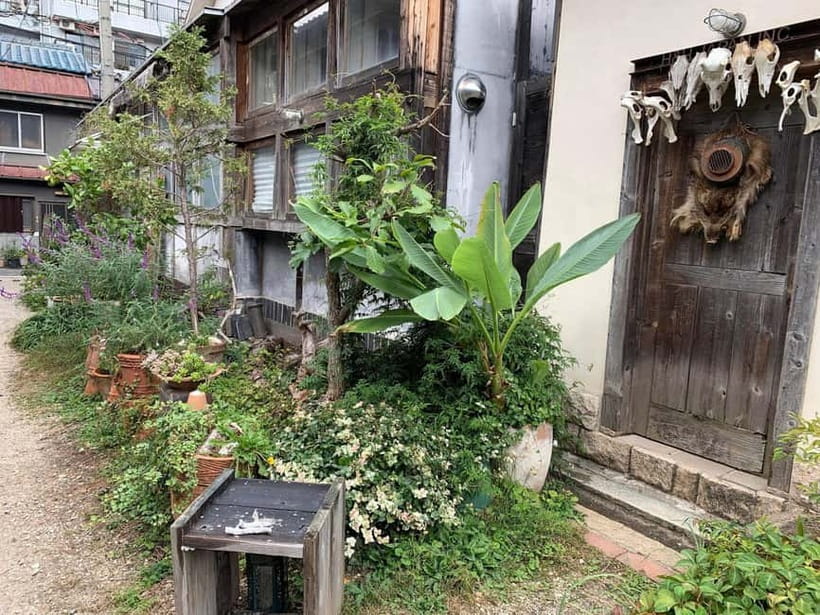
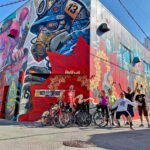
You meet about a 10-minute walk from Tenmabashi station (Osaka Metro / Keihan Line). Arriving a bit early helps. You’ll want time to settle your bike setup and get a feel for the route before you start stacking stops.
This tour runs 270 minutes (about 4.5 hours). Even with snack and photo breaks, you should assume you’ll be in motion for a lot of the day. Riders in reviews noted a distance around 23 km, and that lines up with the kind of neighborhood-spanning route you’re doing here.
What to bring is simple and practical: comfortable shoes, comfortable clothes, and a camera. If you’re the type who gets great shots by stopping often, you’ll appreciate the small-group format.
The Tenma Streets: Murals, Graffiti, and the Local Way of Looking
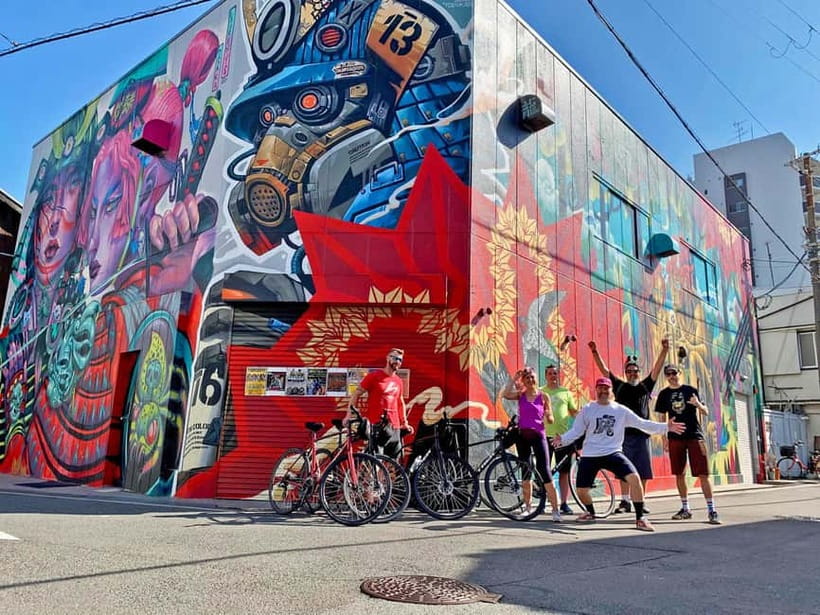
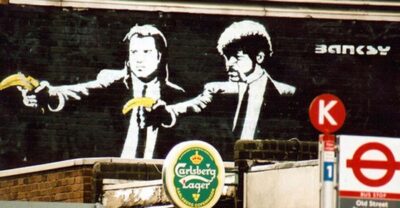
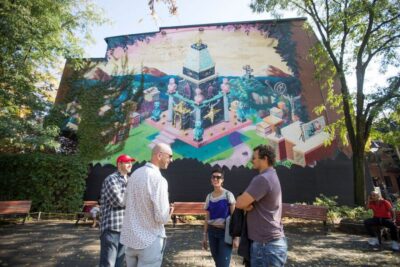
Tenma sets the mood: hip, gritty, and very “Osaka at street level.” As you cycle, you’ll see a mix of street art styles—works by local artists and also pieces tied to international talent. The difference on this tour is that you’re not just spotting colors. You’re getting context from a live English guide while you’re still at the wall.
That context is underrated. Street art changes meaning depending on where it sits—near a train entrance, beside a narrow storefront, or above a stairwell people use every day. When your guide points out those details, the art turns into something you can actually read.
One practical tip: plan on taking photos both when you’re stopped and when you’re rolling past. Some pieces look completely different from up close versus from a few steps back. You’ll get the chance to photograph works, and the pace should leave you time to do it.
Crossing the Yodo River: Osaka Architecture You Can Feel
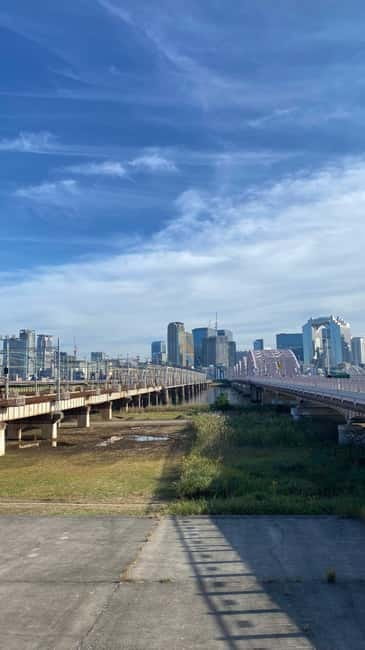
Then you head toward one of the tour’s biggest “moving moments”: crossing the Yodo River into Juso. This part isn’t just travel time. It’s when you see how Osaka’s layers stack—waterways, bridges, rail lines, and dense city blocks all in one view.
The guide highlights examples of urban architecture as you cross, which helps you look past the obvious. If you’ve only seen Osaka from stations or big shopping streets, this is a different angle—one that feels more engineered, more lived-in, and more real.
I like that the river crossing also marks the shift in neighborhood energy. Tenma feels like the entry point. Juso feels like the “why didn’t I come here earlier?” moment.
Juso: The Street-Art Center Few Tourists Hit
Juso is described as one of the centers of Osaka’s street art scene, and the tour leans into that. It’s also framed as a place that’s almost never visited by tourists—so you’re getting a view that feels closer to everyday life.
On the bike, you’ll notice how street art fits the environment. There are trains, bridges, and layers of city structure everywhere—so the art doesn’t sit alone. It shares the wall with stickers, signage, paint wear, and local textures. That’s why the tour works: you’re seeing street art as part of Osaka’s urban rhythm, not as an isolated museum item.
This is also where you’ll get commentary from a guide and a local resident about underground life in Osaka. The word underground might sound dramatic, but what it usually means here is culture that moves in side streets—places and habits you wouldn’t find just by scanning a main tourist map.
Coffee Stops and an Old-School Standing Bar Moment
A bike tour can get tiring if it’s only motion. Here, you get intentional breaks, including specialty coffee and time at an old school standing bar in Juso.
These stops do two things. First, they make the day easier. Second, they add that “I’m actually in the neighborhood” feeling. Even if you just take a drink and stand for a bit, you learn how local spaces work—small, efficient, social in a way that doesn’t require a big restaurant setting.
If you’re the kind of person who always wants to try one local drink, this part is a strong reason to pick this tour over a purely visual street-art walk. The art may be the main event, but the pauses help you absorb it.
Nakazaki-cho: Hip Shops, Galleries, and a 100-Year-Old Pizza Stop
After Juso, the route moves to Nakazaki-cho, described as a hipster enclave with boutique shops and galleries. This shift matters because it shows you how street culture and design culture can overlap in different ways.
You’re not switching to a completely sterile “shopping-only” zone. You still keep the street-level feel, but the vibe softens into gallery-adjacent energy—where you might spot storefronts and spaces that feel like they belong to a creative crowd.
Then comes one of the tour’s most memorable inclusions: a local institution serving pizza slices in a 100-year-old building. It’s not a fancy sit-down meal. It’s the kind of stop that feels practical and local—quick fuel that still has atmosphere.
I like these meals because they keep you from losing momentum. After you’ve been photographing and riding, pizza is an easy way to reset without wasting time hunting for food on your own.
Pace, Photos, and What Actually Works for 4.5 Hours
A tour like this lives and dies on pacing. Good pacing means you can stop without falling behind, and you can ride without feeling rushed.
In reviews tied to this tour, riders mentioned that guides kept a good tempo, made time for questions about street art and Osaka, and left enough room to photograph works. That’s what you should expect: you’re biking around a lot of city blocks, but you shouldn’t feel like you’re speed-skimming the art.
For your gear and habits:
- Bring your camera, and use your phone notes to jot down artist names or location cues as you hear them.
- Charge your devices the day before. Four and a half hours plus stops can drain batteries faster than you think.
- Wear shoes you can walk in, not just “nice” ones. You may need to adjust for quick stops and uneven sidewalk edges.
Also, consider that one rider wished for a pamphlet at the end listing artwork details. Since that kind of handout isn’t guaranteed, it’s smart to take a few notes as you ride so the facts stay with you.
Guides and the Value of Questions
What makes this kind of street-art tour more than a bike rental is the guide’s role. The tour is led in English, and reviews specifically called out guides taking time with guests’ questions.
Names mentioned include Ruben and Eric—both described as art-focused and engaged, with answers that covered street art and Osaka in general. That’s the ideal style: you don’t want a lecture. You want real conversation while you’re standing in front of the wall.
If you’re curious about anything specific—how street art gets made locally, what symbols mean, how neighborhoods “choose” what to paint—this is your moment. Ask as you see the work. Context lands best when you’re looking at it.
Price and Value: Is $87 Worth It?
At $87 per person for 270 minutes, this tour isn’t trying to be the cheapest option. It’s priced more like a guided, structured small-group experience—bike, helmet, guide, water, and a pizza slice included.
Here’s what you’re paying for, in practical terms:
- A small group (max 6), which usually means you get attention and time for photos
- A live English guide plus local commentary, so you’re not guessing what you see
- Transport via bike and helmet, meaning you cover more ground than walking
- A built-in meal stop at a 100-year-old pizza spot, so you don’t waste time figuring food out
If you planned this day on your own, you’d still need a route, a safe way to bike, street-art context, and a place to eat. That’s where the value comes from. You’re buying guidance that turns random murals into a coherent neighborhood story.
Who Should Book This Bike Street Art Tour
This tour is a good fit if you:
- Want Osaka’s street art scene without sticking to the main tourist lanes
- Prefer learning from a live guide while you’re actively looking at the art
- Enjoy biking, photos, and short food stops in different neighborhoods
It’s less ideal if:
- You have limited mobility or need wheelchair access (the tour isn’t suitable for wheelchair users or mobility impairments)
- You’re traveling with younger kids. Children under 13 are not recommended, and it’s not suitable for children under 10.
- You hate riding for long stretches. It’s about 23 km in ~4.5 hours, even with stops.
One more practical note: the tour asks you to provide heights for everyone in your group and any dietary restrictions. That’s worth doing early so the bike setup and food stop go smoothly.
The Rain Factor (And How to Handle It)
This tour has a weather rule: if the chance of rain is higher than 60% during the tour time, they cancel and offer a different date or a full refund. Make sure you give them a reachable contact so you’re not left waiting to hear what’s happening.
If rain scares you, plan for light weather. But also remember: this is an outdoor bike tour. You’re going to be outside for a while, so check forecasts and dress accordingly.
Should You Book Urban Canvas: Osaka Street Art Bike Tour?
I’d book it if your goal is street art with city context—where the route, the guide, and the stops all support each other. The combo of Tenma grit, a Yodo River architecture moment, Juso’s street-art center vibe, and Nakazaki-cho’s creative edges gives you a well-shaped day that doesn’t feel like a generic checklist.
If you hate biking long distances, need full accessibility support, or want a purely sit-down food-and-view day, then this probably won’t match your style. But if you can handle 4.5 hours on two wheels and you want real neighborhood energy, this is a smart value pick for Osaka.
FAQ
How long is the Osaka Street Art bike tour?
It lasts 270 minutes (about 4.5 hours).
Where do I meet the group?
You meet 10 minutes’ walk from Tenmabashi station (Osaka Metro / Keihan Line).
What’s included in the price?
The tour includes a bike, helmet, bike tour with a local guide, pizza slice, and water.
Is the tour available for children?
Children under 13 are not recommended, and it is not suitable for children under 10.
What should I bring?
Bring comfortable shoes, a camera, and comfortable clothes.
Is it wheelchair accessible?
No. It is not suitable for people with mobility impairments and wheelchair users.
What happens if it rains?
If the chance of rain is higher than 60% during the tour, the tour is canceled and you’re offered a different date or a full refund.