REVIEW · RIO DE JANEIRO
Rio Street Art Tour
Book on Viator →Operated by Guia Wellington/Berimbautour · Bookable on Viator
Rio’s murals tell stories fast. This tour connects street art to Rio’s real neighborhoods—on trains, trams, and good old walking—so the city feels less like a checklist and more like a living place. You’ll follow guide Wellington through landmark graffiti sites, the iconic Selarón Staircase, and major cultural zones with stops that are short enough to keep moving.
Two things I really like: the way Wellington turns each mural into a history and meaning lesson (not just photos), and the practical route using public transit, so you’re not just riding around in a vehicle. One thing to consider: it’s a few hours with a fair amount of walking, and the tour needs good weather, so plan accordingly.
In This Review
- Highlights You Shouldn’t Miss
- A 3-hour Rio street art tour with Wellington
- Glória and Boulevard Olímpico: legalized graffiti and European architecture
- Selarón Staircase: the city’s famous staircase, with real meaning
- Cinelândia by tram: libraries, the main theatre, and big-city ambition
- Olympic Boulevard museums: modern Rio in the same frame
- Porto Maravilha finale: the largest graffiti mural in the world
- How transit makes the tour feel local
- What you learn beyond the murals
- Price and value: what $68.61 gets you
- Who should book this tour (and who might not)
- Should you book the Rio Street Art Tour?
- FAQ
- How long is the Rio Street Art Tour?
- How much does the tour cost?
- Where do we meet, and where does the tour end?
- Is this a private tour?
- Are there admission fees for the stops?
- What kind of transportation does the tour use?
- What sights are included on the route?
- What happens if the weather is bad?
- Does the guide speak English?
Highlights You Shouldn’t Miss
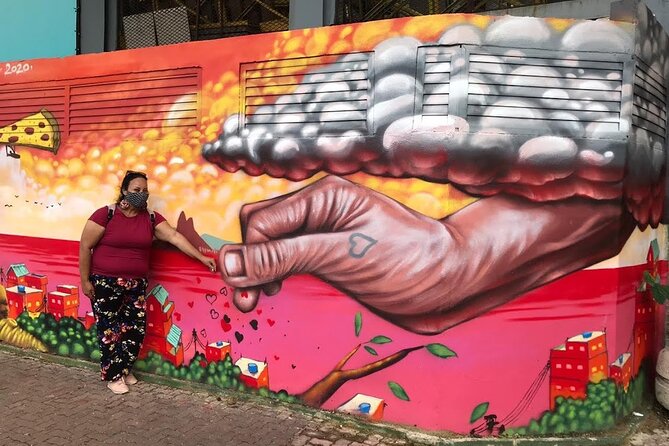
- Wellington’s mural context: art, politics, and social meaning explained in plain language.
- Glória to Centro connections: you see how different parts of Rio feed into the street art scene.
- Selarón Staircase with story: more than a famous staircase photo stop.
- Cinelândia by tram: libraries and the main theatre area, tied back to the city’s evolution.
- Porto Maravilha finale: finishing near the largest graffiti mural in the world.
A 3-hour Rio street art tour with Wellington
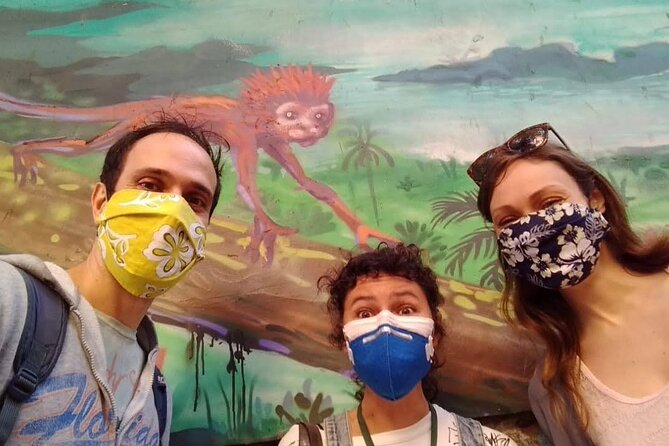
This is the kind of tour that helps you get your bearings fast. You’re in Rio de Janeiro for a limited time, yet you want more than the same “must-see” stops. The Rio Street Art Tour is built around short segments and frequent context—so you leave with a clearer sense of how graffiti, architecture, and public space connect to the city’s identity.
You’ll go out with Wellington (Guia Wellington/Berimbautour) on a private tour for just your group. That matters more than you’d think. When you can ask questions and get answers in the moment—about a symbol in a mural, or why a neighborhood looks the way it does—you actually start reading the city. Several reviews mention his English skills, and one person even shared that Wellington gave them a chance to practice Portuguese, which is a nice bonus if you’re trying to use the language while you travel.
The whole experience lasts about 3 hours, and it’s priced at $68.61 per person. For that money, you’re paying mainly for a guide who can connect art to real Rio—plus you’re moving through the city using public transportation, without adding a pile of paid attractions.
You can also read our reviews of more tours and experiences in Rio de Janeiro.

Glória and Boulevard Olímpico: legalized graffiti and European architecture
Your tour starts at the Municipal Theater of Rio de Janeiro in Centro (Praça Floriano, S/N). From there, you move toward Glória and the Boulevard Olímpico area, where you begin with an idea that changes how you see the rest of the tour: Rio doesn’t treat street art as one-size-fits-all vandalism.
One of the first story beats here is the look at the first legalized graffiti in Rio. That single concept is key for understanding why some murals feel official, why some communities embrace them, and why other works come with tension. Instead of treating graffiti like random decoration, you get a framework.
Right after that, you’ll notice European architectural influence in the City of Rio, and you’ll connect that style shift to the city’s broader history. This tour doesn’t pretend street art and architecture are separate worlds. They’re different languages telling related stories.
There’s also a transit rhythm to this part. You’ll be using the subway and staying near areas with easy public transport, which helps if you’re planning your days in Rio and don’t want everything to depend on taxi rides.
Selarón Staircase: the city’s famous staircase, with real meaning
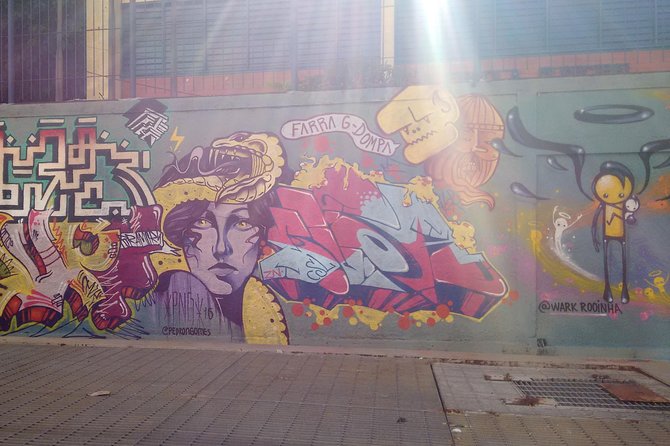
The Escadaria Selarón stop is the tour’s “hold still and look” moment. Yes, it’s one of Rio’s most visited sights, but this isn’t the kind of stop where you just circle for photos and move on.
You’ll get the story behind why the stairs matter—cultural meaning, local symbolism, and how the staircase became a kind of landmark for street art in the middle of everyday life. Even if you’ve seen pictures, being there in person changes the experience. The scale and the details make it feel less like an art installation and more like a message wall that grew over time.
A small practical note: it’s in a tourist zone, and that means crowds can be part of the package. The upside is that Wellington’s explanations give you something to focus on even when the surroundings are busy.
Cinelândia by tram: libraries, the main theatre, and big-city ambition
Next, you’ll head toward Cinelândia, a part of Rio where the city shows its more formal face. This stop is built around the area’s main libraries and the main theatre—cultural institutions that represent a different kind of “public art,” one funded and designed through official channels.
What makes this section work is the contrast. You’re going from street art’s street-level language to a theater-and-library district that signals education, civic identity, and the city’s ambitions. By the time you arrive, Wellington has already set you up to notice how public space is used to shape identity.
Then comes the VLT (public transportation tram/light rail) ride. It’s not just transport; it’s part of how you experience Rio. You’re moving like locals do, watching neighborhoods slide by, instead of seeing only what’s planned for tourists.
If you enjoy history that connects to what you can actually see outside your window, this is a strong segment.
Olympic Boulevard museums: modern Rio in the same frame
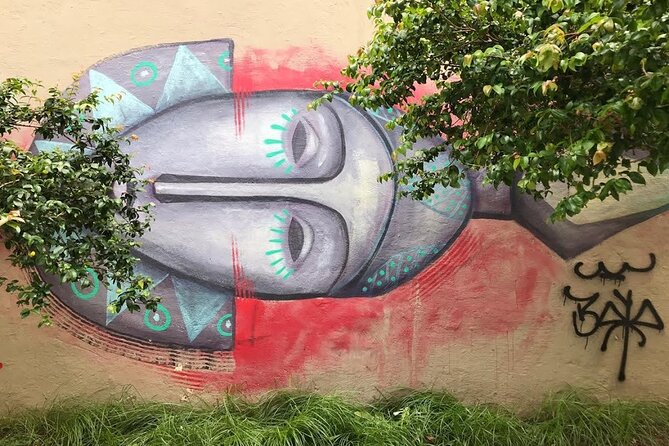
After Cinelândia, you’ll continue toward the Olympic Boulevard museum area. This stop is shorter than the Selarón Staircase moment, but the purpose is clear: you’re building a full picture of Rio across time—street-level expression, civic institutions, and museum spaces near the city’s modern redevelopment zones.
The museum area is where a lot of visitors start to think about “art” as something you pay to enter. On this tour, the framing stays broader. You’re learning to see art in the street, in buildings, and in the way whole areas get organized around culture.
This is also a good place to ask questions. If you spot something you like—an architectural detail, a mural style, a contrast between old and new—Wellington can connect it to the larger pattern of Rio’s public identity.
Porto Maravilha finale: the largest graffiti mural in the world
The tour ends in Porto Maravilha, with a finish focused on the largest graffiti mural in the world. You’ll spend about one hour there, which is generous compared to typical “quick photo and go” tours.
This finale is valuable for two reasons. First, it’s a concentration of what you’ve been learning. After earlier stops, you’re not seeing the mural as just a big visual. You’re reading it with context: messages, symbols, and why this art belongs in the story of Rio.
Second, the Porto Maravilha finish is a psychological win. When a tour ends near an eye-catching artwork, you remember it. When it ends after learning how to interpret art, you remember why it matters.
And yes, you’ll likely want to keep looking even after the formal tour ends—because now you have the habit of paying attention.
How transit makes the tour feel local
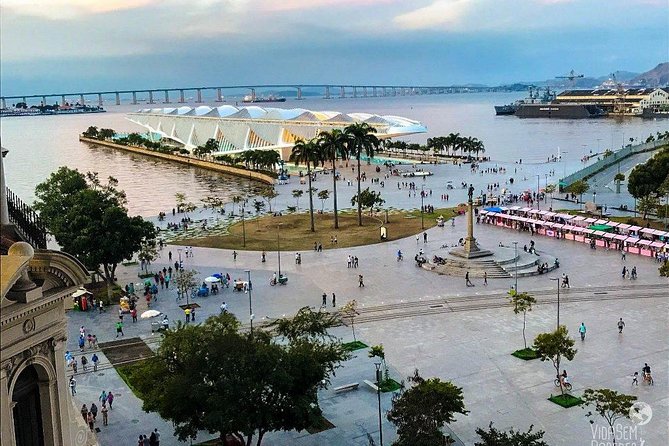
One of the most practical advantages is how the tour uses subway, VLT, and short walking stretches. You’ll often be near public transportation, which is helpful if you’re juggling other plans in Rio.
This matters because Rio isn’t a city where everything is close together, and taxis add up fast. By staying transit-friendly, the tour keeps your time efficient. You’re also less stuck inside one bubble, so you’re constantly getting small cues about the city’s rhythm: what streets feel like, how people move, and where attention naturally gathers.
One review even mentioned Wellington helping with train ticket logistics to avoid a fine. That’s the kind of small detail that makes a difference when you’re figuring out a new transit system. If you’re unsure about tickets or stops, ask questions early—this is the moment Wellington’s local experience helps most.
What you learn beyond the murals
This tour goes further than “here’s a mural.” It’s about how murals become a language for identity, politics, and community memory.
A theme that comes up through the route is the link between street art and Afro-Brazilian culture and the history tied to enslaved Africans in Brazil. In one case, a group asked Wellington for a focus on Little Africa, and he adapted the experience to connect the murals to that history. If that theme speaks to you, it’s worth asking directly during the tour if you want extra emphasis in that direction.
Carnival also shows up in the context of public art and Rio’s cultural machinery. One review described getting the chance to see Carnival float staging and storage area as part of their experience. That may not be available at every timing, but it’s a sign that the tour can sometimes include cultural context beyond the street itself when schedules allow.
And throughout it all, Wellington’s explanations stay tied to what you can physically see—architecture, staircases, theatre-and-library areas, and those big mural zones in Porto Maravilha.
Price and value: what $68.61 gets you
At $68.61 per person, you’re paying for a guide-led experience designed around context. This isn’t just a series of stops where you follow someone holding a map.
Here’s the value equation that makes sense for most travelers:
- Private format: you’re not competing with other groups for attention.
- Time efficiency: a tight route across multiple neighborhoods without feeling rushed at each mural point.
- Free admission on the listed segments: the tour’s planned stops are marked as admission ticket free, which helps keep the total cost under control.
- Context that changes how you see Rio: the difference between a photo stop and a real understanding of meaning is what makes this worth paying for.
The tour is also booked about 30 days in advance on average, which suggests it’s popular. If you want a specific day, plan early rather than assuming you can always grab a slot last minute.
Who should book this tour (and who might not)
I’d recommend this tour if you:
- Like street art but also want the story behind the symbols.
- Enjoy public transit experiences instead of only relying on taxis.
- Want more than a surface-level sightseeing loop through Rio’s best-known landmarks.
You might want to think twice if:
- You dislike walking or need very long seating breaks. It’s not a hardcore hike, but it is a moving, looking, and standing tour.
- Your favorite street art style is very current. One piece of feedback asked for newer graffiti on the route, which suggests some murals may feel older depending on what you’re hoping to see.
Also keep in mind the tour requires good weather. If rain is likely during your dates, check the forecast and be flexible.
Should you book the Rio Street Art Tour?
Yes, if your goal is to understand Rio through what’s on walls and in public spaces. This tour is especially strong for first-timers who want a real-feeling introduction without losing time on logistics. With Wellington guiding you through Glória, Selarón, Cinelândia, the museum zone near Olympic Boulevard, and then ending in Porto Maravilha, you’ll come away with both great visuals and usable context.
Book it if you want a personal, story-focused experience and you’re okay with a few hours of walking plus transit rides. Skip it only if you want a purely modern mural hunt with minimal walking—because this one is built to connect older, iconic works to the larger Rio story.
FAQ
How long is the Rio Street Art Tour?
The tour lasts about 3 hours.
How much does the tour cost?
It costs $68.61 per person.
Where do we meet, and where does the tour end?
You meet at the Municipal Theater of Rio de Janeiro (Praça Floriano, S/N – Centro). The tour ends in a different location, and the route finishes in the Porto Maravilha area.
Is this a private tour?
Yes. It’s a private tour/activity, so only your group participates.
Are there admission fees for the stops?
The provided stop information lists admissions as free.
What kind of transportation does the tour use?
The tour includes public transportation, including the subway and the VLT (public tram/light rail), along with walking.
What sights are included on the route?
You’ll visit or pass through major street art and cultural areas including Boulevard Olímpico, the Escadaria Selarón, Cinelândia (libraries and the main theatre area), Olympic Boulevard, and Porto Maravilha (including the largest graffiti mural in the world).
What happens if the weather is bad?
The experience requires good weather. If it’s canceled due to poor weather, you’ll be offered a different date or a full refund.
Does the guide speak English?
Yes. Reviews specifically note that Wellington speaks excellent English.