REVIEW · ADELAIDE
Paint and Palate Street Art Tour with Food
Book on Viator →Operated by Flamboyance Tours · Bookable on Viator
Adelaide street art hits harder when you know the backstory. This Paint and Palate tour is built around Jimmy C and his drip-style work, guided by Katina with a clear love for the scene. I like that it explains how collaborations form and why one artist’s style can be so varied, and I also like that the food stops are part of the walk, not an afterthought.
You’ll cover a tight loop through Rundle Street East, Rundle Mall, and a small slice of Gouger Street in Chinatown, so you get a real feel for where the art lives without needing a car. The one consideration: the experience requires good weather, and if it’s canceled for weather you’ll be offered a different date or a full refund.
In This Review
- Key points before you go
- Street art with food: the Adelaide loop that actually makes sense
- Meet Jimmy C: drip-style art and the stories behind it
- Stop 1 on Rundle Street East: the East End as an outdoor studio
- Rundle Mall and the side lanes: seeing the main strip in a smarter way
- Chinatown on Gouger Street: art and food in the same breath
- The Adelaide Fringe Street Art Explosion map: your post-tour cheat sheet
- How the 90-minute format and weather requirement affect your day
- Who should book this tour (and who might not love it)
- Should you book Paint and Palate Street Art Tour with Food?
- FAQ
- How long is the Paint and Palate Street Art Tour with Food?
- Where does the tour start and end?
- What is the group size?
- What areas of Adelaide will we visit?
- Is food included on the tour?
- Do we receive any materials to continue exploring?
- When does the tour run?
- What happens if the weather is poor?
Key points before you go
- Small groups (max 10) keep the walk personal and the discussion easy to follow
- Jimmy C, drip-style street art, and collaboration stories are the heart of the tour
- Rundle Street East + Rundle Mall lanes + Chinatown make for a smart, walkable route
- Food along the way turns the tour into something you can actually snack during
- Adelaide Fringe Street Art Explosion map helps you keep exploring after the tour
Street art with food: the Adelaide loop that actually makes sense
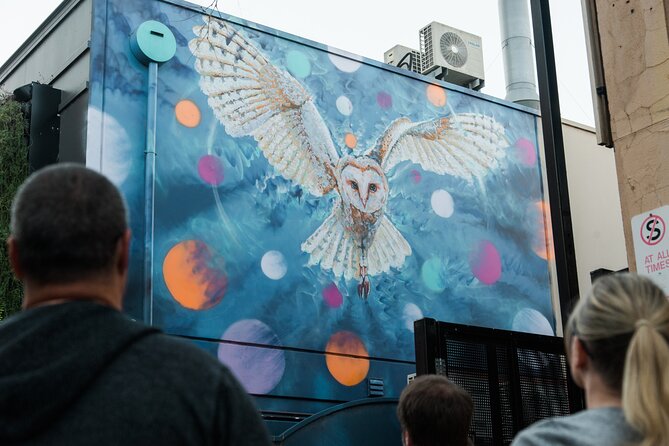
This is the kind of tour that helps you get your bearings fast in Adelaide. You’re not stuck staring at a single mural like it’s the only one worth seeing. Instead, you walk a short route where street art changes from lane to lane, shopfront to side street, and neighborhood to neighborhood.
The tour runs about 1 hour 30 minutes, starts at 2:00 pm, and works best when you’re ready to walk and pay attention. The group limit is 10 people, which matters more than you’d think. In a big crowd, questions die early. In a small one, you can ask why a piece looks the way it does, or how a collaboration ends up looking like it does.
Pricing is €35.02 per person. For a walking tour, that can feel like a splurge—until you remember two things: you’re paying for a guided explanation (not just the art), and it includes food as you go. When food is built in, you don’t have to hunt for snacks or guess which café lines are worth your time.
You start at 28 East Terrace and you end at the Norman Street Murals (near 63A Wright St). After you finish, you’re close to Hotel Indigo and the rooftop Merrymaker bar for a post-tour drink, or you can keep walking around Chinatown and the Adelaide Central Market area.
You can also read our reviews of more tours and experiences in Adelaide.

Meet Jimmy C: drip-style art and the stories behind it
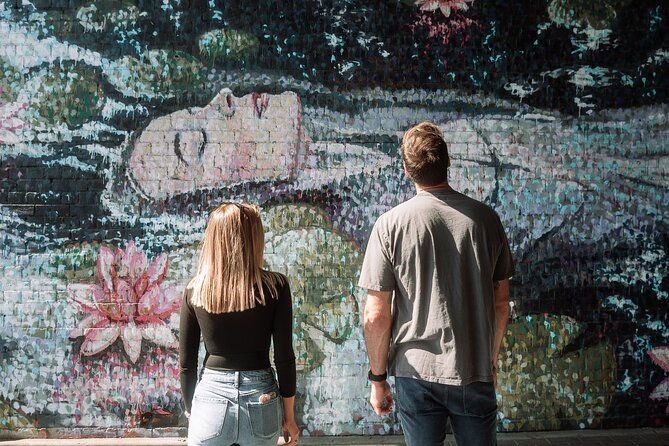
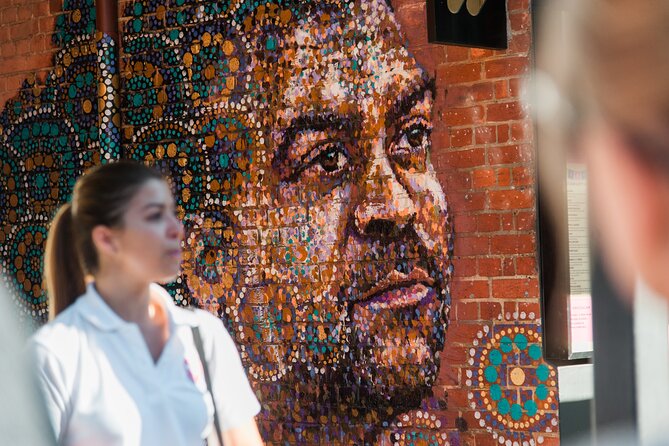
Jimmy C is the artistic thread pulling the whole tour together. The focus is his drip-style look, but the real value is the way the tour connects style to process: how an artist’s journey shapes what they paint, how collaborations come together, and how different influences can show up across a single artist’s body of work.
Katina leads the discussion, and she keeps it grounded. This isn’t just name-dropping murals. You’re learning how street art movements take form in a specific city, and how local scenes develop the conditions for artists to experiment, team up, and push each other’s ideas forward.
Why that matters to you: once you understand the “why,” you stop viewing murals like decorations. You start reading them like visual conversations. You’ll likely catch details you would’ve missed on your own—small choices in texture, paint behavior, and style shifts that signal different influences.
Stop 1 on Rundle Street East: the East End as an outdoor studio
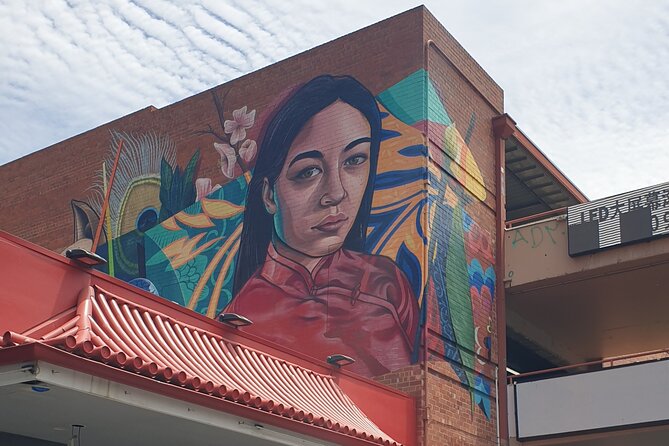
Your first stop is Rundle Street East, and the time here is generous at about 25 minutes. This is one of Adelaide’s street art hubs, so you’re walking into the right environment from minute one. You’ll see how Jimmy C’s work helped shape the area’s feel and how the neighborhood atmosphere supports that constant mix of styles.
What I like about starting here is that it sets the rules of the game. Before you head toward larger retail zones, you learn to look at street art as something tied to place: foot traffic, side-lane visibility, and the way people move through a district day after day.
One practical bonus: street art is free to view. You’re paying for the storytelling and guidance, not an admission ticket to a venue. So even if you’re not a diehard art person, you still get a strong return because you’ll understand what you’re seeing and why.
Rundle Mall and the side lanes: seeing the main strip in a smarter way
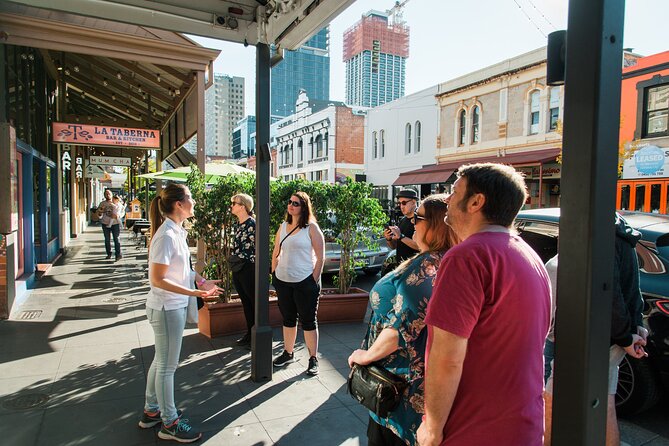
Next you get a small portion of Adelaide’s main shopping strip, then you shift into the surrounding lanes. That change is the point. Rundle Mall gives you a quick sense of the city’s day-to-day energy, and the lanes show you where street art becomes more personal, more experimental, and more tied to the walls people actually walk past.
This stop is shorter, but it helps you connect two worlds. It shows how street art doesn’t live only in one “art district” bubble. It shows up where ordinary routines happen. And once you notice that, you start seeing the city as a map of surfaces—walls, shutters, and corners that act like canvases.
The drawback here is also simple: you’re doing this as a walking tour, so if you hate crowds or tight passages, you’ll want to be mentally prepared for busy retail zones. The upside is that you’ll learn where to look even after the guided part ends.
Chinatown on Gouger Street: art and food in the same breath

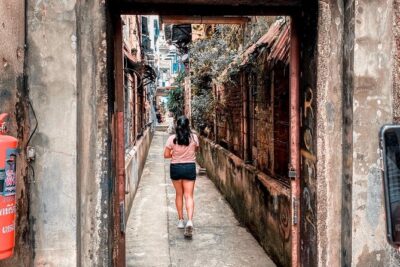
You wrap up with a short walk through a section of Gouger Street in the Chinatown area. It’s not the whole neighborhood, but that’s a smart choice for a 1 hour 30 minute experience. You get the feel of the area without turning the tour into a long slog.
This is also where the food element starts to feel real, because you’re moving through a district where people naturally snack and browse. Even without knowing the exact menu details ahead of time, you can expect the tour to include food along the way, and the reviews point out that those stops are a highlight.
What to do with this part: slow your pace a touch when you’re offered food. It’s tempting to keep walking and multitask, but the timing is part of the design. You’ll get a chance to refuel and then use that energy for the final look at murals near the end point.
Ending near Norman Street Murals works well because it gives you a satisfying finish. You go from guided interpretation to a spot where the art speaks loudly on its own, and you’re in position to keep exploring if you want.
The Adelaide Fringe Street Art Explosion map: your post-tour cheat sheet
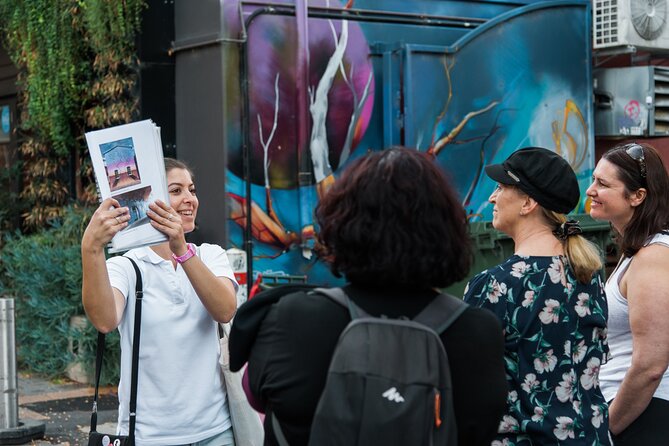
One thing I appreciate is that you don’t leave empty-handed. You receive the Adelaide Fringe Street Art Explosion map, which is a practical tool for continuing your exploration after the tour.
Here’s how I’d use it: scan for murals near where you’re already planning to wander—around Rundle Mall, Chinatown, and the Central Market area—and then pick one or two “next targets.” Don’t try to see everything. Use the map to guide a relaxed follow-up walk, the way you’d plan a self-guided day without committing to an exhausting checklist.
This is especially useful because street art can be location-specific. A map turns what might feel like random wall art into a coherent trail.
How the 90-minute format and weather requirement affect your day
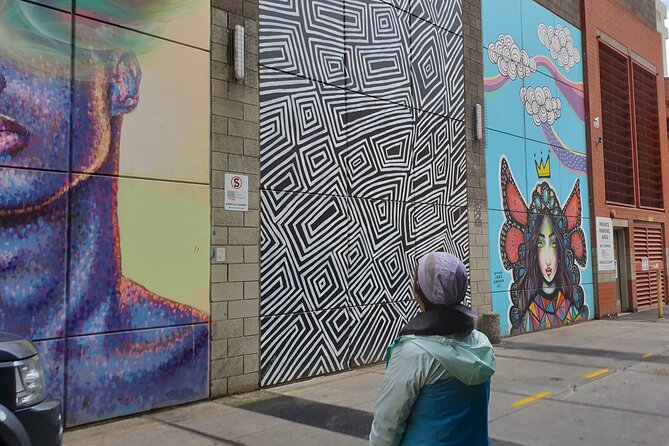
The tour is about 1 hour 30 minutes, which is a sweet spot. It’s long enough to cover multiple districts and explain what you’re seeing, but short enough that you’re not stuck for half a day.
Because the tour requires good weather, keep a close eye on the forecast. Street art tours look great when skies cooperate, and if weather cancels it, you’ll be offered a different date or a full refund. Practically, it’s smart to schedule this with some flexibility so you’re not forced to rearrange everything if the sky changes.
Also, because groups are capped at 10, expect a paced walk rather than a sprint. If you’re the type who likes to stop for photos, you’ll want to do it efficiently and keep moving when it’s time, so the guide can keep the whole route on track.
Who should book this tour (and who might not love it)
I’d book this if you fit one of these categories:
- You like street art, but you also want the story behind the visuals
- You’re curious about how a city’s street art scene develops and how artists influence each other
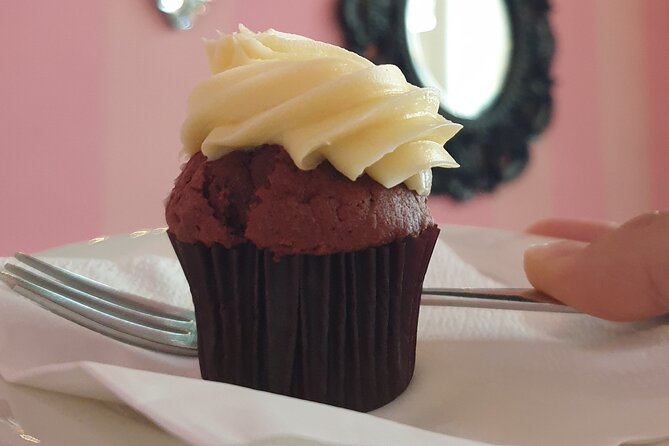
- You want a guided walk that includes food, so the tour feels like an actual plan, not just exercise
- You enjoy asking questions and talking through interpretations (the small group helps)
You might skip it if you want a strictly landmark-based sightseeing day. This tour is focused on art you walk up to, not big-ticket monuments. It’s also not designed as a long wandering crawl where you can roam wherever you want for hours.
Should you book Paint and Palate Street Art Tour with Food?
Yes, if you want Adelaide street art with explanation and you like the idea of eating along the route. The biggest strengths here are the focus on Jimmy C’s drip-style work and the way Katina guides you through how the scene connects—artist journey, collaborations, and the shifts in style across different works.
If you’re deciding between a self-guided mural hunt and a tour, this is the easy call: the guided portion gives you context fast, and the included food makes the price feel more balanced for a short, walkable outing. Just plan around the weather and be ready for a city-center walking route.
FAQ
How long is the Paint and Palate Street Art Tour with Food?
It runs for about 1 hour 30 minutes.
Where does the tour start and end?
It starts at 28 East Terrace, Adelaide SA 5000 and ends near the Norman Street Murals (63A Wright St, Adelaide SA 5000).
What is the group size?
The tour has a maximum of 10 travelers.
What areas of Adelaide will we visit?
You’ll see street art around Rundle Street East, Rundle Mall and nearby lanes, and a small section of Gouger Street in Chinatown.
Is food included on the tour?
Yes. This is a street art tour with food along the way.
Do we receive any materials to continue exploring?
Yes. You get the Adelaide Fringe Street Art Explosion map.
When does the tour run?
It’s available on alternating Saturdays.
What happens if the weather is poor?
The tour requires good weather. If it’s canceled due to poor weather, you’ll be offered a different date or a full refund.