REVIEW · CALI
Historical Shared Tour Salsa, Graffiti & Resistance in Cali
Book on Viator →Operated by Beyond Colombia Free, Group & Private Tours · Bookable on Viator
Cali’s salsa story is written in paint. I love how this 3-hour walk ties Cali salsa to murals, from the tribute to Jairo Varela to the end-of-night energy at Cimarrón. I also love that it’s not just sightseeing; you get real context for the music and a few simple dance steps. One drawback: it’s weather-dependent, and you’re on your feet for most of the tour, so comfy shoes matter.
Guides can make or break a street tour, and here that’s a strong point. In Spanish, certified guides like Cristian bring the history to life with high-energy explanations that connect the city’s “popular cultural” revolution to what people create on walls and in dance. (If you see the name Cristian on the schedule, you’re in good hands.)
You’ll move through iconic corners of Cali that locals use daily: plazas, parks, an institute for fine arts, a food-and-nightlife stretch on the Boulevard, and two big mural zones that feel like outdoor galleries. It’s shared (max 30 people), and admission at each stop is listed as free, but drinks, food, and souvenirs are not included—plan on buying your own along the way.
In This Review
- Key highlights I’d plan around
- Salsa, graffiti, and resistance: what makes this tour feel different
- The 3-hour route: from Jairo Varela’s plaza to dancing at Cimarrón
- Stop-by-stop: what you’ll see, and why it connects to salsa
- Stop 1: Plazoleta Jairo Varela
- Stop 2: Parque de las Piedras (Piedras Park)
- Stop 3: Departmental Institute of Fine Arts
- Stop 4: La Curva del Boulevard
- Stop 5: Edificio Boulevard del Río Emcali (panoramic view)
- Stop 6: La Calle del Sabor
- Stop 7: BENEFICIENCIA DEL VALLE DEL CAUCA
- Stop 8: Calle de la Escopeta
- Stop 9: Túnel Mundialista
- Stop 10: Cimarrón Salsa Bar (finish with live music and dancing)
- Price and value: is $14 worth it
- How the group tour feels: pace, size, and your personal comfort
- Practical advice so you enjoy it more (and stress less)
- Who should book this tour in Cali
- Should you book Salsa, Graffiti & Resistance in Cali?
- FAQ
- FAQ
- How long is the tour?
- What does it cost?
- How many people are in the group?
- What language is the guide?
- Is admission included for the stops?
- What is included in the tour price?
- Is food or drinks included?
- Where do I meet and where does the tour end?
- Is the tour suitable for most travelers?
- What if the weather is bad?
- Can I get a refund if I cancel?
Key highlights I’d plan around
- A salsa-to-street-art storyline that connects music, dance, and community identity across the city
- Cristian-style energy with history told in a way that makes you actually remember it
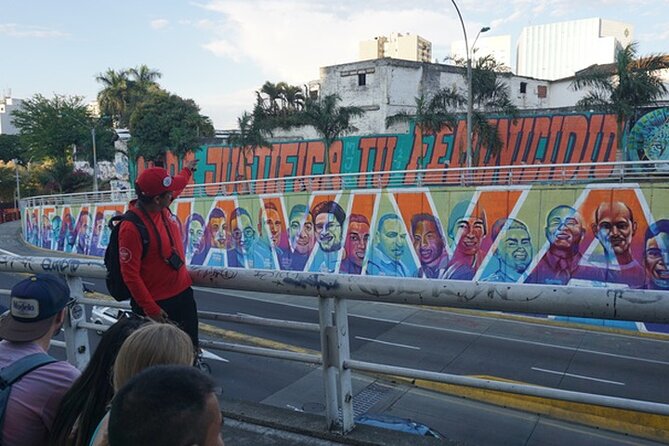
- 10 major mural stops, each with a different theme, from resistance to sports to Caleña culture
- A panoramic moment in the middle of the walk at the Boulevard del Río Emcali area
- Free admission at the stops plus bar recommendations and discounts through local allies
- Finish at Cimarrón Salsa Bar, where the night keeps moving and dancing is the point
Salsa, graffiti, and resistance: what makes this tour feel different
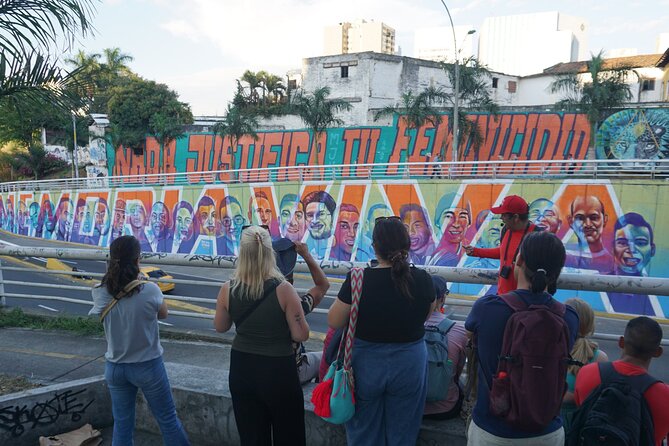
This tour works because it doesn’t treat salsa like museum stuff. It treats it like a living language. You start with a composer tribute, then keep walking into parks, art institutions, and street corners where murals explain what people care about—especially the idea that culture can be a form of resistance and empowerment.
I like that the tour gives you “why” along with “where.” Instead of only pointing at walls, the guide explains how the music and dance scene grew from local life, and how art on buildings can be a voice when other options are limited. That lens makes the graffiti stops feel purposeful, not random.
And yes, you’ll learn salsa movements. The most practical part is that you don’t need to be a dancer to start enjoying the rhythm. You’ll get simple steps to try yourself, which is the quickest way to turn a walking tour into an experience.
You can also read our reviews of more tours and experiences in Cali.

The 3-hour route: from Jairo Varela’s plaza to dancing at Cimarrón
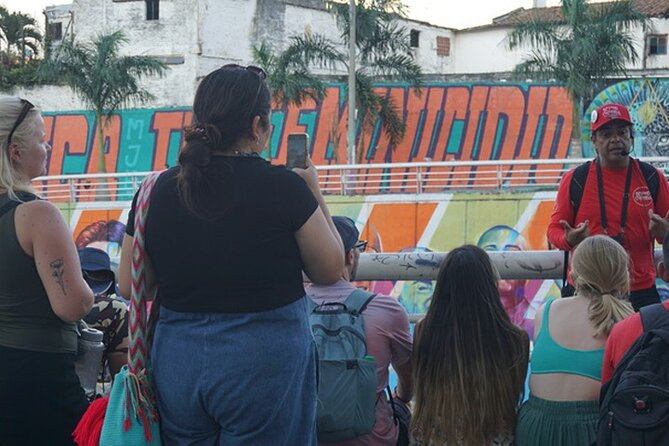
The whole thing runs about 3 hours, and it’s designed as a walking circuit through central Cali. You meet at Plazoleta Jairo Varela (also noted as La Caleñidad area) and finish at Cimarrón Salsa Bar. The route is paced for a shared group, with time built in at each stop so you can look around, take photos, and listen.
You’ll also notice the tour’s “city mixing.” You go from cultural landmarks to nightlife streets to a tunnel that’s basically a public art corridor. That variety is a big reason this tour is an easy first move when you’re new to Cali and don’t yet know where everything is.
One more practical note: the tour is free-admission at the listed stops, but it doesn’t include food or drinks. If you’re hungry, you’ll want a plan for buying something at the Boulevard / Calle del Sabor areas.
Stop-by-stop: what you’ll see, and why it connects to salsa
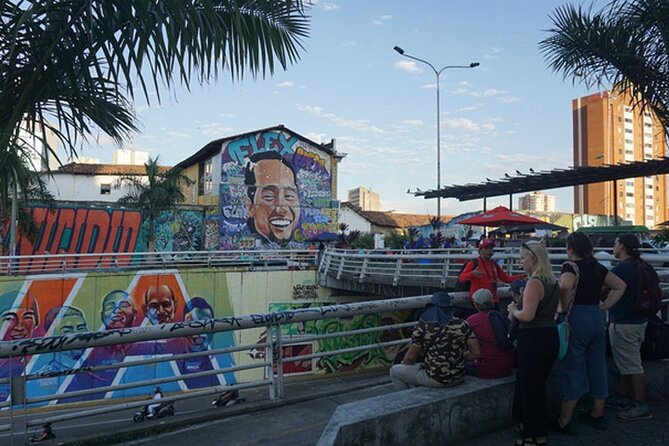
Below is what you can expect at each stop, plus how it fits the bigger story.
Stop 1: Plazoleta Jairo Varela
You begin at Plazoleta Jairo Varela, a tribute to one of the great salsa composers. The real win here isn’t only the name. It’s the mural setting—this is the kind of starting point that frames Cali salsa as cultural heritage, not just nightlife.
Why it matters for the tour: you set your ears and eyes at the same time. The guide uses this area to connect the composer legacy to the way Cali people build identity through music.
What to watch for: the murals and the way the plaza feels like a living stage. It’s a good moment to settle in before the walk gets more “street art and corners.”
Stop 2: Parque de las Piedras (Piedras Park)
Next is Parque de las Piedras, a meeting place for salsa lovers. This stop has fountains, sculptures, and open space where you can slow down. Murals add cultural texture, and the vibe is more relaxed than the busier nightlife zones.
Why it matters: parks like this act as social glue. Salsa isn’t only in clubs; it’s in public gathering spaces where people exchange energy.
Potential drawback: if you’re moving fast, you may want to consciously take your time here. The pause is part of the design.
Stop 3: Departmental Institute of Fine Arts
Then you head to the Departmental Institute of Fine Arts, a cultural center that hosts exhibitions like painting, sculpture, and photography. Even if you don’t go into any specific galleries, the building and its role in the city’s art scene help you understand how murals and street expression relate to formal art.
Why it matters: the tour keeps connecting street art to wider creative culture. It makes the city’s visual style feel like one connected system.
Stop 4: La Curva del Boulevard
La Curva del Boulevard is known for nightlife and a lot of places to eat. This is where the tour turns from “culture lessons” into “Cali living.” You’ll enjoy a typical dish while looking at murals on building facades.
Why it matters: salsa grew alongside everyday rhythms—meals, conversations, and late-night energy. This stop makes that connection feel practical.
Tip for you: if you’re picky about food, decide your boundaries early. The tour includes time for eating, but drinks are not included, so you’ll control what you add.
Stop 5: Edificio Boulevard del Río Emcali (panoramic view)
Now comes the viewpoint: Edificio Boulevard del Río Emcali is modern, with striking architecture, and it gives you a chance to see Cali from above. The guide points out the panoramic view, including the Cali River area.
Why it matters: context changes how you see street art. From a higher angle, you can understand how murals and neighborhoods fit into the city layout.
What to watch for: bring your phone and take a couple of steady photos. This is the stop that gives you a “map in your head” for the rest of the walk.
Stop 6: La Calle del Sabor
This is one of the most fun stops: La Calle del Sabor, often described as the heart of Caleña sauce. Here you’ll find bars, restaurants, and theme shops, all built around the music and the culture.
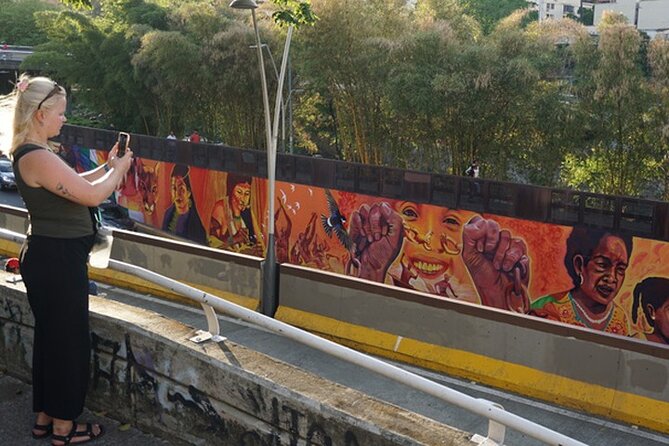
Why it matters: this is where salsa culture becomes a lifestyle brand. The murals on the walls tell stories of musicians, dancers, and popular culture—so you’re not only learning about salsa history; you’re walking inside the current version of it.
Practical move: pause and listen. Even without going into a club, you can catch the soundscape and notice how street rhythms set the tone for the night.
Stop 7: BENEFICIENCIA DEL VALLE DEL CAUCA
Next is BENEFICIENCIA DEL VALLE DEL CAUCA, a historic building with colonial architecture that now hosts cultural spaces and events that promote heritage.
Why it matters: this stop adds time depth. It shows that today’s street expression sits on top of older institutions and older city stories.
If you like architecture: this one will reward your attention. Even when the tour is moving, take a second to look at the building form before the murals pull you onward.
Stop 8: Calle de la Escopeta
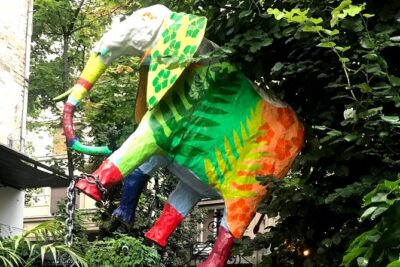
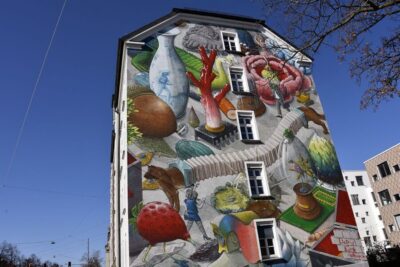
Calle de la Escopeta is known as the Street of the Shotgun, and it’s tied to urban art in Cali. The facades are covered in murals, turning the street into a long, walkable gallery.
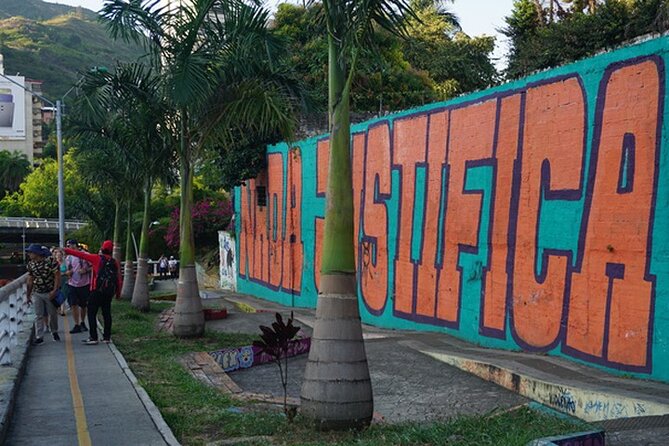
Why it matters: this is where resistance themes feel most literal. When a city turns a street into a canvas, it’s saying something about identity and public voice.
What to watch for: don’t only take pictures while walking. Stop twice—once to scan broadly, and once to read details.
Stop 9: Túnel Mundialista
Then comes Túnel Mundialista, a tunnel decorated with murals celebrating football and local culture. You get a short stroll through a painted corridor where the sports-and-society connection is part of the street-art language.
Why it matters: it widens your understanding of “popular culture.” Salsa isn’t the only thing that people express through art. This helps you see the bigger creative ecosystem.
Potential drawback: tunnels can feel tight and echo a lot. If you’re claustrophobic, just take it slow and focus on the rhythm of the group pace.
Stop 10: Cimarrón Salsa Bar (finish with live music and dancing)
Finally, you end at Cimarrón Salsa Bar, described as an emblematic salsa place where people dance until dawn. Expect live music, dance shows, and that high-energy mood that makes you want to stay.
Why it matters: this is the payoff. You’ve learned the context, walked the murals, tried steps, and now you’re in the place where salsa turns into movement.
Tip for you: plan your night around this ending. If you’re hoping to keep exploring bars after, take a moment at the end to decide if you want the “stay late” option.
Price and value: is $14 worth it
At $14 per person for about 3 hours, this is strong value for Cali. You’re not just paying for a guided walk. You’re paying for a certified guide in Spanish, specific knowledge of Cali salsa history and the “popular cultural” revolution, and a tour focus on representative salsa movements.
Add in that the stops are listed with free admission, plus the guide’s recommendations for cult salsa bars and benefits/discounts with recommended allies. That last part matters more than it sounds: good local advice can save you time and money on where to go next.
What’s not included is also clear: drinks, food, or souvenirs. So if you want to eat in multiple places, budget extra. But if you’re the kind of traveler who likes one solid meal during a tour and then controls the rest, this price works well.
How the group tour feels: pace, size, and your personal comfort
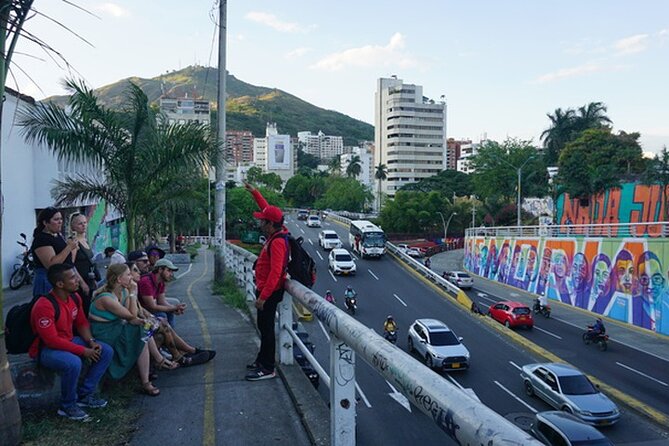
This is a shared tour with a maximum of 30 travelers. That’s big enough to create energy, but small enough that a good guide can keep things moving. The tour is also set up so most travelers can participate, and it’s near public transportation.
Pace-wise, each stop includes a short window to listen and look. The consistent timing keeps the flow from dragging. You’ll feel the “walking rhythm” of the city while still getting enough time for mural viewing.
If you want to maximize enjoyment, I suggest you show up ready to watch, not just scroll. The mural details and the connections to salsa themes work better when you pause.
Practical advice so you enjoy it more (and stress less)
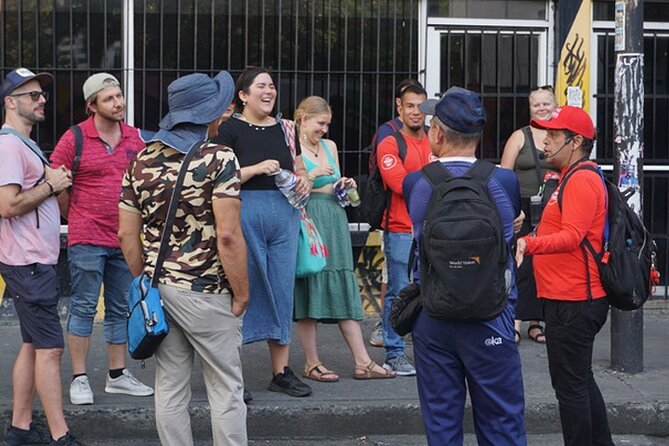
Wear shoes you can walk in for hours. You’ll cover multiple neighborhoods and keep moving between stops.
Bring a phone for photos, but don’t forget that your real souvenir is understanding. When you’re at a mural stop, look at it twice: first as an image, then as a story the guide is helping you read.
If you’re sensitive about food choices, ask what’s typical at the meal moment on the Boulevard. The tour includes time for a typical dish, but it doesn’t promise dietary flexibility beyond what the local stops offer.
Finally, take advantage of the guide’s bar recommendations at the end. The tour finishes at Cimarrón, but the guide’s “where else” advice can guide the rest of your salsa night.
Who should book this tour in Cali
This tour is a great match if:
- you want a first-pass orientation to Cali through salsa culture
- you like street art and want to understand what it means, not just photograph it
- you enjoy learning a few dance basics, even if you’re not a dancer
- you want an evening plan that ends with real music and dancing
It might be less ideal if you hate walking, dislike weather-dependent activities, or expect a purely indoor museum experience. This tour is outdoors and on the move.
Should you book Salsa, Graffiti & Resistance in Cali?
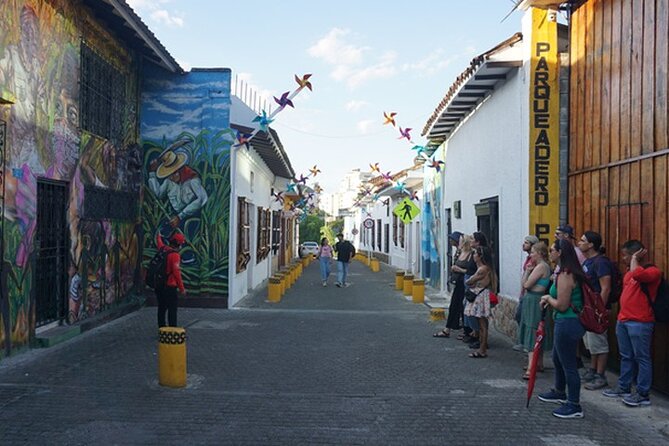
I’d book it if you want Cali to make sense fast. For $14, you get a guided Spanish education on salsa history, multiple mural stops tied to community identity, one viewpoint moment over the city, and an ending that actually lets you feel what the tour is teaching.
If you’re unsure where to start in Cali, this is one of the cleaner bets because it gives you both context and a fun finish. Just come with comfortable shoes, a flexible mood for street-level watching, and an appetite for one typical dish along the way.
FAQ
FAQ
How long is the tour?
The tour lasts about 3 hours.
What does it cost?
The price is $14.00 per person.
How many people are in the group?
This tour has a maximum of 30 travelers.
What language is the guide?
The tour includes a certified guide in Spanish.
Is admission included for the stops?
Admission tickets for the listed stops are marked as free.
What is included in the tour price?
It includes a certified guide in Spanish, history and salsa context, tours of representative salsa movements of Cali, mural and street-art content, salsa bar recommendations, and benefits/discounts with recommended allies.
Is food or drinks included?
No. Drinks, food, and souvenirs are not included.
Where do I meet and where does the tour end?
You start at Plazoleta Jairo Varela (La Caleñidad area) on Av. 2 Nte. #10 Norte-1 a 10 Norte-75, Granada, Cali. You end at Cimarrón Salsa Bar on Cl. 4 #1-113, Normandia Sebastian de Belalcazar, Cali.
Is the tour suitable for most travelers?
Most travelers can participate, and it’s near public transportation. Service animals are allowed.
What if the weather is bad?
The tour requires good weather. If it’s canceled due to poor weather, you’ll be offered a different date or a full refund.
Can I get a refund if I cancel?
Yes. You can cancel for free up to 24 hours in advance for a full refund.