REVIEW · DRESDEN
Dresden: Neustadt District Street Art Guided Walking Tour
Book on GetYourGuide →Operated by STADTRUNDFAHRT DRESDEN GmbH · Bookable on GetYourGuide
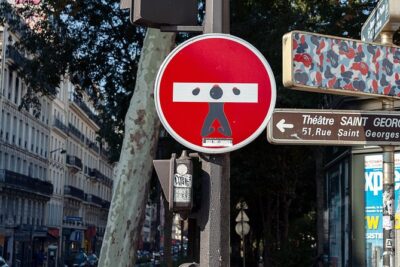
Street art in Neustadt is the fastest way to see Dresden differently. This 1.5-hour walking tour pairs street art examples with Wilhelminian-era architecture so you get more than pretty photos; you also get local context for what you’re looking at. The main caution: the tour can feel heavy on murals and tags, and a few people wished the guide spent more time on other street-art formats like stickers or paste-ups.
I liked that the pace is short enough to fit cleanly into a day, yet long enough for real conversation and Q&A. I also like that you finish with practical guidance for where to eat and drink in Neustadt’s nightlife zone, since food and drink aren’t included. If you’re a street-art superfan who wants deep breakdowns of specific artists’ motives, you may want to manage expectations based on how some explanations are described.
The tour is led by STADTRUNDFAHRT DRESDEN GmbH and runs with a live German guide. It’s wheelchair accessible, and you’ll be on your feet the whole time, so comfortable shoes matter.
In This Review
- Key Highlights You’ll Actually Notice
- Meeting at Pfunds Molkerei and Getting Oriented Fast
- The Core Experience: Street Art Walk Through Neustadt’s Walls
- Murals and Tags vs. Other Formats: What to Expect
- Wilhelminian-Era Architecture: Why the Buildings Matter
- Neighborhood History as a Walking Story, Not a Lecture
- Dresden Nightlife Tips: Where to Eat and Drink After the Walk
- Duration and Pace: 1.5 Hours That Fits Real Plans
- Language, Group Flow, and Practical Tips for Comfort
- Value for $17: What You Get for the Money
- Who This Tour Fits Best (And Who Might Skip It)
- Should You Book This Dresden-Neustadt Street Art Tour?
- FAQ
- FAQ
- Where does the tour meet?
- How long is the walking tour?
- Is the tour offered in English?
- What’s included in the price?
- Are food and drinks included?
- Is the tour wheelchair accessible?
Key Highlights You’ll Actually Notice
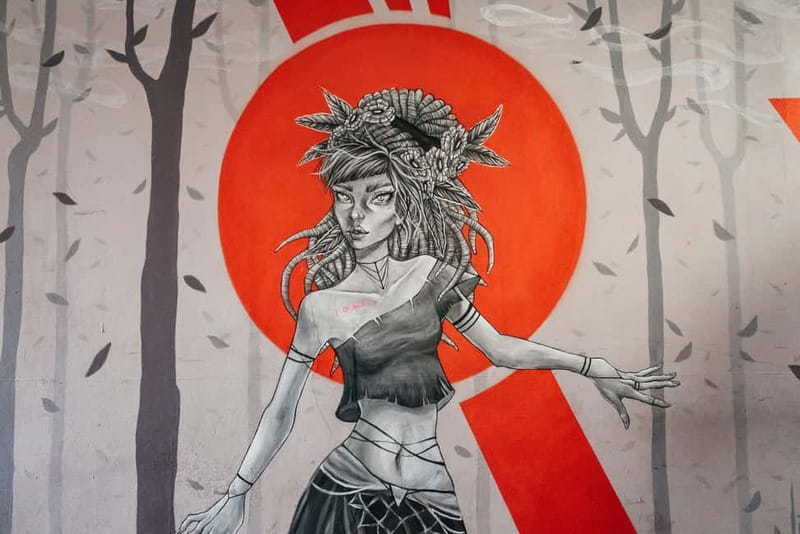
- Neustadt street art on the move: you’ll see murals and tags from big painted facades down to small details
- Historic-meets-modern streets: Wilhelminian-era buildings set a strong backdrop for the art
- Neighborhood history explained as you walk: you’ll connect the art to what shaped the area
- Nightlife intel from your guide: tips on where to eat and drink in the district after the tour
- Short, focused 1.5 hours: enough time for meaning without burning your whole afternoon
- Q&A can work well: some feedback praises how questions are handled and how the guide responds
Meeting at Pfunds Molkerei and Getting Oriented Fast
Your tour starts at the city tour stop at Pfunds Molkerei, where you meet your guide directly at the shop area. If you’re booking earlier in the year, all tours through 31 March 2025 start at Albertplatz next to the Albertstraße city tour stop, so don’t assume it’s always the same spot.
This matters because Neustadt can feel like its own world compared with Dresden’s main sights. A clear meeting point helps you drop into the district without wasting time figuring out where to begin. Once you’re with the guide, you’ll get a walking plan that’s designed to connect the art you see with the neighborhood around it.
A quick practical note: wear comfortable shoes. You’re out for about 1.5 hours, and street art viewing tends to mean stopping often, looking up, and walking again.
You can also read our reviews of more tours and experiences in Dresden.

The Core Experience: Street Art Walk Through Neustadt’s Walls
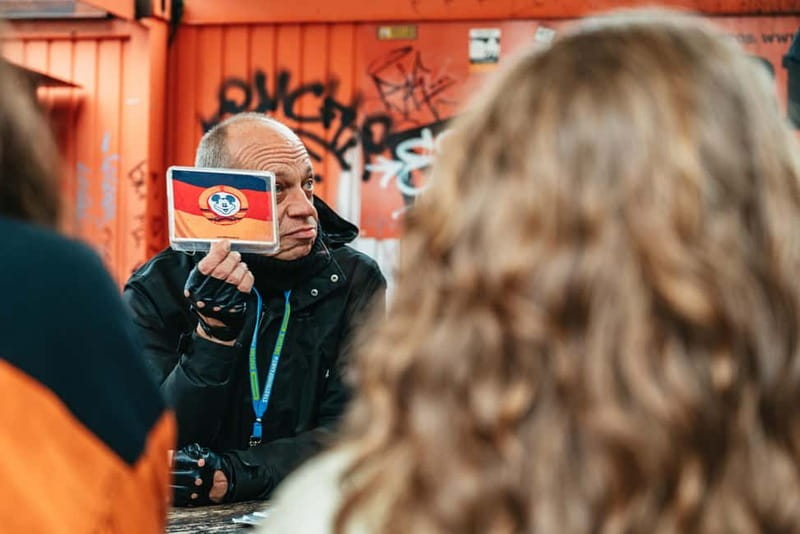
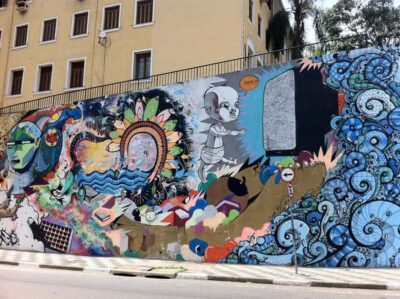
The heart of this tour is simple: you walk through Neustadt’s street art scene and learn what you’re seeing as you go. The format centers on murals and tags, including everything from fully painted house walls to small visual touches that you might miss if you were strolling on your own.
That’s where the guide’s role really matters. Instead of treating street art like random decoration, the tour frames it as part of daily life in the district—something people use to communicate, respond, and create. Even if you’re not sure whether a piece is official or unsanctioned, you’ll hear explanations that point you toward what to look for.
Some people say the guide’s explanations stay close to the surface. If you’re hoping for a very technical breakdown of each artist’s intent, you might be disappointed. But if you enjoy street art as a living conversation in a neighborhood, the tour can still land well because you’re seeing it in context—not behind glass in a museum.
Murals and Tags vs. Other Formats: What to Expect
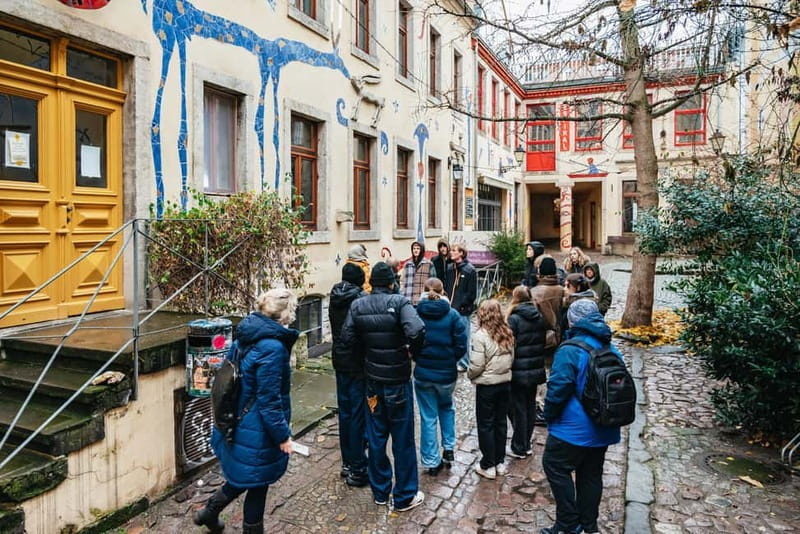
Here’s the trade-off that shows up in feedback. The tour’s street art focus is strongly on murals and tags, and at least one person felt that other formats—like stickers and paste-ups—weren’t treated as fully as they show up around the district.
So ask yourself what you want out of street art.
- If you want a guided tour of major visual styles and how they connect to the neighborhood, you’ll likely be happy.
- If your ideal tour is a collector-style crash course in every type of street-art medium, you may wish for more coverage.
A useful way to think about it: this tour feels built for getting your bearings and learning the language of the place, not for turning you into a street-art analyst by the end.
Wilhelminian-Era Architecture: Why the Buildings Matter
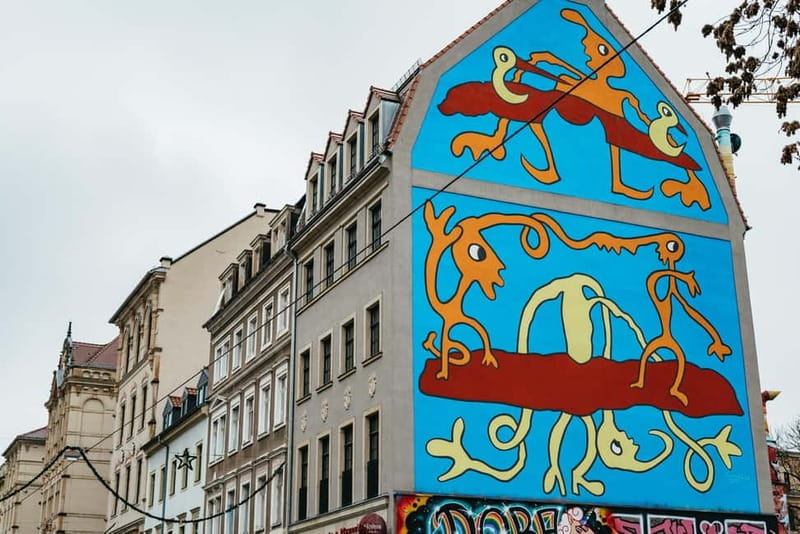
One of the smartest parts of this experience is the way it uses Wilhelminian-era architecture as a backdrop. Neustadt’s buildings give you scale and texture—doorways, facades, and side streets that make street art look like it belongs there instead of floating on blank walls.
When you combine architecture with street art, you start noticing two things:
- The art changes how you read the street. You begin to see layers—old city fabric plus newer voices.
- The setting explains some of the art’s impact. A tiny tag on an ornate facade can feel more pointed than the same thing on plain construction.
If you like photography, this is also a big help. You’re not just hunting for art; you’re learning where the best visual tension happens—old lines and new marks in the same frame.
Neighborhood History as a Walking Story, Not a Lecture
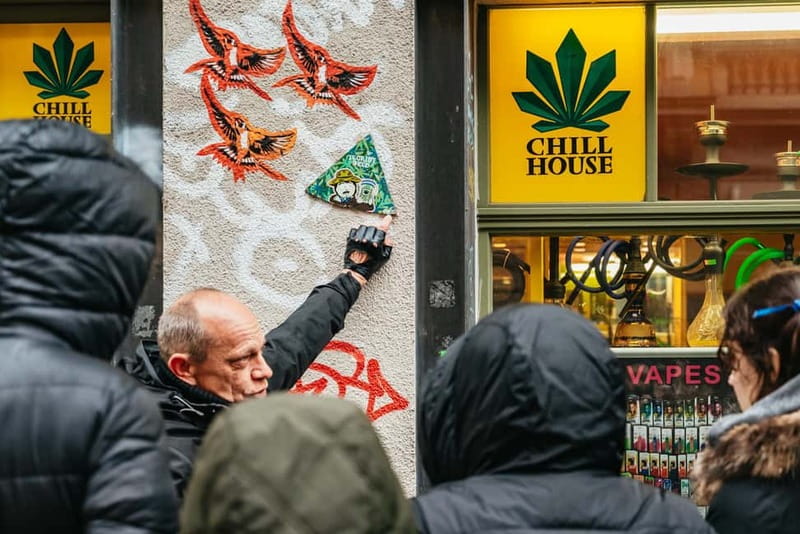
The tour promises history and evolving trends, and the format supports that promise: you don’t get a single long talk. Instead, history is woven into what you pass—so the district’s changes make more sense because you’re watching them unfold block by block.
That approach can be a win, especially if you don’t want a lecture. It’s easier to remember ideas when they’re attached to real streets and real examples of what the neighborhood is doing now.
Still, some feedback points to explanations that remain fairly general. Translation: you might get direction and good context, but not the kind of artist-by-artist deep research you could build on your own later.
If that’s your preference, treat this tour as your kickoff. Use it to understand the area’s themes, then follow up with your own reading or museum time afterward.
Dresden Nightlife Tips: Where to Eat and Drink After the Walk
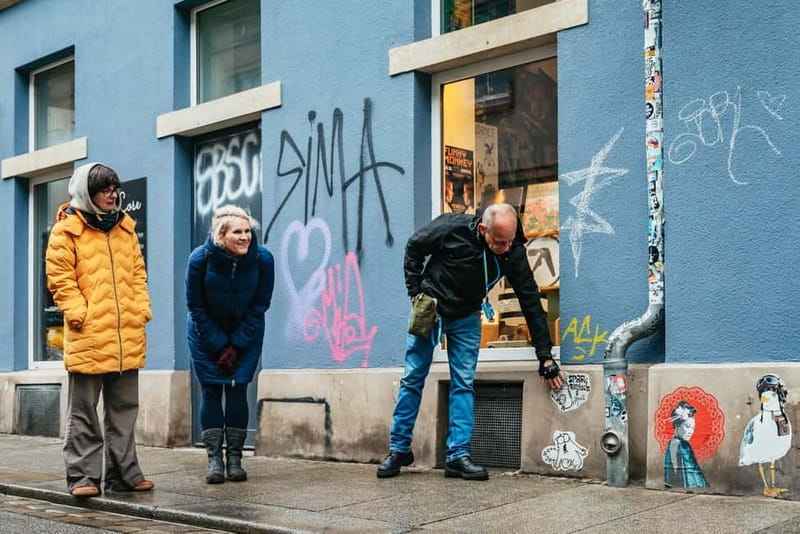
One of the best practical benefits is that your guide doesn’t just point you at art. You’ll also get tips on the heart of Dresden’s nightlife and entertainment scene, including where to eat and drink in Neustadt.
This is especially valuable because the tour doesn’t include food or drinks. You’ll need to plan your own meal and drinks, and the tour is timed so those suggestions are useful right after you finish.
Think of it like this: the guide gives you “what to do next” so you don’t end up hungry and guessing in the dark. Even if you don’t follow every recommendation, you’ll leave with a shortlist of places that match the district’s vibe.
One caution: nightlife areas can be loud and crowded later. If you prefer quieter dinners, ask your guide for options that still feel local but are less late-night. The tour’s Q&A time can be a good moment to do that.
Duration and Pace: 1.5 Hours That Fits Real Plans
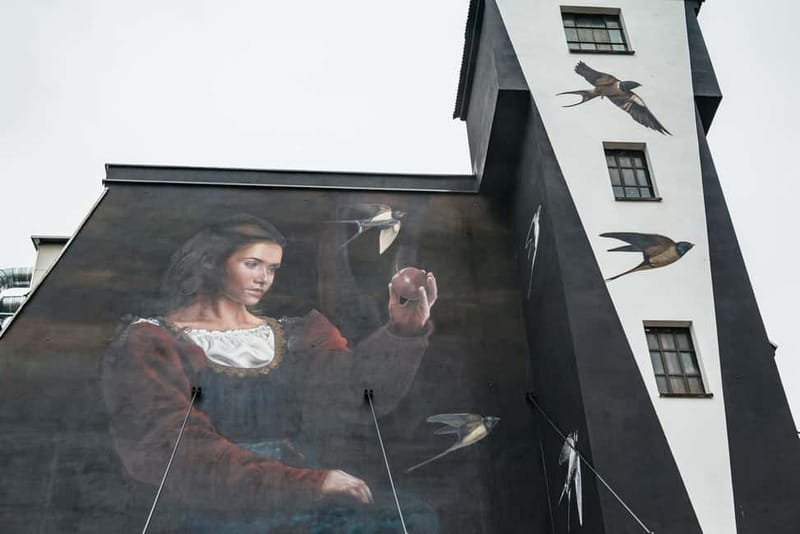
At 1.5 hours, this tour is built for people who want something different without a half-day commitment. You’ll be walking continuously, with stops for looking and listening, which keeps it from feeling like a slow museum session.
This length is also useful if you’re doing other Neustadt activities the same day. You can slot it in before dinner, then use the food-and-drink tips while things are still fresh in your mind.
The biggest pacing question is how your guide handles questions. Some feedback says answers are taken well and the experience stays interesting. Others felt the guide talked too much about themselves, which can reduce the feeling that it’s a true conversation. If you’re sensitive to that, focus your questions on the art and the district, not on personal anecdotes.
Language, Group Flow, and Practical Tips for Comfort
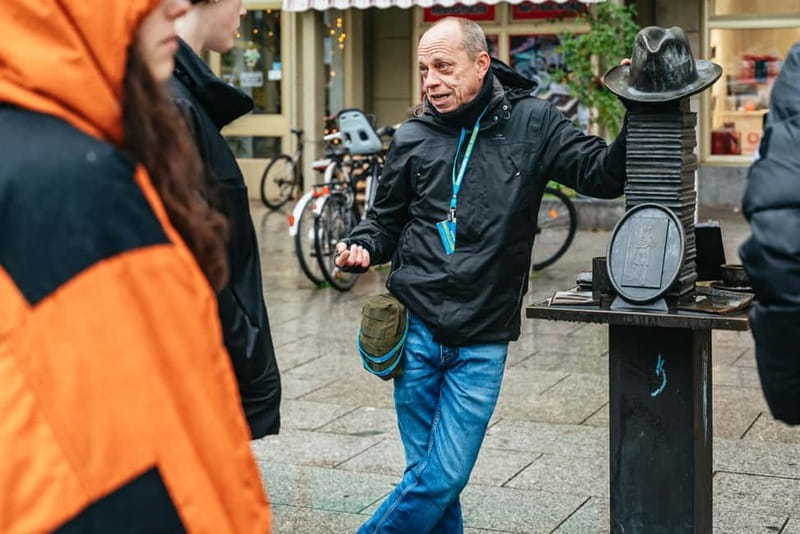
The guide speaks German, and that’s important to know before you go. If you’re not comfortable in German, you’ll still likely follow the visual component, but you may miss some of the nuance in explanations.
The tour is wheelchair accessible, which is great, but remember it’s still a walking experience. You’ll want to consider the street conditions and your own pace. Comfortable shoes are the main requirement listed, so plan for uneven sidewalks and regular stops.
Weather matters too. It’s an outdoor walk, so bring clothing that works with rain or wind if needed. You don’t want to spend the best parts of the tour wishing you were warm and dry.
Value for $17: What You Get for the Money
At $17 per person for a 1.5-hour guided walking tour (with a guide and the walking route included), the value is strongest if you want:
- a guided way to notice street art details,
- some neighborhood context as you walk,
- and practical “what to do after” advice.
The best value point is that you’re not paying for food or drinks, yet you’re still getting nightlife guidance that can shape your evening. If you were going to wander anyway, having a guide can save guesswork and help you notice things you’d otherwise overlook.
Where the value might not feel as strong is if you’re expecting very deep artist research or broad coverage of every street-art format. Some feedback suggests the focus can be narrower than street-art specialists would prefer. In that case, you may want to pair this with your own exploring afterward.
Who This Tour Fits Best (And Who Might Skip It)
You’ll probably enjoy this tour if you want an accessible introduction to Neustadt’s street art scene with real neighborhood context. It’s also a good fit if you like the mix of modern voices and older architecture, and if you enjoy walking with guidance instead of trying to figure things out alone.
You might want to skip or adjust expectations if you’re specifically looking for:
- a systematic guide to stickers, paste-ups, and every street-art format,
- very detailed artist motive analysis,
- or a strict focus on art history rather than neighborhood life and nightlife planning.
Should You Book This Dresden-Neustadt Street Art Tour?
Book it if you want a short, guided way to see Neustadt’s street art in context, enjoy Wilhelminian-era streetscapes, and leave with practical tips for dinner and drinks. The $17 price feels fair for the mix of visuals, explanation, and immediate payoff for your evening plans.
Think twice if you’re a street-art deep specialist who expects equal time across mediums or highly detailed artist-by-artist explanations. Based on the feedback, this tour is best treated as a strong starting point—not the final word.
FAQ
FAQ
Where does the tour meet?
Arrive at the city tour stop at Pfunds Molkerei and meet your guide there. For tours running until 31 March 2025, meeting is at Albertplatz at the Albertstraße city tour stop.
How long is the walking tour?
The tour lasts about 1.5 hours.
Is the tour offered in English?
The live tour guide language is German.
What’s included in the price?
The price includes the walking tour and a guide.
Are food and drinks included?
No. Food and drinks are not included, but you’ll get tips on where to eat and drink during the tour.
Is the tour wheelchair accessible?
Yes, the tour is wheelchair accessible. Comfortable shoes are still important since it’s a walking experience.
If you tell me your dates and your German level, I can help you decide the best time to go and whether this style of street-art focus matches what you’re hoping to see.