REVIEW · BISHKEK
Bishkek Street Art & Kyrgyz Nomadic History (Walks & Talks)
Book on GetYourGuide →Operated by TDP · Bookable on GetYourGuide
Bishkek turns walls into stories. In this walking tour, you get guided explanations of street art meanings and the USSR-era mosaics scattered across central parts of the city, with guides such as Sofia and Alex praised for making the details click. I especially liked how the art comes with context about Kyrgyz identity and public celebrations.
My second big win: you also pause for Kyrgyz culture souvenir shops, so the tour feels useful, not just scenic. One thing to keep in mind: the street-art portion can feel lighter than expected for some people, and a few departures have been reported as closer to about 2.5 hours rather than the full 3.5.
In This Review
- Why This Walk Feels Like a Fast Intro to Bishkek
- Key Things to Look Forward To
- Starting Point: Paramount Kyrgyz Republic Flag and Quick Orientation
- Ala-Too Square: Where Public Art Sets the Stage
- Walking Bishkek’s Main Streets: Street Art, Symbols, and Stories
- A heads-up on street-art expectations
- Arts & Crafts Stops: Souvenir Shops With Meaning (Not Just Stuff)
- How the Tour Connects Kyrgyz Nomadic Roots to Modern City Art
- Price and Time: Is $38 Fair for 3.5 Hours?
- What you should consider before booking
- Who This Tour Fits Best (and Who Should Skip It)
- Practical Tips Before You Go
- Should You Book This Bishkek Street Art and Kyrgyz Nomadic History Walk?
- FAQ
- FAQ
- How long is the Bishkek Street Art & Kyrgyz Nomadic History tour?
- How much does the tour cost?
- Where does the tour start?
- What languages are offered for the live guide?
- Is food or drinks included?
- Is health insurance included?
- Is alcohol allowed on the tour?
- Is the tour wheelchair accessible?
- Is the tour suitable for people with altitude sickness?
- Can I cancel for a refund?
Why This Walk Feels Like a Fast Intro to Bishkek
If you’re coming to Bishkek for the first time, this tour is a smart way to learn how the city tells its own story. You’re not just moving from photo spot to photo spot. You’re learning what symbols mean, how celebrations shaped public art, and why modern Kyrgyz culture is still visible in everyday spaces.
I like tours that answer the question, So what? This one does that. It links the visual world around you to culture, tradition, and the way people see themselves today. And it gives you time to talk, not just listen.
There’s also a practical side that matters: the walk structure helps you get your bearings fast. Afterward, you’ll know where you can wander on your own, and what kinds of souvenirs are worth your attention.
Key Things to Look Forward To
Street art with explanations that connect what you see to Kyrgyz cultural values.
USSR mosaics in Bishkek tied to the 100-year Kyrgyz Republic celebrations and the earlier Russian Empire context.
Souvenir shop stops so you can buy something meaningful without guessing.
Ala-Too Square orientation that frames the city’s public identity early on.
Plenty of Q&A time with English-speaking (and Russian-speaking) guides like Sofia and Alex.
You can also read our reviews of more tours and experiences in Bishkek.
Starting Point: Paramount Kyrgyz Republic Flag and Quick Orientation
You begin at the Paramount Kyrgyz Republic Flag. That meeting spot matters because it puts you in the center of things early, and you’re not trying to figure out directions before your tour even starts.
From there, you move into the city with a guide who sets the tone: what you’re seeing, why it’s there, and how to read the art. You’ll also get some form of safety briefing as you head out, which is a small thing that makes the walk feel smoother.
One practical tip: wear comfortable shoes. This is a walking-focused experience, and the art is spread out across central streets and public spaces.
Ala-Too Square: Where Public Art Sets the Stage
Ala-Too Square is your early anchor point. This is the kind of city space where symbols matter, and a guide can point out how the area connects with Kyrgyz history and civic pride.
You’re not just passing by. You get a guided visit and time to walk around the area. Expect the tour to frame what you’ll see next—especially how public art becomes part of everyday identity.
A potential drawback here is simple: if you rush your own viewing at the square, you may miss the meaning that makes the rest of the walk more interesting. Slow down just a bit. Let the guide’s explanations land.
Walking Bishkek’s Main Streets: Street Art, Symbols, and Stories
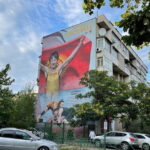
This is the heart of the experience. As you move along the main streets, you’re meant to notice the art that gives Bishkek its character: murals, urban designs, and the city’s visual storytelling.
The tour also highlights USSR mosaics. These aren’t random decorations. They connect to a major moment: public artwork made in the celebration of 100 years of the Kyrgyz Republic, linked to the era when the Russian Empire still shaped the region’s political and cultural landscape. Even if you don’t know the background, the guide’s role is to turn the art into a story you can actually understand.
Here’s what I like about this approach: instead of treating the mosaics and street art as separate categories, you learn how they coexist in the city. You see how layers of history show up on buildings and why some designs are remembered, while others feel more like a snapshot of the past.
You’ll also pass by parks and statues along the way, depending on the exact route. That helps the walk feel varied, not like a straight line of walls.
A heads-up on street-art expectations
If your mental image is constant graffiti or street murals at every turn, adjust your expectations a bit. Some reports mention there wasn’t as much street art as they hoped, while the stories and mosaic content still made the tour worthwhile. Think of this as a guided culture-and-symbol walk with street art as one ingredient.
Arts & Crafts Stops: Souvenir Shops With Meaning (Not Just Stuff)
One of the more practical parts of the tour is the souvenir component. You’ll be shown Kyrgyz culture souvenir shops while walking, and the idea is simple: if you like something unique, you can buy it on the spot.
This works well because you’re not browsing blindly. A guide can help you connect what you’re seeing with cultural values and local traditions. That makes purchases feel less random, more intentional.
You can also use the shop time to ask questions. Guides like Sofia and Alex are praised for being patient and responsive, which helps when you’re trying to understand what you’re holding in your hands—what it represents, what it’s made of, and why it matters.
A small caution: since food and drinks are not included, you might want to plan your energy. If you’re prone to getting tired on walks, carry water so shop stops don’t turn into a scramble.
How the Tour Connects Kyrgyz Nomadic Roots to Modern City Art
The tour is branded around Kyrgyz nomadic history, and you’ll feel that theme in how the guide explains traditions and celebrations. Even when you’re standing in front of modern-looking street art or older mosaics, you’re guided toward the idea that Kyrgyz culture didn’t disappear—it shifted into new forms and public expressions.
In the stories you hear, pay attention to how the guide frames cultural values and lifestyle. One theme in the feedback is that guides blend distant past and more recent changes, so you get a balanced view rather than a single timeline.
That balance is the real value here. You’re learning how identity forms—how people keep traditions alive, and how public spaces reflect that process. It turns Bishkek from a place you pass through into a place you can read.
Price and Time: Is $38 Fair for 3.5 Hours?
At $38 per person for about 3.5 hours, the value comes down to three things: a real local guide, a walking route that takes you through meaningful art areas, and time for questions plus shop stops.
If you’re the type who likes context—who wants to understand symbols, not just take pictures—this price usually feels fair. The included guide and structured stops help prevent the common problem in cities like this: wandering for hours without learning anything you’ll remember.
The main timing concern is that at least one report felt the experience ran closer to 2.5 hours. That doesn’t automatically mean you’ll get less, but it’s worth mentally allowing for a shorter duration if your group pace is quick or if the route is streamlined.
What you should consider before booking
If you’re mostly chasing street art photos, you might find the focus is more balanced toward mosaics and cultural storytelling. If you want history-meets-everyday-art explanations, you’ll likely feel like you got your money’s worth.
Who This Tour Fits Best (and Who Should Skip It)
This walk fits best if you’re curious and talk-friendly. The guides are praised for linking personal experiences with objective observations, and for answering questions. If you like asking why a symbol exists or how people live today, you’ll enjoy the pacing.
It’s also suitable for wheelchair access, which is a real plus. Because it’s still a walking tour, you’ll likely want to consider your own stamina, but the experience is described as wheelchair accessible.
Skip it if you have altitude sickness issues. And if you’re over 95 years old, it’s listed as not suitable. Also note the tour has a clear rule: no alcohol or drugs.
If you’re traveling with kids, the tour info doesn’t specify any age guidance. In that case, it’s a good idea to check with the provider directly to confirm whether the route and pacing work for your family.
Practical Tips Before You Go
Bring comfortable shoes and plan for a walk through central Bishkek. Since food and drinks aren’t included, think about timing meals around the tour.
If you want to buy souvenirs, keep a budget for it. The tour includes shop visits, and the whole point is that you can decide while the guide can help you judge what feels special and culturally grounded.
Finally, come with one or two questions you genuinely care about. Guides like Sofia and Alex are praised for making time for inquiries, so you’ll get more from the experience if you prompt the discussion.
Should You Book This Bishkek Street Art and Kyrgyz Nomadic History Walk?
I think it’s a strong booking choice if you want a quick, guided way to understand Bishkek’s visual culture. The combination of street art storytelling, USSR mosaics, and souvenir shop stops makes it more useful than a basic photo walk.
I’d be a little more cautious if you’re expecting nonstop street murals or a heavy concentration of graffiti-style art. Based on feedback, the mosaics and the historical explanations can be the bigger draw.
If you’re booking for your first day in Kyrgyzstan or your first day in Bishkek, this is exactly the kind of tour that helps you start off with context. You’ll finish with a clearer sense of what to look for on your own, and what to ask about next.
FAQ
FAQ
How long is the Bishkek Street Art & Kyrgyz Nomadic History tour?
The duration is 3.5 hours.
How much does the tour cost?
The price is $38 per person.
Where does the tour start?
The starting location is the Paramount Kyrgyz Republic Flag.
What languages are offered for the live guide?
The tour offers live guidance in English and Russian.
Is food or drinks included?
No. Food and drinks are not included.
Is health insurance included?
No. Health insurance is not included.
Is alcohol allowed on the tour?
No. Alcohol and drugs are not allowed.
Is the tour wheelchair accessible?
Yes, the tour is listed as wheelchair accessible.
Is the tour suitable for people with altitude sickness?
No, it is not suitable for people with altitude sickness.
Can I cancel for a refund?
Yes. Free cancellation is available up to 24 hours in advance for a full refund.