REVIEW · VALENCIA
Best Street Art in Valencia Walking Tour
Book on GetYourGuide →Operated by Tasting Valencia · Bookable on GetYourGuide
Valencia’s walls tell stories fast. This 2-hour street art walk makes you look past pretty murals: I love the hidden murals you won’t spot on your own, and I love how the guide connects the art to real artist stories and techniques. One possible drawback: you’ll do a fair amount of walking, and the CCCC museum stop isn’t available on Mondays.
You start at Torres de Serranos, right on the Plaza dels Furs side, then work through Ciutat Vella with a small group (max 10). Expect a guided focus on Valencia’s street scene, with plenty of time for photos and a stop at the CCCC museum (except Monday). The tour wraps up in Velluters at Plaça de la Botxa, where the scale of the murals changes the feel of the whole experience.
By the end, you won’t just recognize names like Escif or Hyuro—you’ll know what to look for: paste-up layers, stencils, and even yarn art. It’s a strong fit if you like art that has opinions, not just decoration. If you’re mainly after a casual photo stroll, this may feel a bit more like a focused lesson than a wander.
In This Review
- Key highlights you’ll actually care about
- Where the mural hunt starts: Torres de Serranos to Ciutat Vella
- Barrio del Carmen murals: spotting Escif, Hyuro, and the local scene
- Street-art techniques in plain sight: paste up, stencil, and yarn art
- CCCC museum stop for context (and why Mondays change the plan)
- Behind IVAM: where Escif’s scale hits you
- Velluters finale at Plaça de la Botxa: massive group murals
- Price, time, and group size: is $41 worth it?
- What to bring so you get great photos and comfortable steps
- Who should book this street art walking tour?
- Should you book the Best Street Art in Valencia Walking Tour?
- FAQ
- Where is the meeting point?
- How long is the Best Street Art in Valencia Walking Tour?
- How many people are in a group?
- What languages are offered?
- What’s included in the price?
- Is the CCCC museum included on all days?
- What should I bring?
- Are food and drinks included?
- Where does the tour finish?
Key highlights you’ll actually care about
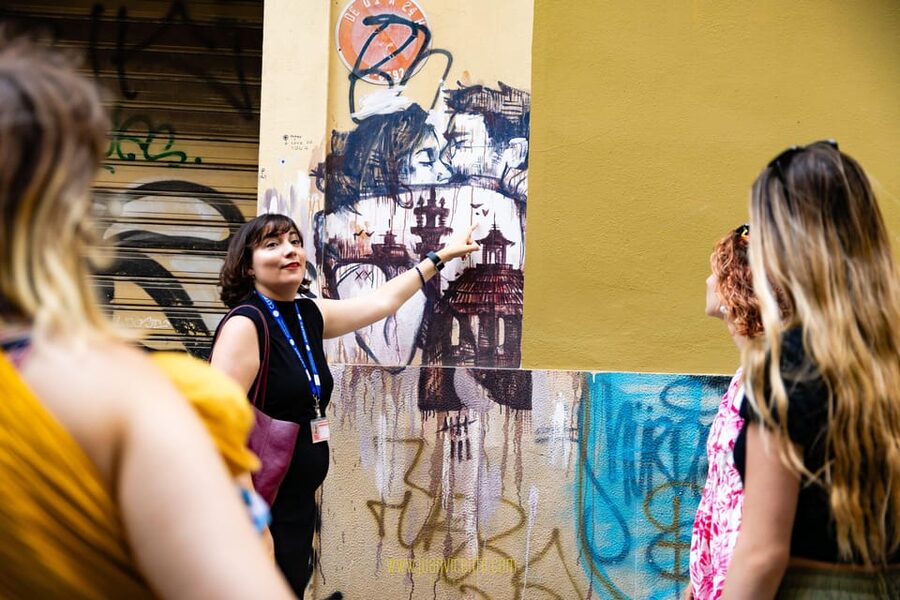
- Hidden murals near Torres de Serranos that you’re unlikely to find without a local expert
- Artist backstories tied to names such as David de Limón, Disneylexia, Deih, Hyuro, la Nena Wapa Wapa, Julieta XLF, and Escif
- Technique training: paste up, stencils, and yarn art, explained in a practical way
- CCCC museum visit for context on street art in Valencia (closed on Mondays)
- Big-wall finale in Velluters at Plaça de la Botxa, including massive work by a group of artists
- Small group format (10 max) so questions don’t get lost in the crowd
Where the mural hunt starts: Torres de Serranos to Ciutat Vella
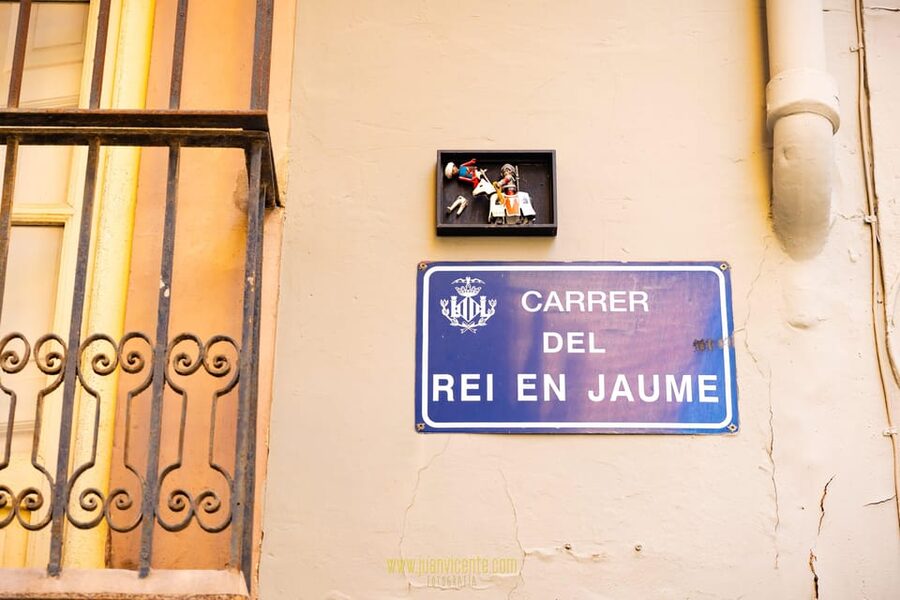
Your tour begins at Torres de Serranos on the side behind it, the Plaza dels Furs side. It’s a smart starting point because you’re already in Ciutat Vella’s visual “mix”: historic stone close to modern street layers. From step one, you’re not just walking into murals—you’re learning how to read a wall.
This is also where the expert guide matters most. Street art can look random at first glance, but the guide helps you spot recurring choices—composition, color blocks, recurring symbols, and how artists use walls as a public canvas. You’ll quickly learn the difference between a mural that’s meant to be found and one that’s meant to be stumbled into.
You’ll set the tone for the whole route in those first minutes. The tour is built so you’re comparing what you see against what the guide explains, instead of treating street art like decoration you either “get” or don’t get.
You can also read our reviews of more tours and experiences in Valencia.

Barrio del Carmen murals: spotting Escif, Hyuro, and the local scene
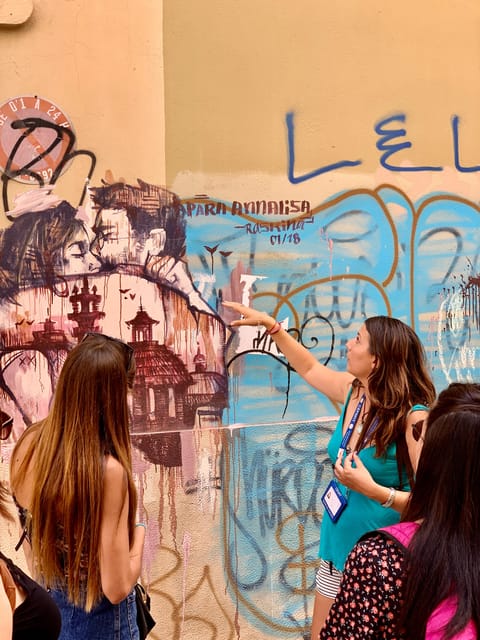
After Torres de Serranos, you move into Barrio del Carmen, where the vibe shifts from landmark views to neighborhood street walls. This part of the tour is where you’ll get the most of that feeling that Valencia has a second gallery tucked between normal street life.
One of the best parts is the way the guide threads in artist identities while you’re standing in front of the work. You’ll hear about artists such as David de Limón, Disneylexia, Deih, Hyuro, la Nena Wapa Wapa, Julieta XLF, and Escif. That matters because street art changes depending on who made it and what they’re trying to say—politics, identity, humor, or social commentary.
You’ll also be looking for “hidden murals” along the route—pieces that aren’t screaming from the main street. Practically, that means you’ll slow down, turn your head, and learn how to scan for details: the edges of buildings, side corridors, and walls tucked just out of the most obvious sightlines.
If you’re a photographer, this section is a good use of your time. The guide helps you position yourself for good shots and tells you what details to focus on (not just the whole wall). If you’re not a photographer, you’ll still benefit, because it forces your brain to actually register what’s on the wall.
Street-art techniques in plain sight: paste up, stencil, and yarn art
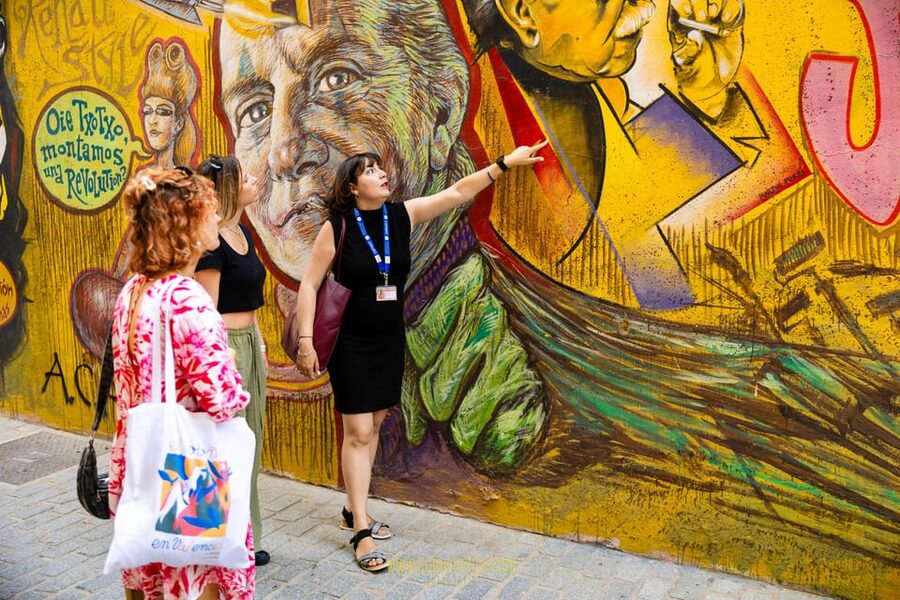
The tour doesn’t treat technique like art-school trivia. It uses technique as a shortcut to understanding meaning. When you learn how something is made, you start noticing the reasons behind the style.
You’ll cover three techniques in particular:
- Paste up: layered paper work that gives a collage feel and lets artists “install” images quickly
- stencil: crisp shapes and repeatable imagery, often used for strong messages
- Yarn art: texture and craft details that look almost handmade, even when the plan is bigger
Here’s why this is useful for you: once you know what tool an artist likely used, you can infer intent. A stencil-heavy piece often aims for impact and readability from a distance. Paste-ups often feel like interruptions—quick entries into the street. Yarn art tends to soften the harsh geometry of a wall by adding warmth and tactile presence.
The guide also helps you connect technique to the story of the artist—how the method fits the voice. That’s a key difference between seeing street art and understanding street art. You don’t need art theory. You just need a few practical labels—and then your eyes start doing the rest.
CCCC museum stop for context (and why Mondays change the plan)
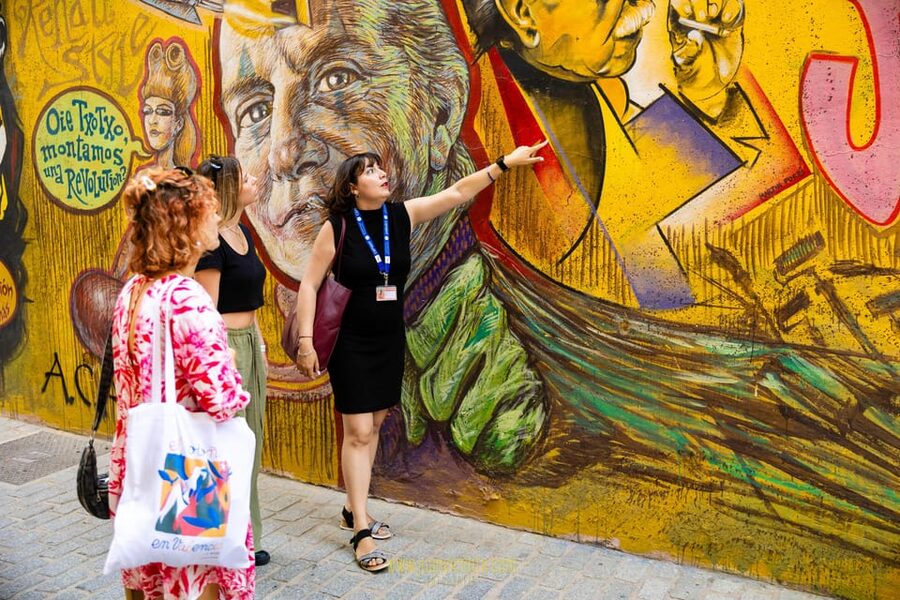
Midway through, you’ll visit the CCCC museum, designed to give you context for street art in Valencia. The big benefit here is that you’re not just learning “what’s on the walls.” You’re learning how street art developed, and why these artists choose this medium in the first place.
This stop is listed as part of the experience except Monday. That matters for planning your expectations: if your tour date falls on a Monday, you won’t get the same museum-side context. The street-walls learning still happens, but the formal history angle may be replaced or reduced.
If you want the most complete picture, think of the museum as the tour’s “why.” The streets are the “what.” Put together, it makes the murals more legible. Even if you’re not a museum person, this stop is worth it because it turns random walls into a coherent story—Valencia as a living street-art classroom.
And yes, it also helps your photos. When you see a museum piece and then walk past related street work, you’ll notice techniques and themes faster. It’s like giving your eyes a reference manual.
Behind IVAM: where Escif’s scale hits you
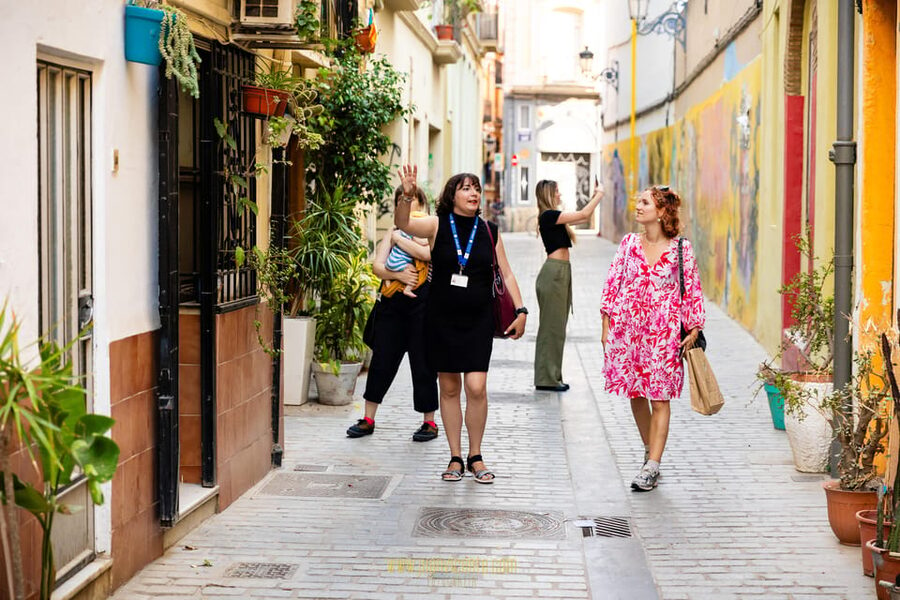
Next, you’ll head to the area behind IVAM, and this is where the murals start to feel more “serious in size.” You’ll see impressive work by Escif along with other artists in that area.
Why this section works: it changes your viewing distance. Some street art is made to read up close. Other work is about scale—how it changes the street you’re walking through. In the IVAM area, the murals can read like public statements rather than individual artworks.
The guide’s job here is to keep you from treating it like a wall of cool. You’ll learn what to look for in how the pieces are placed, how the imagery is structured, and how the artist’s style shows up in the final effect. You also get the social and political angle that makes street art feel alive, not just decorative.
So if you’re wondering whether street art tours are worth it when you already “see murals everywhere,” this is the part that helps you understand the difference. It’s not just presence. It’s interpretation.
Velluters finale at Plaça de la Botxa: massive group murals
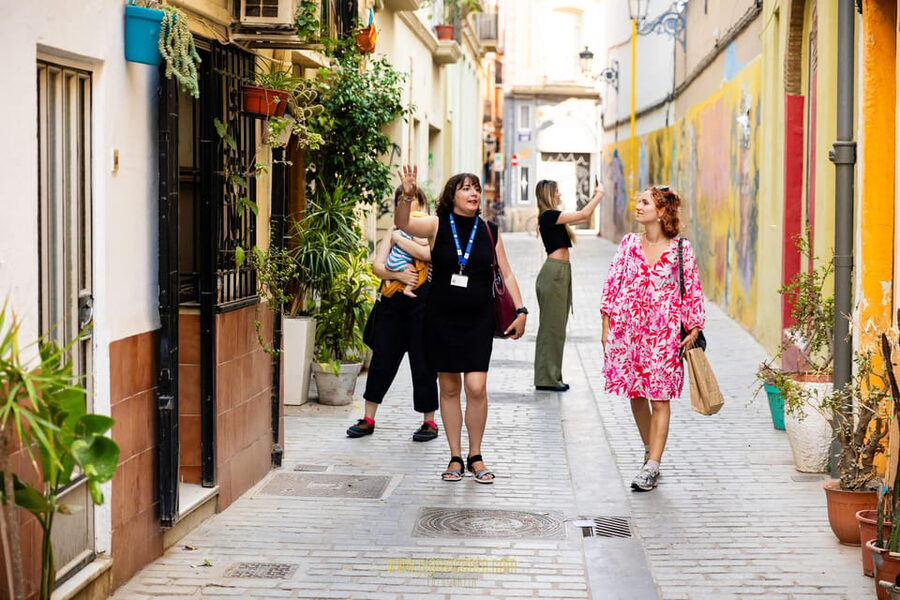
Your walk finishes in Velluters, arriving at Plaça de la Botxa in Ciutat Vella (46001). This last stretch is built for impact: massive murals made by a group of artists.
That group factor matters. Some street art feels like a single voice. A collaborative wall often feels more like a neighborhood conversation—multiple perspectives on the same public space. The guide’s explanations help you notice how individual styles can coexist without the wall feeling random.
This is also where I’d plan your last photos carefully. By now, you’ll have a sharper eye for technique and composition. That makes the final murals more satisfying because you’re not just capturing an image—you’re capturing what you now understand.
By the time you reach the finish point, you’ll feel like you learned a street-art “language.” That’s the best souvenir from a tour like this: not a postcard, but a way of seeing.
Price, time, and group size: is $41 worth it?
At $41 per person for a 2-hour tour, the value is pretty clear if you care about interpretation, not just sight-seeing.
You’re paying for:
- A certified street art expert guide who can explain murals and techniques
- A museum visit to the CCCC (except Monday)
- A document that shares the Instagram handles of the artists
- The chance to get better pictures because you’re guided on where to look and what to focus on
Where this pricing works especially well is the small-group format: limited to 10 participants. That keeps the experience personal, and it makes it easier to ask questions while you’re standing in front of a mural. If you’ve ever been stuck behind ten people on a “city highlights” tour, you’ll appreciate the difference immediately.
Is it overpriced if you only want casual walking? Probably. But if you want to build real street-art literacy in just two hours, it’s a solid use of time and money in Valencia.
One other practical note: no food or drinks are included. That’s normal for a walking tour, but you’ll want to plan a snack stop before or after. If you skip food during a 2-hour walk, you may end up focusing more on your stomach than the stencils.
What to bring so you get great photos and comfortable steps
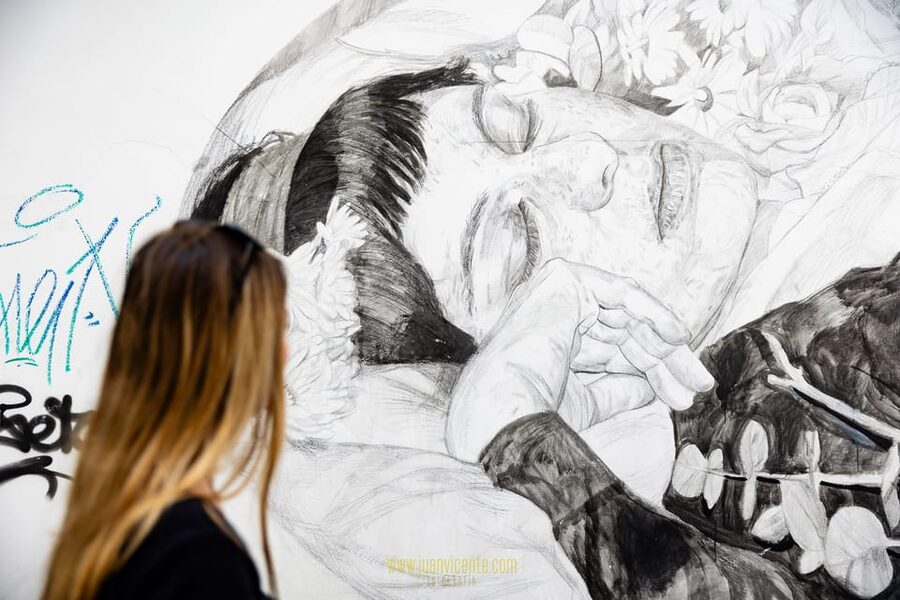
This tour is simple, but it’s physical. Bring comfortable shoes. You’ll be in neighborhoods with uneven sidewalks and lots of short stops.
For capturing murals, bring:
- A camera (or just use your charged smartphone)
- Your best daylight expectations, but also sunscreen
- A charged phone battery, because you’ll likely want to revisit details later
The guide also hands you a document with artist Instagram accounts, which is useful if you want to follow along after your trip and find more work by the same names you saw on the walls.
And because you’ll be moving between stops, dress for walking first. Fashion second. You’ll thank yourself when you’re taking your final photo at Plaça de la Botxa.
Who should book this street art walking tour?
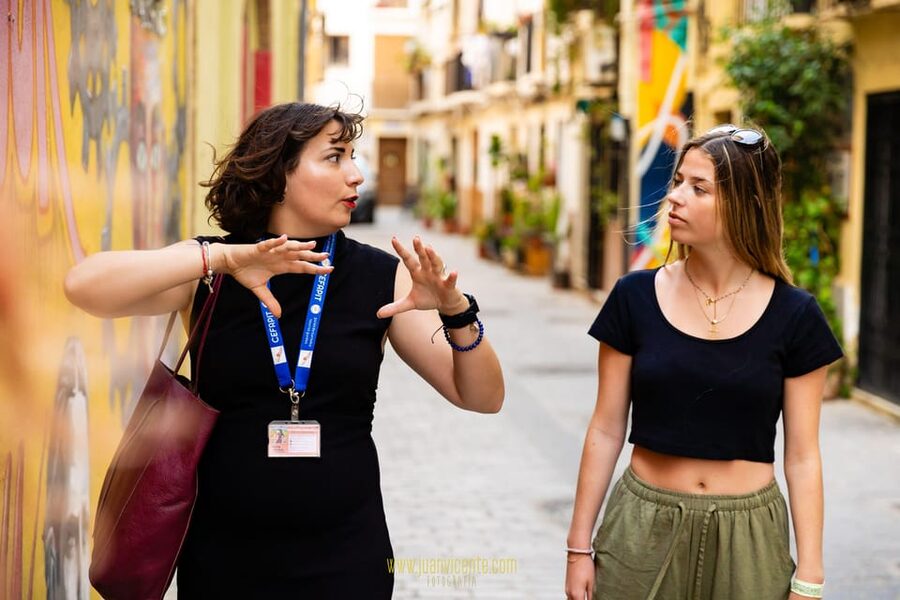
This tour fits best if you fall into one or more of these buckets:
- You’re a first-time visitor to Valencia who wants street art context, not just “look at that”
- You like political and social angles in art, not only decorative murals
- You want to learn how paste-ups, stencils, and yarn art work so you can recognize techniques later
- You enjoy guided photography where someone helps you see what’s worth framing
It also suits you if you’re traveling with limited time. Two hours is short enough to fit into a busy day, but long enough to cover Barrio del Carmen, a museum stop, and multiple mural-heavy areas.
Language-wise, the guide can run the tour in Spanish, English, French, and Catalan, so you should be able to match your comfort level without awkward translation gaps.
Should you book the Best Street Art in Valencia Walking Tour?
I’d book it if you want street art with context, technique, and real explanations. The format is built for learning: hidden murals, artist stories, a CCCC museum stop (except Mondays), and then a strong finishing wall experience in Velluters.
Skip it only if you’re after a fully free-form stroll with zero structure. This tour gives you a plan, and that’s the whole point.
If you want flexibility, there’s free cancellation up to 24 hours in advance and a reserve now, pay later option. That makes it easier to lock in the experience without stressing your schedule.
FAQ
Where is the meeting point?
You meet behind the Torres de Serranos, on the Plaza dels Furs side.
How long is the Best Street Art in Valencia Walking Tour?
The tour lasts 2 hours.
How many people are in a group?
The group is limited to 10 participants.
What languages are offered?
The tour guide offers Spanish, English, French, and Catalan.
What’s included in the price?
Included items are a certified tour guide, a document with the Instagram of the artists, a visit to the CCCC museum, and time for great pictures at the murals.
Is the CCCC museum included on all days?
The CCCC museum visit is included except on Monday.
What should I bring?
Bring comfortable shoes, a camera, sunscreen, comfortable clothes, and a charged smartphone.
Are food and drinks included?
No. Food and drinks are not included, but you can buy them during the tour.
Where does the tour finish?
The tour finishes at Plaça de la Botxa, Ciutat Vella, 46001 València, Valencia, España.