REVIEW · VALPARAISO
Valparaiso: Street Art, Funiculars and Port City Tour
Book on GetYourGuide →Operated by Still Travelling · Bookable on GetYourGuide
Color waits for you on Valparaiso’s hills. This tour blends street art with classic hill transport and bay views, so you get the city’s creative side without getting lost in the maze. You’ll start by the water, then climb through old neighborhoods where buildings, stairways, and passages tell stories.
I especially love the way this route mixes panoramic funicular rides with close-up street art. I also like the human side: chatting with local artists and getting restaurant and gallery ideas at the end. It’s a fun, guided “orientation plus” that helps you return later and recognize what you saw.
One possible drawback: the day includes stairs, sloped streets, and multiple funicular stops, so it’s not the best fit if you have mobility limits or tire easily.
In This Review
- Key Things to Know Before You Go
- Muelle Prat and the Port Bay Start That Gets You Oriented Fast
- Plaza Sotomayor: Where the Navy and Fire Station Put Valparaiso’s Story on Display
- El Peral Funicular: Panoramas Plus a Real Piece of Hill-Transport History
- Walking the Narrow Lanes for Street Art With Meaning (Not Just Color)
- Pasaje Gálvez Arte Callejero and the Famous Stairs You’ll Want to Photograph twice
- Alfajores and the Practical Treat Stop That Supports Local Business
- Paseo Yugoslavo and Cerro Alegre Views: Less Famous Than You Think
- Paseo Atkinson, British-Era Charm, and the German School Stops
- Pastor Theodor Schmidt Passage and Hotel Manoir Atkinson: Details Worth Slowing Down For
- Piano Staircase and the Hilltop Churches That Kept Communities Together
- Paseo Dimalow Views and the Route’s Finish at Ascensor Reina Victoria
- Price and Time: Is This Worth $41 for Two Hours?
- Who This Tour Fits Best (And Who Should Skip It)
- Should You Book This Valparaiso Street Art and Port Tour?
- FAQ
- Where does the tour start and where will the guide be waiting?
- How long is the Valparaiso Street Art, Funiculars and Port City Tour?
- What’s included in the price?
- Are funicular rides part of the tour?
- What languages are offered?
- Is this tour suitable for people with mobility impairments or pregnant travelers?
- What’s the price per person?
Key Things to Know Before You Go
- Prat Pier start near the two cannons, then port viewpoints right away
- El Peral funicular for early-20th-century hill transport and big panorama views
- Street art with context, including artist conversations and comparisons to older photos
- Cerro Alegre and Concepción highlights, from Pasaje Bavestrello to Calle 13’s Latinoamérica stairs
- Funicular tickets + alfajores included, so your money goes to the experience
Muelle Prat and the Port Bay Start That Gets You Oriented Fast
Your tour begins at Muelle Prat, around the two cannons near the Tourist Information Office. That first stop matters. Valparaiso is all hills and angles, and starting on the waterfront helps your brain map the city before you climb.
From the port area, you’ll get a guided look at the bay. It’s not just a pretty photo moment; you’re learning how the harbor connects to the city’s identity and why Valparaiso grew the way it did. Then you move inland, heading toward the historic center.
Plaza Sotomayor: Where the Navy and Fire Station Put Valparaiso’s Story on Display

Next up is Plaza Sotomayor, with time to focus on the big landmarks: the monument, the Fire Department building, and the Chilean Navy Headquarters. This isn’t a long stop, but it gives the tour a backbone.
The practical payoff: once you see these civic buildings, street art and neighborhood stories later feel more grounded. You start to notice how the city’s public life shaped what people painted on walls and how communities organized themselves over time.
El Peral Funicular: Panoramas Plus a Real Piece of Hill-Transport History
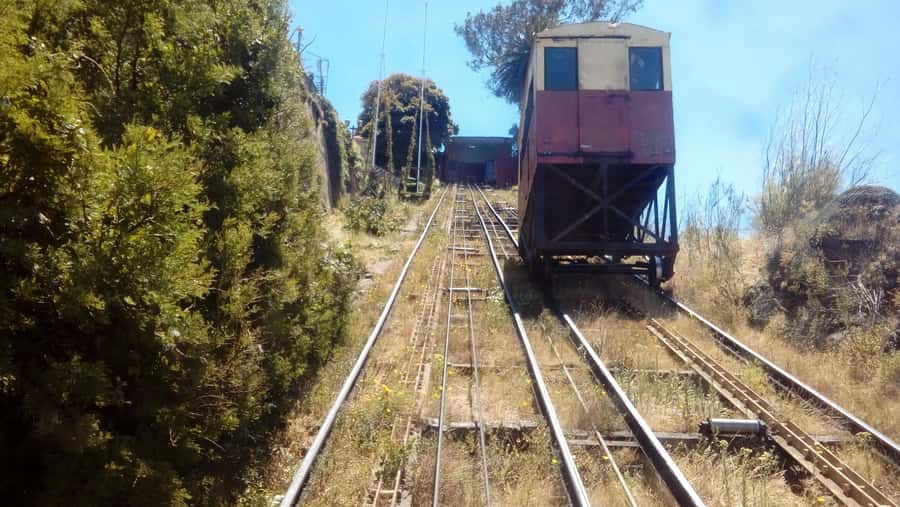
The heart of the experience is the funicular ride, especially Ascensor El Peral. You’ll take it to reach the hills, with guided commentary along the way. The funicular dates to the early 20th century, and you’ll feel that old-meets-modern rhythm as the city unfolds below you.
On this part, you’ll learn stories tied to Cerro Concepción and Cerro Alegre. This is where your guide’s role matters. People can walk past walls and call it art. With a guide, you start picking up what each hill means to local life, not just what it looks like.
Walking the Narrow Lanes for Street Art With Meaning (Not Just Color)
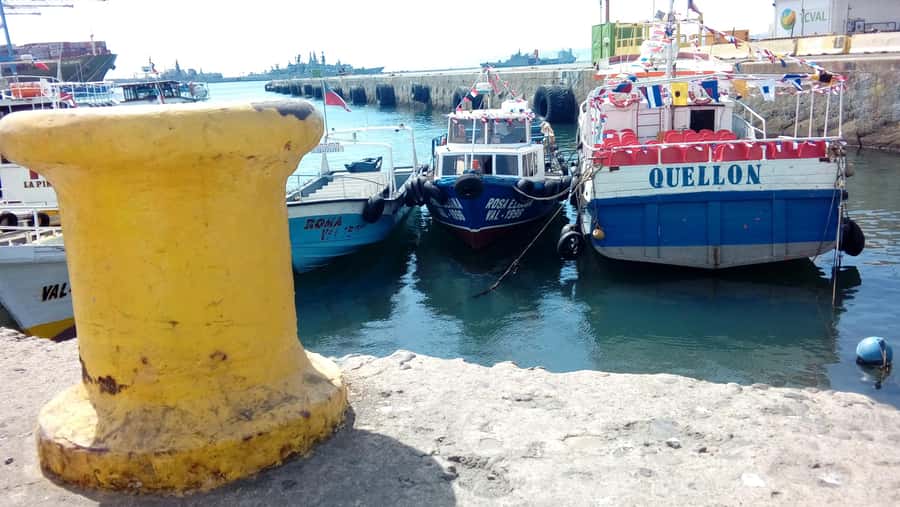
As you move through the narrow streets, the tour shifts from viewpoints to details. You’ll see street art, colonial houses, and public-space cultural interventions—exactly the kind of scene where it helps to have context.
What I like most is the emphasis on interpretation. Guides on this route are often praised for explaining what murals are saying socially and culturally, not treating graffiti like a postcard. Some guides also bring old photographs for comparison, which helps you see how faces, buildings, and neighborhoods have changed over time.
A second standout: the tour includes time built around meeting the art world “in the wild.” You’ll speak with local artists (and, depending on the day and route, you may also pass workshops and galleries). That turns the art from decoration into something closer to community conversation.
Pasaje Gálvez Arte Callejero and the Famous Stairs You’ll Want to Photograph twice
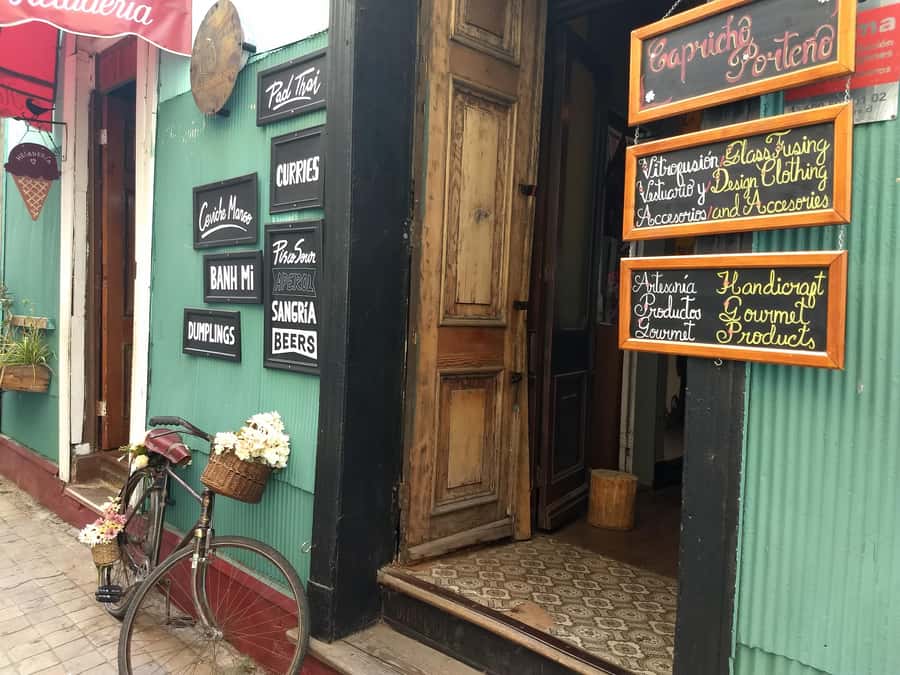
One of the street-art-focused stops is Pasaje Gálvez Arte Callejero Valparaíso. You’ll get a guided walk here, with extra attention on the murals and the messages behind them.
Then you’ll head through Cerro Alegre landmarks, including Pasaje Bavestrello (often noted for its Italian heritage). It’s the kind of lane where you can see how immigrant communities contributed to neighborhood identity, and then later you’ll spot how that history shows up in public art.
One of the most fun photo moments is the stairs linked to the song Latinoamérica by Calle 13. They’re instantly recognizable in the city—and seeing them as a guided stop makes them more than just a landmark. You learn why that pop-culture mark fits the larger Valparaiso story: art here doesn’t stay in museums.
Alfajores and the Practical Treat Stop That Supports Local Business
Between street corners and stairways, the tour includes a snack: alfajores. These are Chilean cookies sandwich-style (often made with dulce filling), and you’ll try one made by local people.
This is a small thing, but it’s smart. You’re walking the whole time, and you’re not just sightseeing—you need a quick, local energy boost. Also, since the alfajores are part of the included value, you’re less likely to lose time hunting for food mid-route.
You’ll also pass spots where you can buy souvenirs and small crafts—magnets, jewelry, art prints, and other items. The guidance here is helpful if you want to browse without getting overwhelmed.
Paseo Yugoslavo and Cerro Alegre Views: Less Famous Than You Think
Paseo Yugoslavo is one of those stops that feels like it belongs to the hill neighborhoods rather than the “main road” version of Valparaiso. You’ll explore it with narration for about fifteen minutes, while enjoying the way the viewpoint frames the city.
This is the part of the tour that often feels like a breather. You get to look out, then step back into the streets to keep going. If you’re doing Valparaiso for the first time, this pacing helps you avoid the classic mistake: sprinting for photos and missing the city’s texture.
Paseo Atkinson, British-Era Charm, and the German School Stops

As the tour continues, you’ll reach Paseo Atkinson in Cerro Alegre. This is where the city’s European influences get very obvious. You’ll learn about the British heritage and see houses and gardens that reflect that old-world style.
Then come the education-and-identity stops. You’ll pass the Deutsche Schule of Valparaíso (German College), which helps connect the architecture you see to the communities that built it.
You may also stop near places like Brighton Restaurant, which is described as offering panoramic views from its terrace. Even if you don’t eat there, it’s a useful reference point for your own later meal plans.
Pastor Theodor Schmidt Passage and Hotel Manoir Atkinson: Details Worth Slowing Down For
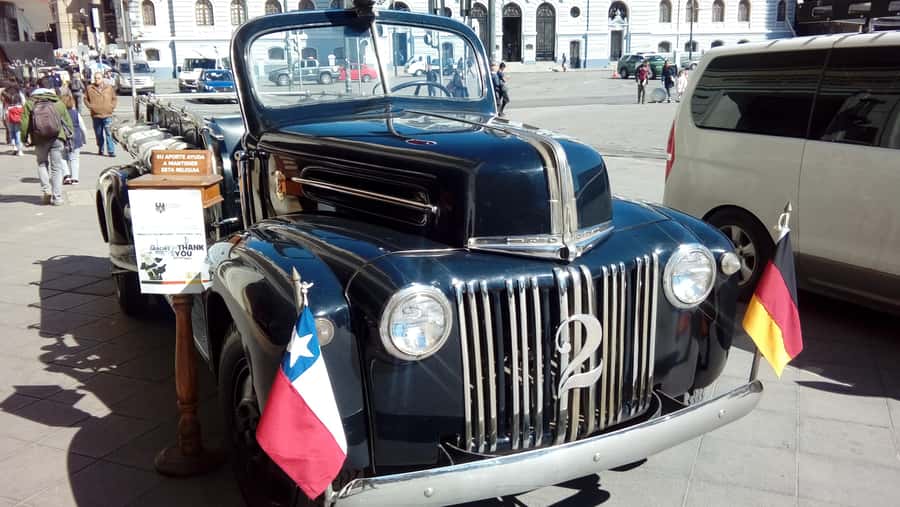
Two small-but-interesting stops show up around this area.
First is Pastor Theodor Schmidt passage, which commemorates the German pastor associated with managing the Lutheran Church. It’s quick, but it adds another layer: the hills weren’t only shaped by immigrants in a general sense. Specific people left fingerprints on community institutions.
Next is Hotel Manoir Atkinson, described with notes about wall techniques used to resist environmental conditions across seasons. That kind of detail matters in Valparaiso, where weather and sea air can be hard on buildings. It’s also a reminder that street art and architecture live in the same reality.
Piano Staircase and the Hilltop Churches That Kept Communities Together
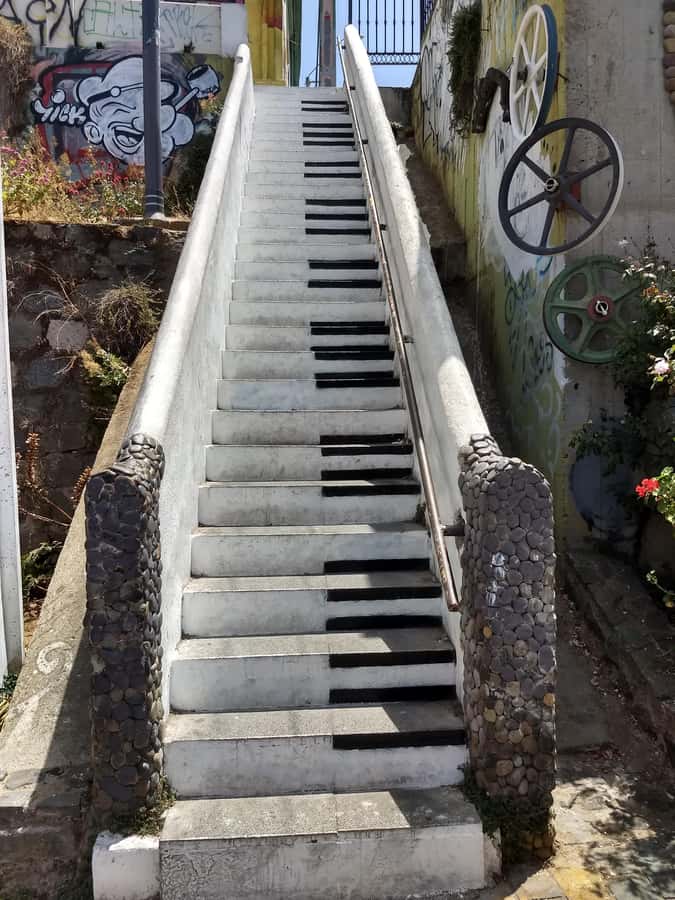
The tour includes the famous Piano Staircase, a playful spectacle that doubles as a memorable way to experience the hill geometry. You’re not just looking—you’re using it like a landmark in your internal map of Cerro Alegre.
Then you’ll shift to the churches that shaped life up on the hills. You’ll visit:
- Lutheran Church of the Holy Cross (1897)
- Anglican Saint Paul Cathedral
These stops help you understand why the city’s early settlement pattern mattered. When you see where worship communities formed, the surrounding streets and public spaces feel less random.
Paseo Dimalow Views and the Route’s Finish at Ascensor Reina Victoria
Near the end, you’ll walk Paseo Dimalow for hill views and practical context, including where restaurants cluster nearby. This is the “help you use the rest of your day” part of the tour, and it’s one reason it’s popular with first-timers.
Finally, you’ll end at Ascensor Reina Victoria. Ending at another funicular point is smart because you’re handed a natural pivot: from there, it’s easier to continue exploring based on what you want next.
Your guide should also point you back toward the starting area when needed, and offer lunch or dinner suggestions based on what you’re in the mood for.
Price and Time: Is This Worth $41 for Two Hours?
At $41 per person for about two hours, this is priced like a value-heavy orientation tour. Here’s what you’re getting that justifies the cost:
- Funicular tickets are included (important in Valparaiso, where hill transport costs add up quickly).
- Alfajores are included, so you’re not paying extra for a basic snack.
- You get guided interpretation for the street art, plus a structured route across multiple hills and major landmarks.
What’s not included is simple: additional food and drinks. So if you want lunch on the spot, plan to pay for it yourself.
In terms of effort, you’re doing walking plus funicular use. That said, reviews highlight that the route is planned so it doesn’t feel like a hard workout. Guides like Alex and Benjamin are frequently praised for keeping a steady pace and being patient with the group.
Who This Tour Fits Best (And Who Should Skip It)
This tour works best if you want:
- A safe, calm way to see the main Valparaiso highlights on a short schedule
- Street art explained with social and cultural context
- A funicular-and-hills route that’s hard to self-design on your own in a day
It’s also great for families when the pacing is adjusted. Some reviews mention doing it with a family group that included autism, with strong recommendations.
But it’s not suitable for:
- Pregnant women
- People with mobility impairments
- People with altitude sickness
If any of those apply, you’ll need a different plan or a more accessible route.
Should You Book This Valparaiso Street Art and Port Tour?
I’d book it if you’re trying to get your bearings fast and you care about more than just pretty walls. The mix of port history, funicular views, and street art meaning is exactly the combo that makes Valparaiso click.
I’d skip it if you want a long, slow wander with unlimited stops, or if you can’t handle hills and stairs comfortably. In those cases, you might prefer a smaller custom plan or a strictly flat-area option.
Bottom line: for two hours and $41, this is a smart way to experience Valparaiso’s creative energy while still understanding what you’re seeing.
FAQ
Where does the tour start and where will the guide be waiting?
The tour meets at Muelle Prat (Prat Pier), around the two cannons near the Tourist Information Office.
How long is the Valparaiso Street Art, Funiculars and Port City Tour?
The tour lasts 2 hours.
What’s included in the price?
The price includes entry tickets to the funiculars and alfajores.
Are funicular rides part of the tour?
Yes. The tour includes funicular use, including El Peral and also other funicular stops during the walk route.
What languages are offered?
The live tour guide offers English, Chinese, French, and Portuguese.
Is this tour suitable for people with mobility impairments or pregnant travelers?
No. It is listed as not suitable for pregnant women and for people with mobility impairments.
What’s the price per person?
The price is $41 per person.