REVIEW · CALI COLOMBIA
Shared Tour Cali’s Salsa, Graffiti & Resistance Experience
Book on GetYourGuide →Operated by Beyond Colombia · Bookable on GetYourGuide
Cali turns salsa into a street protest. This 150-minute shared tour in Valle del Cauca uses salsa and resistance to explain why Cali’s music scene is more than nightlife—it’s social memory on the wall and in the rhythm. You start at Plazoleta Jairo Varela (look for the red umbrellas) and walk through key corners where the city’s popular culture speaks loud.
I especially like how the guide connects the beats to deeper roots: African emancipation, Caribbean beginnings, and later the New York definition of salsa. I also love the stop-by-stop mix of murals and street scenes, which makes the story feel grounded, not like a lecture.
One consideration: this is a walking tour that covers about 8 km, and it’s not suitable for wheelchair users. Also, drinks and food aren’t included, so you’ll want to budget a snack or plan a salsa-bar drink after the walk.
What makes this tour click for most people
- A “music + movement” story: You learn how salsa became part of the cultura popular and a way to talk back to unfairness.
- Murals as your guideposts: Street art characters and activist messages show up right next to the salsa references.
- Real-city pacing: You get rests and listening stops, but it still feels like a proper city walk.
- Guides who tell stories, not just facts: Guides like Christian, Cristian, and Cris come through as animated storytellers.
- Good local night-planning payoff: You leave knowing where to go for cult salsa bars.
- Budget-friendly for what you get: At $13, you get an expert-led route plus recommendations—without entrances or transit costs.
In This Review
- Why Salsa in Cali Feels Political (Even When You Just Came for Dance)
- Meeting Under Red Umbrellas and Getting Set for the Walk
- Plazoleta de la Caleñidad: Pride You Can Point To
- Calle del Pecado: Where Rhythm Meets Street Life
- The Curve of the River Boulevard: Feeling the City’s Flow
- World Cup Tunnel and 5th Avenue: Music in Concrete
- N21 Victims Monument and Graffiti Memory: Resistance You Can See
- Cult Salsa Bars: Leaving With Night Plans That Make Sense
- Price and Value: Why $13 Works Here
- Who Should Book This Tour (and Who Might Not Love It)
- Booking Checklist: Make It Easy on Yourself
- Should You Book the Cali Salsa, Graffiti & Resistance Experience?
- FAQ
- How long is the Cali Salsa, Graffiti & Resistance experience?
- What does the tour cost?
- Where do I meet the guide?
- What languages are offered on the tour?
- Do I need to bring anything?
- Is food or drinks included?
- Is there transportation included during the tour?
- Is the tour wheelchair accessible?
Why Salsa in Cali Feels Political (Even When You Just Came for Dance)
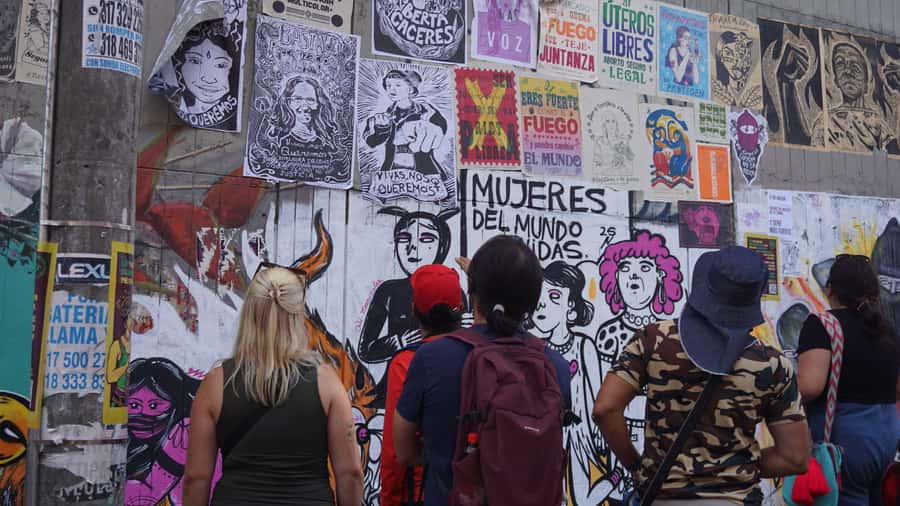
Cali has a reputation for salsa technique and nonstop music, and that’s real. But this tour nudges you to hear something else underneath the fun: the way salsa carries people’s hopes, heartbreaks, and arguments with power.
You’ll get the history in a way that sticks. The guide frames salsa as a historical process tied to African emancipation, then shows how the music traveled through Caribbean Antilles roots, grew through musical mixing, and later took on a strong identity via New York. Then the focus turns to Cali, especially the boom years between the 60s and 80s, when salsa became a major cultural force.
Here’s the practical value: once you understand salsa as part of “cultura popular,” the lyrics you hear at night stop sounding random. They become messages—about revolution, loves that go wrong, and real historical events. That changes how you experience the city after the tour, because you’re no longer only watching dancers. You’re reading the vibe as a social language.
Meeting Under Red Umbrellas and Getting Set for the Walk
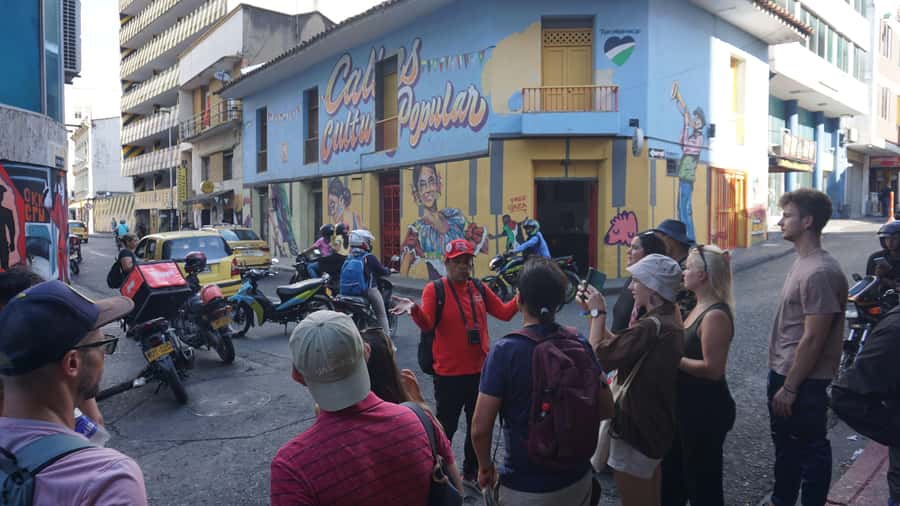
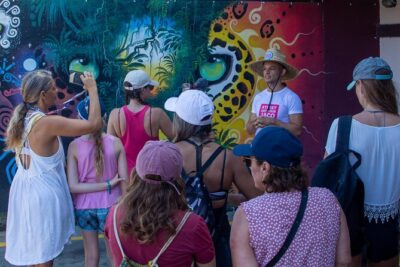
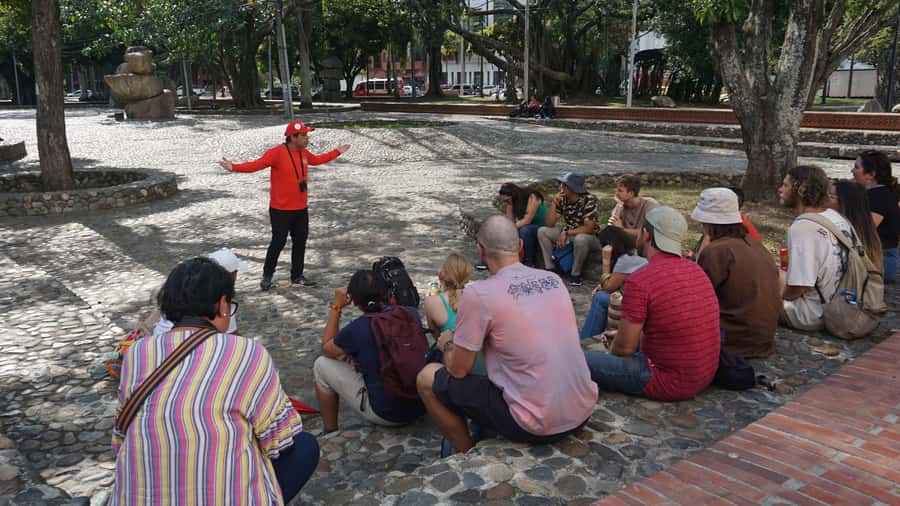
You’ll meet at Plazoleta Jairo Varela, right where you can spot the guides holding red umbrellas. The tour is about 150 minutes, and you should plan on walking around 8 km, with listening stops along the way.
Languages are Spanish and English, and there’s an optional audio guide in Spanish if you want extra support. You’ll also want to bring the basics: comfortable shoes, a camera, and water (they’re clear that thirst can sneak up on you on a walking route).
This matters because it affects how enjoyable the tour feels. If your shoes are wrong, the story part suffers. If you’re hydrated, you can actually stay present at the murals instead of rushing to “get to the next stop.”
One more heads-up: it’s a shared tour, so you’ll likely meet new people. That can add energy, but it’s still not a private deep-dive. Plan to move with the group and let the guide steer.
Plazoleta de la Caleñidad: Pride You Can Point To
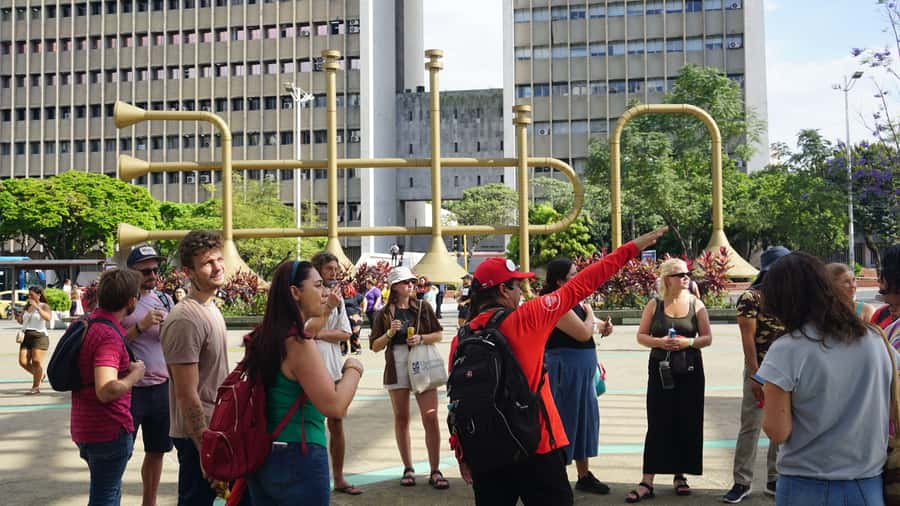
One of the route’s anchor stops is Plazoleta de la Caleñidad. This is the kind of place where Cali’s identity becomes physical—less abstract “city vibes,” more like you’re stepping into a neighborhood statement.
On this tour, the guide uses spots like this to set the theme: salsa isn’t only art for stage lights. It’s tied to everyday life and to how people organize socially. You’ll hear how salsa fits inside cultura popular, meaning it belongs to the people first, not as a museum piece.
If you’re the type who likes a strong starting point, this stop delivers. You get context before you start staring at walls for clues.
Calle del Pecado: Where Rhythm Meets Street Life
Next up is Calle del Pecado, often framed as the street of flavor. The label is playful, but the tour keeps it grounded by linking nightlife energy to identity.
Here’s what I like about this placement. You’re not just told to enjoy the mood—you’re taught how to read the street as part of a living tradition. Salsa is romantic, folkloric, and revolutionary at the same time, and the “flavor” label helps you understand why. It’s a place where the city’s energy shows up right in the open.
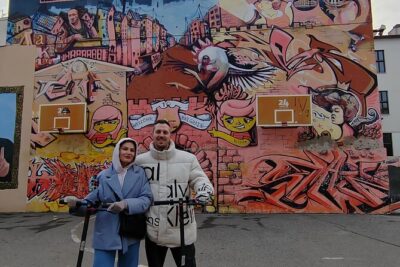
Practical angle: this is a good moment to notice what you’re photographing. You’ll want to capture street art details and the faces that seem to “talk” to you from the walls.
The Curve of the River Boulevard: Feeling the City’s Flow
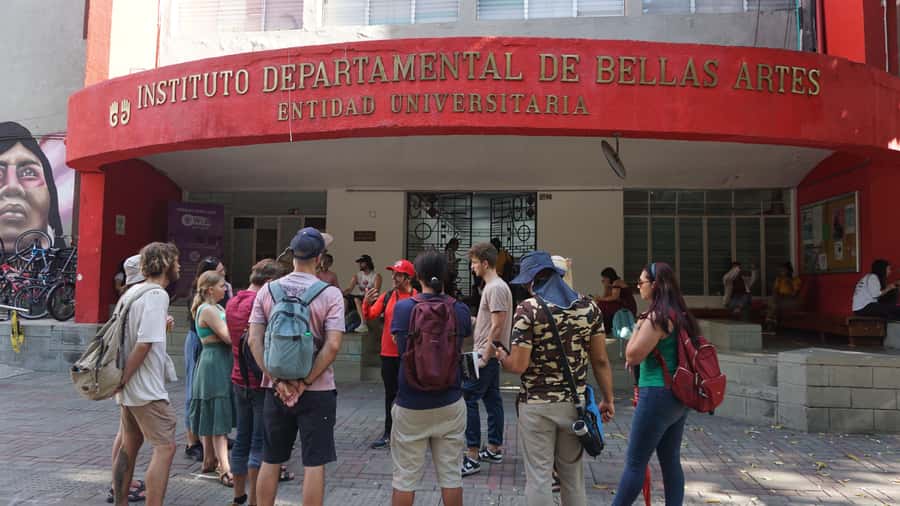
The tour includes the Curve of the River Boulevard. It’s a stretch where the city’s movement becomes obvious—literally in the way the promenade curves and in the way people gather.
The guide uses this kind of street geometry as more than a background. The goal is to help you sense Cali’s flow as a cultural rhythm, then connect that flow back to salsa’s style and social function.
This is also where you’ll feel the tour’s pacing. If you’re expecting a nonstop sprint, this route won’t be that. It’s built for stops, listening, and absorbing visuals so the history lands while your feet still remember the route.
World Cup Tunnel and 5th Avenue: Music in Concrete
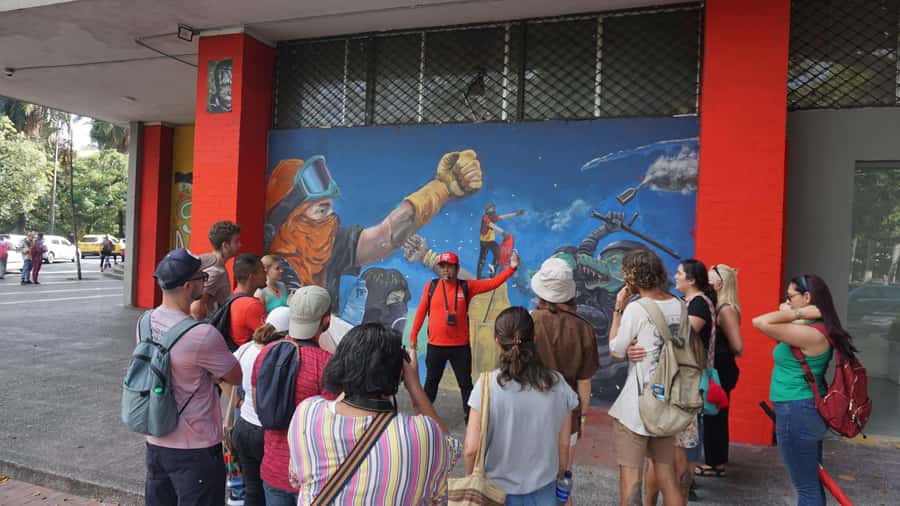
You’ll also pass through the World Cup Tunnel and 5th Avenue. These stops work because they show how sound and memory travel through city infrastructure—music doesn’t live in a classroom. It lives in streets, in echoes, and in the way people move through places.
This is where the tour’s “resistance” theme becomes easier to accept emotionally. The guide can point out that activism and solidarity struggles aren’t separate from art. They often use the same tools: rhythm, lyrics, public imagery.
If you’re the kind of person who needs a story to make architecture meaningful, you’ll probably appreciate these stops. They turn concrete into context.
N21 Victims Monument and Graffiti Memory: Resistance You Can See
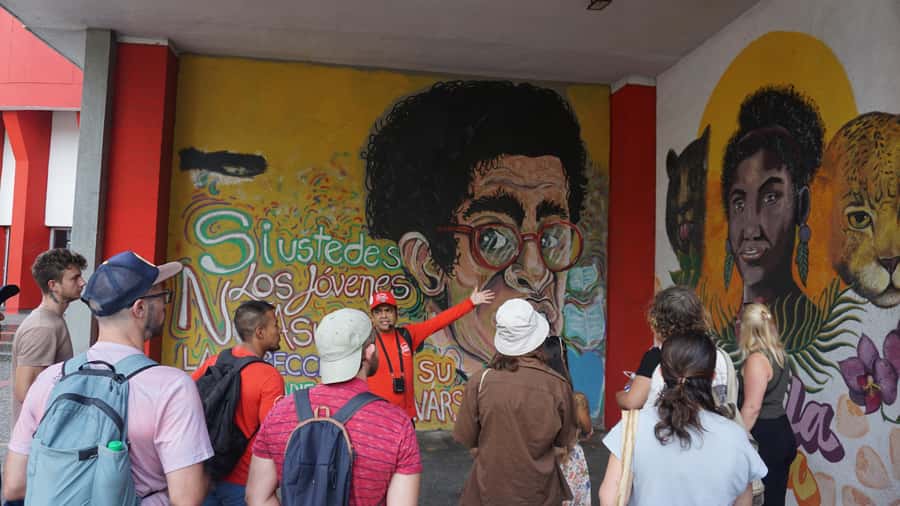
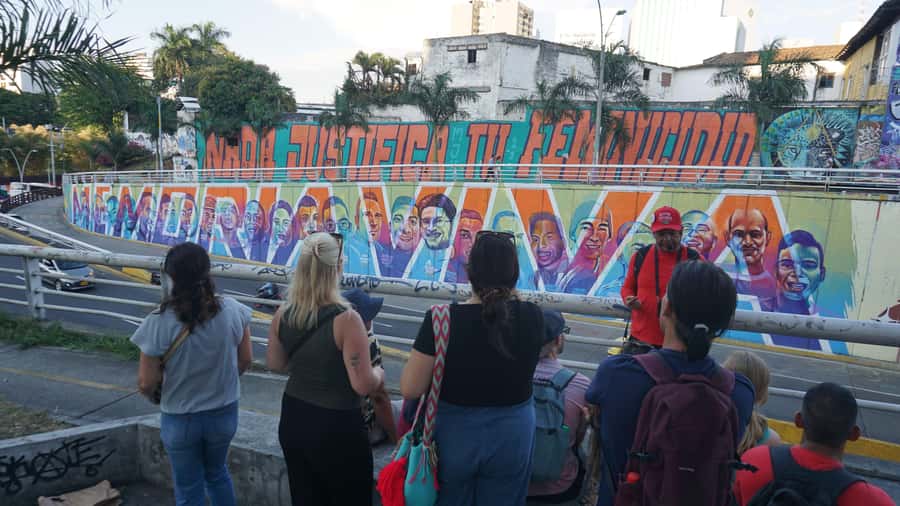
One of the most pointed parts of the route is the graffiti monument to victims N21. This is where the tour’s title stops being marketing and becomes instruction: you’re learning to connect salsa’s cultural role with the wider social struggles that show up as activist messages.
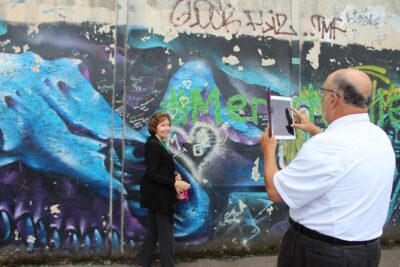
What I like here is the contrast. The tour doesn’t keep everything in the “happy music” lane. It shows you salsa characters painted as tributes to musical and social contributions, and it places you close to more radical and activist messages from other movements linked to popular struggle.
That juxtaposition is the whole point. Cali’s creative scene isn’t only celebrating. It’s also remembering, mourning, and pushing back.
If you want a camera moment, this is it. And if you’re sensitive to heavier subject matter, take your time here. You’ll get more out of slowing down than rushing for the next photo.
Cult Salsa Bars: Leaving With Night Plans That Make Sense
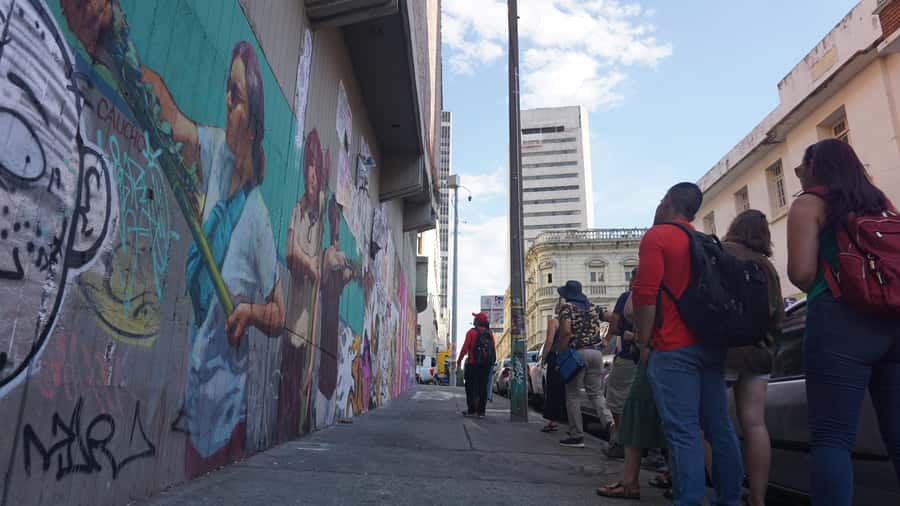
The tour doesn’t end at the final mural and send you into the night blind. It includes recommendations of cult salsa bars, so you know where your new context can turn into a real evening.
This part is practical value, not just sightseeing. Once you’ve heard salsa framed as a social legacy, going to a bar feels different. You can listen for what the lyrics and the crowd energy might be saying beyond entertainment.
Also, because you’re on a walking schedule, you’ll likely still have energy. The best time to follow the guide’s bar ideas is soon after the tour, when the history is fresh and you’re still noticing references.
A small note: drinks and food aren’t included. So think of this as guidance toward good places to spend your own money wisely, not a free meal.
Price and Value: Why $13 Works Here
At $13 per person for about 150 minutes, this tour is priced like a budget-friendly way to upgrade your understanding of Cali. Here’s the value logic that makes sense:
- You get a professional Beyond Colombia guide with accurate knowledge of salsa history and the link to cultura popular.
- You get a planned route that includes representative salsa movements, murals, and key urban-art stops.
- You get recommendations for cult salsa bars, plus partner discounts if you show the Free Walking Tour Map via their linktree.
- You avoid common money traps: there are no entrance-ticket charges built into the route, and you aren’t hit with random add-ons on the way.
- You’re not paying for transport on the tour itself, which keeps costs low and also keeps you walking through the city like a local.
The main “cost” is effort. You’re walking around 8 km. But for $13, that’s not a bad trade if you show up with water and comfortable shoes.
Who Should Book This Tour (and Who Might Not Love It)
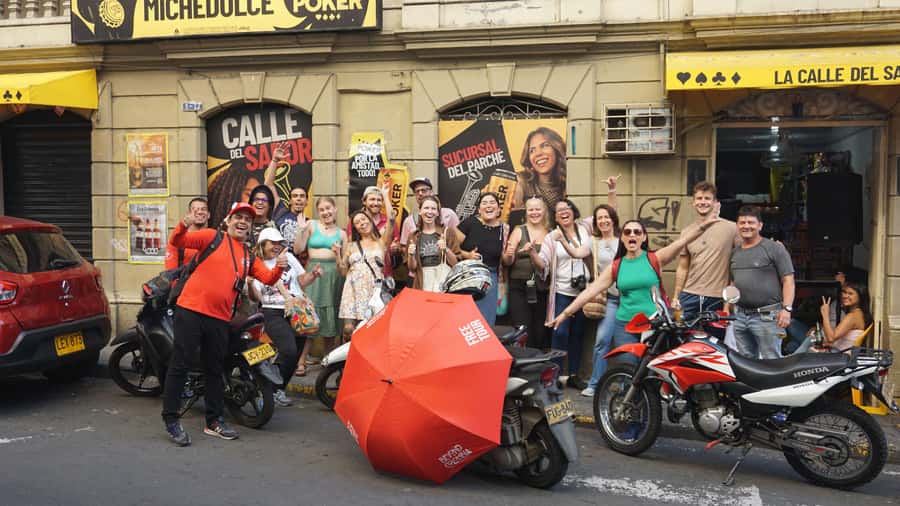
This experience fits best if you want your Cali to feel earned—not only photographed and posted, but understood.
Great match:
- You like street art, murals, and public creative expression.
- You’re a music fan who wants the “why” behind the sound.
- You enjoy stories that connect culture to social movements, not just dates and names.
- You want help planning a salsa night afterward.
Less ideal:
- If you want a mostly seated experience or easy strolling, the 8 km walking may wear you down.
- If you use a wheelchair, this route isn’t suitable.
- If you only want dance instruction and nothing about social history, you might feel like the tour is more about context than lessons.
Booking Checklist: Make It Easy on Yourself
Before you go, do these small things and you’ll enjoy the whole experience more:
- Wear shoes you can walk in for a long stretch.
- Pack water. Don’t treat hydration like optional.
- Bring your camera for murals and street scenes.
- Go in with an open mind. The tour asks you to understand history and resistance through salsa, not just through entertainment.
And if you’re booking in a flexible window, you can take advantage of the option to reserve now & pay later, with free cancellation up to 24 hours for a full refund.
Should You Book the Cali Salsa, Graffiti & Resistance Experience?
If you’re in Cali and you want more than a salsa show, book this. It’s one of the smartest ways to connect the music you’ll hear at night with the walls you’ll see in daylight. The best part is the guide style—people like Christian, Cristian, and Cris come across as animated storytellers, and that energy matters when you’re walking and learning at the same time.
Only skip it if you’re not ready for a real walking route or you’re expecting a light, dance-only tour. Otherwise, for $13, you’re getting a lot: history with street art, social context that changes how you listen, and solid leads for where to go after the walk.
FAQ
How long is the Cali Salsa, Graffiti & Resistance experience?
It lasts about 150 minutes (roughly 2 hours).
What does the tour cost?
The price is $13 per person.
Where do I meet the guide?
Meet at Plazoleta Jairo Varela. Look for the guides with red umbrellas.
What languages are offered on the tour?
The live guide is available in Spanish and English. There’s also an optional Spanish audio guide.
Do I need to bring anything?
Yes. Bring comfortable shoes, a camera, and water (you’ll be walking about 8 km).
Is food or drinks included?
No. Drinks, food, and souvenirs are not included.
Is there transportation included during the tour?
No. You’ll walk and take resting stops, and transportation to/from your hotel is not included.
Is the tour wheelchair accessible?
No. It is not suitable for wheelchair users.