REVIEW · PALERMO
Palermo: Street Art and Urban Life Walk
Book on GetYourGuide →Operated by Epic Sicily Srl · Bookable on GetYourGuide
Street art is the best shortcut to Palermo’s mindset. This 3-hour walk brings you through Vucciria and the Kalsa before a tram to Sperone, where big-name mural artists like TVBoy and Millo show up on real neighborhood walls. I like that the guide team (Elena is a standout) connects what you see to daily life and the city’s harder backstory, including politics and mafia history. The main drawback: if you want cathedral-level landmark focus, this is not that kind of tour.
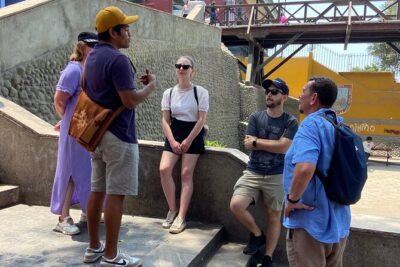
Here’s the deal: you’re not getting a lecture in a museum. You’re moving on foot and by tram, with a local guide specialized in street art and urban culture, plus an artisanal gelato tasting built in. It’s a small group (limited to 10), and you can go in with comfortable shoes and a camera and leave with a sharper sense of how Palermo changes, block by block.
In This Review
- Key things to know before you go
- A street-art walk that hits markets, calm corners, and big murals
- Meeting in Vucciria and using Via Argenteria as your anchor
- Vucciria to the Kalsa: shutters, murals, and everyday urban scenes
- The tram ride to Sperone: why moving matters for street art
- Sperone’s big contemporary murals: Igor Scalisi Palminteri, Rosk & Loste, Medianeras, Millo
- The final legs: turning street art into a full Palermo picture
- Gelato, small group size, and the value of a 3-hour plan
- Who should book this tour (and who may want a different one)
- Tips for photos, heat, and respectful street-level viewing
- Should you book this Palermo street art and urban life walk?
- FAQ
- Where does the tour start?
- How long is the street art walk in Palermo?
- How much does it cost?
- What’s included in the price?
- What is not included?
- What languages are available for the live guide?
- Is the tour wheelchair accessible?
- How big is the group?
Key things to know before you go
- You’ll cover neighborhoods, not just murals: market energy, calmer residential streets, then the stronger visual punch of Sperone.
- You ride a tram to the city’s more creative outskirts, so the art doesn’t feel stuck in one postcard area.
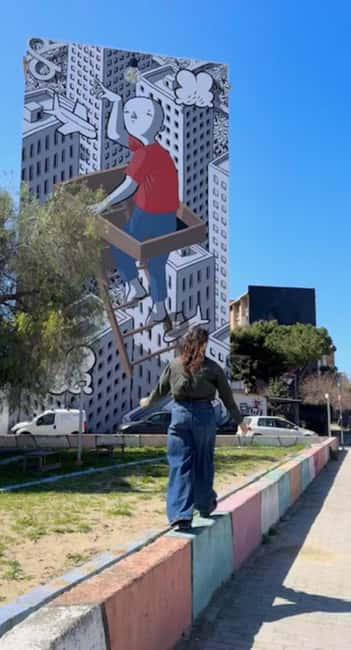
- You’ll see named artists on-site like TVBoy, Igor Scalisi Palminteri, Millo, and more.
- You get local context from Elena-style guiding with city history woven into what the walls are saying.
- Gelato is included, which makes this a friendlier 3-hour block than a straight walking-only tour.
A street-art walk that hits markets, calm corners, and big murals
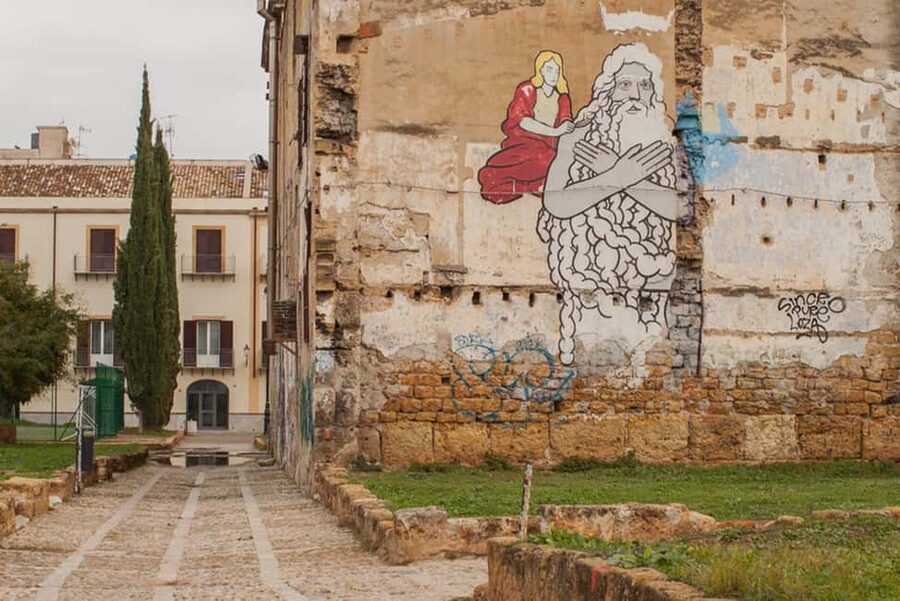
Palermo has a way of turning the everyday into the message. This tour leans into that. You’ll watch street art sit right inside neighborhood life—next to shops, shutters, and regular people moving through their day.
What I like most is that it’s not treated as a side show. The guide explains why certain pieces appear where they do, and what they can signal about identity, hope, and social change. You’re also not locked into a single art “theme,” because the route bounces between different kinds of streets and different moods.
Just know the tour is built for street art and urban culture, not for classic sight-by-sight history. If your dream day is forking off only toward monuments and ornate churches, you may feel like you’re missing a chunk.
Meeting in Vucciria and using Via Argenteria as your anchor
You’ll start at the operator’s base in Vucciria, at Epic home on Via Argenteria 20. That’s a useful detail, because Vucciria is part of why this tour works: you begin in an area where the city’s rhythm is already on display.
From there, the pacing makes sense. You start with walking so you can get your bearings on street-level details, then you switch to tram travel when the route needs distance. In other words, you’re not spending the whole 3 hours with your legs fighting for survival—good if you’re also planning more walking later in Palermo.
If you’re arriving that day from a longer transfer, plan to keep the first part light on expectations. Think of it as orientation: how Palermo’s street culture looks in real time, before you get to the larger murals.
Vucciria to the Kalsa: shutters, murals, and everyday urban scenes
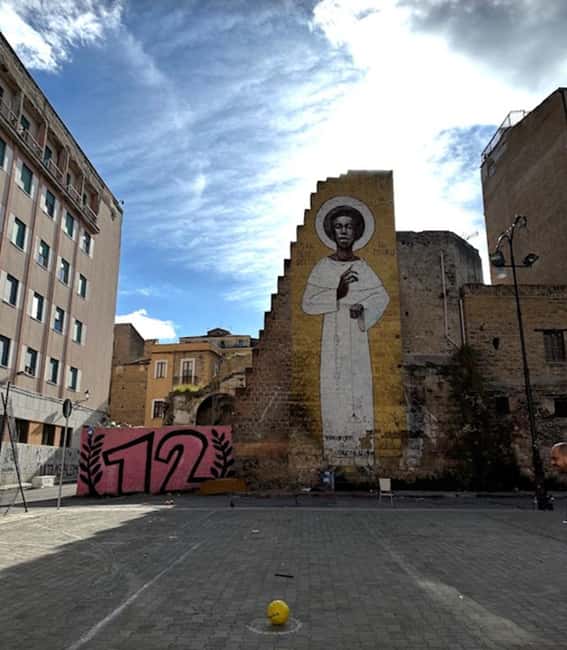
The early walking section takes you through Vucciria and the Kalsa area, with about a half hour in Kalsa as part of the flow. This stretch matters because it shows you street art in its natural habitat: the places tourists often rush through without really noticing.
Here’s what you’re looking for as you walk:
- Mural walls in changing light, where you can spot different layers as you move
- Artistic shutters and small-scale interventions that feel tied to daily routines
- Street scenes where art and regular city life overlap instead of competing
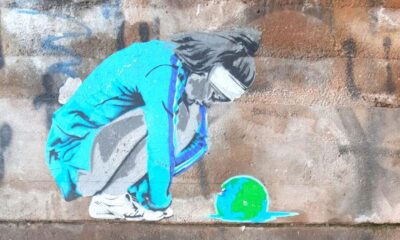
The tour also names artists you can keep an eye out for. In this center-area phase, you’ll encounter work associated with artists such as TVBoy and SID.Next, plus other pieces that connect style to local meaning. The guide’s job here is to help you read what you’re seeing—why a certain style shows up, and how the messages relate to the neighborhoods around them.
One practical consideration: this part of Palermo can feel busy in bursts. If you’re sensitive to crowds or loud street noise, wear headphones at low volume for later, not during the art stops when you’ll want to hear the guide. And do yourself a favor and bring sunscreen and a hat; the tour doesn’t promise indoor shelter when the sun is up.
The tram ride to Sperone: why moving matters for street art
After the initial walking, you take a tram ride (about 15 minutes) toward Sperone. This is not just transportation; it’s a storytelling tool.
Street art often makes more sense when you see it change with the city’s geography. Moving by tram helps you notice that Palermo isn’t one uniform backdrop. You’re shifting from the core energy to an area with a stronger concentration of large-scale contemporary works, where murals can feel like neighborhood landmarks even without the official signage.
If you’re the type who photographs a lot, this is also a good mental reset. Use the tram time to decide what you’ll focus on: wide wall shots versus detail shots, or color versus symbolism. The best photos usually come from having a plan before you step back out into the street.
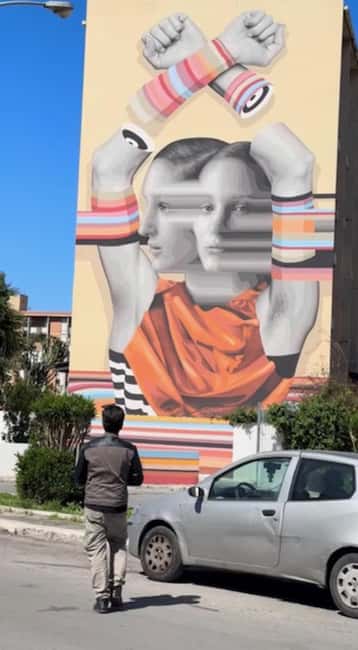
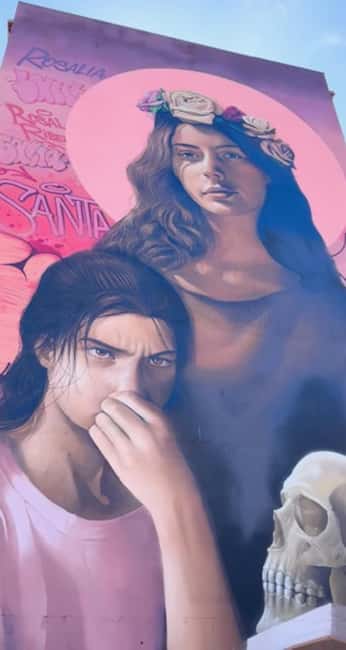
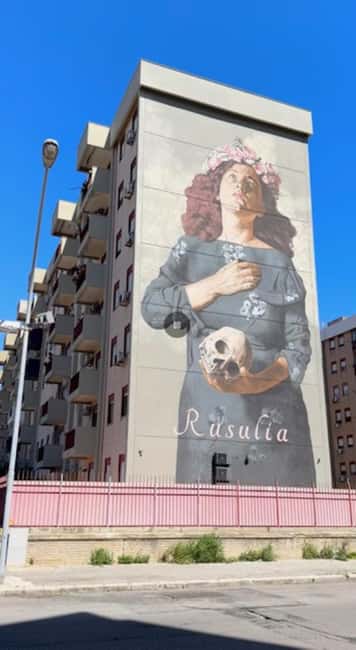
Sperone’s big contemporary murals: Igor Scalisi Palminteri, Rosk & Loste, Medianeras, Millo
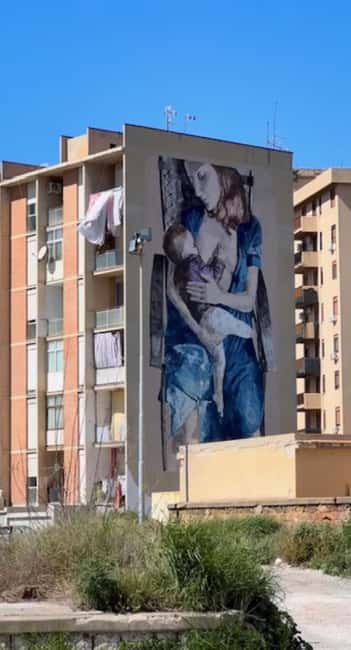
Once you arrive in Sperone, the tour shifts into the kind of visual impact that makes people stop mid-walk. You’ll spend another walking block after the tram (around 30 minutes), and this is where the mural names get especially strong.
You can expect to see large-scale works by artists including:
- Igor Scalisi Palminteri
- Rosk & Loste
- Medianeras
- Millo
The difference you feel here is scale and confidence. In the center neighborhoods, you might read street art like punctuation—small signals in a busy sentence. In Sperone, it’s more like the sentence itself: the walls are part of how the neighborhood talks to the world.
What makes Sperone valuable on a practical level is that it shows street art as ongoing. This isn’t a set of murals frozen in time for visitors. The guide frames it as a living part of the neighborhood’s social fabric—art that sits alongside daily life, and art that responds to identity and change.
If you’re wondering what to pay attention to while you look: try to note how the mural style matches the street around it. Even when you don’t understand every symbolism right away, you can usually feel the connection between the message, the color choices, and the neighborhood context.
The final legs: turning street art into a full Palermo picture
The tour doesn’t end abruptly after the main mural stop. You’ll keep moving—another tram segment (about 15 minutes) and a final walk (around 25 minutes) that brings you back toward the starting area on Via Argenteria 20.
This “ending walk” matters more than it sounds. It helps you compare what you saw earlier with what you’re seeing now. You’ll notice how themes repeat in different ways: hope and identity show up across murals, but they land differently depending on the neighborhood’s mood and the street’s energy.
I also like the way the tour frames it: street art here isn’t treated as something confined to galleries or curated exhibitions. It’s presented as a form of public expression—something the city grows in public, not something shipped in and displayed.
As a result, you finish the tour with a more complete sense of Palermo than if you’d only focused on the most famous center sights.
Gelato, small group size, and the value of a 3-hour plan
At $45 per person for about 3 hours, the value comes from what’s included. You’re not only paying for a guide who specializes in street art and urban culture—you’re also getting tram tickets and an artisanal gelato tasting. That’s a nice mix, because it reduces the annoying extras that add up during city exploring.
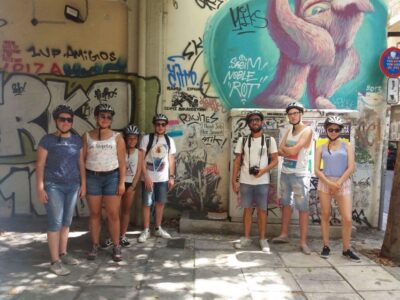
The group is capped at 10 participants, which matters in practice. You’ll have a better chance to hear the guide at each stop, and you’ll feel less like you’re herded from one wall to the next. Street art can be detail-heavy, so being able to pause without getting stepped over is a real advantage.
Gelato also keeps the tone from turning too serious. This tour deals with the real edges of city life, including background context the guide shares about politics and mafia history, but gelato makes it feel human again. And yes, you should plan to grab water separately—drinks aren’t included.
Who should book this tour (and who may want a different one)
I think this tour fits best if you:
- Enjoy street art as more than decoration
- Want Palermo through neighborhood life instead of only postcard landmarks
- Prefer guided context that helps you read what you see, not just name murals
- Like a mix of culture and a few tough city realities
It’s also great if you’ve already done the big “must see” sights. Once you’ve checked off the obvious, Palermo can feel like it’s missing a soul. This tour is designed to fill that gap by showing the city as a place people keep remaking.
You might want a different tour if you’re allergic to walking, or if you’re hoping for a classic historical landmarks route. This one is about street art, urban culture, and the way daily life and social change leave traces on walls.
Tips for photos, heat, and respectful street-level viewing
Street art photography is where people often go wrong. If you only shoot standing still, you’ll miss most of the detail. As you walk, try a couple of moves: step sideways for texture, then step back for scale. The best street art shots often come from small changes in angle.
For comfort, bring:
- Comfortable shoes (streets can be uneven)
- Hat and sunscreen (you’re outside and time under sun adds up)
- Camera (you’ll want it)
- A little patience for stopping often
Also, remember you’re in living neighborhoods. Keep your filming respectful, don’t block doorways, and treat the murals like part of someone’s street—not like a stage set.
And if you have accessibility needs, it’s worth knowing the tour is wheelchair accessible. The route includes trams and walking, so you’ll still want to move at a steady pace, but it’s planned with access in mind.
Should you book this Palermo street art and urban life walk?
If you want Palermo with texture—market energy, quieter corners, and then the larger mural power of Sperone—this is an easy yes. The combination of a specialized local guide (Elena-style guiding), tram segments, included gelato, and a small group keeps it feeling personal without turning it into a slow slog.
Book it if street art speaks to you, and you like your travel days a little more human than checklist-heavy. Skip it only if you’re mainly after monumental history or you want minimal walking.
FAQ
Where does the tour start?
The meeting point is Epic home in Vucciria, at Via Argenteria 20.
How long is the street art walk in Palermo?
The tour lasts about 3 hours.
How much does it cost?
It costs $45 per person.
What’s included in the price?
You get a local guide specialized in street art and urban culture, tram tickets, and an artisanal gelato tasting.
What is not included?
Drinks are not included.
What languages are available for the live guide?
The tour is offered with a live guide in English, Italian, and Spanish.
Is the tour wheelchair accessible?
Yes, it’s listed as wheelchair accessible.
How big is the group?
The group is limited to 10 participants.