REVIEW · GUADALAJARA
History and Murals: Walking Tour Guadalajara
Book on Viator →Operated by Jalisco Trip Tours · Bookable on Viator
Guadalajara turns artistic fast. This walking tour links the historic center’s big squares and churches with the jaw-dropping murals at the Cabañas Museum, where your entrance ticket helps you avoid line-ups. I also love how guide Fernando stitches the buildings to the real story of Jalisco—so you’re not just looking at pretty facades.
One thing to plan for: most of the experience is on foot, with no headsets or microphones. If you get tired standing, build in slower pacing for photos and take advantage of the short breaks built into the route.
In This Review
- Key things you’ll remember
- Why this Guadalajara loop makes sense in a half-day
- Plaza de Armas to El Sagrario: start where the city began
- Guadalajara Cathedral and the Rotonda: religion plus civic memory
- Municipal Palace and Palacio de Gobierno: when access depends on the day
- Plaza de la Liberación, Fundadores, and Plaza Tapatía: squares as a timeline
- Cabañas Museum: Orozco murals are the main event
- Mercado Libertad: where your “last stop” becomes the fun stop
- Pace, breaks, and the English guide factor
- Price and value: what $53.05 buys you in real terms
- Who should book this tour (and who might not)
- Should you book? My practical take
- FAQ
- How long is the walking tour?
- What is the meeting point and start time?
- What does the ticket price include?
- Are all building interiors guaranteed?
- Is the tour offered in English?
- What group size should I expect?
- What happens if weather is bad?
Key things you’ll remember
- Cabañas Museum with skip-the-line ticket so you spend your time inside where it counts
- José Clemente Orozco murals: 57 frescoes across walls and domes, plus a guided way to look first, then learn
- Historic center sequence: squares, cathedral, civic monuments, and plazas that map Guadalajara’s timeline
- Market time at Mercado Libertad for traditional food, regional crafts, and bargain souvenirs
- Small group size (max 15) for a calmer pace and easy questions
- Fernando’s storytelling style that mixes art, politics, and daily life without getting preachy
Why this Guadalajara loop makes sense in a half-day
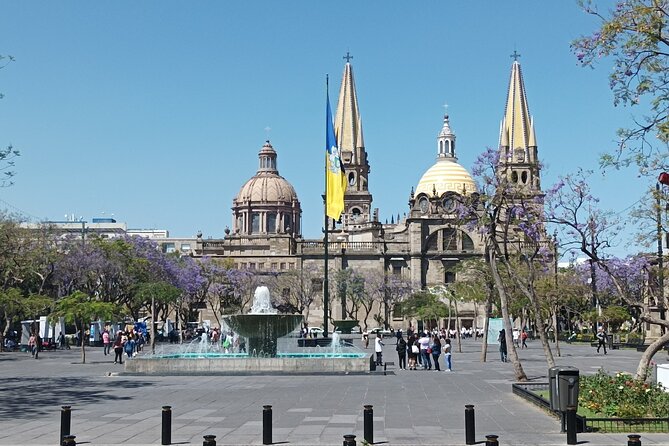
This is a classic “center loop” done on foot, built for people who want the main sights without spending your day bouncing between taxis. You’re looking at about 3 to 4 hours, starting at Plaza de Armas in Zona Centro and ending in Mercado Libertad (San Juan de Dios).
The tour price is $53.05 per person, which sounds modest until you look at what you’re actually getting. You’re paying for more than sightseeing: entrance coverage for key interiors (including the Cabañas Museum and the cathedral), plus market time to eat and shop. If you would’ve paid museum admission anyway, this turns into a good value way to get context and pacing.
The group stays small—up to 15 people—and the tour is offered in English. You’ll also use a mobile ticket, which is handy if you don’t want to fuss with printed passes.
You can also read our reviews of more tours and experiences in Guadalajara.
Plaza de Armas to El Sagrario: start where the city began
The tour opens at Plaza de Armas, the oldest square in Guadalajara, founded in the 16th century. It’s surrounded by some of the most important buildings in the historic center, which is a big deal because it tells you where the city’s “power center” began—politics, faith, and public life all orbiting the same core.
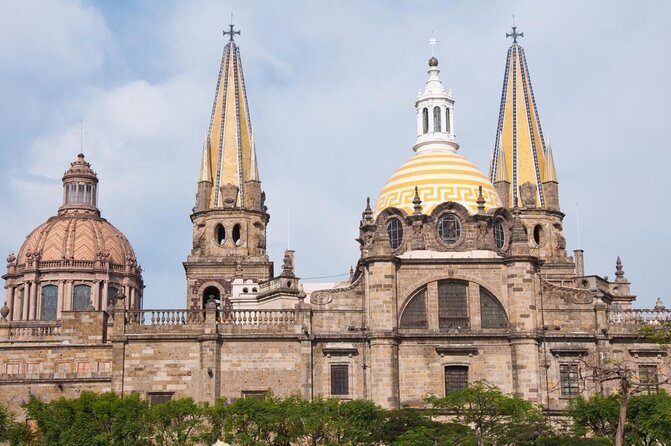
From there you head to Parroquia El Sagrario Metropolitano. This church was inaugurated in 1839 and is known for its neoclassical style and the golden quarry tone. It’s the kind of stop that’s easy to walk past on your own. With a guide, it becomes a quick lesson in style changes over time—why certain looks became popular and what they signaled.
In practical terms, these early stops set your visual language for the rest of the day. You’ll start noticing proportions, materials, and how the city’s Spanish-era core gives way to later civic grandeur.
Guadalajara Cathedral and the Rotonda: religion plus civic memory
Next up is the Guadalajara Cathedral, often considered the most important church in Jalisco. Construction began in the 16th century, and it’s still one of the largest churches in Mexico. The tour includes time for both exterior appreciation and the interior, which matters because the building is meant to be experienced as a whole—not just photographed from the street.
Right after, you get the Rotonda de Los Jaliscienses Ilustres, a monument dedicated to important men and women from Jalisco. It has a neo-classical feel, and it works as a bridge between what you saw in church (spiritual authority) and what you’ll see in government spaces later (state identity).
A small tip: if you care about architecture, slow down here. Cathedral and monument details reward close looking—columns, symmetry, and the way the city frames its heroes.
Municipal Palace and Palacio de Gobierno: when access depends on the day
The route then moves into the civic-zone feel of Guadalajara. You’ll pass the Guadalajara Municipal Palace, a neocolonial-style building built between 1949 and 1952, home of the Municipal Council.
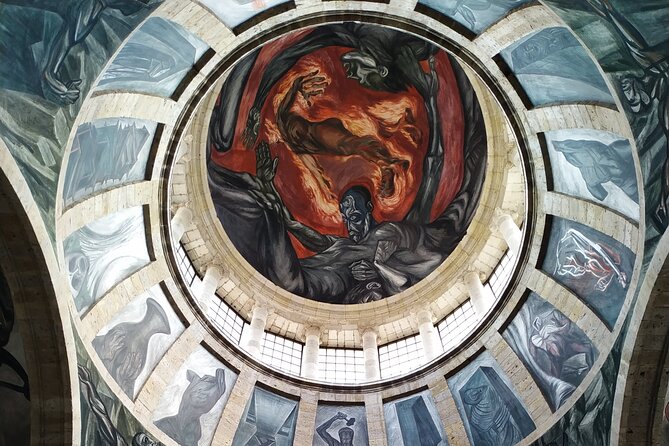
Then comes the big one: Palacio de Gobierno del Estado de Jalisco. It was inaugurated in 1790 and has served multiple roles through the years—Guadalajara court during the viceregal period, later military barracks, and then the seat of Jalisco’s congress. The main reason I think people love this stop is the staircase murals by José Clemente Orozco.
One consideration, though: access to the main building areas is subject to availability, based on the state government’s directions. The tour is designed around that reality. Even when you can’t get inside everything, the exterior context and the Orozco link help you understand why this area matters.
There’s also a subtle lesson in realism here: governments don’t always behave like museum tickets. If access changes, your guide still keeps the story moving.
Plaza de la Liberación, Fundadores, and Plaza Tapatía: squares as a timeline
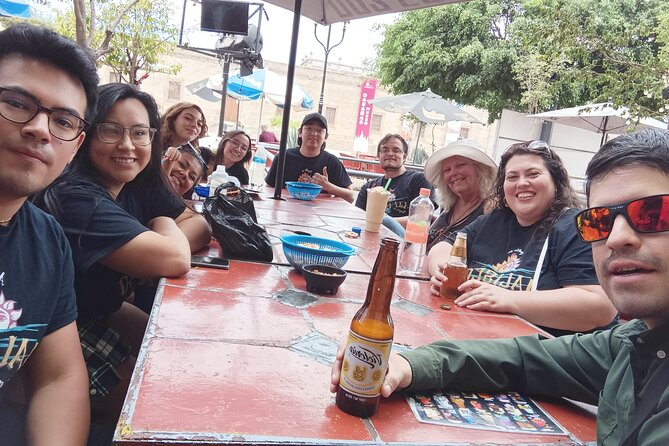
Between the major buildings, you’ll hit several plazas that feel like short chapters.
- Plaza de la Liberación: dedicated to Mexico’s independence, built in the 1950s. This gives you a newer layer of symbolism compared to the older colonial foundations.
- Plaza Fundadores: dedicated to Guadalajara’s foundation in 1542. There’s a bronze sculpture by local artisan Rafael Zamarripa honoring the founders. This is a good pause if you like the “how the city tells its origin story” side of travel.
- Plaza Tapatía: built in the 1970s, it’s the largest and newest square in the historic center, dedicated to commerce and the sale of handicrafts.
These stops might look like open space until you notice how each one frames a different theme: independence, founding myths, and everyday trade. If you like cities that feel lived-in rather than just historical, these plazas deliver.
Cabañas Museum: Orozco murals are the main event
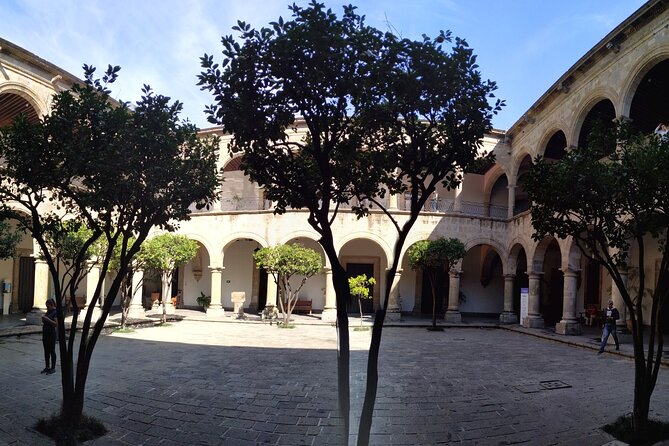
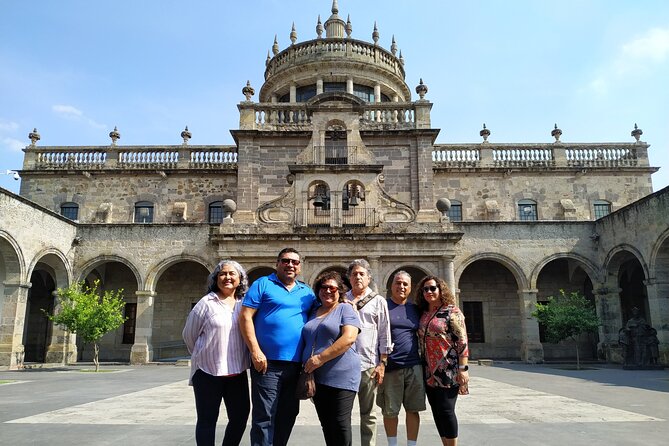
The heart of the tour is the Cabañas Museum. This is where your included admission matters, because it’s the stop where you’ll spend the most time—about 1 hour inside.
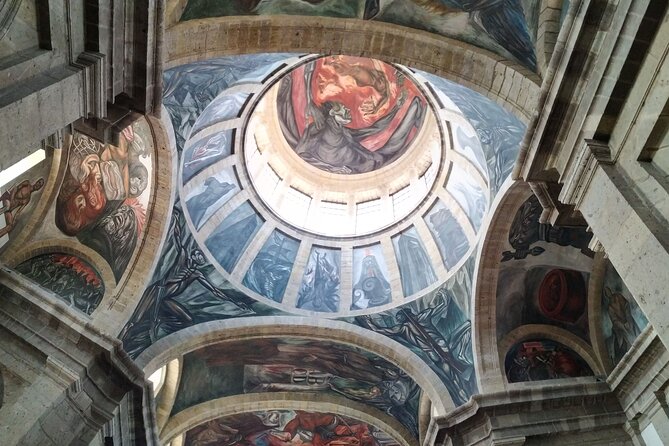
Here’s what makes it special: the museum contains the masterpiece work of one of Mexico’s top muralists, José Clemente Orozco—57 fresco murals painted across the walls and domes of the main chapel. It’s also tied to a UNESCO World Heritage designation, and that’s a clue that you’re looking at art that’s meant to be studied, not just snapped and moved on from.
What I like about how this stop is handled is the viewing rhythm. You don’t just get a lecture thrown at you. The approach encourages you to first take in what you see, then get the explanation to help you connect scenes, themes, and the era Orozco was responding to. That order helps your brain do more than memorize facts—you start interpreting.
If you’re worried about time pressure, don’t be. One hour is enough to move through at your pace, pause where you feel pulled, and still get your guide’s clarifications. If something feels confusing, that’s normal. Orozco is not trying to be simple.
Practical note: plan for indoor walking. Comfortable shoes matter here—your feet will have already done a lot before you even enter.
Mercado Libertad: where your “last stop” becomes the fun stop
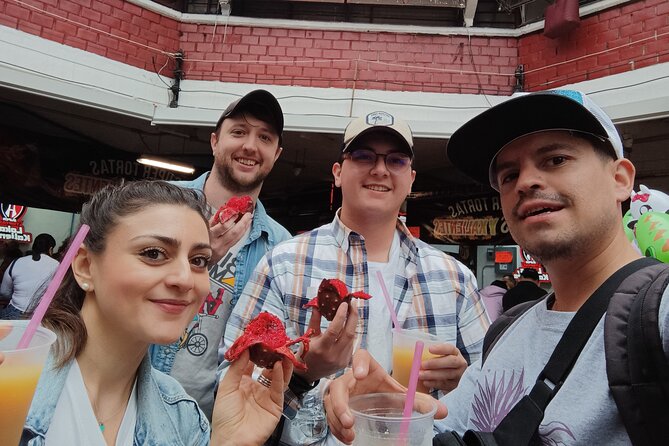
After art and architecture, you end in the chaos you came for: Mercado Libertad in San Juan de Dios. This is the kind of market that’s easy to love because it’s not staged. It’s big—described as the largest traditional market in the city and the largest in Latin America of its kind.
You get about 15 minutes here, with time for typical local food, regional crafts, and souvenirs. Because the tour ends at the market, you can also keep going after the guided portion if you want more time to browse.
If you like eating your way through a place, this is where you’ll likely appreciate the guide’s recommendations. People talk about trying tejuino and aiming for classics like tortas ahogadas when the right stall is pointed out. Even if you don’t end up with those exact items, you’ll be in the right area to choose something regional and not overthink it.
Souvenir strategy tip: this is a bargain zone, but don’t buy the first item you like. Compare stalls for similar crafts, and decide based on quality, not just the price tag.
Pace, breaks, and the English guide factor
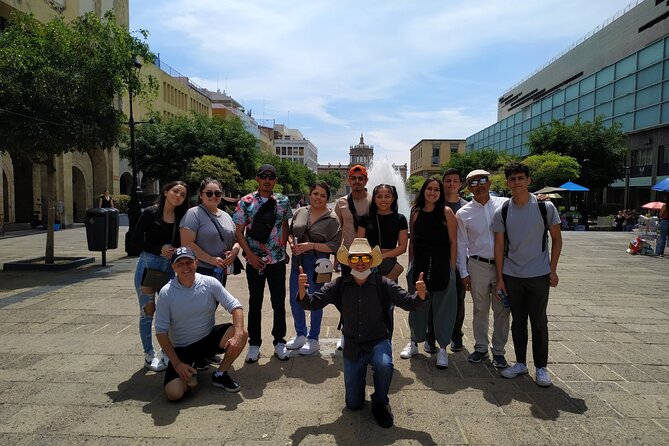
A walking tour lives and dies by pace. This one is designed to move fast enough to cover major landmarks, but not so fast that you feel stuck in line-photo-line mode.
A key detail: there are no headsets or microphones. So you’re relying on your guide’s voice in outdoor spaces. That’s usually fine with a group of this size, but keep that in mind if you’re hard of hearing or if wind is strong that day.
There’s also a short break built into the schedule for rest and hydration. A common stop is Café Degollado for restroom and downtime, typically 15 to 20 minutes. It helps a lot because you’ll likely be standing for parts of the cathedral and looking up for details around plazas and monuments.
On top of that, the guide—Fernando—is described as patient and engaged, and the tone is friendly enough that questions feel normal. One review note that sticks with me is how he’s quick with explanations and even uses small stops as opportunities for extra context, including how protests around government buildings can be understood without turning the tour into a single-issue rant.
Price and value: what $53.05 buys you in real terms
Let’s translate the price into practical value.
You’re getting:
- Paid entry for Cabañas Museum (the big art stop)
- Paid time for Guadalajara Cathedral
- Market time at Mercado Libertad with admission included
- A structured route across historic squares and major landmarks
- Live guidance in English with story-driven context
On paper, that’s a lot of tickets and access bundled into one walk. In real travel terms, it means less time figuring things out and more time learning the city’s logic. For a half-day itinerary, that’s the sweet spot.
If you’re on a tight schedule in Guadalajara, this is the kind of tour that keeps you from wasting hours chasing confirmation emails, figuring out where to start, and picking the wrong entrance line for the one museum you came for.
Who should book this tour (and who might not)
This is a strong fit if you:
- Want an organized introduction to Guadalajara Centro
- Care about architecture and murals, especially Orozco
- Like your sightseeing with stories that connect art, faith, and civic life
- Prefer small groups and the chance to ask questions
It may be less ideal if you:
- Need long seated stretches (most of this is standing and walking)
- Want guaranteed access to government interiors or special theater access (those can change with government availability)
- Rely heavily on audio devices (there are no headsets)
If your travel style is more about independent drifting, you can still do these sights on your own. But if you want the quick education and the right order, this route is built for efficiency.
Should you book? My practical take
Book this tour if you want a smart, compact way to understand Guadalajara without turning your day into a checklist. The best reason is simple: Cabañas Museum plus Orozco murals is the kind of experience that benefits a lot from guidance, and the itinerary wraps that around the historic center so you leave with both art and context.
If you go, come with a shoes-on mindset and a loose plan for what you’ll eat at Mercado Libertad after the guided portion. Bring water, expect some standing, and don’t rush the murals. Give yourself time to look first, then let the explanations click.
FAQ
How long is the walking tour?
It runs about 3 to 4 hours.
What is the meeting point and start time?
The tour starts at Plaza de Armas, Zona Centro (44100 Guadalajara). Start time is 10:00 am.
What does the ticket price include?
The tour includes admission tickets for Parroquia El Sagrario Metropolitano, Guadalajara Cathedral, Cabañas Museum (Orozco murals), and Mercado Libertad.
Are all building interiors guaranteed?
Not always. Access to some places like Palacio de Gobierno del Estado de Jalisco and Teatro Degollado can depend on availability based on state government indications.
Is the tour offered in English?
Yes, it’s offered in English.
What group size should I expect?
The tour has a maximum of 15 travelers.
What happens if weather is bad?
The experience requires good weather. If it’s canceled due to poor weather, you’ll be offered a different date or a full refund.