REVIEW · DUSSELDORF
Dusseldorf: Urban Art Walk / Street Art Tour
Book on GetYourGuide →Operated by Pretty Portal · Bookable on GetYourGuide
Street art here is the city talking back. A 2-hour Urban Art Walk led by Klaus Rosskothen (curator and Pretty Portal gallery owner) turns Düsseldorf’s walls into a living exhibition, with stops in the public spaces of Friedrichstadt and Bilk. I especially like the way you get the story behind each work, including origins, artistic strategies, and how urban art became a recognized contemporary art form. I also like that this is not a checklist tour. You’re shown real places where the art feels present, temporary, and tied to the street culture around it.
One thing to consider: the tour is conducted in German and the walk covers about 3 km in 2 hours, so if you move slowly you may miss parts of the explanation while you’re catching up.
In This Review
- Key takeaways before you go
- Düsseldorf after dark? Try Düsseldorf after street-level
- Meeting at Ellerstraße and Willi Becker Allee: get ready for a 3 km circuit
- Friedrichstadt murals and installations: seeing technique, not just visuals
- A practical tip for Friedrichstadt
- Bilk street-level street art: stickers, paste-ups, and tiny scale storytelling
- The artists you’ll meet on the walls
- City history, but only the useful kind
- What the tour feels like in real time
- Price and value: $23 for a curator, not a generic route
- Who should book this Urban Art Walk
- Who might want to consider alternatives
- My bottom line: should you book?
- FAQ
- FAQ
- Where does the Urban Art Walk meet?
- How long is the tour?
- How much walking is involved?
- Is the tour a self-guided route?
- Who leads the tour?
- What kinds of street art will we see?
- Is the tour only about famous artworks?
- What language is the tour in?
- What’s included in the ticket price?
- Can I cancel or change my plans?
- Is it possible to book without paying right away?
Key takeaways before you go
- Curator-led context: Klaus Rosskothen connects each mural or intervention to technique, origin, and meaning.
- Friedrichstadt + Bilk focus: you’ll see how two districts shape the city’s contemporary art energy.
- Public art you can actually find: murals, installations, sticker art, and paste-ups in street-level spaces.
- Artists with international reach: Alexis Bust Stephens, Marc Woehr, MadC, Innerfields, Harald Naegeli, and L.E.T.
- PDOT spirits on the walls: you’ll look for his characteristic spirit-style works during the walk.
- Small-group feel: max 20 participants, which helps you ask questions and stay engaged.
Düsseldorf after dark? Try Düsseldorf after street-level
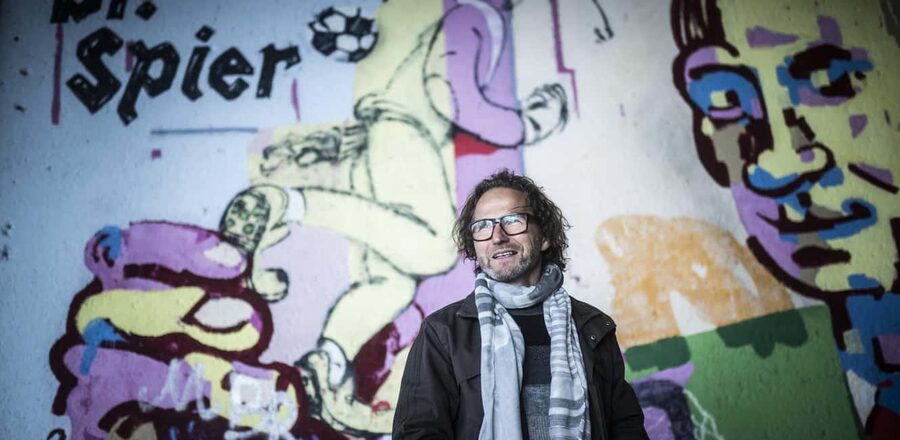
Düsseldorf is famous for polished streets, great museums, and clean cultural institutions. But contemporary art doesn’t only live behind ticket booths. On this walk, you experience the version of Düsseldorf that’s built in public: murals, installations, stickers, and paste-ups that sit in the city like commentary.
What makes this tour worthwhile is the framing. Klaus Rosskothen approaches urban art as something with craft and strategy, not just decoration. That matters, because you stop seeing a wall as background. You start seeing it as a canvas with choices—placement, scale, layering, and the way a piece interacts with the surrounding neighborhood.
And the best part? The route is designed around places you would not naturally search for. You’re not being herded through the usual “famous spots.” You’re getting pointed toward street-level art locations with staying impact on the cityscape—exactly the kind of art that changes faster than indoor exhibits.
Meeting at Ellerstraße and Willi Becker Allee: get ready for a 3 km circuit
You’ll meet at the corner of Ellerstraße and Willi Becker Allee. This is one of those practical details that makes the whole thing easier: you show up, meet the group, and the walk begins without fuss.
Expect a roughly 2-hour outing with about 3 km covered. That’s not a heavy hike, but it is enough walking that you’ll want comfortable shoes. It also affects pacing. Urban art works are often best understood when you pause, look closely, and then hear why they were placed there. If you’re the type who likes slow wandering, plan to stand still when the group stops—especially because the commentary is a big part of the value.
Group size is capped at 20 participants, which is a meaningful detail. In a crowd, questions get cut short. Here, the smaller size helps the curator keep the tour focused and personal, instead of turning it into a fast lecture.
Friedrichstadt murals and installations: seeing technique, not just visuals
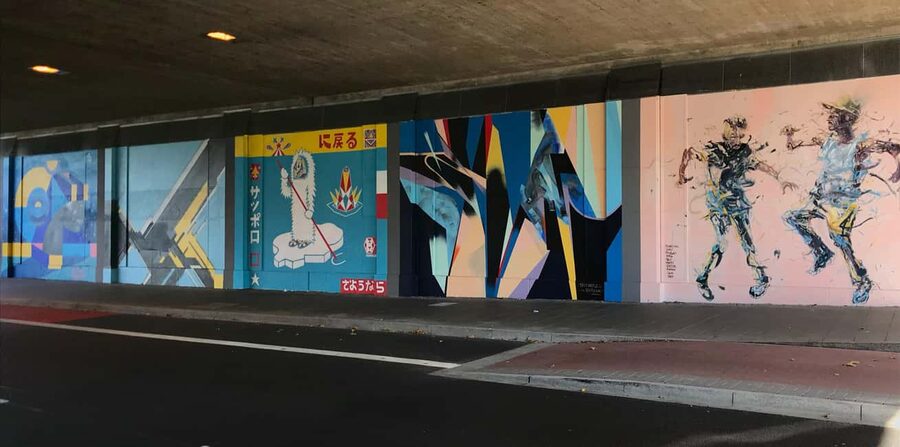
Your walk includes the Friedrichstadt district, and this is where the tour’s “art-school brain” really kicks in. You’re guided to selected works in public spaces—murals, installations, and interventions—and you learn how urban artists think.
Instead of treating each piece as a one-off, you’re given background on:
- the origin of the work
- the artist’s strategy (why this image, why this spot, why this scale)
- how urban art has developed into a recognized contemporary art form
That context changes how you look. A mural stops being a photo opportunity and becomes a message with decisions behind it. You start noticing the structure of an intervention: how it interacts with nearby surfaces, the way it uses the street as a gallery wall, and how it can feel both permanent and fleeting at the same time.
It also helps that you encounter works connected to internationally known names and recognizable styles. You’ll see pieces by artists including Alexis Bust Stephens, Marc Woehr, MadC, and Innerfields (among others listed for the tour). Even if you only know them generally, having the curator talk through the choices gives you a strong entry point.
A practical tip for Friedrichstadt
Bring your phone and be ready to take quick photos during pauses. The works are outside, so light changes and details can be missed if you’re rushing. Quick shots now, slower look later.
Bilk street-level street art: stickers, paste-ups, and tiny scale storytelling
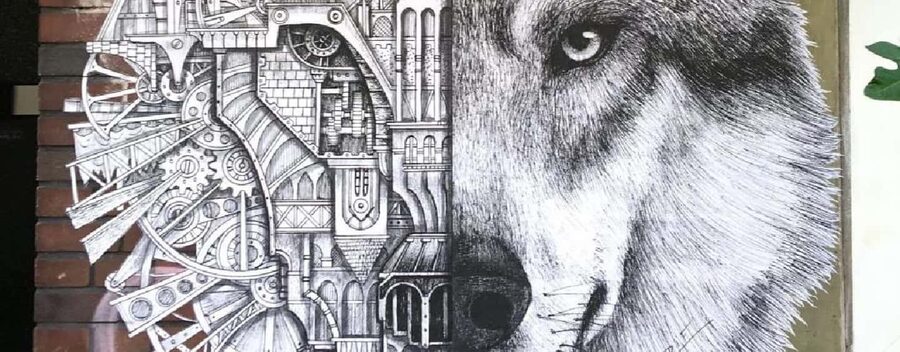
Bilk is where the walk starts to feel more intimate and street-close. This district is presented as a place where urban art shows up not just as large murals, but as smaller interventions: sticker art and paste-ups by regional and international artists.
This kind of art rewards attention to detail. Stickers are often layered, partly covered, and visible in corners you might normally walk past without noticing. Paste-ups can feel like a moment captured in glue and paper—something made for the street rather than for a controlled viewing environment.
The curator’s background notes matter here too, because you learn to read these works as part of a wider urban art language. You hear about how techniques spread, how artists adapt strategies across cities, and how public-space art differs from museum art in speed and vulnerability.
One specific element you’re guided to notice: PDOT’s characteristic spirits. Even just knowing what you’re looking for helps you slow down and look at the layers you might otherwise ignore. If you like the idea of urban art as a conversation with the neighborhood, Bilk is the section that really makes that idea tangible.
The artists you’ll meet on the walls
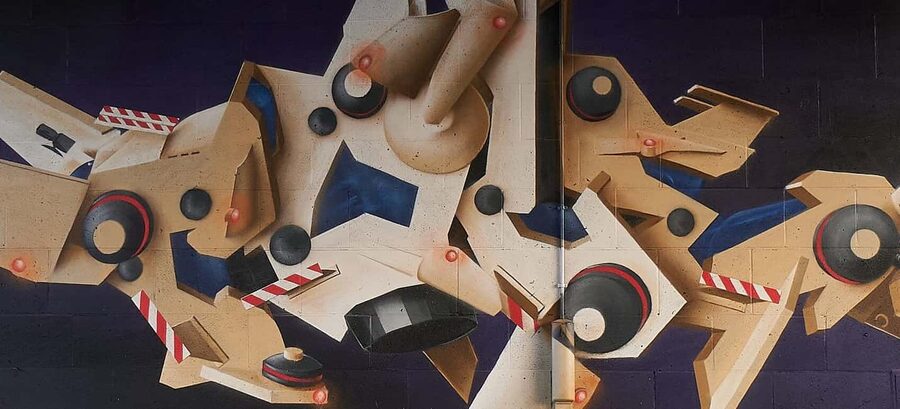
The walk is designed around selected works by a mix of international and locally relevant urban artists. Based on what the tour focuses on, you can expect to encounter names such as:
- Alexis Bust Stephens
- Marc Woehr
- MadC
- Innerfields
- Harald Naegeli
- L.E.T.
- PDOT (noted specifically for his characteristic spirits)
You don’t need to be an expert to benefit. The tour’s value is that you get background information that helps you connect an artist’s style to the bigger story of urban art in public space.
If you do know some of these names already, you’ll likely enjoy the added layer: you aren’t just spotting a signature style. You’re hearing how the works fit into Düsseldorf’s specific urban art scene, plus how the districts developed culturally.
City history, but only the useful kind
Urban art makes more sense when you understand the neighborhood context. Here, the tour includes brief insights into the history of the Friedrichstadt and Bilk districts and their cultural development.
Important: this is not a long history lecture. It’s the kind of context that helps you connect why certain art shows up where it does, and how the street becomes a stage for contemporary expression.
That balance is part of why this experience works. You get enough history to interpret the art, but you still spend the majority of time outside looking at the works themselves.
What the tour feels like in real time
You’re outside the whole time, so weather matters. Urban art tours are at their best when the group can pause comfortably. If it’s raining or windy, you might feel the pace shift, since standing still for explanations is harder.
Tempo is also a factor. The tour covers about 3 km in 2 hours, and it’s led in German. One concern you might watch for is missing pieces of explanation if you fall behind. This isn’t a reason not to go. It’s a heads-up: make a choice to stay with the group during stops, and you’ll get much more out of the commentary.
On the plus side, the small-group size (max 20) helps keep the tone interactive and focused. You’re walking with a curator, not just a guide reading facts.
Price and value: $23 for a curator, not a generic route
At about $23 per person for roughly 2 hours, this is one of those experiences that can feel like good math. You’re paying for:
- a curator-led walk (not just a standard tour guide)
- background on artists, works, techniques, and urban art development
- access to places you likely wouldn’t find yourself
- a small-group format
The biggest value isn’t simply seeing street art. It’s understanding it. Indoors, you pay for interpretation through labels and guides. Here, you get that interpretation walking beside the actual works.
Could you do a street art walk on your own? Sure. But the curator framing compresses years of learning into a compact walk, and it helps you notice things quickly: where to look, what details to catch, and why a piece is placed in a certain way.
Who should book this Urban Art Walk
This tour fits best if you like:
- contemporary art that lives outside
- seeing how art connects to specific neighborhoods
- learning the origin story and strategy behind street works
- a focused 2-hour outing instead of a half-day museum plan
It’s also ideal if you’ve already done the classic Düsseldorf highlights and want a different angle. If your idea of travel is less about landmarks and more about how cities express themselves day-to-day, you’ll likely enjoy the approach.
Who might want to consider alternatives
If you don’t read or listen to German well, the tour being in German may limit what you get from the commentary. And because the walk covers 3 km in 2 hours, if you need a slower pace due to mobility or walking style, you might feel rushed during explanations.
My bottom line: should you book?
Yes—if you want Düsseldorf street art with real context and you’re comfortable following a German-led walk at an outdoor-city pace. For around $23, you’re paying for curator-level interpretation and for public-space works you’d probably miss on your own.
But if German listening is a struggle for you, or if you prefer long stops and slow wandering, plan carefully. In that case, consider whether you’ll be able to stay close to the group during pauses, or look for a different tour format in your preferred language.
FAQ
FAQ
Where does the Urban Art Walk meet?
You meet at the corner of Ellerstraße and Willi Becker Allee.
How long is the tour?
The tour lasts about 2 hours.
How much walking is involved?
On the 2-hour tour, you’ll cover about 3 km.
Is the tour a self-guided route?
No. It’s a guided walk through the Friedrichstadt and Bilk districts.
Who leads the tour?
Klaus Rosskothen leads it. He’s a curator and operator of the Pretty Portal gallery.
What kinds of street art will we see?
You’ll see murals, installations, interventions, sticker art, and paste-ups in public spaces.
Is the tour only about famous artworks?
No. The focus is on selected works in public spaces, including regional and international artists.
What language is the tour in?
The tour is conducted in German.
What’s included in the ticket price?
The experience includes the guided urban art walk, background information on artists and techniques, context about urban art’s development, and recommendations for other art venues and galleries in Düsseldorf.
Can I cancel or change my plans?
Free cancellation is available up to 24 hours in advance for a full refund.
Is it possible to book without paying right away?
Yes. You can reserve now and pay later.